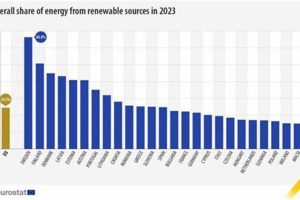
Sustainable energy sources replenished naturally include solar, wind, hydro, geothermal, and biomass power. Solar energy harnesses sunlight using photovoltaic panels or concentrated solar power systems. Wind energy utilizes turbines to convert wind’s kinetic energy into electricity. Hydropower generates electricity from flowing water, typically in dams. Geothermal energy taps into the Earth’s internal heat for direct use or electricity generation. Biomass energy derives from organic matter, such as wood, crops, and agricultural waste, used as fuel.
Harnessing these resources offers a pathway towards a cleaner energy future, mitigating the environmental impact of fossil fuels and enhancing energy security. The transition to these sustainable alternatives has gained momentum in recent decades due to growing environmental awareness and technological advancements, paving the way for a more sustainable and resilient energy landscape.
This article will delve into each of these resources, exploring their underlying technologies, current applications, potential for future growth, and respective advantages and disadvantages.
Tips for Utilizing Renewable Energy Sources
Implementing renewable energy solutions can be complex, requiring careful consideration of various factors. The following tips provide guidance for individuals, businesses, and communities interested in transitioning to cleaner energy sources.
Tip 1: Conduct a Thorough Energy Assessment: Evaluate current energy consumption patterns to identify areas for improvement and potential renewable energy applications. This assessment helps determine the most suitable renewable energy technologies for specific needs.
Tip 2: Research Available Incentives and Policies: Many governments and organizations offer financial incentives, such as tax credits and rebates, for adopting renewable energy technologies. Understanding these programs can significantly impact project feasibility.
Tip 3: Consider Site-Specific Factors: Geographic location, available space, and local climate conditions play a crucial role in determining the effectiveness of different renewable energy systems. For instance, solar power is more effective in sunny regions.
Tip 4: Explore Hybrid Systems: Combining different renewable energy technologies can provide a more reliable and consistent energy supply. For example, integrating solar and wind power can offset intermittency issues associated with each individual source.
Tip 5: Prioritize Energy Efficiency: Reducing overall energy consumption through efficiency measures minimizes the demand for energy from any source, including renewables. This can be achieved through building insulation, energy-efficient appliances, and optimized energy management practices.
Tip 6: Engage with Qualified Professionals: Consulting experienced renewable energy professionals is crucial for system design, installation, and maintenance. Their expertise ensures optimal performance and long-term system viability.
Tip 7: Plan for Long-Term Maintenance: Renewable energy systems require regular maintenance to ensure optimal performance and longevity. Developing a comprehensive maintenance plan helps prevent costly repairs and system downtime.
By carefully considering these tips, individuals, businesses, and communities can effectively transition toward a more sustainable energy future. Integrating renewable energy solutions offers both environmental and economic benefits, contributing to a cleaner, more resilient energy landscape.
This exploration of practical implementation strategies provides a solid foundation for informed decision-making in the adoption of renewable energy technologies. The concluding section will summarize the key advantages and potential challenges associated with transitioning to a renewable energy future.
1. Solar Power

Solar power represents a significant component within the broader spectrum of renewable energy technologies. Its prominence stems from the sun’s virtually inexhaustible energy supply and the decreasing cost of photovoltaic (PV) panels, the primary technology for converting sunlight into electricity. This conversion process occurs when photons from sunlight strike the silicon layers within a PV panel, exciting electrons and generating a direct current (DC) that is then converted into usable alternating current (AC) electricity. Large-scale solar farms, such as the Bhadla Solar Park in India, demonstrate the potential of solar energy to contribute significantly to national energy grids. Rooftop solar installations on residential and commercial buildings further exemplify its decentralized nature, empowering individuals and businesses to generate their own clean electricity. This distributed generation model reduces transmission losses and enhances grid resilience.
The environmental benefits of solar power contribute substantially to its importance within the renewable energy landscape. Unlike fossil fuels, solar power generation produces no greenhouse gas emissions during operation, mitigating climate change impacts. Furthermore, solar power requires minimal water usage compared to traditional power plants, making it a valuable resource in water-stressed regions. The continued advancement of solar technologies, such as thin-film solar cells and perovskite solar cells, promises increased efficiency and reduced manufacturing costs, further enhancing its competitiveness. Integration with battery storage systems addresses the intermittency of solar power, allowing for a continuous supply of electricity even when the sun is not shining. This integration facilitates greater reliance on solar energy and supports the transition towards a more sustainable energy future.
Solar power’s role within the diverse range of renewable energy sources is pivotal for achieving global sustainability goals. Its scalability, from individual rooftops to massive solar farms, coupled with its environmental advantages, positions it as a key driver of the energy transition. While challenges remain, such as land use considerations and the need for efficient energy storage solutions, the ongoing technological advancements and decreasing costs of solar power solidify its crucial role in the pursuit of a cleaner and more secure energy future. The increasing adoption of solar power globally signifies a positive shift towards a decarbonized energy system and highlights the practical significance of harnessing this abundant and renewable resource.
2. Wind Energy

Wind energy represents a crucial component within the diverse portfolio of renewable energy sources. The conversion of wind’s kinetic energy into electricity occurs through wind turbines, which utilize aerodynamic blades to capture the wind’s power and drive a generator. This process offers a clean and sustainable alternative to fossil fuel-based electricity generation. Wind energy’s importance within the broader context of renewable energy stems from its capacity to generate substantial amounts of electricity without emitting greenhouse gases. The growth of onshore and offshore wind farms globally, such as the Hornsea Project in the UK (offshore) and the Gansu Wind Farm in China (onshore), demonstrates the increasing scalability and viability of wind power as a significant contributor to national energy grids. This scalability allows for both large-scale deployments in designated wind farms and smaller-scale installations for localized power generation.
The practical significance of understanding wind energy’s role within renewable energy lies in its potential to mitigate climate change and enhance energy security. Wind power’s operational emissions-free nature directly addresses the environmental impact of fossil fuels. Furthermore, the geographically dispersed nature of wind resources strengthens energy independence by reducing reliance on centralized fossil fuel sources. The integration of wind energy into existing power grids requires careful consideration of intermittency the fluctuating nature of wind. Advanced forecasting technologies and energy storage solutions, such as pumped hydro storage and batteries, are instrumental in addressing this challenge, ensuring a reliable and consistent electricity supply. Ongoing research and development efforts focus on improving turbine efficiency, reducing costs, and minimizing environmental impacts, further solidifying wind energy’s role in the transition to a sustainable energy future. Specific examples include advancements in blade design and the development of floating offshore wind turbine technology for deeper water deployments.
Wind energy’s contribution to the overall renewable energy landscape is essential for achieving a decarbonized energy system. Its capacity for large-scale electricity generation, coupled with its environmental benefits, positions it as a critical driver of the global energy transition. While challenges related to intermittency and potential environmental impacts on wildlife require ongoing attention and mitigation efforts, the continued technological advancements and decreasing costs associated with wind energy reinforce its vital role in creating a cleaner, more secure, and sustainable energy future. The increasing global investment in wind power capacity underscores its significance in the ongoing pursuit of a diversified and resilient energy portfolio.
3. Hydropower

Hydropower, utilizing the energy of flowing water to generate electricity, represents a well-established component within the diverse array of renewable energy sources. Its historical significance stems from its early adoption in electricity generation, predating many other renewable technologies. Understanding hydropower’s position within the broader context of renewable energy requires examining its specific contributions, advantages, and limitations.
- Dam Construction and Reservoir Creation:
Hydropower generation typically involves constructing dams to create reservoirs, which store water and regulate its flow. The stored water’s potential energy is converted into kinetic energy as it passes through turbines, driving generators to produce electricity. Large-scale hydropower projects, such as the Three Gorges Dam in China and the Itaipu Dam in Brazil and Paraguay, exemplify the significant electricity generation capacity achievable through this method. However, dam construction and reservoir creation can have substantial environmental and social impacts, including habitat alteration, displacement of communities, and changes in river ecosystems. These considerations are crucial for evaluating the overall sustainability of hydropower projects.
- Run-of-River Hydropower:
An alternative approach, known as run-of-river hydropower, utilizes the natural flow of a river without the need for large reservoirs. This method minimizes the environmental impact associated with dam construction and reservoir creation, making it a more environmentally friendly option in certain contexts. Run-of-river projects, while generally smaller in scale than conventional hydropower dams, offer a valuable source of renewable energy with reduced ecological disruption. Examples include numerous small-scale hydropower plants located along rivers in mountainous regions.
- Pumped Hydroelectric Storage:
Pumped hydroelectric storage functions as a large-scale energy storage solution, playing a crucial role in grid stability and the integration of other intermittent renewable energy sources like solar and wind power. This system utilizes two reservoirs at different elevations, pumping water uphill during periods of excess electricity generation (e.g., from solar or wind) and releasing it downhill through turbines during periods of high electricity demand. This process effectively stores energy and provides grid balancing services, enhancing the reliability of renewable energy integration. Examples of pumped hydro storage facilities include the Bath County Pumped Storage Station in the United States and the Ffestiniog Power Station in Wales.
- Environmental and Social Considerations:
While hydropower offers a clean source of electricity generation during operation, its environmental and social impacts require careful assessment. Dam construction can alter river flows, affecting aquatic ecosystems and potentially impacting fish migration and biodiversity. Reservoir creation can inundate land, leading to habitat loss and the displacement of communities. Furthermore, the decomposition of organic matter in reservoirs can produce methane, a potent greenhouse gas. Evaluating these factors is essential for minimizing negative impacts and ensuring the sustainable development of hydropower projects. This includes implementing mitigation measures, engaging with local communities, and exploring alternative hydropower technologies with reduced environmental footprints.
Hydropower’s multifaceted role within the renewable energy landscape necessitates a nuanced understanding of its potential benefits and associated challenges. While its established technology and capacity for large-scale electricity generation contribute significantly to clean energy goals, the potential environmental and social consequences of large dam projects underscore the importance of careful planning, mitigation strategies, and ongoing evaluation. Integrating hydropower sustainably into the broader energy mix requires considering its specific context, balancing energy needs with environmental protection, and exploring alternative approaches like run-of-river projects to minimize ecological impact. The evolving role of hydropower in a diversifying energy portfolio highlights the ongoing need for innovative solutions and responsible development practices to maximize its benefits while mitigating its potential drawbacks.
4. Geothermal Energy

Geothermal energy, derived from the Earth’s internal heat, represents a distinct category within the broader spectrum of renewable energy sources. Unlike solar or wind energy, which rely on intermittent resources, geothermal energy offers a consistent and reliable power source accessible day and night, regardless of weather conditions. Understanding its unique characteristics and diverse applications is crucial for evaluating its role within the broader context of renewable energy systems.
- Geothermal Power Plants:
Geothermal power plants harness high-temperature geothermal resources, typically found in volcanically active regions, to generate electricity. Steam from deep wells drives turbines connected to generators, producing a continuous flow of electricity. Examples include The Geysers geothermal field in California and the Hellisheii Power Station in Iceland. These large-scale geothermal power plants provide a baseload power source, contributing significantly to regional energy grids and demonstrating the potential of geothermal energy for continuous electricity generation.
- Geothermal Heat Pumps:
Geothermal heat pumps, also known as ground-source heat pumps, utilize the relatively constant temperature of the shallow ground to provide heating and cooling for buildings. These systems circulate fluid through underground loops, absorbing heat from the ground in winter and transferring heat from the building to the ground in summer. This technology significantly reduces energy consumption for heating and cooling compared to conventional systems, contributing to energy efficiency and reducing reliance on fossil fuels. Widespread adoption of geothermal heat pumps in residential and commercial buildings further diversifies the applications of geothermal energy beyond electricity generation.
- Direct Use Applications:
Geothermal energy can be utilized directly for various applications without converting it to electricity. These direct use applications include heating greenhouses, aquaculture facilities, industrial processes, and district heating systems. Examples include the use of geothermal hot water for space heating in Iceland and the utilization of geothermal heat for industrial processes in New Zealand. Direct use applications demonstrate the versatility of geothermal energy and its potential to contribute to various sectors beyond electricity generation, enhancing resource efficiency and reducing environmental impact.
- Enhanced Geothermal Systems (EGS):
Enhanced geothermal systems represent an emerging technology aimed at expanding the accessibility of geothermal energy beyond traditional geothermal resources. EGS involves injecting water into hot, dry rock formations, creating artificial reservoirs to extract heat. While still under development, EGS holds the potential to significantly increase the geographic reach of geothermal energy, expanding its potential contribution to global renewable energy portfolios. Research and pilot projects, such as those conducted in Australia and Europe, are exploring the feasibility and long-term viability of EGS technologies.
Geothermal energy’s diverse applications, ranging from large-scale electricity generation to direct use heating and cooling, underscore its significance within the broader portfolio of renewable energy resources. Its reliability, continuous availability, and diverse applications distinguish it from intermittent renewable sources like solar and wind, offering a valuable complement to a diversified energy mix. While challenges remain, such as the geographical limitations of traditional geothermal resources and the technological development of EGS, geothermal energy’s potential for contributing to a cleaner, more sustainable, and secure energy future remains substantial. The increasing global interest in exploring and developing geothermal resources highlights its growing importance in the ongoing transition towards a decarbonized energy system.
5. Biomass Energy

Biomass energy, derived from organic matter, constitutes a multifaceted component within the broader spectrum of renewable energy sources. Its connection to other renewable energy types lies in its shared objective of providing sustainable alternatives to fossil fuels. However, biomass energy possesses unique characteristics that distinguish it from other renewable sources, requiring careful consideration of its specific applications, benefits, and potential drawbacks within a diversified energy portfolio. The utilization of organic matter, such as wood, agricultural residues, and dedicated energy crops, as fuel represents a significant departure from traditional fossil fuel-based energy generation. This organic matter can be processed and utilized in various forms, including direct combustion for heat, conversion into biofuels for transportation, and anaerobic digestion to produce biogas. Examples include the use of wood pellets for heating in residential and industrial settings, the production of ethanol from corn or sugarcane for blending with gasoline, and the generation of biogas from agricultural waste for electricity generation. These diverse applications highlight the versatility of biomass energy and its potential to contribute to various sectors, from electricity generation to transportation and heating.
The importance of biomass energy as a component within the broader landscape of renewable energy stems from its potential to contribute to several key sustainability goals. Utilizing agricultural residues and sustainably managed forests for bioenergy production can reduce reliance on fossil fuels, mitigate greenhouse gas emissions, and enhance energy security. Furthermore, biomass energy can play a role in waste management by diverting organic waste from landfills and converting it into a valuable energy resource. However, the sustainable implementation of biomass energy requires careful consideration of several factors. Ensuring sustainable sourcing of biomass feedstocks is crucial to prevent deforestation, habitat loss, and competition with food production. Efficient conversion technologies are essential for maximizing energy output and minimizing environmental impacts. Addressing potential air quality concerns associated with biomass combustion requires implementing appropriate emission control measures. The practical significance of understanding these complexities lies in the ability to develop and implement biomass energy projects that maximize benefits while minimizing potential negative consequences. Examples include implementing sustainable forest management practices, utilizing advanced biofuel production technologies, and employing efficient combustion systems with effective emission controls.
Biomass energy’s role within the broader array of renewable energy options presents both opportunities and challenges. Its potential to reduce reliance on fossil fuels, contribute to waste management solutions, and enhance energy security positions it as a valuable component of a diversified renewable energy portfolio. However, ensuring the sustainable implementation of biomass energy requires careful consideration of feedstock sourcing, conversion technologies, and potential environmental impacts. Addressing these challenges through research, innovation, and responsible policy development is essential for maximizing the benefits of biomass energy while minimizing its potential drawbacks. The future of biomass energy within the broader context of renewable energy depends on its sustainable integration, optimizing its contribution to a cleaner, more secure, and resilient energy system.
6. Ocean Energy

Ocean energy, derived from the kinetic and thermal energy of the world’s oceans, represents a substantial yet relatively untapped resource within the broader portfolio of renewable energy technologies. Its connection to other renewable energy types lies in its shared objective of providing sustainable alternatives to fossil fuels, reducing greenhouse gas emissions, and enhancing energy security. However, ocean energy possesses distinct characteristics related to its source and extraction methods, requiring specialized technologies and careful consideration of potential environmental impacts.
Several forms of ocean energy exist, each harnessing different aspects of the ocean’s power. Tidal energy captures the predictable rise and fall of tides to generate electricity, typically through barrages or tidal stream systems. Wave energy converts the kinetic energy of ocean waves into electricity using various devices, such as point absorbers and oscillating water columns. Ocean thermal energy conversion (OTEC) exploits the temperature difference between warm surface waters and cold deep waters to generate electricity through a thermodynamic cycle. Examples include the Sihwa Lake Tidal Power Station in South Korea (tidal barrage), the Wave Hub test site in the UK (wave energy), and the Makai Ocean Engineering pilot plant in Hawaii (OTEC). These technologies, though at varying stages of development and deployment, illustrate the diverse approaches to harnessing the vast energy potential of the oceans.
The practical significance of understanding ocean energy’s role within the renewable energy landscape lies in its potential to contribute to a diversified and resilient energy mix. Ocean energy’s inherent predictability, particularly in the case of tidal energy, offers advantages over intermittent renewable sources like solar and wind. Furthermore, the vastness of the ocean resource presents a significant opportunity for large-scale energy generation. However, several challenges remain in realizing the full potential of ocean energy. The harsh marine environment poses technological hurdles related to material durability, biofouling, and corrosion. Environmental impacts on marine ecosystems, such as potential effects on marine life and alterations to ocean currents, require careful assessment and mitigation strategies. The high upfront costs associated with developing and deploying ocean energy technologies also present a barrier to widespread adoption. Addressing these challenges through ongoing research, technological advancements, and supportive policies is essential for unlocking the immense potential of ocean energy as a key contributor to a sustainable energy future. Continued investment in research and development, coupled with pilot projects and demonstration facilities, is crucial for driving down costs, improving technology reliability, and minimizing environmental impacts, paving the way for wider-scale deployment and integration of ocean energy into the global energy mix.
Frequently Asked Questions about Renewable Energy
This section addresses common inquiries regarding the various forms of renewable energy, aiming to provide clear and concise information.
Question 1: What are the primary advantages of transitioning to renewable energy sources?
Renewable energy sources offer several key benefits, including reduced greenhouse gas emissions, enhanced energy security through diversified resources, decreased reliance on finite fossil fuels, and the potential for economic growth through job creation and technological innovation.
Question 2: How does renewable energy contribute to mitigating climate change?
Unlike fossil fuels, renewable energy sources produce little to no greenhouse gas emissions during operation. This significantly reduces the release of carbon dioxide and other pollutants into the atmosphere, mitigating the primary drivers of climate change.
Question 3: What are the main challenges associated with implementing renewable energy technologies?
Challenges include the intermittency of some renewable resources (like solar and wind), the upfront costs of installation, land use considerations for large-scale projects, and the need for grid modernization to accommodate variable energy inputs.
Question 4: How can the intermittency of renewable energy sources be addressed?
Intermittency can be mitigated through energy storage technologies like batteries and pumped hydro, grid management strategies that balance supply and demand, and diversification of renewable energy sources to reduce reliance on any single resource.
Question 5: What is the role of government policies in promoting the adoption of renewable energy?
Government policies, such as tax incentives, feed-in tariffs, renewable portfolio standards, and carbon pricing mechanisms, play a crucial role in incentivizing investment in renewable energy technologies and accelerating their deployment.
Question 6: How does the cost of renewable energy compare to traditional fossil fuels?
The costs of renewable energy technologies have decreased significantly in recent years, making them increasingly competitive with fossil fuels. In many cases, renewable energy sources now offer lower levelized costs of electricity than conventional fossil fuel-based generation.
Transitioning to renewable energy sources requires a multifaceted approach involving technological advancements, policy support, and public awareness. Understanding the benefits, challenges, and ongoing developments in this field is crucial for informed decision-making and effective implementation.
The subsequent section will delve into specific case studies of successful renewable energy projects, highlighting best practices and lessons learned.
Conclusion
Exploration of diverse renewable energy technologies, encompassing solar, wind, hydro, geothermal, biomass, and ocean energy, reveals a multifaceted landscape of opportunities and challenges. Each technology presents unique advantages and limitations, from solar power’s scalability and declining costs to the environmental considerations associated with hydropower reservoirs and the technological hurdles of harnessing ocean energy. The examination underscores the importance of a diversified approach, leveraging the strengths of each renewable resource to create a resilient and sustainable energy mix. Technological advancements, coupled with supportive policies and economic incentives, continue to drive innovation and cost reductions across the spectrum of renewable energy technologies, enhancing their competitiveness and accelerating their adoption.
The transition to a future powered by renewable energy represents not merely a technological shift but a fundamental societal transformation. The imperative to mitigate climate change, coupled with the growing recognition of the finite nature of fossil fuels, necessitates a decisive and sustained commitment to embracing renewable energy solutions. The path forward requires continued investment in research and development, strategic policy implementation, and global cooperation to overcome remaining challenges and unlock the full potential of renewable energy to create a cleaner, more secure, and sustainable energy future for all.