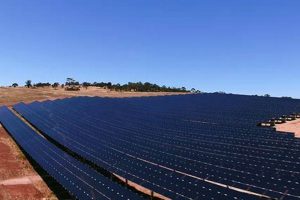
Germany’s energy transition, known as the Energiewende, aims to shift the nation’s energy supply to renewable sources. While lauded for its ambition, this transition faces significant challenges. These include integrating fluctuating renewable energy sources like solar and wind power into the existing grid infrastructure, managing energy storage solutions for periods of low renewable generation, and ensuring a reliable and affordable energy supply while phasing out conventional power plants. For instance, the intermittent nature of solar and wind power necessitates substantial investments in grid modernization and energy storage technologies to maintain a stable electricity supply.
Addressing these challenges is crucial for Germany’s long-term energy security, economic competitiveness, and achievement of climate goals. A successful energy transition can serve as a model for other nations, demonstrating the feasibility of a decarbonized energy system. Historically, Germany’s commitment to renewable energy stemmed from concerns about nuclear power and fossil fuel dependence. This commitment has driven substantial innovation in renewable energy technologies and policy mechanisms, positioning Germany as a global leader in the field. However, maintaining this leadership requires overcoming the significant hurdles currently faced.
The following sections will delve deeper into specific aspects of the German energy transition, examining the technical, economic, and political dimensions of this complex undertaking. These include a detailed analysis of grid management challenges, the role of energy storage, the impact on energy prices, and the future prospects of the Energiewende.
Addressing Challenges in Germany’s Renewable Energy Transition
This section offers practical strategies and policy recommendations to mitigate challenges associated with Germany’s transition to renewable energy sources.
Tip 1: Streamline Approval Processes for Grid Infrastructure Projects: Accelerated expansion of transmission and distribution networks is essential for accommodating the increasing influx of renewable energy. Bureaucratic hurdles and lengthy approval processes can significantly hinder progress. Streamlining these processes, potentially through designated “green lanes” for renewable energy projects, can expedite grid development.
Tip 2: Incentivize Private Investment in Energy Storage Solutions: Energy storage technologies, such as pumped hydro, batteries, and hydrogen storage, are crucial for managing the intermittency of renewable energy. Targeted policies, including tax incentives, subsidies, and streamlined permitting processes, can attract private investment in these technologies.
Tip 3: Foster Regional Cooperation on Grid Management: Enhanced coordination among neighboring countries can optimize grid stability and facilitate cross-border electricity trading. This can involve joint planning of transmission infrastructure, harmonization of grid regulations, and development of shared energy storage solutions.
Tip 4: Promote Demand-Side Management Strategies: Demand-side management involves adjusting energy consumption patterns to better match the availability of renewable energy. This can be achieved through smart grid technologies, time-of-use tariffs, and incentives for flexible energy consumption.
Tip 5: Invest in Research and Development of Next-Generation Renewable Energy Technologies: Continued innovation in renewable energy technologies is essential for driving down costs and improving efficiency. Targeted investments in research and development can accelerate the development and deployment of advanced solar and wind technologies, as well as emerging solutions like wave and tidal power.
Tip 6: Ensure a Just Transition for Affected Communities: The shift away from fossil fuels can have significant impacts on communities reliant on traditional energy industries. Supporting retraining programs, creating new job opportunities in the renewable energy sector, and providing financial assistance to affected regions can ensure a socially equitable energy transition.
Tip 7: Engage Public Support through Transparent Communication: Public acceptance is crucial for the success of the energy transition. Transparent communication about the benefits, costs, and challenges of renewable energy can foster understanding and build public support for the necessary changes.
Implementing these strategies can help Germany overcome the challenges of its energy transition, ensuring a secure, sustainable, and affordable energy future. These efforts can also provide valuable lessons for other nations pursuing similar transitions.
The concluding section will synthesize the key findings and offer a forward-looking perspective on the future of Germany’s Energiewende.
1. Grid Instability

Grid instability presents a significant challenge to Germany’s renewable energy transition (Energiewende). The increasing reliance on intermittent renewable energy sources, primarily solar and wind power, introduces fluctuations in electricity generation that the existing grid infrastructure struggles to accommodate. Managing these fluctuations is crucial for maintaining a reliable and secure electricity supply.
- Fluctuating Power Input:
Solar and wind power generation varies depending on weather conditions, leading to unpredictable power input into the grid. On a sunny, windy day, renewable sources can generate surplus electricity, while on cloudy, calm days, output can drop significantly. This variability requires sophisticated grid management systems to balance supply and demand in real-time.
- Frequency Deviations:
Grid frequency, a measure of the balance between electricity supply and demand, must be maintained within a narrow range for stable operation. Fluctuations in renewable energy generation can cause frequency deviations, potentially leading to grid instability and blackouts. This requires rapid response mechanisms to compensate for these fluctuations.
- Grid Congestion:
Renewable energy generation is often concentrated in specific regions, such as northern Germany for wind power. Transmitting this power to other parts of the country can overload existing transmission lines, leading to grid congestion. Addressing this requires significant investments in grid expansion and modernization, including the construction of new high-voltage transmission lines.
- Voltage Stability:
Maintaining voltage stability is essential for the reliable operation of electrical equipment. Fluctuations in renewable energy generation can impact voltage levels, potentially causing damage to sensitive equipment or triggering protective relays that disconnect parts of the grid. This necessitates advanced voltage control mechanisms to mitigate these risks. For example, decentralized grid management systems can help regulate voltage locally, improving overall grid stability.
These interconnected challenges highlight the importance of grid modernization and management in the context of Germany’s energy transition. Failure to address grid instability can undermine the reliability of the electricity supply, increase costs, and hinder the integration of larger shares of renewable energy. Successfully managing grid instability requires coordinated efforts across various sectors, including grid operators, policymakers, and technology developers, to ensure a smooth and efficient transition to a sustainable energy future.
2. Storage Limitations
Storage limitations represent a critical bottleneck in Germany’s renewable energy transition. The intermittent nature of renewable sources, such as solar and wind power, necessitates effective energy storage solutions to ensure a continuous and reliable power supply. Without sufficient storage capacity, Germany faces challenges in balancing fluctuating renewable generation with consumer demand, particularly during periods of low renewable output. This underscores the importance of addressing storage limitations to achieve a successful and sustainable energy transition.
- Limited Capacity of Pumped Hydro Storage:
Pumped hydro storage, a mature and relatively cost-effective technology, plays a significant role in Germany’s energy storage landscape. However, its potential for expansion is geographically constrained. Suitable locations for new pumped hydro facilities are limited, restricting the overall contribution of this technology to meeting growing storage needs. Existing reservoirs often face competing demands for water resources, further complicating expansion efforts.
- High Costs and Scalability Challenges of Battery Storage:
Battery storage offers greater flexibility in terms of location compared to pumped hydro. However, the high upfront costs of battery systems and the need for significant scaling up of production to meet national storage requirements remain substantial challenges. While battery technology continues to advance, achieving cost parity with other storage solutions and securing sufficient raw materials for large-scale deployment are crucial for wider adoption.
- Nascent Development of Hydrogen Storage:
Hydrogen storage, considered a promising long-term solution for seasonal energy storage, is still in its early stages of development. Significant technological advancements and cost reductions are required before hydrogen can become a viable large-scale storage option. Building the necessary infrastructure for hydrogen production, transport, and storage requires substantial investment and further research to overcome technical hurdles. For instance, the efficiency of hydrogen electrolysis and the durability of fuel cells are areas requiring continued innovation.
- Integration with Grid Infrastructure:
Effective integration of energy storage systems with the existing grid infrastructure is essential for maximizing their benefits. This requires advanced control systems, communication networks, and grid management strategies to optimize the charging and discharging of storage facilities based on real-time grid conditions. Furthermore, regulatory frameworks must adapt to accommodate the unique characteristics of different storage technologies and incentivize their deployment.
Overcoming these storage limitations is paramount for Germany’s energy transition. Insufficient storage capacity can lead to increased reliance on fossil fuel power plants during periods of low renewable generation, undermining the environmental benefits of the Energiewende. Addressing these challenges through a combination of technological advancements, policy support, and market mechanisms is crucial for achieving a secure, sustainable, and affordable energy future.
3. Intermittency Issues

Intermittency, the fluctuating nature of renewable energy sources like solar and wind, presents a core challenge to Germany’s energy transition (Energiewende). The unpredictable nature of these resources creates a mismatch between energy supply and demand, jeopardizing grid stability and necessitating complex management strategies. Understanding the intricacies of this intermittency issue is crucial for developing effective solutions and ensuring a reliable energy supply.
The primary cause of intermittency lies in the dependence of solar and wind power on weather conditions. Solar power generation fluctuates throughout the day, peaking at midday and dropping to zero at night. Similarly, wind power output varies with wind speeds, leading to unpredictable generation patterns. This variability poses significant challenges for grid operators, requiring them to constantly balance supply and demand to maintain grid stability. For example, a sudden drop in wind power output can create a power deficit, potentially leading to blackouts if not addressed promptly. Conversely, periods of high renewable generation can lead to oversupply, requiring curtailment of renewable energy production or utilization of storage solutions to prevent grid overload. This balancing act becomes increasingly complex as the share of renewables in the energy mix grows.
The practical implications of intermittency are substantial. Addressing this challenge requires significant investments in grid infrastructure, including expansion of transmission lines and development of smart grid technologies. Energy storage solutions, such as pumped hydro storage and battery systems, become essential for smoothing out fluctuations and ensuring a continuous power supply. Furthermore, demand-side management strategies, which encourage flexible energy consumption patterns, can help align demand with renewable energy availability. Forecasting technologies also play a vital role in predicting renewable energy generation and optimizing grid operations. Failure to address intermittency effectively can lead to increased energy costs, reduced grid reliability, and hinder the progress of the Energiewende. Successfully navigating these complexities requires a coordinated approach involving policymakers, grid operators, technology developers, and consumers to ensure a secure and sustainable energy future for Germany.
4. Cost Competitiveness

Cost competitiveness of renewable energy sources is a central factor influencing the success of Germany’s energy transition (Energiewende). While renewable energy technologies have experienced significant cost reductions in recent years, achieving and maintaining cost parity with conventional energy sources remains a critical challenge. The economic viability of the Energiewende depends on ensuring that renewable energy can compete effectively with fossil fuels and other alternatives, without imposing undue burdens on consumers or hindering economic growth. This necessitates ongoing efforts to drive down costs across the entire renewable energy value chain, from production and installation to operation and maintenance.
- Capital Costs of Renewable Energy Infrastructure:
The initial investment required for renewable energy projects, including wind turbines, solar panels, and grid infrastructure, can be substantial. While these costs have decreased significantly, they remain a barrier to widespread adoption, particularly for large-scale projects. Financing mechanisms and policy incentives play a crucial role in mitigating these upfront costs and attracting private investment.
- Operating and Maintenance Costs:
Operating and maintaining renewable energy facilities incur ongoing costs, which can vary depending on the technology and location. Minimizing these costs through efficient operation and maintenance practices is essential for improving the overall cost competitiveness of renewable energy. Technological advancements and economies of scale can contribute to further reductions in operating and maintenance expenses.
- Integration Costs into the Electricity Grid:
Integrating variable renewable energy sources into the existing electricity grid requires substantial investments in grid modernization and expansion. These costs, including upgrading transmission lines, developing smart grid technologies, and implementing grid management systems, are essential for accommodating the fluctuating nature of renewable energy and ensuring grid stability. However, these grid integration costs can add to the overall expense of the energy transition.
- Impact on Consumer Electricity Prices:
The transition to renewable energy can influence consumer electricity prices. While the decreasing costs of renewable energy generation can contribute to lower prices in the long term, various factors, such as grid integration costs and policy mechanisms, can affect short-term price fluctuations. Managing these price impacts and ensuring affordability for consumers is a key policy consideration in the Energiewende. For example, subsidies for renewable energy can increase consumer costs, while carbon pricing can make fossil fuels less competitive.
Successfully addressing cost competitiveness is crucial for the long-term viability of Germany’s energy transition. Balancing the need for investment in renewable energy infrastructure with affordability for consumers requires careful policy design and market mechanisms. Ongoing innovation, technological advancements, and efficient implementation strategies are essential for driving down costs and ensuring that renewable energy remains a cost-competitive option in the evolving energy landscape. The economic sustainability of the Energiewende ultimately depends on finding the right balance between promoting renewable energy growth and managing its economic impact.
5. Land Use Conflicts

Land use conflicts represent a significant challenge within Germany’s renewable energy transition (Energiewende). The increasing demand for land to accommodate renewable energy infrastructure, such as wind farms and solar parks, often clashes with other land uses, including agriculture, forestry, nature conservation, and residential areas. Balancing the need for land to support renewable energy deployment with competing demands requires careful planning, stakeholder engagement, and innovative solutions to minimize negative impacts and ensure the sustainable development of the energy sector.
- Competition with Agriculture:
Large-scale solar parks and wind farms can compete directly with agricultural land use, raising concerns about food security and the economic viability of farming operations. Finding suitable locations for renewable energy projects that minimize impacts on agricultural productivity and ensure continued food production is a critical challenge. For example, agrivoltaics, which combines agricultural land use with solar energy generation, offers a potential solution for co-existence.
- Impacts on Forests and Biodiversity:
Renewable energy infrastructure can encroach upon forested areas, leading to habitat loss and fragmentation, impacting biodiversity. Minimizing the footprint of renewable energy projects within forested areas and implementing mitigation measures to protect sensitive ecosystems are crucial for ensuring environmental sustainability. For instance, careful site selection and the use of existing infrastructure corridors can help reduce impacts on forests.
- Conflicts with Residential Areas:
The proximity of wind turbines to residential areas can raise concerns about noise pollution, visual impacts, and potential effects on property values. Addressing these concerns through community engagement, transparent planning processes, and appropriate siting guidelines is essential for fostering public acceptance of renewable energy projects. Setback distances, noise mitigation measures, and community benefit programs can help address these concerns.
- Designated Conservation Areas:
Developing renewable energy projects in or near designated conservation areas can conflict with conservation goals, potentially impacting protected species and habitats. Balancing the need for renewable energy with conservation priorities requires careful assessment of potential impacts, robust environmental impact assessments, and the implementation of mitigation and compensation measures to minimize negative effects. In some cases, alternative locations or technologies may be necessary to avoid impacts on sensitive conservation areas.
Successfully navigating land use conflicts is crucial for the successful implementation of the Energiewende. Developing strategies that minimize land use competition, protect biodiversity, address community concerns, and respect conservation priorities is essential for ensuring the sustainable and socially acceptable development of renewable energy in Germany. This requires a holistic approach that integrates land use planning, environmental protection, and community engagement into the decision-making process, fostering a balanced and equitable approach to renewable energy deployment.
6. Public Acceptance

Public acceptance plays a pivotal role in the success of Germany’s renewable energy transition (Energiewende). While widespread support exists for the overall goals of transitioning to a sustainable energy system, specific projects often face local opposition. This can manifest as resistance to wind farms near residential areas due to visual or noise concerns, or objections to large-scale solar parks that impact agricultural land. Such opposition can lead to delays in project approvals, increased costs, and even project cancellations, hindering the progress of the Energiewende. For instance, community resistance to transmission line construction necessary for connecting offshore wind farms to the mainland grid has caused significant delays and increased project expenses. Conversely, proactive community engagement and benefit-sharing initiatives, such as offering local residents discounted electricity rates or ownership stakes in renewable energy projects, can foster acceptance and accelerate project development.
Several factors influence public acceptance of renewable energy projects. These include perceived impacts on landscapes and property values, concerns about noise pollution, distrust of developers and government authorities, and a lack of understanding of the benefits of renewable energy. Effective communication strategies, transparent planning processes, and opportunities for public participation are essential for addressing these concerns and building trust. Real-life examples demonstrate the impact of public perception. The success of community-owned wind farms, where local residents directly benefit from the project, showcases the positive impact of inclusive ownership models. Conversely, projects imposed on communities without adequate consultation often face strong resistance, highlighting the importance of participatory approaches. Furthermore, educational campaigns that emphasize the benefits of renewable energy, such as job creation and reduced air pollution, can positively influence public opinion and foster greater acceptance.
Understanding the dynamics of public acceptance is crucial for navigating the complexities of Germany’s energy transition. Addressing public concerns, fostering trust, and ensuring that the benefits of renewable energy are shared equitably within communities are essential for overcoming project hurdles and accelerating the deployment of renewable energy technologies. The success of the Energiewende ultimately depends on achieving a balance between national energy goals and the needs and concerns of local communities. Failing to address public acceptance effectively can lead to project delays, increased costs, and ultimately, a slower transition to a sustainable energy future.
7. Geopolitical Factors

Geopolitical factors significantly influence Germany’s renewable energy transition (Energiewende), adding complexity to an already challenging undertaking. The country’s energy security, international commitments, and relationships with other nations play a crucial role in shaping the trajectory and success of the Energiewende. Understanding these geopolitical influences is essential for navigating the complexities of the energy transition and ensuring its long-term viability.
- Energy Security and Import Dependence:
Germany’s historical reliance on imported fossil fuels, particularly natural gas from Russia, has highlighted vulnerabilities in its energy security. The Energiewende, with its focus on domestic renewable energy sources, aims to reduce this dependence and enhance energy independence. However, the transition itself can create new dependencies, such as reliance on critical minerals required for renewable energy technologies. Diversifying supply chains and securing access to these resources are crucial geopolitical considerations. The war in Ukraine and subsequent disruption of Russian gas supplies underscored the urgency of this diversification and accelerated efforts to expand domestic renewable energy capacity.
- European Union Energy Policy:
Germany’s energy transition is intertwined with European Union energy policy. EU targets for renewable energy deployment and emissions reductions influence national policies and create a framework for regional cooperation. Harmonizing energy regulations, developing cross-border grid infrastructure, and establishing a common energy market are crucial for maximizing the benefits of renewable energy integration across the EU. For example, the EU’s push for a unified energy market can facilitate cross-border electricity trading, enabling Germany to export surplus renewable energy or import renewable power from neighboring countries during periods of low domestic generation.
- International Climate Agreements:
Germany’s commitment to the Paris Agreement and other international climate accords influences its domestic energy policies. Meeting these international commitments requires ambitious targets for reducing greenhouse gas emissions and transitioning to a low-carbon economy. The Energiewende serves as a key instrument for achieving these goals, demonstrating Germany’s leadership in international climate action. However, balancing national interests with international commitments can present challenges, particularly in the context of global energy markets and competing economic priorities.
- Technological Cooperation and Competition:
The global race to develop and deploy renewable energy technologies creates both opportunities and challenges for Germany. International collaboration on research and development can accelerate innovation and drive down costs. However, competition from other countries in the renewable energy sector can impact Germany’s domestic industry and its position as a global leader in renewable energy technology. Maintaining a competitive edge requires ongoing investment in research and development, fostering innovation, and supporting domestic manufacturing capabilities. For example, China’s dominance in the production of solar panels poses a challenge to German manufacturers, requiring strategic responses to maintain competitiveness.
These geopolitical factors are integral to understanding the complexities and challenges of Germany’s renewable energy transition. Balancing energy security concerns, international commitments, and economic competitiveness requires a nuanced approach that considers the global energy landscape and evolving geopolitical dynamics. The success of the Energiewende ultimately depends on navigating these challenges effectively and forging a path towards a sustainable and secure energy future within a complex geopolitical context. Furthermore, the experiences and lessons learned from the German energy transition can inform and influence energy policy decisions in other countries grappling with similar challenges.
Frequently Asked Questions about Germany’s Renewable Energy Transition
This section addresses common inquiries regarding the challenges and complexities of Germany’s transition to renewable energy sources.
Question 1: How does the intermittent nature of renewable energy sources impact grid stability in Germany?
The fluctuating output of solar and wind power requires sophisticated grid management solutions to balance supply and demand. Grid instability can arise from rapid changes in renewable generation, necessitating flexible backup power sources and advanced grid technologies.
Question 2: What role does energy storage play in addressing the intermittency challenges of renewable energy?
Energy storage technologies, such as pumped hydro and batteries, are crucial for storing excess renewable energy generated during periods of high output and releasing it during times of low generation. This helps bridge the gap between intermittent supply and consistent demand.
Question 3: How does the Energiewende impact electricity prices for consumers in Germany?
The transition’s impact on electricity prices is complex. While decreasing costs of renewable technologies can exert downward pressure on prices, grid expansion costs and policy mechanisms can influence short-term price fluctuations. Managing affordability for consumers remains a key policy concern.
Question 4: What are the main land use conflicts arising from the expansion of renewable energy infrastructure?
Competition for land between renewable energy projects and other uses, such as agriculture, forestry, and residential areas, creates land use conflicts. Careful planning, stakeholder engagement, and innovative solutions are needed to minimize negative impacts and ensure sustainable development.
Question 5: How does public acceptance influence the success of renewable energy projects in Germany?
Public support is essential for project success. Local opposition, often stemming from visual, noise, or property value concerns, can lead to delays or cancellations. Transparent planning processes, community engagement, and benefit-sharing initiatives are crucial for fostering acceptance.
Question 6: What geopolitical factors affect Germany’s renewable energy transition?
Energy security concerns, particularly dependence on imported fossil fuels, drive the push for greater energy independence through renewables. EU energy policy, international climate agreements, and technological competition also influence the trajectory and complexity of the energy transition. Recent events, such as the war in Ukraine, have further highlighted the geopolitical dimensions of energy security and the importance of domestic renewable energy sources.
Understanding these frequently asked questions provides valuable insights into the complexities and challenges associated with Germany’s renewable energy transition. Addressing these challenges effectively is crucial for ensuring a successful and sustainable energy future.
Further exploration of specific aspects of the Energiewende can be found in subsequent sections.
Conclusion
Germany’s ambitious energy transition, while laudable in its aims, faces significant hurdles. The inherent intermittency of renewable energy sources like wind and solar power necessitates robust grid management and substantial investment in energy storage solutions. Balancing the imperative for a rapid transition with economic realities and public acceptance presents a complex challenge. Land use conflicts, grid instability, and the geopolitical implications of shifting energy dependencies all demand careful consideration and innovative policy responses. The exploration of these challenges underscores the intricate interplay of technical, economic, social, and political factors shaping the Energiewende.
The future of Germany’s energy transition hinges on addressing these interconnected challenges effectively. Continued technological advancements in energy storage, grid modernization, and renewable energy generation are crucial. Equally important are policy frameworks that incentivize private investment, foster public acceptance, and ensure a just and equitable transition for all stakeholders. The success of the Energiewende holds significant implications not only for Germany’s own energy future but also for other nations embarking on similar transformative journeys towards a sustainable energy landscape. The lessons learned from Germany’s experience will undoubtedly inform and shape global efforts to decarbonize energy systems and mitigate the impacts of climate change. The path forward requires a sustained commitment to innovation, collaboration, and a steadfast focus on achieving a secure, sustainable, and affordable energy future.