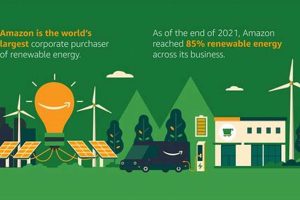
Companies specializing in providing electricity generated from sources like solar, wind, hydro, and geothermal power fulfill the crucial role of delivering sustainable energy options to consumers and businesses. For instance, a company might offer electricity sourced entirely from wind farms to its customers.
Facilitating the transition to a cleaner energy landscape is paramount in mitigating climate change and fostering energy independence. Historically, reliance on fossil fuels has dominated energy production. However, the growing awareness of environmental concerns and the increasing affordability of renewable technologies have fueled a significant shift toward sustainable practices. This transition allows individuals and organizations to actively reduce their carbon footprint and support environmentally responsible operations.
This understanding of the role and significance of sustainable power providers forms the foundation for exploring related topics, such as the various types of renewable sources, the economic implications of adopting sustainable energy practices, and the future of the renewable energy sector.
Tips for Choosing a Sustainable Electricity Provider
Selecting a provider aligned with sustainability goals requires careful consideration of several factors. The following tips offer guidance in navigating this process.
Tip 1: Verify Source Transparency. Look for providers that openly disclose the sources of their energy generation. Transparency ensures that the electricity purchased genuinely comes from renewable sources.
Tip 2: Compare Renewable Energy Mixes. Different providers may utilize varying mixes of renewable sources (wind, solar, hydro, etc.). Consider which mix aligns with individual preferences or regional advantages.
Tip 3: Evaluate Contract Terms and Pricing. Carefully review contract lengths, early termination fees, and pricing structures. Compare offerings from multiple providers to ensure competitive rates and flexible terms.
Tip 4: Investigate Certifications and Accreditations. Look for providers certified by reputable organizations that verify their commitment to sustainable practices and adherence to industry standards. This adds a layer of credibility to their claims.
Tip 5: Consider Additional Services and Programs. Some providers offer additional services such as energy efficiency audits, carbon offset programs, or community solar initiatives. These can further enhance the overall sustainability impact.
Tip 6: Research Company Reputation and Customer Reviews. Examine the provider’s reputation and customer reviews to gauge their reliability, customer service, and commitment to sustainability.
Tip 7: Assess Long-Term Sustainability Goals. Consider the provider’s long-term commitment to renewable energy development and their plans for future investment in sustainable infrastructure.
By considering these factors, individuals and organizations can confidently select a provider that aligns with their sustainability objectives and contributes to a cleaner energy future.
With these tips in mind, one can proceed to making an informed decision about selecting a sustainable electricity provider, paving the way for a more environmentally conscious energy consumption pattern.
1. Source Transparency

Source transparency is a critical aspect of evaluating renewable energy suppliers. It refers to the openness and accessibility of information regarding the origin of the electricity provided. Transparency empowers consumers to make informed decisions aligned with their sustainability goals and holds suppliers accountable for their environmental impact.
- Fuel Mix Disclosure:
A transparent supplier provides a detailed breakdown of its energy generation sources, specifying the percentage derived from wind, solar, hydro, geothermal, or biomass. For example, a supplier might disclose a mix of 60% wind, 30% solar, and 10% hydro. This disclosure allows consumers to choose suppliers committed to their preferred renewable resources.
- Generation Location:
Transparency extends to disclosing the geographic location of generation facilities. Knowing whether electricity comes from a local wind farm or a distant solar array can influence consumer choices based on supporting regional projects or minimizing transmission losses. This information can also be relevant for consumers interested in supporting specific communities or regions.
- Environmental Impact Reporting:
Transparent suppliers often provide data on the environmental impact of their operations, such as greenhouse gas emissions avoided or water usage. This information enables consumers to compare suppliers based on their overall environmental performance and choose those with the lowest impact. Some suppliers may also provide information on land use and other environmental considerations.
- Third-Party Verification:
Independent audits and certifications by reputable organizations provide further validation of a supplier’s transparency claims. These verifications offer an additional layer of assurance that the disclosed information accurately reflects the supplier’s practices and adherence to established standards.
By prioritizing source transparency, consumers can contribute to a more accountable and sustainable energy market. This transparency fosters trust between suppliers and consumers, driving further development and adoption of renewable energy resources. Furthermore, access to comprehensive and reliable information empowers informed decision-making and encourages greater participation in the transition to a cleaner energy future.
2. Energy Mix

The energy mix offered by a renewable energy supplier represents the specific combination of renewable sources from which they generate electricity. This mix is a crucial factor for consumers seeking alignment with specific sustainability preferences or regional energy priorities. Understanding the composition of an energy mix allows for informed decision-making and supports the growth of preferred renewable energy technologies.
- Source Diversity:
An energy mix can encompass various sources such as wind, solar, hydro, geothermal, and biomass. A diverse mix can enhance grid stability by balancing the intermittency of individual sources. For example, combining wind power with solar power can provide a more consistent energy supply, as solar generation peaks during the day while wind power can contribute more during the night or cloudy periods. A concentrated mix, on the other hand, might be preferable for consumers interested in supporting specific technologies or regional resources.
- Geographic Considerations:
The geographic location of generation sources within an energy mix reflects regional resource availability and influences the environmental impact of energy transmission. Sourcing electricity from local wind farms, for example, reduces transmission losses and supports regional economic development. Conversely, reliance on distant solar farms might entail higher transmission costs and environmental impacts associated with long-distance power lines.
- Environmental Impact:
Each renewable source within an energy mix carries distinct environmental implications. Hydropower, while renewable, can impact aquatic ecosystems. Wind turbines can affect bird and bat populations. Understanding these impacts enables consumers to choose suppliers whose energy mix aligns with their environmental priorities. Suppliers may prioritize sources with minimal environmental impact, such as solar power in areas with low ecological sensitivity.
- Technological Advancements:
An energy mix can reflect the adoption of newer, more efficient renewable energy technologies. A supplier incorporating cutting-edge solar panel technology or advanced wind turbine designs demonstrates a commitment to innovation and maximizing the effectiveness of renewable energy generation. This focus on technological advancement can lead to increased efficiency, reduced costs, and a lower overall environmental impact. For instance, a supplier utilizing advanced geothermal technologies can access deeper and hotter resources, increasing energy output.
The energy mix provided by a renewable energy supplier is a multifaceted factor that directly influences consumer choice and the overall trajectory of the renewable energy sector. Carefully evaluating the components of an energy mix empowers consumers to support specific renewable technologies, minimize environmental impact, and contribute to a balanced and sustainable energy future. A well-structured energy mix, informed by these considerations, is fundamental to the long-term viability and success of renewable energy suppliers.
3. Pricing Structure

Pricing structure is a critical component of renewable energy supply, directly influencing consumer adoption and market competitiveness. Understanding the various pricing models employed by suppliers is essential for evaluating the long-term cost-effectiveness and accessibility of renewable energy options. A transparent and well-designed pricing structure fosters consumer trust and encourages broader participation in the transition to sustainable energy.
- Fixed-Rate Pricing
Fixed-rate pricing offers stability and predictability, with a consistent price per kilowatt-hour (kWh) over a defined contract period. This protects consumers from market price fluctuations but may not reflect the actual cost of renewable energy generation, which can vary. Fixed-rate contracts can be attractive to consumers seeking budget certainty but may limit potential savings if market prices decline. For suppliers, fixed-rate pricing simplifies revenue projections but carries the risk of misaligned pricing if generation costs change significantly.
- Variable-Rate Pricing
Variable-rate pricing reflects real-time market fluctuations in energy prices. This can lead to potential cost savings during periods of low demand but also exposes consumers to price increases during peak periods. Variable-rate pricing offers greater price transparency linked to actual generation costs but requires consumers to actively monitor energy usage and market trends. Suppliers utilizing variable-rate pricing can more accurately reflect generation costs but face the challenge of unpredictable revenue streams.
- Time-of-Use (TOU) Pricing
TOU pricing structures vary electricity rates based on the time of day, typically offering lower prices during off-peak hours and higher prices during peak demand periods. This incentivizes consumers to shift energy consumption away from peak times, reducing strain on the grid and potentially lowering overall energy costs. TOU pricing can promote more efficient energy use and grid stability but requires consumers to adapt their consumption patterns. Suppliers can utilize TOU pricing to better manage grid load and incentivize responsible energy use.
- Tiered Pricing
Tiered pricing structures establish different price levels based on consumption thresholds. Lower tiers typically offer lower prices for essential energy usage, while higher tiers apply higher rates to excessive consumption. This model encourages energy conservation and can offer affordability for lower-consumption households, while higher consumers pay a premium for greater usage. Tiered pricing provides a mechanism for suppliers to manage demand and promote responsible energy consumption while ensuring equitable access to essential electricity services.
Pricing structures are a crucial element of renewable energy supply, influencing consumer behavior and market dynamics. A well-designed pricing structure balances affordability, transparency, and incentives for responsible energy use. By understanding the various pricing models available, consumers can make informed decisions that align with their budgetary and sustainability goals, contributing to the growth and stability of the renewable energy market. The interplay between pricing structures, consumer preferences, and supplier strategies will continue to shape the evolution of the renewable energy landscape.
4. Contract Terms
Contract terms define the legal agreement between a renewable energy supplier and the consumer, outlining the rights, responsibilities, and specific conditions of service. Careful consideration of these terms is crucial for ensuring a mutually beneficial and transparent relationship, safeguarding consumer interests, and promoting accountability within the renewable energy market. A clear understanding of contract terms empowers consumers to make informed decisions and navigate the complexities of renewable energy procurement.
- Contract Duration
Contract duration specifies the length of the agreement between the supplier and consumer, typically ranging from short-term agreements of a few months to long-term contracts spanning several years. Shorter contracts offer flexibility but may be subject to price fluctuations upon renewal. Longer contracts provide price stability but can limit options if market conditions change or better offers emerge. The chosen contract duration should align with individual risk tolerance and long-term energy consumption projections. For example, a homeowner anticipating significant changes in energy usage due to planned renovations might opt for a shorter contract.
- Renewal Provisions
Renewal provisions outline the process for extending the contract beyond the initial term. Automatic renewal clauses may simplify the process but can lock consumers into potentially unfavorable terms. Manual renewal provisions offer greater control but require proactive engagement to avoid service interruption. Clarity regarding renewal terms, notification periods, and potential price adjustments upon renewal is essential for avoiding unexpected costs or service disruptions. For instance, a contract might stipulate a 30-day notification period for non-renewal to avoid automatic continuation.
- Termination Clause
Termination clauses define the conditions under which the contract can be terminated before its expiration. These clauses may include provisions for early termination fees, specific grounds for termination without penalty (e.g., breach of contract, relocation), and required notification periods. Understanding termination clauses is crucial for mitigating potential financial penalties and ensuring a smooth exit from the contract if circumstances change. A business relocating to a new premises might need to terminate a contract early, necessitating careful consideration of associated fees.
- Performance Guarantees
Performance guarantees outline the supplier’s commitment to providing reliable and consistent service, often addressing issues like uptime, energy delivery, and responsiveness to service interruptions. These guarantees can include specific metrics and remedies for failure to meet performance standards, such as credits or compensation for service disruptions. Clear performance guarantees provide accountability and protect consumers from unreliable service or unexpected costs associated with service interruptions. For example, a supplier might guarantee 99.9% uptime and offer compensation for extended outages.
Contract terms form the foundation of the supplier-consumer relationship in the renewable energy market. A thorough understanding of these terms, including contract duration, renewal provisions, termination clauses, and performance guarantees, empowers consumers to navigate the complexities of renewable energy procurement and ensures a transparent and mutually beneficial agreement. Careful evaluation of contract terms contributes to informed decision-making, promotes accountability within the renewable energy sector, and safeguards consumer interests in the transition to a sustainable energy future. These contractual details, often overlooked, play a significant role in the long-term satisfaction and effectiveness of renewable energy solutions.
5. Company Reputation

Company reputation significantly influences consumer trust and market competitiveness within the renewable energy sector. A strong reputation, built on demonstrable commitment to sustainable practices, ethical conduct, and reliable service, fosters consumer confidence and encourages wider adoption of renewable energy solutions. Conversely, a negative reputation can erode consumer trust and hinder market growth. Evaluating company reputation requires a comprehensive assessment of various factors that reflect the supplier’s values, operational practices, and customer interactions.
- Transparency and Disclosure
Transparency in disclosing energy sources, pricing structures, and environmental impact builds trust and allows consumers to make informed decisions. Openly communicating about operational practices and engaging with stakeholder concerns demonstrates accountability and strengthens public perception. Conversely, a lack of transparency raises concerns about hidden costs, questionable practices, and potential greenwashing, undermining consumer confidence. For example, a supplier openly sharing its fuel mix and sourcing practices fosters trust, while a supplier concealing this information raises doubts about its commitment to transparency.
- Customer Service and Satisfaction
Responsive and effective customer service contributes significantly to a positive company reputation. Promptly addressing customer inquiries, resolving issues efficiently, and providing clear and accessible information cultivates customer loyalty and fosters positive word-of-mouth referrals. Negative customer experiences, characterized by unresponsive service, unresolved issues, or misleading information, can quickly damage reputation and deter potential customers. Online reviews and customer testimonials provide valuable insights into the quality of customer service and overall customer satisfaction.
- Industry Recognition and Certifications
Industry awards, certifications from reputable organizations (e.g., Green-e Energy, Renewable Energy Certificates), and endorsements from independent bodies validate a company’s commitment to sustainable practices and enhance its credibility. These recognitions provide external validation of the supplier’s claims and offer consumers assurance of quality and ethical conduct. For example, a supplier certified by a recognized renewable energy organization gains credibility and strengthens its reputation for sustainability.
- Community Engagement and Social Responsibility
Active participation in community initiatives, support for local renewable energy projects, and demonstrable commitment to social responsibility enhance a company’s reputation and foster positive relationships with stakeholders. Investing in local communities, promoting educational programs, and advocating for sustainable policies demonstrate a broader commitment to environmental and social well-being. Conversely, a lack of community engagement or involvement in controversial activities can negatively impact public perception and damage reputation.
Company reputation serves as a crucial indicator of trustworthiness and reliability within the renewable energy market. By carefully considering factors such as transparency, customer service, industry recognition, and community engagement, consumers can make informed decisions about their energy choices and support suppliers that align with their values. A strong company reputation not only benefits individual suppliers but also contributes to the overall growth and credibility of the renewable energy sector, fostering greater public confidence and accelerating the transition to a sustainable energy future. The interplay between company reputation, consumer trust, and market competitiveness underscores the importance of ethical conduct and sustainable practices within the renewable energy industry.
6. Sustainability Certifications

Sustainability certifications play a crucial role in validating the environmental claims of renewable energy suppliers. These certifications, awarded by independent third-party organizations, provide standardized criteria and verification processes to assess the sustainability performance of energy providers. They offer a tangible and credible way for consumers to identify suppliers genuinely committed to renewable energy and sustainable practices. This connection between certifications and suppliers fosters market transparency, builds consumer trust, and drives continuous improvement within the renewable energy sector. For example, the Green-e Energy certification, a widely recognized standard, verifies that electricity sold comes from renewable resources, meets rigorous environmental standards, and adheres to consumer protection requirements. Similarly, Renewable Energy Certificates (RECs) represent the environmental attributes of one megawatt-hour (MWh) of renewable electricity generated and can be purchased by suppliers to demonstrate their commitment to renewable energy sourcing.
The presence of sustainability certifications offers several practical advantages for both consumers and the renewable energy market. For consumers, certifications simplify the process of identifying and selecting reputable suppliers, reducing the complexity of evaluating various environmental claims and ensuring that their energy choices align with their sustainability goals. For the market, certifications establish a level playing field, promoting fair competition among suppliers and encouraging continuous improvement in sustainability performance. They also provide a mechanism for tracking and quantifying renewable energy generation, supporting policy initiatives and market-based mechanisms aimed at promoting renewable energy adoption. The absence of certifications can raise concerns about greenwashing, where companies exaggerate or misrepresent their environmental credentials, potentially misleading consumers and undermining confidence in the renewable energy market. The rigorous standards enforced by reputable certification bodies help mitigate this risk and enhance the credibility of certified suppliers.
In conclusion, sustainability certifications function as a vital link between renewable energy suppliers and informed consumers. They provide a robust framework for assessing and verifying the environmental performance of energy providers, fostering transparency, accountability, and trust within the renewable energy market. The practical significance of these certifications lies in their ability to empower consumers to make informed choices, drive market competition based on verifiable sustainability criteria, and ultimately accelerate the transition towards a cleaner and more sustainable energy future. However, ongoing challenges include ensuring the accessibility and affordability of certification processes for smaller suppliers and maintaining the rigor and credibility of certification standards in a rapidly evolving energy landscape.
7. Additional Services

Additional services offered by renewable energy suppliers represent value-added offerings beyond the core provision of renewable electricity. These services can significantly enhance the customer experience, promote energy efficiency, and contribute to a more comprehensive approach to sustainability. The connection between these services and the core offering lies in the supplier’s ability to provide holistic solutions that address broader customer needs and contribute to a more sustainable energy ecosystem. For example, a supplier offering energy audits helps customers identify areas for energy conservation within their homes or businesses, complementing the supply of renewable electricity with strategies to reduce overall energy consumption. Similarly, offering carbon offset programs allows customers to neutralize their remaining carbon footprint by investing in projects that reduce greenhouse gas emissions elsewhere, further enhancing the overall sustainability impact of their energy choices. The availability of such services can influence consumer decisions, as customers may prioritize suppliers offering a more comprehensive suite of sustainability-focused solutions.
Several practical implications arise from the integration of additional services within the renewable energy supply model. From a consumer perspective, these services offer opportunities to personalize energy solutions, optimize energy usage, and actively participate in broader sustainability initiatives. For instance, smart home energy management tools provided by a supplier can enable customers to monitor and control energy consumption in real-time, leading to greater efficiency and cost savings. From a supplier perspective, offering these services can enhance customer loyalty, differentiate their offerings in a competitive market, and position them as leaders in the transition to a more sustainable energy future. Moreover, some additional services, such as community solar programs, can facilitate broader access to renewable energy for customers who may not have the resources or infrastructure to install their own solar panels. These programs allow customers to subscribe to a shared solar project and receive credits on their electricity bills, expanding the benefits of renewable energy to a wider audience.
In summary, additional services offered by renewable energy suppliers represent a crucial element in the evolution of the sustainable energy landscape. They move beyond the simple provision of renewable electricity to encompass a broader range of solutions that empower customers, enhance energy efficiency, and promote wider adoption of sustainable practices. The connection between these services and the core offering strengthens the supplier-customer relationship, drives market innovation, and contributes to a more holistic approach to sustainability. However, challenges remain in ensuring the affordability and accessibility of these services for all customer segments and in establishing clear standards and metrics for evaluating the effectiveness and environmental impact of various additional service offerings. Addressing these challenges will be essential for maximizing the potential of additional services to accelerate the transition to a cleaner, more sustainable energy future.
Frequently Asked Questions
Addressing common inquiries regarding renewable energy suppliers clarifies key aspects of sustainable energy procurement and facilitates informed decision-making.
Question 1: How does one identify a reputable renewable energy supplier?
Reputable suppliers demonstrate transparency regarding energy sources, pricing, and environmental impact. Independent certifications, positive customer reviews, and industry recognition further indicate trustworthiness.
Question 2: Are renewable energy sources consistently reliable?
While individual sources like solar and wind are inherently intermittent, suppliers mitigate this through diversified energy portfolios, grid management strategies, and energy storage solutions.
Question 3: Is switching to a renewable energy supplier complex or time-consuming?
The switching process is typically straightforward, often involving online registration or a brief phone call. Suppliers manage the transition seamlessly, minimizing disruption to the customer.
Question 4: Are renewable energy contracts typically long-term commitments?
Contract durations vary among suppliers, offering flexibility to align with individual needs. Short-term, long-term, and month-to-month options are often available.
Question 5: How does the cost of renewable energy compare to traditional fossil fuel-based electricity?
The cost of renewable energy has decreased significantly, making it increasingly competitive with traditional sources. Long-term cost savings are also possible through energy efficiency programs and reduced reliance on fluctuating fossil fuel prices.
Question 6: What additional benefits might a renewable energy supplier offer?
Many suppliers offer additional services such as energy audits, carbon offset programs, smart home energy management tools, and community solar initiatives, enhancing overall sustainability efforts.
Understanding these key aspects of renewable energy supply empowers consumers to make informed choices aligned with their sustainability goals and contribute to a cleaner energy future.
For further information regarding specific supplier offerings and regional availability, consulting individual supplier websites and local regulatory agencies is recommended.
Conclusion
Careful selection of a renewable energy supplier is paramount for consumers and businesses committed to environmental stewardship. This exploration has highlighted crucial aspects to consider, including source transparency, energy mix composition, pricing structures, contract terms, company reputation, sustainability certifications, and the availability of additional services. Each element contributes significantly to a comprehensive evaluation of a supplier’s commitment to genuine sustainability and customer value.
The transition to a sustainable energy future hinges on informed decision-making. Empowered by the insights provided, consumers can confidently navigate the complexities of renewable energy procurement, driving market demand for responsible practices and contributing to a cleaner, more resilient energy landscape. The future of energy depends on active participation and discerning choices within the evolving renewable energy market.