Community-based power generation from sustainable sources, such as solar, wind, hydro, and biomass, offers a localized approach to meeting energy demands. For instance, a locally-sourced wind farm can provide electricity to nearby homes and businesses, reducing reliance on distant, large-scale power plants. This decentralized model can enhance grid resilience, lower transmission losses, and stimulate local economies.
Distributed generation contributes to environmental sustainability by reducing greenhouse gas emissions and promoting energy independence. Historically, reliance on fossil fuels has created both environmental challenges and geopolitical dependencies. The shift towards locally-sourced renewables addresses these issues by diversifying energy portfolios and fostering self-sufficiency. This approach empowers communities to take control of their energy future and contribute to a more sustainable world.
The following sections will explore specific examples of community-based renewable energy projects, examine the economic and social impacts of this transition, and discuss the policy landscape that supports its growth and development.
Tips for Supporting Local Renewable Energy Initiatives
Successful community-based renewable energy projects require careful planning and community engagement. The following tips offer guidance for individuals and organizations interested in supporting these initiatives.
Tip 1: Research Local Resources: Assess the renewable energy potential of the region. Wind maps, solar irradiance data, and biomass availability studies can help determine the most suitable renewable energy sources.
Tip 2: Engage with the Community: Building consensus and addressing community concerns are crucial. Public forums, educational workshops, and stakeholder meetings can foster transparency and encourage participation.
Tip 3: Explore Funding Opportunities: Grants, tax incentives, and community investment programs can provide financial support for renewable energy projects. Research available funding options and develop a comprehensive financial plan.
Tip 4: Collaborate with Experts: Partnering with experienced engineers, developers, and financial advisors can ensure project feasibility and successful implementation.
Tip 5: Advocate for Supportive Policies: Engage with local policymakers to promote regulations and incentives that encourage renewable energy development.
Tip 6: Monitor and Evaluate Performance: Regularly assess the environmental and economic impacts of the project. Performance data can inform future project development and optimize energy generation.
Tip 7: Promote Education and Outreach: Share project successes and lessons learned with other communities. Educational programs and outreach initiatives can inspire wider adoption of renewable energy solutions.
By embracing these strategies, communities can create sustainable energy systems that benefit both the environment and the local economy. These initiatives contribute to a cleaner energy future and empower communities to take control of their energy destiny.
In conclusion, the transition to community-based renewable energy offers a promising path towards a more sustainable future. The combined efforts of individuals, communities, and policymakers can accelerate this transformation and create a more resilient and environmentally responsible energy landscape.
1. Sustainable Power Generation

Sustainable power generation forms the bedrock of community-based renewable energy systems. It represents a shift away from environmentally damaging fossil fuels towards clean, renewable sources like solar, wind, hydro, and biomass. This transition is essential for mitigating climate change and ensuring long-term energy security. The environmental impact of conventional energy sources necessitates exploration and adoption of sustainable alternatives. Renewable energy sources minimize greenhouse gas emissions, reduce air and water pollution, and decrease reliance on finite resources. For example, a community-owned solar farm can significantly reduce a region’s carbon footprint while providing a stable, local power supply. Similarly, utilizing agricultural waste for biomass energy production can create a closed-loop system, reducing landfill waste and generating clean energy.
The integration of sustainable power generation within community-based energy systems offers numerous benefits. It fosters local economic development through job creation in the renewable energy sector and reduces reliance on external energy markets. Furthermore, it enhances energy independence, providing communities with greater control over their energy production and distribution. This localized approach to energy also increases grid resilience, minimizing vulnerability to widespread outages caused by extreme weather events or disruptions to centralized power grids. Consider a rural community powered by a combination of wind and solar energy; this diversified approach ensures a consistent power supply even when one source is intermittent.
Sustainable power generation presents a pathway towards a more environmentally and economically sound energy future. While challenges remain in terms of initial investment costs and technological advancements, the long-term benefits of reduced environmental impact, enhanced energy security, and localized economic growth make this transition imperative. Addressing these challenges requires collaborative efforts between communities, policymakers, and the private sector to develop innovative financing mechanisms, streamline regulatory processes, and promote public awareness of the advantages of sustainable power generation. The shift towards community-based renewable energy is not merely a technological advancement; it represents a fundamental change in how we produce and consume energy, paving the way for a more sustainable and resilient future.
2. Community Ownership

Community ownership represents a cornerstone of successful, localized renewable energy transitions. It fosters a sense of shared responsibility and empowers local stakeholders to actively participate in shaping their energy future. When communities own and operate renewable energy projects, the economic benefits, including job creation and revenue generation, directly benefit the community itself. This localized economic stimulus can revitalize rural areas and create a more equitable distribution of wealth. Furthermore, community ownership promotes energy independence, reducing reliance on external energy markets and enhancing local control over energy production and distribution. For example, a community-owned wind farm can provide stable electricity prices and protect residents from volatile fossil fuel markets. This ownership model also fosters greater transparency and accountability in energy decision-making, ensuring that projects align with community values and priorities.
Real-world examples demonstrate the practical significance of community ownership in renewable energy projects. In some regions, community-owned solar cooperatives allow residents to invest in and benefit from local solar installations, even if they cannot install solar panels on their own property. Similarly, community-owned hydropower projects can provide clean energy while preserving local water resources. These initiatives not only generate clean energy but also strengthen community bonds and empower residents to actively contribute to a sustainable future. The participatory nature of community ownership facilitates a smoother integration of renewable energy projects into the local landscape, as projects are designed and implemented with community input and support. This approach minimizes potential conflicts and ensures that projects align with local environmental and social considerations.
Community ownership, therefore, constitutes more than just a financing model; it represents a paradigm shift in how energy systems are conceived, developed, and managed. It empowers communities to take control of their energy future, creating a more equitable, resilient, and sustainable energy landscape. Challenges such as access to capital and technical expertise require careful consideration, but successful community-owned projects worldwide demonstrate the viability and transformative potential of this approach. By fostering local ownership and control, communities can drive the transition towards a cleaner, more democratic, and locally beneficial energy system. This fosters a more resilient energy future, less susceptible to external market fluctuations and disruptions.
3. Local Resource Utilization

Local resource utilization forms a critical component of Hawthorne-style renewable energy systems, maximizing efficiency and minimizing environmental impact. By prioritizing locally available renewable resources, such as solar, wind, biomass, or geothermal, these systems reduce reliance on external energy sources and the associated transportation costs and emissions. This approach strengthens local economies by creating jobs in renewable energy development, operation, and maintenance, while also fostering energy independence and community resilience. For example, a community utilizing local wood waste for biomass energy production reduces landfill burden and creates a closed-loop system, maximizing resource efficiency. This localized approach also reduces the community’s vulnerability to disruptions in external energy supply chains, enhancing energy security.
The practical significance of local resource utilization extends beyond immediate economic and environmental benefits. It fosters community engagement and ownership, empowering local stakeholders to actively participate in shaping their energy future. This localized approach allows for customized energy solutions tailored to the specific needs and resources of a given area. For instance, a coastal community might prioritize wave energy, while an agricultural region might focus on biomass from crop residues. This adaptability ensures that renewable energy systems are optimally designed and integrated into the local environment, maximizing their effectiveness and minimizing potential negative impacts. Furthermore, prioritizing local resources reduces pressure on sensitive ecosystems and habitats often impacted by large-scale resource extraction, promoting overall environmental sustainability.
In summary, local resource utilization plays a vital role in optimizing Hawthorne-style renewable energy systems. It strengthens local economies, enhances energy security, minimizes environmental impact, and fosters community engagement. While challenges such as resource assessment and infrastructure development require careful consideration, the benefits of a localized approach are substantial. By maximizing the use of available local resources, communities can create resilient, sustainable, and economically viable energy systems tailored to their unique needs and characteristics. This approach aligns with the core principles of community-based renewable energy, promoting a more decentralized and democratically controlled energy future.
4. Reduced Carbon Footprint

Minimizing greenhouse gas emissions is a central objective of community-based renewable energy systems. These systems inherently contribute to a reduced carbon footprint compared to conventional fossil fuel-based energy sources. This reduction is crucial for mitigating climate change and its associated environmental and societal impacts. Transitioning to locally generated renewable energy directly addresses the urgent need for decarbonizing energy production and consumption.
- Lower Emissions from Energy Generation:
Renewable energy sources, such as solar, wind, and hydro, produce electricity without emitting greenhouse gases. This contrasts sharply with fossil fuel power plants, which release significant amounts of carbon dioxide and other pollutants during combustion. The inherent cleanliness of renewable energy generation directly translates into a smaller carbon footprint for communities transitioning to these sources. For example, replacing a coal-fired power plant with a wind farm eliminates the emissions associated with coal extraction, transportation, and combustion.
- Reduced Reliance on Fossil Fuel Transportation:
Community-based renewable energy reduces the need to transport fossil fuels over long distances. This localized approach minimizes the emissions associated with fuel transportation, including emissions from trucks, trains, and pipelines. By generating power locally, communities reduce their dependence on extensive and often environmentally damaging transportation networks. This contributes to a lower carbon footprint and enhances energy independence.
- Enhanced Energy Efficiency through Decentralization:
Decentralized energy systems, inherent in the community-based renewable energy model, often lead to improved energy efficiency. Reduced transmission losses, a common issue with large centralized grids, contribute to a lower overall carbon footprint. By generating and distributing power closer to consumption points, these systems minimize energy waste during transmission and distribution. Furthermore, localized generation often encourages more conscious energy consumption within the community, further reducing the overall carbon footprint.
- Carbon Sequestration Opportunities with Biomass:
Certain renewable energy sources, such as biomass utilizing sustainable forestry practices, can contribute to carbon sequestration. Trees absorb carbon dioxide as they grow, effectively removing it from the atmosphere. When this biomass is used for energy production, it creates a closed-loop carbon cycle. While careful management is essential to ensure sustainability, biomass energy offers the potential to actively reduce atmospheric carbon dioxide levels, further contributing to a smaller carbon footprint. This contrasts with fossil fuels, which release carbon that has been sequestered underground for millions of years.
These facets of reduced carbon footprint demonstrate the significant environmental advantages of Hawthorne-style renewable energy systems. By transitioning to locally generated, community-owned renewable energy, communities contribute directly to climate change mitigation and create a more sustainable energy future. The cumulative effect of lower emissions, reduced transportation dependence, enhanced efficiency, and carbon sequestration opportunities positions community-based renewable energy as a critical pathway towards a decarbonized world.
5. Economic Revitalization

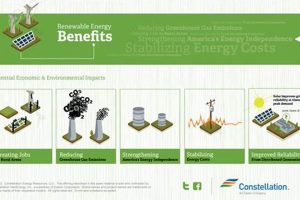
Community-based renewable energy initiatives offer significant potential for economic revitalization, particularly in rural areas and communities traditionally dependent on declining industries. These initiatives stimulate local economies through job creation, increased investment, and the development of new revenue streams. The transition to locally-sourced renewable energy represents not only an environmental imperative but also an opportunity for sustainable economic growth.
- Job Creation:
Renewable energy projects generate employment opportunities across various stages, from development and construction to operation and maintenance. These jobs are often localized, directly benefiting community members. For instance, the construction of a wind farm requires skilled labor for turbine installation and grid connection, while ongoing maintenance creates long-term employment opportunities for technicians and engineers. Furthermore, the development of local renewable energy supply chains can stimulate growth in related industries, such as manufacturing and logistics, further expanding economic benefits. These newly created jobs often offer competitive wages and benefits, contributing to improved living standards within the community.
- Investment and Revenue Generation:
Renewable energy projects attract investment from various sources, including community members, private investors, and government grants. This influx of capital stimulates economic activity and creates new revenue streams for the community. For example, community-owned solar projects can generate revenue through electricity sales, providing a stable income stream for local residents. These revenues can be reinvested in community development projects, such as infrastructure improvements or educational programs, further enhancing economic revitalization. Furthermore, the presence of renewable energy infrastructure can increase property values and attract new businesses to the area, creating a positive feedback loop for economic growth.
- Reduced Energy Costs:
Locally generated renewable energy can stabilize and potentially reduce energy costs for residents and businesses. This cost reduction frees up financial resources for other investments, stimulating economic activity. For example, lower electricity bills for businesses can increase profitability and allow for expansion, creating additional jobs and boosting local economic output. Reduced energy costs for households increase disposable income, further stimulating local consumption and supporting small businesses. This cost stability also provides protection against volatile fossil fuel markets, enhancing long-term economic resilience.
- Enhanced Energy Independence:
Community-based renewable energy reduces reliance on external energy sources and the associated costs of importing fossil fuels. This enhanced energy independence strengthens local economies by keeping energy dollars within the community. For instance, a community generating its own electricity from solar and wind resources reduces the outflow of funds to external energy providers. This retained capital can be reinvested in local businesses and infrastructure, further bolstering economic revitalization. Energy independence also enhances community resilience, minimizing vulnerability to external energy price shocks and supply disruptions.
These interconnected facets of economic revitalization demonstrate the transformative potential of community-based renewable energy. By generating local jobs, attracting investment, reducing energy costs, and enhancing energy independence, these initiatives create a more resilient and prosperous future for communities. This holistic approach to economic development aligns with the core principles of sustainability, ensuring that economic growth benefits both the community and the environment. The transition to renewable energy, therefore, represents not only a path towards a cleaner energy future but also a catalyst for lasting economic revitalization.
6. Energy Independence

Energy independence, a core tenet of community-based renewable energy systems, signifies a community’s capacity to generate and control its energy supply. This self-reliance reduces dependence on external energy markets, often characterized by fluctuating prices and potential supply disruptions. Community-owned renewable energy generation, like a locally-sourced wind farm, enables communities to determine their energy future, lessening vulnerability to external pressures. This localized approach aligns with the principles of energy democracy, empowering communities to actively participate in energy decisions and fostering greater control over energy costs and accessibility. A practical example can be observed in communities utilizing microgrids powered by solar and battery storage, effectively isolating themselves from grid dependencies during outages or emergencies.
Decentralized renewable energy generation enhances resilience against broader energy market volatility. Fossil fuel price fluctuations and geopolitical events can significantly impact energy costs and availability for communities reliant on external sources. Community-owned renewable energy provides a buffer against these external pressures, offering greater price stability and ensuring a consistent energy supply. Consider a rural community utilizing biomass gasification for electricity generation; reliance on locally sourced biomass reduces dependence on fluctuating diesel fuel prices, enhancing long-term economic stability and planning predictability. Furthermore, this localized model strengthens community self-sufficiency, fostering a greater sense of control over essential resources.
In conclusion, energy independence achieved through community-based renewable energy systems is not merely a technical achievement; it represents a fundamental shift in power dynamics and community resilience. While integration challenges and initial investment costs require strategic planning and community engagement, the long-term benefits of enhanced local control, economic stability, and reduced vulnerability to external market forces are undeniable. Promoting community ownership and control of energy resources empowers a transition towards a more equitable, sustainable, and resilient energy landscape. This shift aligns with broader goals of community empowerment and sustainable development, fostering a more secure and self-reliant energy future.
7. Grid Resilience
Grid resilience, crucial for maintaining a reliable energy supply, is significantly enhanced by integrating decentralized, community-based renewable energy systems. These systems, often characterized by distributed generation and microgrid capabilities, offer a robust alternative to traditional centralized grid structures, which are vulnerable to widespread outages caused by extreme weather events or other disruptions. The distributed nature of Hawthorne-style renewable energy strengthens grid resilience by diversifying energy sources and reducing dependence on single points of failure.
- Decentralized Generation:
Community-based renewable energy systems distribute power generation across numerous smaller sources, such as rooftop solar installations, small wind farms, and micro-hydropower projects. This decentralized approach reduces reliance on large, centralized power plants, which are susceptible to cascading failures. If one distributed generation source fails, the impact on the overall grid is minimal, unlike a failure at a major power plant that can trigger widespread outages. For example, a community with a mix of solar, wind, and biomass resources is less vulnerable to disruptions affecting any single source.
- Microgrid Capabilities:
Community-based renewable energy systems often incorporate microgrid capabilities, allowing localized sections of the grid to operate independently from the main grid during outages. This “islanding” capability ensures continued power supply to critical infrastructure and essential services within the microgrid, enhancing community resilience during emergencies. Consider a hospital powered by a microgrid with solar panels and battery storage; during a grid outage, the hospital can continue operating independently, providing essential medical services. This localized resilience is crucial for community safety and well-being.
- Enhanced Redundancy and Diversification:
Hawthorne-style renewable energy promotes diversification of energy sources and enhances system redundancy. By combining multiple renewable resources like solar, wind, and hydropower, communities reduce reliance on any single source. This diversified approach ensures a more consistent power supply, even when one source is intermittent or unavailable. For instance, a community utilizing both solar and wind power can rely on wind generation during cloudy periods and solar generation during calm days, enhancing overall system reliability.
- Reduced Transmission and Distribution Losses:
Locally generated renewable energy reduces the need for extensive transmission and distribution infrastructure. This localized approach minimizes transmission losses, which occur when electricity travels long distances over power lines. Reduced transmission distance improves overall grid efficiency and reduces the strain on the existing grid infrastructure. This enhanced efficiency contributes to a more resilient and reliable energy system, particularly during periods of peak demand. For example, a community generating power from rooftop solar panels directly reduces the load on the main grid and minimizes transmission losses.
These interconnected aspects of grid resilience demonstrate the significant advantages of integrating community-based renewable energy. By decentralizing generation, enabling microgrid capabilities, enhancing redundancy, and reducing transmission losses, Hawthorne-style systems create a more robust and reliable energy infrastructure. This enhanced resilience is critical for mitigating the impacts of extreme weather events, ensuring continued access to essential services, and building a more sustainable and secure energy future. This approach not only strengthens the grid but also empowers communities to actively participate in creating a more resilient and locally controlled energy landscape.
Frequently Asked Questions about Community-Based Renewable Energy
This section addresses common inquiries regarding community-based renewable energy systems, aiming to provide clear and concise information for informed decision-making.
Question 1: What are the primary benefits of community-owned renewable energy projects?
Community ownership offers several advantages, including local job creation, increased community revenue, enhanced energy independence, and greater control over energy decisions. These projects can also stabilize energy costs and contribute to local economic development.
Question 2: How do community-based systems enhance grid resilience?
Decentralized generation and microgrid capabilities inherent in community-based systems minimize the impact of outages. Distributed generation reduces reliance on single points of failure, while microgrids enable continued operation during wider grid disruptions.
Question 3: What are the typical renewable energy sources utilized in community-based projects?
Common sources include solar, wind, hydropower, biomass, and geothermal. The specific resources utilized depend on local resource availability and community energy needs. Resource assessments can help determine the most suitable options for a given location.
Question 4: How can communities initiate a renewable energy project?
Initiating a project involves several key steps: conducting a feasibility study, securing funding, engaging community stakeholders, obtaining necessary permits, and partnering with experienced developers and engineers. Collaboration with local organizations and policymakers is essential.
Question 5: What are the potential challenges associated with community-based renewable energy?
Challenges can include upfront capital costs, regulatory hurdles, community acceptance, and the intermittent nature of some renewable resources. Addressing these challenges requires careful planning, community engagement, and supportive policies. Innovative financing mechanisms and technological advancements can mitigate some of these challenges.
Question 6: How does community-based renewable energy contribute to environmental sustainability?
These systems significantly reduce greenhouse gas emissions compared to fossil fuel-based energy sources. They also minimize air and water pollution, reduce reliance on finite resources, and promote sustainable land use practices. This contributes to broader environmental protection and climate change mitigation efforts.
Transitioning to community-based renewable energy requires careful planning and community engagement. However, the long-term benefits of enhanced energy independence, economic revitalization, and environmental sustainability make this transition a compelling pathway towards a more secure and resilient energy future.
For further exploration, the following section delves deeper into specific case studies of successful community-based renewable energy projects, offering practical insights and valuable lessons learned.
Conclusion
This exploration of community-based renewable energy systems highlights the transformative potential of localized power generation. Decentralized, community-owned projects offer a pathway towards greater energy independence, enhanced grid resilience, and significant economic benefits. Reduced reliance on fossil fuels directly addresses the urgent need for climate change mitigation, creating a more sustainable environmental footprint. From job creation and local investment to enhanced community engagement and control, the advantages of this approach are multifaceted and far-reaching.
The transition towards locally-sourced renewable energy represents not merely a technological shift, but a fundamental change in how communities approach energy production and consumption. Embracing this model empowers a move towards a more equitable, resilient, and sustainable energy future. The continued development and implementation of community-based renewable energy systems are crucial for mitigating climate change, strengthening local economies, and building a more secure energy landscape for generations to come. It necessitates collaborative efforts, policy support, and ongoing community engagement to unlock the full potential of locally-sourced renewables and create a truly sustainable energy future.