The proportion of electricity generated from renewable sources within the United Kingdom is a key metric for evaluating the nation’s progress towards decarbonizing its energy sector. This figure encompasses contributions from sources like wind, solar, hydro, and biomass, and is typically expressed as a percentage of total electricity generation. For example, if 40 terawatt-hours (TWh) of electricity are generated from renewable sources out of a total of 100 TWh, the renewable energy percentage would be 40%.
Tracking this metric is vital for assessing the effectiveness of government policies aimed at mitigating climate change and enhancing energy security. A growing reliance on renewable energy sources reduces dependence on fossil fuels, thereby lowering carbon emissions and contributing to a more sustainable energy system. Historically, the UK has seen a significant increase in renewable energy generation, driven by technological advancements, supportive policies, and growing public awareness of environmental issues. This shift has profound implications for the national economy, energy infrastructure, and the environment.
This exploration will delve into the specific trends and factors influencing the growth of renewable energy in the UK, examining the contributions of different renewable technologies and discussing the challenges and opportunities that lie ahead.
Tips for Understanding UK Renewable Energy Data
Analyzing data related to the UK’s renewable energy transition requires careful consideration of various factors. The following tips provide guidance for a more informed understanding.
Tip 1: Consider the Timeframe: Data analysis should specify the period being examined (e.g., annual, quarterly). Short-term fluctuations can be misleading; longer-term trends offer more valuable insights.
Tip 2: Differentiate Between Capacity and Generation: Installed capacity (measured in megawatts or gigawatts) represents the potential output, while actual generation (measured in terawatt-hours) reflects the electricity produced. These metrics should be analyzed in conjunction.
Tip 3: Account for Source Diversity: The UK’s renewable energy mix includes diverse sources (wind, solar, hydro, biomass). Understanding the contribution of each source is crucial for comprehensive analysis.
Tip 4: Factor in Geographic Distribution: Renewable energy resources are not uniformly distributed across the UK. Geographic considerations are important when assessing regional contributions and grid integration challenges.
Tip 5: Analyze Policy Impacts: Government policies and incentives significantly influence renewable energy deployment. Understanding the regulatory landscape is key to interpreting data trends.
Tip 6: Examine Interconnections: The UK’s electricity grid is interconnected with other countries. Cross-border electricity flows can impact the apparent contribution of renewable energy within the UK.
By considering these factors, one can gain a more nuanced understanding of the progress and challenges associated with the UK’s transition to a renewable energy-powered future.
These insights pave the way for informed decision-making and strategic planning within the energy sector.
1. Growth Trajectory

Growth trajectory in renewable energy generation is intrinsically linked to the overall percentage of renewable energy in the UK’s energy mix. A consistently upward growth trajectory is essential for increasing this percentage and achieving decarbonization targets. This growth is driven by several factors, including technological advancements, supportive government policies, and increasing private sector investment. For example, the rapid expansion of offshore wind capacity in recent years has significantly contributed to the upward trajectory of renewable energy generation. This growth has a direct, causal relationship with the rising percentage of renewable energy in the national grid.
Analyzing the growth trajectory allows stakeholders to understand the pace of change and make informed decisions regarding future investments and policy interventions. Sustained growth requires ongoing innovation, streamlined planning processes, and a stable regulatory environment. Furthermore, understanding the historical growth trajectory provides valuable insights for projecting future trends and assessing the likelihood of meeting long-term renewable energy targets. For instance, analyzing past growth rates in solar photovoltaic deployment can inform projections of future capacity additions and their contribution to the overall renewable energy percentage.
A clear understanding of the growth trajectory is crucial for effective energy planning and policy development. Challenges such as grid integration, seasonal variability of renewable sources, and public acceptance require careful consideration to maintain a positive growth trajectory. Ultimately, sustained growth in renewable energy generation is paramount for achieving a high percentage of renewable energy in the UK and transitioning to a more sustainable energy system.
2. Energy Security

Energy security is intrinsically linked to the percentage of renewable energy within the UK’s energy mix. A higher reliance on domestically sourced renewable energy reduces vulnerability to volatile global fossil fuel markets and geopolitical instability, thus enhancing national energy security. This connection warrants a detailed examination of the multifaceted aspects of energy security and their relationship with the growth of renewable energy.
- Reduced Reliance on Imports
Increasing the percentage of renewable energy diminishes the need for imported fossil fuels. This reduces exposure to price fluctuations and supply disruptions in international markets, thereby strengthening energy security. For instance, greater reliance on domestic wind power lessens dependence on imported natural gas. This strengthens the UKs ability to withstand potential disruptions in the global gas market, such as those experienced during geopolitical events.
- Diversification of Energy Sources
Renewable energy contributes to a more diversified energy portfolio. Relying on a variety of renewable sources, such as wind, solar, and hydro, reduces the overall system vulnerability to disruptions affecting a single energy source. A diverse energy mix, incorporating a significant percentage of renewables, enhances resilience against unforeseen circumstances affecting specific energy sources or supply chains.
- Decentralized Energy Generation
Renewable energy often involves decentralized generation, distributing energy production across numerous smaller facilities. This reduces the risk of widespread outages caused by disruptions at centralized power plants. For example, a network of distributed solar installations is less susceptible to large-scale blackouts than a system heavily reliant on a few large conventional power stations. This decentralized structure contributes to a more robust and resilient energy system.
- Long-Term Price Stability
While initial investment costs for renewable energy infrastructure can be substantial, operational costs are generally lower than those of fossil fuel-based power plants. This contributes to long-term price stability and reduces exposure to volatile fuel price fluctuations. Increased investment in renewable energy technologies can lead to more predictable and stable electricity prices over the long term, benefiting consumers and businesses alike.
These facets of energy security demonstrate the critical role of a high percentage of renewable energy in ensuring a stable, resilient, and affordable energy supply for the UK. By reducing dependence on imported fossil fuels and diversifying energy sources, the nation can strengthen its energy independence and mitigate the risks associated with geopolitical instability and fluctuating global energy markets. A robust renewable energy sector is, therefore, a cornerstone of a secure and sustainable energy future for the UK.
3. Economic Impact

The increasing percentage of renewable energy in the UK’s energy mix has a significant and multifaceted impact on the national economy. This impact spans job creation, investment opportunities, regional development, and cost savings for consumers and businesses. Understanding this economic impact is crucial for policymakers, investors, and businesses operating within the energy sector.
Renewable energy projects generate employment across various stages, from manufacturing and installation to operation and maintenance. Offshore wind, for example, has created thousands of jobs in coastal communities, contributing to regional economic revitalization. Furthermore, the growth of the renewable energy sector attracts significant investment, both domestic and foreign, stimulating economic activity and fostering innovation. The transition to renewable energy also reduces reliance on imported fossil fuels, leading to long-term cost savings for consumers and businesses while improving the balance of trade.
For instance, the development of large-scale offshore wind farms requires specialized vessels, turbines, and subsea cables, creating opportunities for domestic manufacturers and suppliers. The operational phase of these projects necessitates skilled technicians and engineers for maintenance and monitoring, generating long-term employment opportunities. Moreover, investment in renewable energy technologies stimulates research and development, leading to further innovation and cost reductions. This positive feedback loop contributes to sustained economic growth and strengthens the UK’s position as a leader in the global renewable energy market.
The shift towards a higher percentage of renewable energy presents both opportunities and challenges for the UK economy. While job creation and investment are positive outcomes, some traditional energy sector jobs may be displaced, requiring reskilling and workforce adaptation. Policymakers must carefully manage this transition to ensure a just and equitable shift towards a sustainable energy future. Furthermore, the intermittent nature of renewable energy sources requires investment in grid infrastructure and energy storage solutions to maintain a reliable and stable energy supply. Addressing these challenges effectively will be crucial for maximizing the economic benefits of the UK’s transition to a high percentage of renewable energy.
4. Technological Advancements

Technological advancements are fundamental to increasing the percentage of renewable energy generation in the UK. Improvements in efficiency, cost reductions, and innovations in energy storage technologies directly influence the growth trajectory of renewable energy sources. These advancements create a positive feedback loop, driving wider adoption and contributing to a higher percentage of renewable energy in the overall energy mix. For instance, advancements in wind turbine technology, such as larger rotor diameters and improved blade designs, have significantly increased energy capture efficiency, leading to higher electricity output from individual turbines and reducing the overall cost of wind energy. Similarly, advancements in photovoltaic cell technology have led to increased solar panel efficiency and lower manufacturing costs, driving wider adoption of solar energy in the UK.
Beyond generation technologies, advancements in energy storage play a crucial role in addressing the intermittency of renewable sources like wind and solar. Improved battery technology, pumped hydro storage, and other innovative storage solutions enable greater integration of renewable energy into the grid, ensuring a stable and reliable electricity supply even when the sun isn’t shining or the wind isn’t blowing. For example, the development of grid-scale battery storage facilities allows excess renewable energy generated during peak periods to be stored and released during periods of lower generation, effectively smoothing out fluctuations and increasing the overall percentage of renewable energy that can be utilized. Furthermore, advancements in smart grid technologies and forecasting algorithms optimize energy distribution and management, maximizing the utilization of renewable energy sources.
Continued technological advancements are essential for achieving ambitious renewable energy targets. Research and development in areas such as next-generation solar cells, floating offshore wind turbines, and advanced energy storage systems are crucial for driving further cost reductions and improving the efficiency and reliability of renewable energy technologies. Overcoming technological challenges related to grid integration, seasonal variability, and energy storage will be key to achieving a high percentage of renewable energy in the UK and transitioning to a secure, sustainable, and affordable energy future. Investment in research, development, and deployment of these advanced technologies is essential for realizing the full potential of renewable energy and ensuring its continued growth trajectory in the UK.
5. Policy Landscape

Government policies play a crucial role in shaping the percentage of renewable energy generation in the UK. The policy landscape influences investment decisions, technological development, and the overall growth trajectory of the renewable energy sector. Supportive policies, such as subsidies, tax incentives, and renewable portfolio standards, can create a favorable environment for renewable energy deployment, leading to a higher percentage of renewable energy in the national energy mix. Conversely, unfavorable or inconsistent policies can hinder investment and stifle innovation, limiting the growth of renewable energy.
For example, the Contracts for Difference (CfD) scheme, introduced by the UK government, provides long-term price guarantees for renewable energy projects, reducing investment risk and encouraging private sector participation. This policy has been instrumental in driving the rapid expansion of offshore wind capacity in the UK. Similarly, feed-in tariffs and other incentive programs have supported the growth of smaller-scale renewable energy projects, such as rooftop solar installations. Planning regulations and permitting processes also influence the speed and efficiency of renewable energy project development. Streamlined permitting processes can accelerate deployment, while cumbersome regulations can create delays and increase costs. Furthermore, policies aimed at phasing out fossil fuel subsidies and internalizing the environmental costs of fossil fuel generation can create a level playing field for renewable energy and accelerate the transition to a cleaner energy system.
The policy landscape is a dynamic and evolving factor influencing the percentage of renewable energy in the UK. Consistent and long-term policy support is essential for providing investor certainty and driving sustained growth in the renewable energy sector. Policymakers must consider the interplay of various policy instruments, including financial incentives, regulatory frameworks, and grid integration policies, to create a coherent and effective strategy for achieving renewable energy targets. Moreover, international collaborations and policy harmonization can play a crucial role in accelerating technological advancements and driving down costs, further increasing the percentage of renewable energy globally. A stable and supportive policy landscape is therefore a cornerstone of a successful transition to a high percentage of renewable energy in the UK and achieving a sustainable energy future.
Frequently Asked Questions
This section addresses common queries regarding the percentage of renewable energy in the UK, providing clear and concise answers to promote a broader understanding of this critical aspect of the nation’s energy transition.
Question 1: How is the percentage of renewable energy in the UK calculated?
The percentage is calculated by dividing the total electricity generated from renewable sources by the total electricity generated from all sources, then multiplying by 100. This figure typically refers to gross electricity generation.
Question 2: What are the primary sources of renewable energy contributing to this percentage?
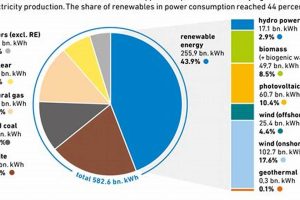
The primary renewable sources are wind (onshore and offshore), solar, bioenergy, and hydro. Offshore wind is currently the largest contributor, followed by onshore wind and bioenergy.
Question 3: How does the UK’s renewable energy percentage compare to other countries?
International comparisons require consideration of various factors, including geographical resources and policy landscapes. Data from international organizations like the International Energy Agency (IEA) provide comparative analyses of renewable energy percentages across different nations.
Question 4: What are the key challenges to increasing the renewable energy percentage?
Key challenges include grid integration of intermittent renewable sources, energy storage solutions, planning and permitting processes, and public acceptance of renewable energy infrastructure.
Question 5: What policies are in place to support the growth of renewable energy in the UK?
Policies include the Contracts for Difference (CfD) scheme, renewable portfolio standards, planning regulations, and initiatives to support innovation and investment in renewable energy technologies. These policies aim to create a favorable environment for the continued growth of the sector.
Question 6: How does the increasing percentage of renewable energy impact energy prices?
While initial investments in renewable energy infrastructure can be substantial, operational costs are typically lower than those of fossil fuel-based power plants. Increased renewable energy penetration can contribute to long-term price stability and reduce exposure to volatile fossil fuel markets, although the exact impact on consumer prices depends on various market factors.
Understanding these key aspects of the UK’s renewable energy percentage is crucial for informed discussions and decision-making regarding the nation’s energy future. The transition to a higher percentage of renewable energy requires a multifaceted approach encompassing technological advancements, policy support, and public engagement.
Further exploration of specific renewable energy technologies and their contributions to the overall percentage will provide a more granular understanding of the UK’s energy transition.
Conclusion
The examination of the UK’s renewable energy percentage reveals a complex interplay of technological advancements, policy decisions, economic factors, and energy security considerations. Growth trajectory analysis highlights the significant progress made in integrating renewable sources into the national grid, driven by declining costs and supportive government policies. The impact on energy security is substantial, reducing reliance on imported fossil fuels and enhancing resilience against volatile global markets. Economic benefits include job creation, investment opportunities, and potential long-term cost savings. However, challenges remain, including grid integration of intermittent resources, energy storage solutions, and ensuring a just transition for affected communities. Technological innovation and strategic policy implementation are essential for continued progress.
The transition to a higher renewable energy percentage represents a fundamental shift in the UK’s energy landscape. Continued focus on innovation, policy refinement, and public engagement will be crucial for realizing the full potential of renewable energy and ensuring a secure, sustainable, and prosperous energy future. The journey towards a decarbonized energy system requires ongoing commitment and collaboration across all sectors of society. Ultimately, the trajectory of the UK’s renewable energy percentage will determine not only the nation’s energy future but also its contribution to global climate change mitigation efforts.