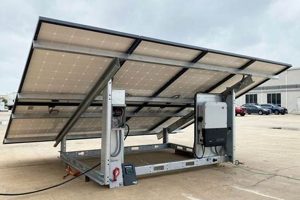
Charging electric vehicles with electricity generated from sources like solar, wind, and hydro is crucial for minimizing the environmental impact of transportation. This approach reduces reliance on fossil fuels, lowering greenhouse gas emissions and promoting a cleaner energy future. For example, a charging station powered by solar panels directly contributes to sustainable transportation by offsetting the carbon footprint associated with vehicle operation.
Clean transportation powered by sustainable sources offers significant advantages. It helps combat climate change by reducing emissions, decreases air pollution in urban areas, and lessens dependence on finite fossil fuel resources. The transition to this type of energy infrastructure represents a significant step toward decarbonizing the transportation sector and fostering energy independence. This shift aligns with global initiatives to mitigate climate change and promote sustainable development, building upon decades of research and advocacy for cleaner energy solutions.
This exploration of clean transportation options powered by sustainable sources will cover the technology behind generating and distributing clean electricity, the development of charging infrastructure, and the broader impact of this transition on the environment and the economy.
Tips for Supporting Sustainable Transportation
Promoting environmentally friendly transportation powered by clean energy sources requires a multifaceted approach. The following tips offer practical guidance for individuals and communities to contribute to this important shift.
Tip 1: Advocate for Increased Renewable Energy Infrastructure: Supporting policies and initiatives that expand the development of solar, wind, and other renewable energy sources is critical. This includes advocating for streamlined permitting processes and investment in grid modernization.
Tip 2: Choose Electric Vehicles When Possible: Transitioning to electric vehicles significantly reduces reliance on fossil fuels, especially when charged with renewable energy. Consider the environmental impact when making purchasing decisions.
Tip 3: Support Businesses Committed to Sustainability: Patronize businesses that prioritize sustainable practices, including the use of renewable energy to power their operations and offer charging infrastructure.
Tip 4: Educate Others About the Benefits of Clean Transportation: Raising awareness within communities about the environmental and economic advantages of sustainable transportation can encourage wider adoption.
Tip 5: Participate in Local Initiatives: Engage in community programs that promote sustainable transportation, such as advocating for improved public transit and cycling infrastructure.
Tip 6: Consider Time-of-Use Electricity Rates: Charging electric vehicles during off-peak hours, often when renewable energy generation is higher, can maximize the environmental benefits and potentially reduce electricity costs.
Tip 7: Explore Home Solar and Battery Storage Options: Generating renewable energy at home and storing it for later use can further reduce reliance on the grid and contribute to a cleaner transportation footprint.
By embracing these strategies, individuals and communities can actively contribute to a cleaner, more sustainable transportation future. These actions collectively contribute to reducing emissions, improving air quality, and lessening dependence on finite resources.
The transition to sustainable transportation is a continuous journey, requiring ongoing innovation and collaboration. The following conclusion will summarize the key findings and offer a perspective on future developments in this dynamic field.
1. Charging Infrastructure

Charging infrastructure is integral to the viability of renewable energy-powered transportation. The availability of readily accessible charging stations directly influences the adoption of electric vehicles. Furthermore, powering these stations with renewable energy sources is crucial for minimizing the overall environmental impact. This connection is exemplified by initiatives to integrate solar and wind power generation directly into charging stations, reducing reliance on grid electricity generated from fossil fuels. A robust and strategically deployed charging network powered by renewable energy is a foundational requirement for widespread electric vehicle adoption and the realization of a sustainable transportation future. This infrastructure development must consider factors such as grid capacity, energy storage solutions, and the integration of distributed generation resources. For example, some charging networks prioritize locations that maximize solar energy generation potential, directly incorporating photovoltaic systems into their station designs. This localized approach enhances energy independence and grid resilience while reducing transmission losses.
The strategic placement of charging stations is critical for maximizing their utilization and impact. High-traffic areas, workplaces, and residential complexes are prime locations for charging infrastructure development. Furthermore, integrating charging stations with existing infrastructure, such as retail locations and parking garages, can enhance convenience and encourage adoption. The effectiveness of charging infrastructure also depends on factors like charging speed and reliability, which influence consumer behavior and the overall user experience. Investments in advanced charging technologies, such as fast-charging capabilities, can significantly reduce charging times and enhance the practicality of electric vehicles for longer journeys. The integration of smart charging technologies also enables dynamic load management, optimizing energy consumption and grid stability.
Widespread adoption of electric vehicles powered by renewable energy requires a robust and accessible charging infrastructure. Addressing challenges such as grid capacity limitations, interoperability issues, and equitable access to charging resources is essential for realizing the full potential of sustainable transportation. Continued innovation in charging technologies, coupled with strategic policy support and private sector investment, is necessary to ensure the continued growth and effectiveness of this critical infrastructure. The ongoing development and optimization of charging infrastructure are directly linked to the broader goals of reducing greenhouse gas emissions, improving air quality, and creating a more sustainable transportation ecosystem. This transition presents significant opportunities for economic growth, job creation, and technological advancement.
2. Renewable Energy Sourcing

Renewable energy sourcing is fundamental to the viability and environmental impact of electric vehicle charging. The origin of the electricity used to power charging stations directly determines the overall carbon footprint of electric vehicle operation. Sourcing electricity from renewable sources like solar, wind, and hydroelectric power significantly reduces greenhouse gas emissions compared to using electricity generated from fossil fuels. This connection between renewable energy sourcing and electric vehicle charging is crucial for achieving sustainable transportation goals.
- Direct Sourcing (On-site Generation):
Charging stations can utilize on-site renewable energy generation, such as rooftop solar panels or small-scale wind turbines. This direct sourcing minimizes transmission losses and reduces reliance on the grid. Examples include solar-powered charging stations in parking lots or retail locations, which generate electricity directly from sunlight. This approach contributes to energy independence and reduces the overall carbon footprint of electric vehicle charging.
- Power Purchase Agreements (PPAs):
Companies can enter into PPAs with renewable energy developers to secure a fixed price for electricity generated from specific projects. This provides price stability and ensures a dedicated source of renewable energy for charging operations. A charging network might sign a PPA with a wind farm to offset the electricity consumption of its charging stations. This guarantees a supply of clean energy and supports the development of new renewable energy projects. PPAs can be structured to meet specific energy demands and contribute to long-term sustainability goals.
- Renewable Energy Certificates (RECs):
RECs represent the environmental attributes of one megawatt-hour (MWh) of renewable energy generated. Purchasing RECs is a way to offset the environmental impact of electricity consumption. A charging network operating in a region with limited renewable energy resources can purchase RECs to offset its electricity usage. This provides a cost-effective way to demonstrate a commitment to renewable energy and support the overall growth of the renewable energy sector. While RECs don’t physically deliver renewable energy to the charging station, they represent an investment in clean energy development.
- Grid Integration and Smart Charging:
Optimizing charging operations based on real-time grid conditions can enhance the utilization of renewable energy. Smart charging technologies can schedule charging sessions during periods of high renewable energy generation, maximizing the environmental benefits. This integration with the grid also supports grid stability and reduces reliance on peak-demand power plants, which are often fueled by fossil fuels. By intelligently managing charging loads, grid operators can increase the proportion of renewable energy used to power electric vehicles and enhance the overall efficiency of the electricity system.
These various sourcing strategies demonstrate the multifaceted approach necessary to power electric vehicle charging with renewable energy. The optimal approach depends on factors such as location, grid infrastructure, and specific business objectives. By strategically sourcing renewable energy, charging networks can minimize their environmental impact and contribute to a cleaner transportation future. This commitment to renewable energy is not only environmentally responsible but also supports the growth of the renewable energy sector and enhances energy independence.
3. Emissions Reduction Goals

Emissions reduction goals are central to the mission of promoting sustainable transportation powered by renewable energy. The transportation sector is a significant contributor to greenhouse gas emissions, making the transition to cleaner transportation crucial for mitigating climate change. Utilizing renewable energy sources to power electric vehicle charging plays a key role in achieving these emissions reduction objectives. This section explores the multifaceted relationship between emissions reduction goals and the transition to sustainable transportation.
- Decarbonizing the Transportation Sector
Decarbonizing the transportation sector involves reducing its reliance on fossil fuels and transitioning to cleaner alternatives like electric vehicles powered by renewable energy. This shift reduces greenhouse gas emissions, mitigating the impact of transportation on climate change. For example, replacing gasoline-powered vehicles with electric vehicles charged using solar or wind energy significantly reduces carbon emissions. This contributes to national and international emissions reduction targets and promotes a more sustainable transportation system. The widespread adoption of electric vehicles powered by renewable energy is a critical step toward decarbonizing the transportation sector and achieving ambitious climate goals.
- Air Quality Improvement
Transitioning to electric vehicles powered by renewable energy has substantial benefits for air quality, particularly in urban areas. Electric vehicles produce zero tailpipe emissions, reducing harmful pollutants such as nitrogen oxides and particulate matter. This leads to improved respiratory health and overall air quality, especially in densely populated areas. The shift to electric vehicles powered by clean energy sources is a key strategy for mitigating air pollution and creating healthier urban environments. This improvement in air quality has direct positive impacts on public health and contributes to a higher quality of life.
- Life Cycle Emissions Analysis
Evaluating the environmental impact of electric vehicles requires a comprehensive life cycle emissions analysis. This assessment considers emissions from manufacturing, operation, and end-of-life management of electric vehicles. While electric vehicles produce zero tailpipe emissions, emissions are associated with the production of batteries and other components. However, powering electric vehicles with renewable energy significantly reduces the overall life cycle emissions compared to gasoline-powered vehicles. A thorough life cycle analysis provides a complete picture of the environmental impact and highlights the importance of renewable energy in minimizing emissions throughout the entire life cycle of an electric vehicle.
- Policy and Regulatory Frameworks
Government policies and regulations play a crucial role in promoting emissions reductions in the transportation sector. Incentives for electric vehicle adoption, investments in charging infrastructure, and renewable energy mandates can accelerate the transition to sustainable transportation. These policy frameworks create a supportive environment for businesses and consumers to embrace cleaner transportation options. For example, tax credits for electric vehicle purchases and emissions standards for automakers can drive the market toward cleaner vehicles. Effective policy interventions are essential for achieving ambitious emissions reduction goals and fostering a rapid transition to a sustainable transportation system.
These facets highlight the interconnectedness of emissions reduction goals and the adoption of electric vehicles powered by renewable energy. By transitioning to clean transportation, significant progress can be made toward mitigating climate change, improving air quality, and creating a more sustainable future. This shift requires a comprehensive approach involving technological advancements, policy support, and consumer adoption. Continued innovation in renewable energy technologies and charging infrastructure will be crucial for achieving long-term emissions reduction targets and realizing the full potential of sustainable transportation.
4. Network Expansion

Expansion of charging networks is essential for the continued growth and adoption of electric vehicles powered by renewable energy. A robust and accessible charging infrastructure is a prerequisite for widespread consumer adoption and the realization of a sustainable transportation ecosystem. Network expansion directly influences the convenience and feasibility of electric vehicle ownership, impacting both local and long-distance travel.
- Geographic Coverage
Expanding charging networks to cover a wider geographic area is crucial for enabling long-distance electric vehicle travel and reducing range anxiety. This expansion must consider strategic placement of charging stations along major highways, in rural areas, and in underserved communities. For instance, expanding charging infrastructure along interstate corridors facilitates interstate travel and opens up new possibilities for electric vehicle tourism. Increased geographic coverage directly supports the adoption of electric vehicles and reduces reliance on gasoline-powered vehicles for long-distance journeys.
- Urban Charging Density
Increasing the density of charging stations within urban areas is essential for meeting the growing demand for electric vehicle charging. This involves deploying charging stations in residential areas, workplaces, and public parking facilities. Higher urban charging density addresses the needs of apartment dwellers and those without access to home charging. For example, installing charging stations in apartment complex parking garages or at workplaces enables convenient charging for a larger segment of the population. Increased charging density in urban areas promotes electric vehicle adoption and supports the transition to sustainable transportation in densely populated regions.
- Charging Hubs and Destination Charging
Developing charging hubs and destination charging locations enhances the convenience and accessibility of electric vehicle charging. Charging hubs offer multiple charging stations in a single location, often with amenities like restrooms and restaurants. Destination charging at retail locations, hotels, and entertainment venues provides convenient charging opportunities while patrons engage in other activities. For example, a shopping mall with a charging hub allows electric vehicle owners to charge their vehicles while shopping. Destination charging at hotels provides a convenient way for travelers to recharge their vehicles overnight. Charging hubs and destination charging contribute to a more seamless and integrated electric vehicle charging experience.
- Grid Integration and Capacity
Network expansion must consider the capacity of the existing electricity grid to support the increasing demand for electric vehicle charging. Integrating charging infrastructure with smart grid technologies and energy storage solutions can optimize grid utilization and minimize strain on the electrical system. For example, smart charging technologies can schedule charging sessions during off-peak hours or when renewable energy generation is high, minimizing the impact on the grid. Integrating battery storage systems at charging stations can store excess renewable energy and provide backup power during grid outages. Careful planning and grid integration are crucial for ensuring the reliability and sustainability of the expanded charging network.
These facets of network expansion demonstrate the multifaceted approach required to create a robust and sustainable charging infrastructure. Expanding geographic coverage, increasing urban charging density, developing charging hubs, and integrating with the grid are crucial for supporting the continued growth of electric vehicle adoption. This investment in charging infrastructure is essential for achieving widespread adoption of electric vehicles powered by renewable energy, ultimately contributing to a cleaner and more sustainable transportation future.
5. Partnerships for Sustainability

Partnerships play a crucial role in advancing sustainable transportation powered by renewable energy. Collaborative efforts between charging networks, renewable energy providers, automakers, and government agencies are essential for accelerating the transition to a cleaner transportation ecosystem. These partnerships leverage the expertise and resources of each stakeholder to address complex challenges and promote the widespread adoption of electric vehicles (EVs) charged with renewable energy. For example, a charging network partnering with a solar energy developer can ensure a consistent supply of renewable energy for its charging stations, reducing reliance on grid electricity generated from fossil fuels. Automakers collaborating with charging networks can streamline the charging experience for EV drivers, promoting seamless integration between vehicles and charging infrastructure. Such collaborations are vital for overcoming barriers to EV adoption and fostering a more sustainable transportation future.
Partnerships offer several key benefits for advancing sustainable transportation. Joint ventures between charging networks and renewable energy providers can lead to the development of innovative charging solutions powered by clean energy sources. Collaborations between automakers and charging networks can improve charging infrastructure accessibility and enhance the overall EV ownership experience. Public-private partnerships can leverage government funding and resources to accelerate the deployment of charging infrastructure and promote the adoption of renewable energy. For instance, a partnership between a city government and a charging network could lead to the installation of charging stations in public parking facilities, expanding charging access for residents. These diverse partnerships contribute to a more comprehensive and integrated approach to sustainable transportation, maximizing the benefits for all stakeholders.
The practical significance of these partnerships lies in their ability to accelerate the transition to sustainable transportation. By pooling resources, expertise, and innovation, partners can overcome challenges related to infrastructure development, renewable energy integration, and consumer adoption. These collaborative efforts contribute to a more rapid and efficient deployment of charging infrastructure powered by renewable energy. Moreover, partnerships foster greater public awareness and understanding of the benefits of sustainable transportation, creating a more supportive environment for widespread adoption. The continued development and strengthening of these partnerships are crucial for achieving long-term sustainability goals in the transportation sector and mitigating the environmental impact of transportation. Addressing challenges related to grid capacity, interoperability, and equitable access requires collaborative solutions and innovative partnerships across the industry.
6. Technological Innovation

Technological innovation is a driving force behind the advancement of renewable energy solutions for electric vehicle (EV) charging. Continuous improvements in charging technologies, battery systems, and grid integration solutions are essential for enhancing the efficiency, accessibility, and sustainability of EV charging infrastructure. These advancements play a critical role in accelerating the transition to widespread EV adoption and a cleaner transportation future. This exploration examines key facets of technological innovation within the context of renewable energy-powered EV charging.
- Smart Charging Technologies
Smart charging technologies optimize charging operations based on real-time grid conditions, driver preferences, and renewable energy availability. These systems can schedule charging sessions during periods of low electricity demand or high renewable energy generation, maximizing the utilization of clean energy sources and minimizing strain on the grid. For instance, smart charging can prioritize charging EVs when solar power generation is at its peak, reducing reliance on grid electricity generated from fossil fuels. This intelligent management of charging loads enhances the efficiency and sustainability of EV charging, supporting greater integration of renewable energy into the transportation sector.
- Battery Technology Advancements
Advancements in battery technology are crucial for enhancing the range, charging speed, and lifespan of EVs. Improvements in battery energy density allow for longer driving ranges on a single charge, addressing range anxiety concerns. Faster charging technologies reduce charging times, making EVs more practical for everyday use. Longer battery lifespans minimize the environmental impact of battery production and disposal. For example, solid-state batteries offer the potential for higher energy density, faster charging, and improved safety compared to traditional lithium-ion batteries. These advancements in battery technology directly influence the performance and adoption of EVs, contributing to a more sustainable transportation system.
- Grid Modernization and Integration
Modernizing the electricity grid is essential for supporting the increasing demand for EV charging. Integrating charging infrastructure with smart grid technologies and distributed energy resources, such as rooftop solar panels and battery storage systems, enhances grid stability and resilience. For example, vehicle-to-grid (V2G) technology allows EVs to discharge stored energy back to the grid during periods of high demand, providing grid support services and further integrating EVs into the energy ecosystem. Grid modernization ensures the reliable and sustainable integration of EV charging, maximizing the utilization of renewable energy sources and enhancing overall grid efficiency.
- Wireless Charging Solutions
Wireless charging technology offers the potential for greater convenience and accessibility in EV charging. Inductive charging systems eliminate the need for physical cables, simplifying the charging process and potentially enabling automated charging. Wireless charging can be integrated into parking spaces or roadways, allowing for dynamic charging while driving. For example, wireless charging systems embedded in parking garages or taxi stands can automatically charge EVs without driver intervention. While still an emerging technology, wireless charging holds promise for enhancing the user experience and promoting wider EV adoption.
These technological innovations are interconnected and contribute synergistically to the advancement of sustainable transportation powered by renewable energy. Continued progress in these areas is essential for overcoming remaining barriers to widespread EV adoption, including range anxiety, charging infrastructure accessibility, and grid integration challenges. By fostering innovation and collaboration, the transportation sector can accelerate its transition towards a cleaner, more sustainable future, minimizing its environmental impact and maximizing the benefits of renewable energy integration.
7. Long-Term Sustainability
Long-term sustainability is intrinsically linked to the adoption of renewable energy solutions within the electric vehicle (EV) charging sector. The environmental and economic viability of EV charging depends on the long-term availability and affordability of renewable energy sources. A sustainable approach to EV charging necessitates considering the entire life cycle of charging infrastructure, from manufacturing and deployment to operation and eventual decommissioning. This holistic perspective is crucial for minimizing environmental impact and maximizing the long-term benefits of transitioning to a cleaner transportation system. Examining the long-term sustainability of EV charging requires assessing its contribution to broader sustainability goals, including reducing greenhouse gas emissions, promoting energy independence, and fostering economic growth.
- Resource Management
Sustainable resource management is crucial for ensuring the long-term viability of renewable energy-powered EV charging. This involves minimizing the environmental impact of resource extraction and manufacturing processes associated with charging infrastructure and battery production. For instance, sourcing materials with lower environmental footprints and implementing recycling programs for EV batteries are essential for reducing resource depletion and minimizing waste. Efficient resource management practices contribute to a more circular economy and enhance the long-term sustainability of EV charging infrastructure.
- Ecosystem Impact
The long-term sustainability of EV charging requires careful consideration of its impact on surrounding ecosystems. Minimizing land use disruption, protecting biodiversity, and mitigating potential environmental damage during infrastructure development are essential for ensuring ecological balance. For example, strategically locating charging stations to minimize habitat fragmentation and implementing erosion control measures during construction can mitigate negative environmental impacts. A responsible approach to ecosystem management is crucial for ensuring the long-term sustainability and environmental compatibility of EV charging infrastructure.
- Economic Viability
The long-term economic viability of EV charging infrastructure depends on factors such as cost-effectiveness, market demand, and policy support. Developing business models that ensure profitability while remaining accessible to consumers is essential for sustained growth. For instance, innovative pricing strategies, such as time-of-use rates and subscription models, can incentivize EV adoption and support the financial viability of charging networks. Government incentives and regulations also play a crucial role in shaping market demand and promoting long-term economic sustainability.
- Social Equity
Ensuring equitable access to EV charging infrastructure is crucial for promoting social equity and maximizing the benefits of sustainable transportation. Addressing disparities in charging availability across different communities and income levels is essential for fostering inclusivity and promoting widespread EV adoption. For example, prioritizing the deployment of charging infrastructure in underserved communities and offering financial assistance programs for low-income EV drivers can promote equitable access and ensure that the benefits of sustainable transportation are shared by all.
These interconnected facets highlight the importance of adopting a holistic approach to long-term sustainability in the context of EV charging. By considering resource management, ecosystem impact, economic viability, and social equity, the transition to sustainable transportation can be achieved while minimizing negative consequences and maximizing long-term benefits. This comprehensive perspective ensures that EV charging infrastructure not only reduces emissions but also contributes to a more resilient, equitable, and environmentally responsible transportation system for future generations. Furthermore, ongoing technological advancements and policy support will play a crucial role in shaping the long-term sustainability of renewable energy-powered EV charging and its contribution to a cleaner, more sustainable future.
Frequently Asked Questions
This FAQ section addresses common inquiries regarding sustainable transportation powered by renewable energy, offering concise and informative responses.
Question 1: How does using renewable energy to power electric vehicle charging contribute to environmental sustainability?
Utilizing renewable energy sources like solar, wind, and hydroelectricity to power electric vehicle charging significantly reduces greenhouse gas emissions compared to using electricity generated from fossil fuels. This reduces the carbon footprint of transportation and contributes to cleaner air and a healthier environment. It also lessens dependence on finite fossil fuel resources.
Question 2: What are the primary challenges associated with expanding renewable energy-powered charging infrastructure?
Key challenges include the upfront costs of infrastructure development, the intermittent nature of some renewable energy sources, grid capacity limitations in certain areas, and ensuring equitable access to charging facilities across all communities. Furthermore, the need for standardized charging technologies and grid interoperability remains a crucial factor in ensuring seamless charging experiences for EV drivers.
Question 3: How can governments incentivize the adoption of electric vehicles and the expansion of renewable energy-powered charging networks?
Governments can implement various incentive programs, such as tax credits for EV purchases, subsidies for charging station installations, and grants for renewable energy projects. Additionally, establishing emissions standards for vehicles and enacting policies that promote renewable energy development can further accelerate the transition to sustainable transportation. Streamlining permitting processes for charging infrastructure projects can also encourage private sector investment.
Question 4: What role do businesses play in promoting sustainable transportation and the use of renewable energy for EV charging?
Businesses can contribute by installing charging stations at workplaces and commercial locations, investing in renewable energy to power their operations, and incorporating sustainability considerations into their supply chains. Promoting employee EV adoption through incentives and educational programs further enhances their commitment to sustainable practices. Furthermore, partnering with charging networks and renewable energy providers can create synergistic opportunities to advance sustainable transportation initiatives.
Question 5: How does the lifecycle of an electric vehicle compare to that of a gasoline-powered vehicle in terms of environmental impact?
While EV manufacturing involves some emissions, primarily related to battery production, their operational emissions are significantly lower than gasoline-powered vehicles, especially when charged with renewable energy. A comprehensive life cycle analysis often demonstrates that EVs have a lower overall environmental impact than conventional vehicles, contributing to reduced air pollution and greenhouse gas emissions throughout their lifespan. The environmental benefits of EVs increase as the electricity grid transitions to cleaner energy sources.
Question 6: What innovations are driving the future of renewable energy-powered EV charging?
Key innovations include advancements in battery technology, such as solid-state batteries and faster charging capabilities. Smart charging technologies optimize energy consumption and grid integration, while vehicle-to-grid (V2G) technology allows EVs to provide grid services. Wireless charging solutions and the integration of renewable energy generation directly into charging stations are also promising developments that will shape the future of sustainable transportation.
Transitioning to sustainable transportation powered by renewable energy requires a multifaceted approach involving individual actions, policy support, and technological innovation. The collective efforts of governments, businesses, and individuals are crucial for accelerating the shift toward a cleaner and more sustainable transportation future.
The subsequent section will explore real-world case studies demonstrating the successful implementation of renewable energy-powered EV charging initiatives.
Conclusion
This exploration has highlighted the multifaceted nature of EVgo’s commitment to renewable energy integration within the electric vehicle charging landscape. From sourcing renewable energy to expanding its charging network and fostering strategic partnerships, EVgo demonstrates a comprehensive approach to sustainable transportation. The examination of charging infrastructure, technological innovation, and long-term sustainability goals underscores the company’s dedication to minimizing environmental impact and promoting a cleaner transportation future. The analysis of emissions reduction targets and the emphasis on grid integration further solidify EVgo’s position as a key player in the transition to a more sustainable transportation ecosystem.
The transition to widespread electric vehicle adoption powered by renewable energy requires continued innovation, collaboration, and investment. EVgo’s demonstrated commitment serves as a model for other industry participants, highlighting the importance of integrating sustainability principles into business practices. The future of transportation hinges on such initiatives, emphasizing the need for ongoing efforts to decarbonize the sector and mitigate the impacts of climate change. The continued expansion of renewable energy-powered charging infrastructure is not merely a technological advancement but a necessary step toward a more sustainable and resilient future.