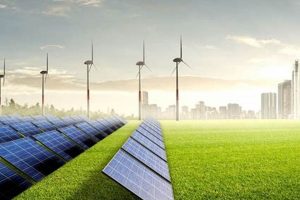
The state’s legislative and regulatory framework mandates a transition to electricity generation from sources like solar, wind, geothermal, and biomass, with specific targets for achieving high percentages of renewable energy in the electricity sector. For instance, the state aims to achieve 100% clean electricity retail sales by 2045. This encompasses a multifaceted approach involving renewable portfolio standards, energy efficiency programs, and incentives for distributed generation.
This ambitious framework seeks to mitigate climate change impacts, improve air quality, and stimulate economic growth within the clean energy sector. Historically, the state has been a leader in environmental policy, and its commitment to renewable sources builds upon decades of progressively stringent emissions regulations and investment in clean technologies. This leadership position influences national and international approaches to energy transition and provides a model for other jurisdictions.
The following sections will delve into specific aspects of this framework, including the renewable portfolio standard, its implementation challenges, the role of distributed generation, and future policy directions.
Successfully integrating renewable energy sources into operations requires careful consideration of the state’s regulatory framework and market dynamics. These tips provide guidance for businesses, homeowners, and other stakeholders.
Tip 1: Understand the Renewable Portfolio Standard (RPS). The RPS mandates that electricity providers source a specified percentage of their electricity from eligible renewable resources. Familiarization with the RPS requirements and timelines is crucial for compliance.
Tip 2: Explore available incentives. Numerous federal and state incentives, including tax credits, rebates, and grants, can significantly reduce the cost of renewable energy installations. Thorough research can identify applicable incentives based on project type and location.
Tip 3: Consider distributed generation options. Rooftop solar panels and other on-site generation technologies can offer benefits such as reduced energy bills and increased energy independence. Evaluating the feasibility of distributed generation can be a valuable step.
Tip 4: Evaluate energy storage solutions. Pairing renewable energy generation with energy storage systems, such as batteries, can enhance reliability and address intermittency challenges associated with solar and wind power.
Tip 5: Engage with local utilities. Understanding utility interconnection processes and requirements is essential for seamless integration of renewable energy systems into the grid.
Tip 6: Stay informed about policy updates. California’s renewable energy policies are subject to change. Remaining aware of updates and revisions ensures continued compliance and allows for strategic planning.
Tip 7: Consult with qualified professionals. Seeking guidance from experienced renewable energy consultants and installers can provide valuable expertise throughout the project development process.
By implementing these tips, stakeholders can effectively navigate the complex landscape of renewable energy in California and contribute to the state’s clean energy goals while realizing potential cost savings and other benefits.
The concluding section will reiterate the significance of these initiatives and underscore the ongoing evolution of California’s renewable energy policies.
1. Renewable Portfolio Standard (RPS)

The Renewable Portfolio Standard (RPS) serves as a cornerstone of California’s renewable energy policy. It mandates that electricity providers source a specified and increasing percentage of their electricity from eligible renewable resources. This mechanism drives the development and deployment of renewable energy technologies within the state. The RPS establishes concrete targets, creating a predictable market signal for renewable energy investment. For instance, the current RPS requires retail sellers of electricity to procure 60% of their electricity from eligible renewable resources by 2030, increasing to 100% by 2045. This legally binding requirement has a direct and substantial impact on the state’s energy mix, accelerating the transition away from fossil fuels.
The RPS’s impact extends beyond simply increasing renewable generation. It stimulates economic activity within the clean energy sector, creating jobs in manufacturing, installation, and maintenance of renewable energy systems. Furthermore, by reducing reliance on fossil fuels, the RPS contributes significantly to California’s greenhouse gas reduction goals, a critical component of the state’s broader climate change mitigation strategy. The practical significance of understanding the RPS lies in its influence on energy prices, resource planning, and the overall trajectory of the state’s energy future. Utilities and other energy market participants must adapt their operations and investment strategies to comply with the RPS mandates, resulting in a transformation of the electricity sector.
The RPS is not without its challenges. Integrating increasing amounts of intermittent renewable resources like solar and wind requires grid modernization and investment in energy storage solutions. Moreover, ensuring equitable access to the benefits of renewable energy remains a policy priority. However, the RPS, as a core element of California’s renewable energy policy, provides a powerful framework for achieving the state’s ambitious clean energy and climate objectives, serving as a model for other jurisdictions considering similar approaches.
2. Distributed Generation

Distributed generation (DG) plays a crucial role in California’s renewable energy policy. Defined as on-site electricity production, often through technologies like rooftop solar photovoltaic (PV) systems, DG contributes significantly to the state’s renewable energy goals. Its importance stems from several key factors. DG reduces transmission and distribution losses by generating power closer to consumption points. This enhanced efficiency contributes to grid stability and reliability, particularly during peak demand periods. Furthermore, DG empowers consumers, enabling greater control over energy choices and potentially lowering electricity bills. The Net Energy Metering (NEM) program, a key policy supporting DG, allows customers to offset their energy consumption with on-site generation, further incentivizing DG adoption. For example, a homeowner with a rooftop solar system can sell excess electricity back to the grid, reducing their overall energy costs. This direct economic benefit, coupled with environmental advantages, has spurred significant growth in residential solar installations throughout California.
The integration of DG into California’s energy landscape presents both opportunities and challenges. While DG reduces reliance on centralized power plants and fossil fuels, managing its intermittent nature necessitates advanced grid management technologies and energy storage solutions. The increasing prevalence of rooftop solar, for example, requires sophisticated grid infrastructure to accommodate fluctuating power flows and maintain grid stability. Policy mechanisms like time-of-use rates and demand response programs are employed to manage peak demand and incentivize efficient energy consumption in conjunction with DG. California’s ongoing efforts to modernize its grid infrastructure and develop innovative policy frameworks are essential to maximizing the benefits of DG while mitigating potential challenges. The practical significance of understanding the role of DG lies in its potential to reshape the electricity sector, transforming consumers into producers and fostering a more decentralized and resilient energy system.
In summary, distributed generation represents a key pillar of California’s renewable energy policy. By fostering on-site renewable energy production, DG contributes significantly to the state’s clean energy goals, enhances grid resilience, and empowers consumers. However, effective integration of DG requires ongoing policy refinement, grid modernization, and strategic deployment of energy storage technologies. Addressing these challenges is essential for realizing the full potential of DG and achieving a sustainable and reliable energy future for California. This understanding informs both current policy decisions and future technological development, shaping the evolution of the state’s energy landscape.
3. Energy Storage

Energy storage is integral to California’s renewable energy policy, addressing the intermittent nature of renewable sources like solar and wind. Effective storage mechanisms enable a more reliable and consistent energy supply from these variable resources, facilitating their increased integration into the electricity grid and contributing to a stable and decarbonized energy system. This exploration delves into key facets of energy storage within the context of California’s energy landscape.
- Grid-Scale Storage
Grid-scale storage deployments, utilizing technologies like pumped hydro, compressed air, and lithium-ion batteries, provide large-scale energy reserves to balance fluctuations in renewable generation and demand. For example, large battery installations can store excess solar energy generated during peak sunlight hours and discharge it during periods of high demand or reduced solar output. These deployments enhance grid reliability, reduce curtailment of renewable energy, and support the increasing penetration of variable renewable resources into the electricity mix.
- Behind-the-Meter Storage
Behind-the-meter storage, typically installed on the customer side of the meter, empowers consumers and businesses to manage their energy consumption. Coupled with rooftop solar, battery storage enables homeowners to store excess solar generation for later use, reducing reliance on the grid and providing backup power during outages. This distributed storage model enhances grid resilience and promotes greater energy independence at the consumer level. California’s Self-Generation Incentive Program (SGIP) encourages behind-the-meter storage adoption through financial incentives.
- Storage Technology Advancements
Ongoing advancements in battery technology, including improvements in energy density, lifespan, and cost reductions, are driving the expansion of energy storage in California. Research and development efforts focused on innovative storage technologies, such as flow batteries and thermal storage, hold significant promise for future grid-scale and distributed applications. These advancements are crucial for achieving cost-effective and efficient energy storage solutions that can support the state’s ambitious renewable energy targets.
- Policy and Regulatory Frameworks
California’s energy storage policies, including mandates and incentives, play a pivotal role in driving market growth and ensuring effective integration of storage technologies. The state’s energy storage mandate requires investor-owned utilities to procure specific amounts of energy storage capacity. These policy mechanisms create a supportive environment for storage deployment, stimulate private investment, and facilitate the development of a robust energy storage market within the state.
These interconnected facets of energy storage are essential for realizing the full potential of California’s renewable energy policy. By addressing the intermittency challenges associated with renewable sources, energy storage enables greater penetration of clean energy resources, enhances grid reliability, and empowers consumers. Continued investment in research, development, and deployment of advanced storage technologies, coupled with supportive policy frameworks, is critical for achieving a sustainable, resilient, and decarbonized energy future for California. The role of energy storage is not merely a technical consideration, but a vital component of the state’s broader energy strategy, with significant implications for its economic and environmental future.
4. Carbon Emission Reduction

California’s renewable energy policy is intrinsically linked to the state’s ambitious carbon emission reduction targets. The policy serves as a primary mechanism for decarbonizing the electricity sector, a significant source of greenhouse gas emissions. By transitioning to renewable energy sources, the state aims to mitigate the impacts of climate change, improve air quality, and create a more sustainable energy future. Exploring the multifaceted connection between these two elements provides crucial insights into the state’s overall climate strategy.
- Electricity Sector Decarbonization
Replacing fossil fuel-based power plants with renewable energy sources like solar, wind, and geothermal directly reduces carbon emissions associated with electricity generation. The Renewable Portfolio Standard (RPS), mandating increasing percentages of renewable energy in the electricity mix, drives this transition. As renewable energy penetration increases, the carbon intensity of the electricity sector decreases, contributing significantly to overall emission reduction targets. For instance, replacing a coal-fired power plant with a solar farm eliminates a substantial source of carbon emissions, demonstrating the tangible impact of renewable energy on decarbonization efforts.
- Transportation Sector Electrification
California’s renewable energy policy indirectly supports carbon emission reductions in the transportation sector by enabling the electrification of vehicles. Increased renewable energy generation provides the clean electricity needed to power electric vehicles (EVs), displacing gasoline-powered vehicles and their associated tailpipe emissions. State incentives for EV adoption, coupled with the expanding charging infrastructure powered by renewable energy, further accelerate this transition. This synergistic approach leverages renewable energy to decarbonize multiple sectors, maximizing its environmental benefits.
- Building Decarbonization
Renewable energy plays a critical role in decarbonizing buildings, another significant source of emissions. Rooftop solar installations, coupled with energy efficiency measures, reduce reliance on fossil fuels for heating, cooling, and other building energy needs. The state’s building codes and appliance standards promote energy efficiency and encourage the adoption of renewable energy technologies in new construction and renovations. This integrated approach minimizes the carbon footprint of buildings, contributing to statewide emission reduction goals.
- Economic and Environmental Co-benefits
California’s renewable energy policy, while focused on carbon emission reduction, also yields significant economic and environmental co-benefits. The growth of the renewable energy sector creates jobs in manufacturing, installation, and maintenance of renewable energy systems. Furthermore, reduced reliance on fossil fuels improves air quality, leading to public health benefits. These positive externalities strengthen the case for renewable energy adoption, demonstrating its multifaceted value beyond carbon emission reduction.
These interconnected facets demonstrate the crucial role of California’s renewable energy policy in achieving the state’s ambitious carbon emission reduction targets. By decarbonizing the electricity sector, supporting transportation electrification, and promoting building decarbonization, the policy drives significant progress toward a cleaner and more sustainable energy future. Furthermore, the associated economic and environmental co-benefits underscore the holistic value of this policy approach. California’s experience serves as a valuable example for other jurisdictions seeking to address climate change and transition to a low-carbon economy, highlighting the effectiveness of integrating renewable energy into a broader climate action strategy. The ongoing evolution of the state’s renewable energy policies and technologies will continue to shape its trajectory toward a decarbonized future, providing valuable insights and lessons learned for the global effort to mitigate climate change. The success of California’s approach reinforces the feasibility and benefits of transitioning to a renewable energy-powered economy.
5. Economic Development

California’s renewable energy policy significantly influences economic development within the state. The transition to a clean energy economy stimulates job growth, attracts investment, and fosters innovation across various sectors. Examining the multifaceted relationship between renewable energy and economic development provides crucial insights into the policy’s broader economic impact.
- Job Creation
The renewable energy sector is a significant source of job creation in California. Industries like solar panel manufacturing, installation, and maintenance, along with wind turbine manufacturing and operation, require a skilled workforce. The increasing demand for renewable energy technologies drives employment growth in these sectors, providing economic opportunities and contributing to a more diversified economy. For example, the construction of large-scale solar farms creates numerous jobs during the construction phase and requires ongoing operational and maintenance staff, demonstrating the direct link between renewable energy deployment and job creation.
- Investment Attraction
California’s commitment to renewable energy attracts significant investment from both public and private sources. Companies specializing in renewable energy technologies, energy storage solutions, and smart grid infrastructure are drawn to the state’s supportive policy environment and market opportunities. This influx of investment stimulates economic activity, fosters innovation, and accelerates the development and deployment of clean energy technologies. For instance, venture capital firms invest heavily in startups developing innovative battery storage solutions, recognizing the growing market demand driven by California’s energy storage mandates.
- Technological Innovation
California’s renewable energy policy fosters innovation in clean energy technologies. The state’s ambitious targets and supportive policies create a fertile ground for research and development in areas like solar photovoltaics, wind turbine design, energy storage solutions, and smart grid technologies. This focus on innovation not only benefits California but also contributes to the global advancement of clean energy technologies. For example, California’s leadership in electric vehicle adoption has spurred innovation in battery technology and charging infrastructure, which benefits the global EV market.
- Regional Economic Development
Renewable energy projects can contribute significantly to regional economic development, particularly in rural areas. The construction of wind farms or solar installations in less developed regions can bring much-needed jobs and investment. This targeted development can revitalize local economies, create new revenue streams, and improve infrastructure in these communities. For example, a wind farm project in a rural area can create construction jobs, generate lease revenue for landowners, and provide property tax revenue for local governments, demonstrating the localized economic benefits of renewable energy development.
These interconnected facets demonstrate the crucial role of California’s renewable energy policy in driving economic development. By creating jobs, attracting investment, fostering innovation, and stimulating regional economies, the policy contributes to a more sustainable and prosperous future for the state. The transition to a clean energy economy not only addresses climate change but also provides significant economic opportunities, reinforcing the synergistic relationship between environmental sustainability and economic growth. California’s experience serves as a compelling example for other jurisdictions seeking to leverage renewable energy as a driver of economic development and demonstrates the potential for a clean energy transition to create a more resilient and prosperous economy.
Frequently Asked Questions about California’s Renewable Energy Policy
This section addresses common inquiries regarding California’s renewable energy policies, providing concise and informative responses.
Question 1: What is the Renewable Portfolio Standard (RPS)?
The RPS mandates that electricity providers source a specified and increasing percentage of their electricity from eligible renewable resources. It serves as a key driver of renewable energy development within the state.
Question 2: How does Net Energy Metering (NEM) work?
NEM allows customers with on-site renewable energy generation, such as rooftop solar, to receive credits for excess electricity they feed back into the grid. These credits offset electricity consumption from the grid, potentially reducing energy bills.
Question 3: What are the primary benefits of distributed generation?
Distributed generation (DG) enhances grid resilience, reduces transmission losses, empowers consumers with greater energy independence, and contributes to reduced greenhouse gas emissions.
Question 4: How does energy storage address the intermittency of renewable resources?
Energy storage technologies, such as batteries, store excess renewable energy generated during periods of high production (e.g., sunny days) and discharge it during periods of low production or high demand, ensuring a reliable and consistent energy supply.
Question 5: What role do incentives play in promoting renewable energy adoption?
Financial incentives, such as tax credits, rebates, and grants, reduce the upfront cost of renewable energy installations, making them more financially attractive for consumers and businesses.
Question 6: How does California’s renewable energy policy impact the state’s economy?
The transition to a renewable energy economy creates jobs in manufacturing, installation, maintenance, and research and development, attracting investment and fostering innovation within the clean energy sector.
Understanding these key aspects of California’s renewable energy policy provides a foundation for informed decision-making and participation in the state’s transition to a clean energy future. The provided information clarifies common points of interest and fosters a deeper understanding of the policy landscape.
Further exploration of specific policy mechanisms and their implementation details will follow in subsequent sections.
Conclusion
California’s renewable energy policy represents a comprehensive and ambitious undertaking, impacting the state’s energy landscape, economy, and environment. The framework, encompassing a renewable portfolio standard, robust distributed generation incentives, and strategic deployment of energy storage, positions California as a leader in the global transition to clean energy. This exploration has highlighted the policy’s key mechanisms, benefits, and challenges, offering a nuanced perspective on its multifaceted nature. From the RPS driving utility-scale renewable energy procurement to the Net Energy Metering program empowering consumer participation through rooftop solar, the policy fosters a dynamic interplay between market forces and regulatory mandates. Furthermore, the emphasis on energy storage solutions addresses the critical issue of intermittency associated with renewable resources, ensuring grid reliability and maximizing the integration of clean energy.
The significance of California’s renewable energy policy extends beyond its immediate impact within the state. It serves as a model for other jurisdictions considering similar transitions, demonstrating the feasibility and benefits of ambitious clean energy targets. Continued policy refinement, technological advancements, and stakeholder engagement are crucial for navigating the complexities of this transformative process. The pursuit of a sustainable and resilient energy future necessitates ongoing innovation, adaptation, and a commitment to achieving ambitious yet attainable goals. California’s experience provides valuable insights and lessons learned for the global community as it collectively strives for a cleaner, more sustainable energy future, underscoring the importance of forward-thinking policy frameworks and sustained commitment to clean energy innovation.