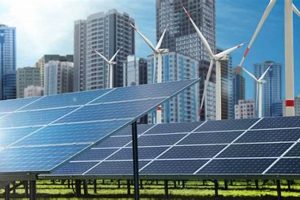
The burgeoning market for hydrogen in Africa presents a significant opportunity for both the continent and the global energy transition. This nascent industry encompasses the production, storage, distribution, and utilization of hydrogen fuel, leveraging Africa’s abundant renewable energy resources, such as solar and wind power, for its generation. For example, electrolysis powered by renewable energy can produce green hydrogen, offering a clean and sustainable alternative to fossil fuels.
Developing this energy sector has the potential to address several key challenges facing Africa, including energy access, economic growth, and climate change mitigation. It offers a pathway to decarbonize various sectors, from transportation and industry to power generation and heating. Historically, Africa’s energy landscape has been dominated by fossil fuels, but the increasing affordability of renewables and growing awareness of climate change are driving interest in sustainable alternatives like hydrogen. This transition could create new jobs, stimulate economic development, and position Africa as a key player in the global green hydrogen market.
This discussion will further explore the potential of green hydrogen production in Africa, examining the key challenges and opportunities facing the continent in developing this promising energy sector. Subsequent sections will address the technological advancements, investment landscape, and policy frameworks necessary to unlock the full potential of the African hydrogen economy.
Strategic engagement with the African hydrogen market requires careful consideration of various factors. The following tips offer guidance for stakeholders seeking to participate in this emerging sector.
Tip 1: Understand the Regulatory Landscape: Policies and regulations governing hydrogen production, storage, and distribution are still evolving across different African nations. Thorough research and engagement with local authorities are crucial for successful market entry.
Tip 2: Prioritize Partnerships: Collaboration with local communities, governments, and businesses is essential. Building strong partnerships can facilitate access to resources, expertise, and market insights.
Tip 3: Focus on Infrastructure Development: Investing in robust infrastructure for hydrogen production, transportation, and storage is critical for scaling up operations and ensuring efficient market access.
Tip 4: Leverage Technological Advancements: Staying abreast of the latest advancements in hydrogen production technologies, such as electrolysis and storage solutions, is vital for maintaining competitiveness and maximizing efficiency.
Tip 5: Secure Sustainable Financing: Accessing reliable and sustainable financing is crucial for long-term project viability. Exploring various funding options, including public-private partnerships and green bonds, is recommended.
Tip 6: Address Safety and Environmental Concerns: Implementing rigorous safety protocols and environmental safeguards throughout the hydrogen value chain is paramount for building public trust and ensuring sustainable development.
Tip 7: Promote Skills Development: Investing in education and training programs to develop a skilled workforce for the hydrogen sector will contribute to long-term industry growth and create job opportunities.
By considering these key aspects, stakeholders can effectively navigate the African hydrogen market and contribute to its sustainable development. These insights offer a practical framework for successful engagement in this rapidly evolving sector.
This analysis provides valuable insights into the African hydrogen market, highlighting its potential for growth and contribution to sustainable development. The concluding section will summarize key findings and offer perspectives on the future of this promising energy sector.
1. Green Hydrogen Production

Green hydrogen production forms a cornerstone of the African hydrogen market. Utilizing renewable energy sources like solar and wind power for electrolysis, green hydrogen offers a sustainable alternative to fossil fuels. This connection is crucial because it positions Africa to leverage its abundant renewable resources to become a global leader in clean energy production. The continent’s vast solar and wind potential creates a unique opportunity to produce green hydrogen at competitive costs, attracting significant investment and driving economic growth. For example, projects in countries like Morocco and Mauritania are already demonstrating the feasibility of large-scale green hydrogen production powered by renewable energy, showcasing the potential for replication across the continent.
The emphasis on green hydrogen production is not merely about clean energy generation; it also addresses critical challenges facing the African continent. It offers a pathway to energy independence, reduces reliance on imported fossil fuels, and creates new employment opportunities in the renewable energy sector. Furthermore, green hydrogen can decarbonize hard-to-abate sectors like heavy industry and transportation, contributing significantly to climate change mitigation efforts. The development of local green hydrogen economies can also stimulate rural development and enhance energy access in remote communities, fostering sustainable and inclusive growth. Consider South Africa’s ambition to become a key player in the global green hydrogen market, leveraging its platinum resources for electrolyzer production and aiming to decarbonize its heavy industries, illustrating the practical implications of this connection.
Green hydrogen production’s role in the African hydrogen market offers transformative potential. While challenges remain, including infrastructure development and financing, the increasing global demand for clean energy and the declining costs of renewable technologies create a favorable environment for growth. Successfully developing this sector requires strategic planning, policy support, and international collaboration. The focus on green hydrogen is not simply an energy strategy; it represents a sustainable development pathway for Africa, offering economic opportunities, environmental benefits, and a chance to reshape the continent’s role in the global energy landscape.
2. Renewable Energy Integration

Renewable energy integration is inextricably linked to the success of the African hydrogen (h2) market. Abundant solar and wind resources across the continent offer a unique opportunity to produce green hydrogen, a clean and sustainable energy carrier. This connection is fundamental because it establishes the foundation for a cost-competitive and environmentally sound hydrogen economy. Harnessing renewable energy for hydrogen production minimizes carbon emissions, aligning with global decarbonization goals and offering a sustainable alternative to fossil fuels. For example, countries like Namibia, with its vast solar potential, are actively developing green hydrogen projects powered by renewable energy, demonstrating the practical application of this integration.
The importance of renewable energy integration extends beyond clean hydrogen production. It can enhance energy security, reduce reliance on imported fossil fuels, and stimulate economic growth in rural communities where renewable energy projects are often located. This localized production model can create new jobs, improve energy access, and empower local communities. Furthermore, integrating renewable energy with hydrogen production can stabilize electricity grids, address intermittency challenges associated with solar and wind power, and enhance the overall reliability of the energy system. Consider Kenya’s efforts to integrate geothermal energy with hydrogen production, diversifying its renewable energy mix and further strengthening its energy independence. These real-world examples illustrate the practical significance of this integrated approach.
Renewable energy integration is not merely a component of the African hydrogen market; it is a catalyst for its sustainable growth. While challenges related to grid infrastructure and investment remain, the declining costs of renewable technologies and the growing global demand for green hydrogen create a favorable environment for continued development. Strategic planning, policy support, and international collaboration are essential to fully realize the potential of this integration. The connection between renewable energy and hydrogen production is crucial for establishing a thriving and sustainable hydrogen economy in Africa, offering a pathway to clean energy, economic development, and a more resilient energy future.
3. Infrastructure Development

Infrastructure development is a critical component of the African hydrogen (h2) market’s growth. Without robust infrastructure for production, storage, transportation, and distribution, the potential of green hydrogen cannot be fully realized. This necessitates significant investment in new infrastructure and adaptation of existing facilities to accommodate the specific requirements of hydrogen.
- Production Facilities:
Building large-scale electrolysis plants powered by renewable energy is essential for green hydrogen production. These facilities require significant land, water resources, and grid connectivity. Examples include planned projects in Mauritania and Namibia leveraging solar and wind resources for large-scale hydrogen production. The scale and location of these facilities will significantly impact regional development and require careful planning to minimize environmental impact.
- Storage Solutions:
Hydrogen storage presents unique challenges due to its low density. Developing appropriate storage solutions, including underground storage, compressed gas tanks, and liquid hydrogen storage, is crucial for ensuring a consistent supply and managing intermittency from renewable energy sources. Investment in research and development of efficient and cost-effective storage technologies is essential for the market’s long-term viability. Pilot projects exploring different storage solutions are emerging in various African countries, adapting technologies to local conditions and needs.
- Transportation Networks:
Transporting hydrogen requires specialized pipelines, tankers, or conversion to other carriers like ammonia. Developing dedicated hydrogen pipelines or repurposing existing natural gas pipelines requires significant investment and technical expertise. Furthermore, port infrastructure for hydrogen export will be essential for accessing international markets. Countries like South Africa are exploring repurposing existing pipeline networks for hydrogen transport, showcasing potential cost-effective solutions.
- Distribution Infrastructure:
Establishing distribution networks for end-users, including refueling stations for hydrogen vehicles and connections to industrial facilities, is crucial for market penetration. This requires adapting existing infrastructure and building new distribution points, particularly in urban areas and industrial hubs. Early adoption of hydrogen-powered vehicles in specific sectors, like mining or public transport, can drive demand and accelerate the development of refueling infrastructure. Examples include pilot projects in African cities exploring hydrogen-powered buses, stimulating the initial stages of distribution network development.
These interconnected infrastructure components are crucial for unlocking the full potential of the African hydrogen market. Strategic investment in infrastructure development will not only facilitate hydrogen production and distribution but also stimulate economic growth, create jobs, and enhance energy security. The development of a robust hydrogen infrastructure is not merely a technical challenge but a strategic imperative for realizing the transformative potential of green hydrogen in Africa. The scale of the required investment necessitates public-private partnerships and international collaboration to ensure sustainable and efficient development.
4. Investment Opportunities

The burgeoning African hydrogen (h2) market presents significant investment opportunities across various sectors. The transition to a hydrogen-based economy requires substantial capital investment, creating prospects for both local and international investors. These opportunities span the entire hydrogen value chain, from production and storage to transportation, distribution, and utilization.
- Green Hydrogen Production Projects:
Developing large-scale green hydrogen production facilities powered by renewable energy sources offers substantial investment potential. Projects like those emerging in Namibia and Mauritania, focusing on solar and wind-powered electrolysis, require significant capital investment and offer attractive returns for investors committed to sustainable energy solutions. These projects not only contribute to clean energy production but also stimulate local economies and create job opportunities.
- Infrastructure Development:
Investing in hydrogen-specific infrastructure, including pipelines, storage facilities, and refueling stations, is crucial for market growth. This presents opportunities for companies specializing in engineering, construction, and logistics. Developing robust infrastructure networks facilitates hydrogen distribution and utilization, creating a supportive environment for further investment in downstream applications. Examples include pipeline projects planned in Southern Africa and port infrastructure development for hydrogen export.
- Technology Development and Innovation:
Research and development in hydrogen technologies, including electrolysis, storage, and fuel cell technologies, offer significant investment opportunities. Advancements in these areas can improve efficiency, reduce costs, and unlock new applications for hydrogen. Investing in innovative hydrogen technologies can position companies at the forefront of this rapidly evolving market and contribute to global advancements in clean energy solutions. Examples include research partnerships between African universities and international technology companies focusing on developing advanced electrolyzer technologies.
- Downstream Hydrogen Applications:
Investing in sectors utilizing hydrogen, such as transportation, industry, and power generation, offers further opportunities. This includes developing hydrogen-powered vehicles, integrating hydrogen into industrial processes, and using hydrogen for electricity generation. These downstream applications create demand for hydrogen and contribute to decarbonizing various sectors. Examples include pilot projects utilizing hydrogen in mining operations and the development of hydrogen-powered public transportation systems in African cities.
These investment opportunities are interconnected and contribute to the overall growth of the African hydrogen market. The transition to a hydrogen economy requires a collaborative approach, involving governments, private sector companies, and international organizations. Strategic investments across the hydrogen value chain can unlock Africa’s vast renewable energy potential, drive sustainable economic development, and position the continent as a key player in the global green hydrogen market. These opportunities not only offer financial returns but also contribute to a cleaner, more sustainable energy future for Africa and the world.
5. Geopolitical Implications

The development of the African hydrogen (h2) market carries significant geopolitical implications, impacting international relations, trade dynamics, and regional power balances. Africa’s vast renewable energy potential positions the continent as a potential major player in the global hydrogen economy, potentially reshaping energy trade relationships and influencing global climate change mitigation efforts. This shift could alter existing dependencies on fossil fuels, creating new alliances and partnerships centered around green hydrogen production and trade. For example, European nations seeking to diversify their energy sources and reduce reliance on Russian gas are increasingly exploring partnerships with African countries to import green hydrogen.
The emergence of a significant African hydrogen market could also impact regional dynamics within the continent. Countries with abundant renewable resources, such as Namibia and Morocco, could gain greater economic and political influence. Competition for investment and market share could drive innovation and infrastructure development, but also potentially exacerbate existing tensions if not managed carefully. Strategic partnerships and regional cooperation will be essential to ensure equitable distribution of benefits and avoid exacerbating existing inequalities. The development of regional hydrogen hubs and shared infrastructure could foster greater integration and economic cooperation, while competition for international investment could also drive innovation and accelerate technological advancements.
Furthermore, the development of the African hydrogen market presents both opportunities and challenges related to resource governance and environmental sustainability. Ensuring equitable access to resources, transparent regulatory frameworks, and environmentally responsible production practices will be crucial for long-term stability and success. Failure to address these issues could lead to social unrest, environmental degradation, and geopolitical instability. International collaboration and knowledge sharing will be essential to navigate these complex challenges and ensure the sustainable development of the African hydrogen market. The geopolitical implications of this emerging market are complex and multifaceted, requiring careful consideration and proactive engagement from governments, industry stakeholders, and international organizations.
6. Social and Economic Impact

The development of the African hydrogen (h2) market has the potential to generate significant social and economic impacts, particularly in rural communities and regions with abundant renewable energy resources. Job creation in areas such as construction, operation, and maintenance of hydrogen production facilities and related infrastructure can alleviate poverty and stimulate economic growth. Furthermore, increased access to clean and affordable energy can improve living standards, enhance healthcare services, and empower local communities. For example, the establishment of a green hydrogen production facility in a remote region can create employment opportunities, attract investment in supporting industries, and improve energy access for surrounding communities, potentially leading to improved education and healthcare outcomes. This localized economic development can also contribute to reducing regional disparities and fostering more inclusive growth.
However, careful planning and implementation are crucial to mitigate potential negative social and economic consequences. Land acquisition for large-scale hydrogen projects can displace communities and disrupt traditional livelihoods if not managed responsibly. Furthermore, competition for scarce resources, such as water, required for hydrogen production, can exacerbate existing tensions and inequalities. Equitable benefit sharing mechanisms, community engagement, and transparent land management practices are essential to ensure that the development of the hydrogen market benefits all stakeholders. For instance, establishing community trust funds and providing skills development programs for local populations can mitigate potential negative impacts and ensure equitable participation in the emerging hydrogen economy. Failure to address these social and economic considerations can lead to social unrest, environmental degradation, and hinder the long-term sustainability of the hydrogen market.
The social and economic impacts of the African hydrogen market are multifaceted and require careful consideration. Strategic planning, stakeholder engagement, and robust regulatory frameworks are crucial for maximizing the positive impacts and mitigating potential risks. Prioritizing local community involvement, promoting skills development, and ensuring equitable access to benefits are essential for fostering inclusive and sustainable development. The successful development of the African hydrogen market depends not only on technological advancements and investment but also on addressing the social and economic dimensions to ensure long-term prosperity and stability across the continent.
7. Technological Advancements
Technological advancements are crucial for the successful development and growth of the African hydrogen (h2) market. Innovation across the hydrogen value chain, from production to storage and utilization, is essential for driving down costs, improving efficiency, and unlocking the full potential of this clean energy source. These advancements are not merely incremental improvements but represent transformative changes that can reshape the energy landscape in Africa and contribute to global decarbonization efforts. These advancements play a critical role in overcoming challenges related to cost-competitiveness, infrastructure development, and market adoption.
- Electrolyzer Technology:
Advances in electrolyzer technology, particularly in the development of more efficient and durable proton exchange membrane (PEM) and alkaline electrolyzers, are essential for reducing the cost of green hydrogen production. Improved efficiency translates to lower electricity consumption per unit of hydrogen produced, making green hydrogen more competitive with fossil fuels. Furthermore, advancements in materials science and manufacturing processes are increasing the lifespan and reliability of electrolyzers, reducing maintenance costs and improving overall system performance. Examples include research efforts focused on developing novel catalyst materials and exploring advanced manufacturing techniques for electrolyzer components.
- Hydrogen Storage Solutions:
Innovation in hydrogen storage technologies is critical for addressing the challenges associated with hydrogen’s low density and high flammability. Advances in compressed gas storage, liquid hydrogen storage, and chemical storage solutions, such as ammonia and liquid organic hydrogen carriers (LOHCs), are improving storage efficiency and safety. Furthermore, research is focused on developing novel materials for hydrogen storage, including metal hydrides and nanomaterials, which offer higher storage densities and improved performance. Examples include pilot projects exploring underground hydrogen storage in salt caverns and the development of advanced composite materials for high-pressure hydrogen tanks.
- Fuel Cell Technology:
Fuel cell technology converts hydrogen into electricity with high efficiency and zero emissions, making it a promising solution for various applications, including transportation, power generation, and portable power. Advancements in fuel cell design, materials, and manufacturing processes are improving performance, durability, and cost-effectiveness. Research is focused on developing next-generation fuel cells with higher power density, longer lifespan, and improved tolerance to impurities in hydrogen. Examples include the development of fuel cell-powered vehicles for public transportation and the integration of fuel cells into microgrids for remote power generation.
- Transportation and Distribution:
Innovations in hydrogen transportation and distribution infrastructure are crucial for connecting production sites with end-users. This includes developing specialized pipelines, tankers, and other transport solutions optimized for hydrogen. Furthermore, research is exploring the potential of blending hydrogen with natural gas in existing pipelines and developing novel approaches for long-distance hydrogen transport, such as converting hydrogen to ammonia for shipping and then reconverting it back to hydrogen at the destination. Examples include pilot projects testing hydrogen pipeline transport and the development of ammonia cracking technologies for efficient hydrogen recovery.
These interconnected technological advancements are essential for realizing the full potential of the African hydrogen market. Continued innovation across the hydrogen value chain will drive down costs, improve efficiency, and unlock new applications for this versatile energy carrier. The progress in these areas will determine the competitiveness of green hydrogen in the African energy market and its contribution to sustainable development goals. These advancements will not only shape the future of the African energy landscape but also contribute to global efforts in combating climate change and transitioning to a cleaner, more sustainable energy future.
Frequently Asked Questions
This section addresses common inquiries regarding the African hydrogen market, providing concise and informative responses.
Question 1: What is driving the interest in developing a hydrogen market in Africa?
The convergence of abundant renewable energy resources, growing global demand for green hydrogen, and the potential for economic development are key drivers. Africa’s vast solar and wind potential allows for cost-competitive green hydrogen production, attracting international investment and offering a pathway to decarbonize various sectors.
Question 2: What are the main challenges facing the development of the African hydrogen market?
Key challenges include the need for significant infrastructure investment, establishing robust regulatory frameworks, securing sustainable financing, and developing the necessary technical expertise and skilled workforce. Addressing these challenges requires strategic planning, public-private partnerships, and international collaboration.
Question 3: What are the potential benefits of a thriving hydrogen economy in Africa?
A thriving hydrogen economy can offer several benefits, including job creation, economic diversification, enhanced energy security, reduced reliance on imported fossil fuels, and significant contributions to global climate change mitigation efforts. It can also stimulate rural development and improve energy access in remote communities.
Question 4: Which African countries are leading the development of the hydrogen market?
Several countries are emerging as leaders in the African hydrogen market, including Namibia, South Africa, Morocco, Egypt, and Kenya. These nations possess favorable renewable energy resources, strategic geographic locations, and proactive government policies supporting hydrogen development.
Question 5: What role can international partnerships play in fostering the growth of the African hydrogen market?
International partnerships are crucial for providing technical expertise, facilitating access to finance, and fostering knowledge sharing. Collaboration between African nations and international partners, including governments, private sector companies, and research institutions, can accelerate the development and deployment of hydrogen technologies.
Question 6: How can the development of the hydrogen market contribute to sustainable development goals in Africa?
The hydrogen market can contribute to several sustainable development goals, including affordable and clean energy (SDG 7), decent work and economic growth (SDG 8), industry, innovation, and infrastructure (SDG 9), and climate action (SDG 13). By promoting clean energy, creating jobs, and stimulating economic growth, the hydrogen market can contribute to a more sustainable and prosperous future for Africa.
Understanding these key aspects is essential for navigating the complexities of the African hydrogen market and recognizing its transformative potential for the continent and the global energy transition. Continued dialogue and collaborative efforts are crucial for realizing the full benefits of this emerging sector.
The subsequent section will explore specific case studies of hydrogen projects in Africa, providing concrete examples of the market’s development and potential.
The Future of the African Hydrogen Market
The exploration of the African hydrogen (h2) market reveals significant potential for transforming the continent’s energy landscape and contributing to global decarbonization efforts. Key takeaways include the abundant renewable energy resources suitable for green hydrogen production, the potential for economic growth and job creation, the need for substantial infrastructure development, and the importance of international collaboration. The analysis underscores the interconnectedness of technological advancements, policy frameworks, and investment strategies for unlocking the full potential of this emerging market. Addressing challenges related to infrastructure development, financing, and skills gaps will be crucial for realizing the envisioned benefits.
The African hydrogen market stands poised for significant growth, offering a pathway to sustainable development and energy independence. Strategic planning, continued innovation, and collaborative partnerships will be essential for navigating the complexities of this evolving landscape. The transition to a hydrogen-based economy presents a unique opportunity for Africa to become a global leader in clean energy and drive sustainable economic growth for decades to come. The future of the African hydrogen market hinges on decisive action and collaborative efforts to unlock its transformative potential.