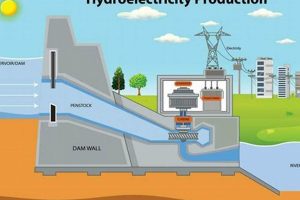
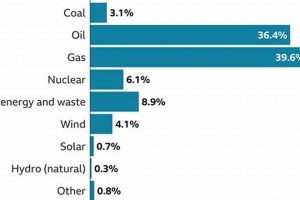
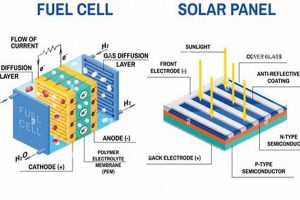
Sustainable power generation from sources like solar, hydro, wind, and biomass represents a critical component of Fiji’s energy landscape. For example, harnessing the power of rivers for hydropower generation has been a longstanding practice, while newer technologies, such as solar farms, are becoming increasingly prevalent.
The pursuit of sustainable power offers numerous advantages for the island nation. Reduced reliance on imported fossil fuels enhances energy security and contributes to a more stable economy. Furthermore, transitioning to cleaner energy sources mitigates the environmental impact of electricity generation, aligning with global efforts to combat climate change and protect Fiji’s unique biodiversity. Historically, the nation has depended heavily on diesel generators, but increasing awareness of environmental vulnerabilities and the economic volatility of fossil fuel prices has spurred significant investment in cleaner alternatives.
This exploration delves into the specific technologies being implemented, the challenges faced in their adoption, and the projected future of the nation’s energy sector. Key areas examined include the government’s role in promoting sustainable power, community-based initiatives, and the potential for Fiji to serve as a model for other island nations seeking energy independence and environmental sustainability.
Tips for Supporting Sustainable Power in Fiji
Individuals, businesses, and communities can play a crucial role in advancing the adoption of sustainable power solutions in Fiji. The following tips offer practical steps toward supporting this important transition:
Tip 1: Invest in Solar Power: Homes and businesses can reduce reliance on the national grid by installing solar panels. Rooftop solar systems offer a cost-effective way to generate clean electricity, contributing to both individual savings and national energy independence. Consider net metering programs that allow excess generated electricity to be fed back into the grid.
Tip 2: Support Local Initiatives: Numerous community-based projects focus on expanding access to renewable energy. Supporting these initiatives, whether through donations or volunteer work, can accelerate the transition to cleaner power solutions in remote areas.
Tip 3: Advocate for Policy Changes: Engage with policymakers to advocate for regulations and incentives that further encourage the development and adoption of sustainable energy technologies. Supportive policies can create a more favorable environment for investment and innovation.
Tip 4: Practice Energy Efficiency: Reducing overall energy consumption is a crucial step. Simple measures such as using energy-efficient appliances, improving insulation, and adopting mindful energy usage habits can significantly decrease demand on the power grid.
Tip 5: Educate and Raise Awareness: Sharing information about the benefits of sustainable power with others can inspire wider adoption. Raising public awareness about the importance of transitioning to clean energy helps build broader support for this critical effort.
Tip 6: Explore Sustainable Tourism Options: When visiting Fiji, choose accommodations and tour operators that prioritize sustainability and utilize renewable energy sources. This supports businesses committed to environmental responsibility and encourages wider adoption within the tourism sector.
By adopting these measures, individuals and organizations can contribute to a more sustainable energy future for Fiji. These collective efforts will help ensure greater energy security, reduce environmental impact, and foster a more resilient economy.
The ongoing transition to sustainable power in Fiji offers a compelling example of how island nations can address the challenges of climate change and energy independence. The collaborative efforts of government, communities, and individuals hold the key to realizing the full potential of clean energy for a brighter future.
1. Solar Power Expansion

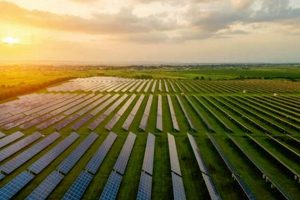
Solar power expansion plays a vital role in Fiji’s transition to renewable energy. The nation’s abundant sunshine offers a readily available resource for generating clean electricity. Expanding solar capacity reduces reliance on imported fossil fuels, contributing significantly to energy independence and economic stability. This shift also mitigates greenhouse gas emissions, aligning with Fiji’s commitment to addressing climate change. For instance, the installation of solar farms on previously unused land or integrating solar panels into existing infrastructure diversifies energy sources and reduces pressure on the national grid. The declining cost of solar technology further enhances its viability as a key component of Fiji’s renewable energy strategy.
Practical applications of solar power expansion are evident across various sectors. Rural communities gain access to electricity through off-grid solar systems, improving living standards and facilitating economic development. Solar-powered water pumps enhance agricultural productivity, while solar streetlights enhance public safety. Tourism operators can leverage solar energy to reduce operational costs and minimize their environmental footprint. Furthermore, government initiatives, such as feed-in tariffs and net metering programs, incentivize private investment in solar installations, accelerating the pace of expansion.
In summary, solar power expansion represents a crucial element of Fiji’s renewable energy future. Its contribution to energy security, economic growth, and environmental sustainability is undeniable. While challenges remain, such as grid integration and battery storage solutions, the ongoing expansion of solar capacity demonstrates a significant commitment to a cleaner, more resilient energy future for Fiji. This commitment not only benefits the nation but also serves as a model for other island nations striving for sustainable development.
2. Hydropower Development

Hydropower development forms a cornerstone of Fiji’s renewable energy strategy. The nation’s mountainous terrain and abundant rainfall provide a natural advantage for harnessing water resources to generate electricity. Exploiting this potential reduces reliance on imported fossil fuels, thereby enhancing energy security and stabilizing the national economy. Hydropower projects, ranging from large-scale dams to smaller run-of-river installations, contribute significantly to Fiji’s renewable energy mix. For instance, the Nadarivatu Hydropower Station, Fiji’s largest, provides a substantial portion of the country’s electricity needs, demonstrating the practical significance of hydropower development.
The environmental benefits of hydropower are noteworthy. Compared to fossil fuel-based power generation, hydropower produces significantly fewer greenhouse gas emissions, mitigating the impact of climate change. However, it’s crucial to acknowledge potential environmental consequences associated with large dam projects, such as habitat alteration and downstream flow changes. Sustainable hydropower development requires careful planning and mitigation strategies to minimize these impacts. For example, incorporating fish ladders and maintaining appropriate downstream flow regimes are crucial for preserving river ecosystems. Furthermore, community engagement and consideration of local livelihoods are essential for ensuring equitable and sustainable hydropower development.
In summary, hydropower development remains a crucial component of Fiji’s renewable energy landscape. While large-scale projects offer substantial generating capacity, smaller, decentralized hydropower installations hold significant potential for expanding access to clean energy in remote areas. Balancing the environmental benefits with potential ecological impacts necessitates careful planning and implementation. The continued development of sustainable hydropower projects will play a vital role in ensuring Fiji’s energy security and contributing to a cleaner energy future.
3. Wind Energy Potential

Wind energy represents a promising yet relatively untapped component of Fiji’s renewable energy portfolio. Harnessing the power of wind offers the potential to further diversify the nation’s energy mix and reduce reliance on imported fossil fuels. While not as extensively developed as solar or hydropower, wind energy presents significant opportunities for contributing to Fiji’s sustainable energy future.
- Resource Assessment and Site Selection:
Accurate assessment of wind resources is crucial for identifying suitable locations for wind turbine installations. Detailed wind mapping studies, considering factors such as wind speed, direction, and consistency, inform strategic site selection. Coastal areas and elevated terrains often exhibit favorable wind conditions. For example, preliminary assessments have identified potential wind energy sites on several outer islands, offering opportunities for decentralized power generation.
- Technological Advancements:
Advancements in wind turbine technology, including improved efficiency and reduced costs, enhance the viability of wind energy projects. Modern wind turbines can operate effectively in a wider range of wind conditions, maximizing energy capture. Furthermore, innovative designs, such as floating offshore wind turbines, offer potential for harnessing stronger and more consistent winds in deeper waters.
- Grid Integration and Infrastructure:
Integrating wind energy into the existing electricity grid requires careful planning and investment in transmission infrastructure. Strengthening grid capacity and implementing smart grid technologies ensure efficient distribution of wind-generated power. Furthermore, energy storage solutions, such as batteries, can address the intermittent nature of wind power, ensuring a stable electricity supply.
- Environmental and Socioeconomic Considerations:
While wind energy offers significant environmental benefits, potential impacts on local ecosystems, such as bird and bat populations, must be carefully assessed and mitigated. Furthermore, community engagement and stakeholder consultations are essential for ensuring that wind energy projects align with local needs and priorities. Addressing potential noise pollution and visual impacts contributes to socially responsible wind energy development.
Realizing the full potential of wind energy in Fiji requires a comprehensive approach encompassing resource assessment, technological advancements, grid integration, and environmental stewardship. Strategic investments in these areas will pave the way for wind power to play a more prominent role in the nation’s renewable energy future, contributing to greater energy independence and a more sustainable environment. Further exploration of offshore wind farms could unlock significant untapped potential, complementing existing onshore renewable energy sources and strengthening Fiji’s position as a leader in sustainable development.
4. Biomass Utilization

Biomass utilization presents a unique opportunity within Fiji’s renewable energy landscape. Leveraging organic matter for energy production offers a sustainable alternative to fossil fuels, contributing to both energy independence and waste reduction. Exploring the various facets of biomass utilization reveals its potential to play a significant role in Fiji’s transition to a cleaner energy future.
- Sources and Availability:
Fiji’s diverse agricultural sector and abundant forestry resources provide a readily available supply of biomass feedstock. Agricultural residues, such as sugarcane bagasse and coconut husks, along with wood chips and dedicated energy crops, offer sustainable sources for biomass energy generation. For instance, sugarcane bagasse, a byproduct of sugar production, is already utilized in several cogeneration plants, demonstrating the practical application of this resource.
- Conversion Technologies:
Various technologies facilitate the conversion of biomass into usable energy. Direct combustion, gasification, and anaerobic digestion represent established methods for generating electricity and heat from biomass. Anaerobic digestion, for example, utilizes organic waste to produce biogas, a renewable fuel source. Choosing appropriate technologies depends on factors such as feedstock characteristics, scale of operation, and desired energy output.
- Environmental and Economic Benefits:
Biomass utilization offers significant environmental advantages. Utilizing organic waste for energy production reduces landfill burden and mitigates greenhouse gas emissions. Furthermore, biomass energy can stimulate rural economies by creating new income streams for farmers and supporting local industries. Developing sustainable biomass supply chains enhances resource management and promotes circular economy principles.
- Challenges and Opportunities:
While biomass utilization holds substantial promise, challenges remain. Ensuring sustainable feedstock sourcing and minimizing potential environmental impacts, such as air pollution from combustion, require careful planning and management. Furthermore, optimizing conversion technologies and integrating biomass energy into the existing grid infrastructure necessitate ongoing research and development. Overcoming these challenges unlocks significant opportunities for biomass to contribute meaningfully to Fiji’s renewable energy future.
Integrating biomass utilization into Fiji’s broader renewable energy strategy offers a pathway to greater energy independence and environmental sustainability. By strategically leveraging available resources and addressing existing challenges, biomass can become a vital component of a diversified energy mix, contributing to a cleaner and more resilient energy future for Fiji. Further research and development, coupled with supportive policies and community engagement, will unlock the full potential of biomass energy, strengthening Fiji’s position as a leader in sustainable development.
5. Grid Modernization

Grid modernization is essential for maximizing the benefits of Fiji’s transition to renewable energy sources. A robust and adaptable grid infrastructure is crucial for efficiently integrating variable renewable energy like solar and wind power, ensuring reliable electricity distribution, and supporting the nation’s sustainable development goals. Without significant upgrades, the existing grid infrastructure may struggle to accommodate the increasing influx of renewable energy, potentially leading to instability and hindering the realization of a fully sustainable energy future. Modernizing the grid, therefore, forms an integral component of Fiji’s broader renewable energy strategy.
- Enhanced Grid Stability and Reliability
Modernizing Fijis grid enhances stability and reliability by incorporating advanced technologies that manage the intermittent nature of renewable energy sources. Smart grids, equipped with real-time monitoring and control systems, optimize power flow, predict fluctuations, and respond dynamically to changes in supply and demand. This enhanced responsiveness is crucial for maintaining a stable electricity supply as the contribution of variable renewable sources like solar and wind increases. For example, advanced forecasting systems can predict periods of low solar or wind generation, enabling grid operators to proactively adjust power distribution and prevent blackouts.
- Integration of Distributed Generation
Grid modernization facilitates the integration of distributed generation (DG), which refers to smaller-scale power generation sources located closer to consumers. Rooftop solar installations, small hydropower plants, and community-based wind farms are examples of DG that can contribute to a more decentralized and resilient energy system. Upgrading the grid to accommodate DG involves implementing technologies like advanced metering infrastructure and two-way power flow capabilities, allowing seamless integration of these distributed sources and maximizing their contribution to the overall energy mix. This decentralized approach reduces transmission losses and enhances energy security, particularly in remote areas.
- Improved Energy Efficiency and Reduced Losses
Modern grid infrastructure contributes to improved energy efficiency and reduced transmission and distribution losses. Smart meters provide real-time data on energy consumption, empowering consumers to make informed decisions about their energy usage and adopt energy-saving practices. Furthermore, advanced grid technologies optimize power flow, minimizing losses during transmission and distribution. These improvements lead to greater overall efficiency in the energy system, reducing reliance on generation capacity and minimizing environmental impact. For instance, implementing voltage optimization technologies can significantly reduce energy losses across the distribution network.
- Enabling Smart Grid Technologies
Grid modernization lays the foundation for implementing smart grid technologies, which represent a fundamental shift in how electricity is managed and distributed. Smart grids utilize digital communication technologies, advanced sensors, and data analytics to optimize grid operations, enhance reliability, and empower consumers. Integrating these technologies requires substantial upgrades to existing infrastructure, including communication networks, control systems, and data management platforms. The transition to a smart grid is essential for maximizing the benefits of renewable energy integration, improving energy efficiency, and creating a more flexible and resilient energy system for Fiji.
In conclusion, grid modernization is not merely a supporting element but a fundamental requirement for realizing the full potential of Fiji’s renewable energy transition. By investing in grid upgrades, Fiji can ensure a stable, reliable, and efficient electricity supply while maximizing the integration of renewable energy sources. This modernized infrastructure will be crucial for achieving the nation’s sustainable development goals, enhancing energy security, and creating a cleaner energy future. The interconnectedness of grid modernization and renewable energy development underscores the need for a holistic approach to building a sustainable energy system for Fiji, serving as a model for other island nations navigating similar transitions.
Frequently Asked Questions about Renewable Energy in Fiji
This section addresses common inquiries regarding the development and implementation of renewable energy solutions in Fiji.
Question 1: What is the primary driver behind Fiji’s transition to renewable energy?
The key drivers include reducing reliance on imported fossil fuels, mitigating the impacts of climate change, and ensuring long-term energy security for the nation. The economic volatility of fossil fuel prices and the vulnerability of island nations to climate change impacts underscore the urgency of this transition.
Question 2: What role does hydropower play in Fiji’s renewable energy mix?
Hydropower is a significant contributor to Fiji’s renewable energy generation. Existing hydropower plants provide a substantial portion of the nation’s electricity, and ongoing development aims to expand capacity further. However, balancing the benefits of hydropower with potential environmental impacts remains a key consideration.
Question 3: How is solar power being utilized in Fiji?
Solar power is rapidly expanding in Fiji, with installations ranging from large-scale solar farms to rooftop solar systems for homes and businesses. The nation’s abundant sunshine makes solar energy a highly viable resource for reducing reliance on fossil fuels and extending electricity access to remote communities.
Question 4: What are the challenges associated with expanding renewable energy in Fiji?
Key challenges include grid modernization to accommodate variable renewable sources, securing financing for large-scale projects, and developing the necessary technical expertise for operation and maintenance. Addressing these challenges requires strategic planning, capacity building, and international collaboration.
Question 5: What are the potential economic benefits of transitioning to renewable energy?
The economic benefits include reduced expenditure on imported fossil fuels, increased energy independence, creation of green jobs, and enhanced energy access for businesses and communities. The transition also positions Fiji as a leader in sustainable development, attracting investment and promoting economic growth.
Question 6: How can individuals and communities contribute to the renewable energy transition in Fiji?
Individuals and communities can contribute by investing in rooftop solar systems, supporting local renewable energy initiatives, advocating for supportive policies, and practicing energy efficiency measures. Collective action plays a crucial role in accelerating the transition to a sustainable energy future.
Transitioning to renewable energy is a multifaceted undertaking with far-reaching implications for Fiji’s future. Addressing key challenges and capitalizing on opportunities will be essential for realizing the full potential of sustainable power and ensuring a cleaner, more resilient future for the nation.
Exploring further, the following section delves into specific case studies of renewable energy projects in Fiji, highlighting successful implementations and lessons learned.
Fiji Renewable Energy
Fiji’s pursuit of renewable energy sources represents a crucial undertaking with significant implications for the nation’s future. This exploration has highlighted the diverse approaches being implemented, from harnessing the power of rivers for hydropower to expanding solar capacity and exploring the potential of wind and biomass. Grid modernization efforts are fundamental to integrating these variable renewable sources and ensuring a stable and reliable electricity supply. The challenges encountered, such as financing large-scale projects and developing technical expertise, underscore the need for strategic planning and international collaboration.
The transition to renewable energy offers substantial benefits, including reduced reliance on imported fossil fuels, enhanced energy security, mitigation of climate change impacts, and stimulation of economic growth. Fiji’s commitment to sustainable power serves as a compelling example for other island nations facing similar challenges. Continued investment in renewable energy infrastructure, coupled with supportive policies and community engagement, will be essential for realizing the full potential of these resources and ensuring a sustainable and prosperous future for Fiji. The nation’s journey toward energy independence demonstrates the tangible benefits of embracing clean energy solutions, offering a beacon of hope for a more sustainable world.