The United Kingdom’s energy landscape is undergoing a significant transformation, with an increasing reliance on sources that replenish naturally. This shift involves harnessing power from wind, solar, hydro, and biomass resources to generate electricity and heat. For example, offshore wind farms contribute substantially to the nation’s electricity supply, capitalizing on the strong and consistent winds surrounding the island nation. Similarly, solar photovoltaic (PV) installations on rooftops and in dedicated solar farms convert sunlight directly into electricity, playing a growing role in the country’s energy mix.
Transitioning to sustainable energy sources offers numerous advantages. Reduced reliance on fossil fuels lowers carbon emissions, mitigating the impacts of climate change. Furthermore, diversification of energy supply enhances energy security by reducing dependence on volatile global energy markets. Historically, the UK has been heavily reliant on coal and natural gas, but government policies and technological advancements are driving a rapid expansion of renewable energy capacity, marking a pivotal shift toward a cleaner and more secure energy future.
This article will delve deeper into specific renewable energy technologies employed in the UK, examining their current contributions, growth potential, and associated challenges. Further analysis will explore the policy landscape supporting this transition, along with the economic and social implications of the shift toward sustainable power generation.
Tips for Understanding UK Renewable Energy Consumption
Gaining a clearer understanding of the UK’s renewable energy landscape requires considering various factors influencing its development and deployment. The following tips offer valuable insights into this complex topic.
Tip 1: Distinguish between Capacity and Generation: Installed capacity represents the maximum potential output of renewable energy facilities. Actual energy generation fluctuates depending on weather conditions and demand. Analyzing both metrics provides a comprehensive picture.
Tip 2: Consider Regional Variations: Renewable energy resources are not uniformly distributed across the UK. Scotland, for example, possesses significant wind and hydropower potential, while southern England benefits from higher solar irradiance. Examining regional differences illuminates specific opportunities and challenges.
Tip 3: Investigate Government Policies and Targets: Government incentives, subsidies, and regulatory frameworks play a crucial role in driving renewable energy adoption. Understanding these policies provides context for current trends and future projections.
Tip 4: Analyze Grid Integration and Infrastructure: Integrating intermittent renewable energy sources into the existing electricity grid presents technical challenges. Exploring grid modernization efforts and energy storage solutions is crucial for understanding system stability and reliability.
Tip 5: Assess the Economic Impact: The transition to renewable energy influences job creation, investment opportunities, and energy prices. Evaluating these economic factors provides insights into the broader societal implications of this shift.
Tip 6: Explore Technological Advancements: Continuous innovation in renewable energy technologies, such as improved turbine design and more efficient solar panels, influences the cost-effectiveness and overall viability of these resources.
By considering these factors, one can develop a more nuanced understanding of the UK’s progress in adopting renewable energy, the challenges faced, and the potential for future growth.
This analysis lays the groundwork for informed discussions about the future of energy in the UK and the role of renewable sources in achieving a sustainable energy system.
1. Total Energy Consumption

Total energy consumption serves as a crucial benchmark for evaluating the penetration of renewable energy sources within the UK’s energy mix. Understanding the overall energy demand provides context for assessing the contribution of renewables and the remaining reliance on conventional fossil fuels. A rising total energy consumption, even with increasing renewable generation, could indicate a persistent dependence on non-renewable sources. Conversely, stable or decreasing total energy consumption alongside growth in renewable generation signals a more effective transition toward a sustainable energy system. For instance, if total energy consumption remains constant while renewable energy generation doubles, the reliance on fossil fuels proportionally decreases, showcasing the impact of renewable energy integration.
Analyzing the relationship between total energy consumption and renewable energy deployment offers insights into the effectiveness of energy efficiency measures. Decoupling economic growth from energy consumption through improved efficiency reduces overall energy demand, facilitating a higher percentage of renewable energy penetration. For example, advancements in building insulation and industrial processes can lower energy requirements, enabling a given amount of renewable energy to satisfy a larger proportion of the overall demand. This highlights the synergistic relationship between energy efficiency and renewable energy integration in achieving sustainability goals.
A thorough understanding of this relationship provides crucial insights into the UKs progress toward its renewable energy targets. By monitoring total energy consumption alongside renewable energy generation, policymakers can assess the effectiveness of existing policies, identify areas requiring further intervention, and refine strategies to accelerate the transition to a sustainable energy future. Addressing challenges such as seasonal variations in renewable energy generation and ensuring grid stability remain key considerations in achieving a balanced and resilient energy system.

Renewable energy share represents the proportion of total energy consumption met by renewable sources. This metric is central to understanding how much renewable energy the UK utilizes and its progress towards a sustainable energy system. A higher renewable energy share signifies a greater reliance on sustainable sources, reducing dependence on fossil fuels and contributing to emissions reduction targets.
- Electricity Generation:
Renewable energy’s contribution to electricity generation is a key component of the overall renewable share. The increasing deployment of offshore wind farms, for instance, has significantly boosted the renewable share within the electricity sector. This growth reflects policy support and technological advancements, driving the UK towards its decarbonization goals. A high renewable electricity share contributes directly to reducing carbon emissions from power generation.
- Heating and Transportation:
While electricity generation often dominates discussions of renewable energy, its role in heating and transportation is equally crucial. The integration of renewable sources, such as biomass for heating and biofuels for transport, contributes to the overall renewable share. Progress in these sectors, although often slower than in electricity, is essential for achieving comprehensive decarbonization. For example, the increasing adoption of heat pumps powered by renewable electricity contributes to reducing reliance on natural gas for heating.
- Intermittency and Grid Management:
The intermittent nature of some renewable sources, like solar and wind, presents challenges for grid management. Maintaining a stable electricity supply requires balancing intermittent generation with other sources or utilizing energy storage solutions. The effective management of intermittency is crucial for maximizing the contribution of renewable sources to the overall energy share. Innovations in grid technology and energy storage are essential for addressing this challenge and ensuring a reliable electricity supply.
- Policy and Regulatory Frameworks:
Government policies and regulations play a crucial role in driving the growth of renewable energy and increasing its share in the energy mix. Incentives, subsidies, and renewable energy targets influence investment decisions and technological development. Supportive policy frameworks are essential for achieving a high renewable energy share and meeting long-term sustainability objectives. For instance, feed-in tariffs and renewable portfolio standards can incentivize the deployment of renewable energy technologies, contributing to a higher renewable share.
These interconnected facets demonstrate the complexity of increasing the renewable energy share. Analyzing these components provides a comprehensive understanding of how much renewable energy the UK utilizes and the ongoing efforts to enhance its role in achieving a sustainable energy future. Further exploration of specific technologies, policy landscapes, and future projections offers a deeper understanding of the ongoing energy transition.
3. Source Breakdown (Wind, Solar, etc.)

Understanding the specific contributions of different renewable energy sources provides a granular perspective on how much renewable energy the UK uses. Analyzing the source breakdown reveals the relative importance of each technology, informing policy decisions and investment strategies. This detailed examination clarifies the diversity of the UK’s renewable energy portfolio and its evolving composition over time.
- Wind Energy:
Wind energy, encompassing both onshore and offshore wind farms, plays a dominant role in the UK’s renewable energy mix. Offshore wind, in particular, has experienced significant growth, capitalizing on the strong and consistent winds surrounding the island nation. Large-scale offshore wind farms, such as the Hornsea Project, contribute substantially to the nation’s electricity supply. The continued expansion of offshore wind capacity is a key driver of the UK’s renewable energy growth.
- Solar Photovoltaic (PV):
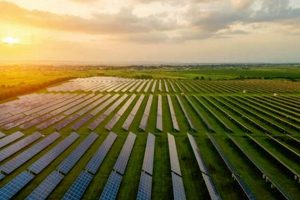
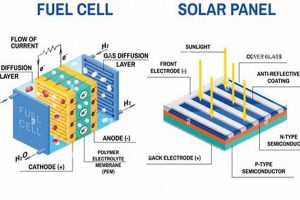
Solar PV installations, ranging from rooftop panels to large-scale solar farms, convert sunlight directly into electricity. While solar energy’s contribution is influenced by weather patterns and daylight hours, its overall capacity has steadily increased. Government incentives and declining installation costs have spurred the adoption of solar PV, contributing to a growing share of renewable electricity generation. Initiatives like the feed-in tariff scheme have encouraged domestic and commercial solar installations, diversifying the UK’s energy sources.
- Hydropower:
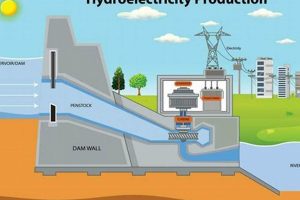
Hydropower, utilizing the energy of flowing water, provides a relatively stable source of renewable electricity. While the UK’s hydropower potential is geographically limited compared to wind and solar, existing hydroelectric schemes play a consistent role in the energy mix. Pumped hydro storage facilities, acting as large-scale batteries, contribute to grid stability by balancing the intermittency of other renewable sources. This storage capacity enhances the reliability of renewable energy integration within the electricity grid.
- Bioenergy:
Bioenergy, encompassing the combustion of biomass for heat and electricity generation, contributes to the UK’s renewable energy portfolio. Biomass sources include wood pellets, agricultural residues, and dedicated energy crops. While bioenergy can provide a continuous source of power, sustainability considerations regarding sourcing and land use require careful management. Sustainable biomass sourcing practices are essential for minimizing environmental impacts and ensuring long-term viability.
Analyzing the individual contributions of these diverse renewable energy sources reveals a complex and evolving landscape. The relative proportions of each source inform strategic planning for future capacity expansion and grid integration. This detailed understanding of the source breakdown enables policymakers and investors to make informed decisions, driving the UK towards its ambitious renewable energy targets and a more sustainable energy future. By examining the specific roles of wind, solar, hydro, and bioenergy, one gains a clearer perspective on “how much renewable energy the UK uses” and its ongoing transition toward a cleaner and more secure energy system.
4. Growth Trajectory

The growth trajectory of renewable energy deployment directly impacts how much renewable energy the UK utilizes. An upward trajectory signifies increasing capacity and generation, contributing to a larger share of renewables in the overall energy mix. This growth is influenced by several factors, including technological advancements, policy support, and investment trends. For example, the rapid decline in the cost of offshore wind technology has spurred significant investment in new projects, resulting in a steep growth trajectory for this sector. This expansion translates directly into a greater amount of renewable energy contributing to the UK’s electricity supply. Conversely, a stagnant or declining growth trajectory would limit the overall contribution of renewables, hindering progress toward decarbonization goals. The growth trajectory, therefore, serves as a key indicator of the UK’s commitment to and progress in adopting renewable energy.
Analyzing historical trends and future projections for renewable energy growth provides valuable insights. Past performance can illuminate the effectiveness of policies and identify areas requiring further intervention. Future projections, informed by planned projects and policy targets, offer a glimpse into the potential scale of renewable energy deployment and its anticipated impact on the energy mix. For instance, government targets for offshore wind capacity by 2030 signal a continued upward growth trajectory, indicating a substantial increase in the amount of renewable energy the UK is expected to utilize. These projections inform investment decisions, grid planning, and overall energy strategy, contributing to a more informed and proactive approach to energy transition.
Understanding the growth trajectory is crucial for assessing the long-term viability and impact of renewable energy in the UK. A sustained and robust growth trajectory is essential for achieving ambitious decarbonization targets and ensuring a secure and sustainable energy future. Challenges such as grid integration, energy storage, and public acceptance must be addressed to maintain a positive growth trajectory and maximize the benefits of renewable energy. By carefully monitoring and analyzing the growth trajectory, policymakers, investors, and researchers can contribute to informed decision-making and accelerate the transition towards a cleaner energy system. This focus on sustained growth ensures that the amount of renewable energy the UK uses continues to rise, displacing fossil fuels and contributing to a more sustainable future.
5. Future targets

Future targets for renewable energy deployment play a crucial role in shaping how much renewable energy the UK will utilize in the coming years. These targets, often set by government policy and informed by international agreements, provide a roadmap for the continued expansion of renewable energy capacity and generation. The targets serve as a key driver for investment decisions, technological innovation, and infrastructure development. For instance, the UK’s legally binding target of achieving net-zero greenhouse gas emissions by 2050 necessitates a significant increase in renewable energy deployment across all sectors, directly influencing how much renewable energy the nation will use. This ambitious target creates a clear direction for policy and investment, driving the transition towards a decarbonized energy system. The level of ambition embedded within these targets directly influences the scale and pace of renewable energy adoption, effectively determining how much renewable energy the UK will ultimately utilize.
The connection between future targets and actual renewable energy usage operates through a complex interplay of policy mechanisms, market forces, and technological advancements. Government policies, such as carbon pricing, renewable portfolio standards, and financial incentives, create a supportive environment for achieving the stated targets. These policies influence market dynamics, encouraging investment in renewable energy projects and driving down costs. Simultaneously, ongoing technological advancements in areas like wind turbine design, solar panel efficiency, and energy storage solutions enhance the feasibility and cost-effectiveness of deploying renewable energy at scale. For example, advancements in floating offshore wind technology open up new areas for development, expanding the potential contribution of wind energy to meeting future targets. This interplay of policy, market forces, and technology directly influences how much renewable energy the UK utilizes by shaping the overall feasibility and attractiveness of renewable energy projects.
A clear understanding of the relationship between future targets and actual renewable energy usage is essential for effective policymaking and investment planning. Realistic yet ambitious targets provide a crucial signal to the market, fostering confidence and encouraging long-term investments in renewable energy infrastructure. Regularly evaluating progress towards these targets and adapting policies as needed ensures that the UK remains on track to achieve its decarbonization goals. Addressing potential barriers, such as grid constraints and public acceptance issues, is crucial for realizing the full potential of renewable energy. By aligning policy, investment, and technological development with ambitious yet achievable future targets, the UK can effectively shape its energy future and determine how much renewable energy it will ultimately utilize to achieve a sustainable and secure energy system.
Frequently Asked Questions about UK Renewable Energy Use
This section addresses common queries regarding renewable energy consumption within the United Kingdom, providing concise and informative responses.
Question 1: What proportion of the UK’s total energy consumption comes from renewable sources?
The renewable energy share of the UK’s total energy consumption fluctuates but has been steadily increasing. Official government data provides the most up-to-date figures on this evolving metric. Factors influencing the renewable share include weather patterns affecting wind and solar output, changes in overall energy demand, and the commissioning of new renewable energy facilities.
Question 2: Which renewable energy source contributes the most to the UK’s energy mix?
Wind energy, particularly offshore wind, currently constitutes the largest single source of renewable energy in the UK. However, the relative contributions of different renewable sources can vary over time due to technological advancements, policy changes, and investment decisions.
Question 3: How does the UK’s renewable energy usage compare to other countries?
International comparisons of renewable energy utilization require standardized metrics and data collection methods. Organizations like the International Energy Agency (IEA) provide comparative data and analyses, enabling assessments of the UK’s performance relative to other nations.
Question 4: What are the main barriers to further increasing renewable energy use in the UK?
Challenges to expanding renewable energy deployment include grid integration complexities, energy storage limitations, public acceptance concerns, and potential environmental impacts. Addressing these challenges through technological innovation, policy adjustments, and community engagement is crucial for unlocking further growth.
Question 5: What government policies support renewable energy development in the UK?
Government support for renewable energy encompasses a range of policies, including financial incentives, renewable portfolio standards, carbon pricing mechanisms, and planning regulations. Specific policy details and updates can be found on official government websites and publications.
Question 6: How does renewable energy use contribute to the UK’s climate change goals?
Renewable energy sources displace fossil fuels, reducing greenhouse gas emissions and contributing to national and international climate change mitigation efforts. The increasing utilization of renewable energy plays a critical role in achieving the UK’s net-zero emissions target.
Understanding these key aspects of renewable energy utilization provides a foundation for informed discussions and policy development. Continued research, innovation, and public engagement are essential for maximizing the benefits of renewable energy and achieving a sustainable energy future.
The following sections will delve deeper into specific renewable energy technologies, regional variations in deployment, and future projections for the UK’s renewable energy landscape.
Conclusion
This exploration has examined the multifaceted aspects of renewable energy utilization within the United Kingdom. Analysis of total energy consumption, renewable energy share, source breakdown, growth trajectory, and future targets provides a comprehensive understanding of the current state and future direction of renewable energy in the UK. Key insights include the dominant role of wind energy, particularly offshore wind, the growing contribution of solar PV, and the importance of addressing grid integration challenges to maximize the benefits of intermittent renewable sources. Furthermore, government policies and future targets play a crucial role in shaping investment decisions and driving technological innovation within the renewable energy sector. Understanding these interconnected factors offers a nuanced perspective on how much renewable energy the UK currently uses and its potential for future growth.
The transition to a sustainable energy system requires sustained commitment, ongoing innovation, and adaptive policy frameworks. Continued investment in research and development, grid modernization, and energy storage solutions is essential for realizing the full potential of renewable energy. Addressing public acceptance concerns and ensuring equitable access to the benefits of clean energy are crucial for building a resilient and inclusive energy future. The ongoing transformation of the UK’s energy landscape presents both challenges and opportunities. By embracing innovation, fostering collaboration, and prioritizing long-term sustainability, the UK can harness the full potential of renewable energy to achieve a secure, decarbonized, and prosperous future. The question of “how much renewable energy does the UK use” is not merely a quantitative inquiry but a dynamic and evolving narrative shaping the nation’s energy future.