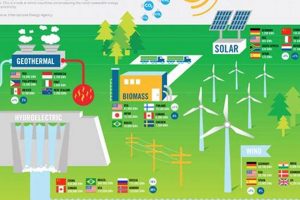
Small-scale, independently constructed power sources utilizing sustainable resources like solar, wind, or hydro power offer an alternative to traditional grid electricity. Examples include photovoltaic panels assembled for home use, small wind turbines constructed from readily available materials, and micro-hydroelectric systems utilizing stream flow on a property. These systems can range from simple projects suitable for hobbyists to more complex setups requiring specialized knowledge.
Decentralized power generation offers potential cost savings on electricity bills and increased energy independence. It also provides a pathway to reduce reliance on fossil fuels and lower one’s carbon footprint. The growing interest in sustainable living and advancements in accessible technology have spurred innovation and wider adoption of these independent power solutions. This shift towards localized power generation echoes historical practices of self-sufficiency, adapted with modern technology for contemporary needs.
The subsequent sections will explore different types of home-built sustainable power systems, providing practical guidance, safety considerations, and resource recommendations for those interested in exploring this empowering approach to energy production.
Tips for Small-Scale Renewable Energy Projects
Careful planning and execution are crucial for successful independent power generation projects. The following tips provide essential guidance for individuals embarking on such endeavors.
Tip 1: Assess Energy Needs: Accurately estimate current energy consumption to determine the appropriate scale for the project. Overestimating leads to unnecessary expenses, while underestimating may result in an insufficient power supply.
Tip 2: Research Local Regulations: Building permits and connection approvals may be required. Consult local authorities to ensure compliance before starting any construction.
Tip 3: Prioritize Safety: Working with electricity poses inherent risks. Thorough research, proper grounding, and circuit protection are paramount to prevent accidents and equipment damage. Professional consultation is highly recommended, especially for complex systems.
Tip 4: Choose Appropriate Technology: Consider available resources, geographic location, and energy requirements when selecting the type of renewable energy system. Solar panels are ideal for sunny locations, while wind turbines require consistent wind speeds. Micro-hydro systems are best suited for properties with flowing water.
Tip 5: Source Quality Components: Durable, reliable components ensure longevity and system efficiency. Investing in quality materials upfront can minimize maintenance and replacement costs over the long term.
Tip 6: Start Small and Scale Up: Begin with a modest project to gain experience and refine skills. Expanding the system incrementally allows for adjustments based on performance and evolving needs.
Tip 7: Monitor and Maintain: Regular system checks and maintenance are essential for optimal performance and longevity. This includes cleaning panels, inspecting wiring, and lubricating moving parts as needed.
Adhering to these guidelines promotes safe and effective implementation of independent power systems, facilitating a transition towards greater energy independence and sustainability.
By considering these points, individuals can make informed decisions and contribute to a greener future through responsible energy choices.
1. Planning

Planning forms the cornerstone of successful independent renewable energy projects. A well-defined plan mitigates potential risks, optimizes resource allocation, and ensures the system meets long-term energy needs. It involves a comprehensive assessment of energy consumption patterns, site evaluation for resource availability (solar irradiance, wind speed, water flow), and component selection based on technical specifications and budget constraints. For instance, a household with high daytime energy consumption might prioritize solar photovoltaic panels, while a location with consistent wind resources could benefit from a wind turbine. Neglecting thorough planning can lead to system inefficiencies, cost overruns, and safety hazards.
Practical considerations within the planning phase include determining battery storage capacity, selecting appropriate inverters and charge controllers, and designing the system layout for optimal performance. Careful consideration of local regulations, permitting requirements, and grid-tie procedures is also essential. A detailed plan also encompasses a maintenance schedule to ensure long-term system health and efficiency. For example, regular cleaning of solar panels maximizes energy capture, while periodic inspection of wiring and connections prevents potential safety issues. The planning process facilitates informed decision-making, enabling builders to construct robust and efficient systems tailored to specific needs and environmental conditions.
Ultimately, effective planning translates into a functional, safe, and cost-effective renewable energy system. It minimizes unforeseen challenges during construction and operation, maximizing the return on investment. A comprehensive plan provides a roadmap for project execution, contributing significantly to the overall success and sustainability of independent power generation initiatives.
2. Component Selection

Component selection is paramount for a functional and safe independent renewable energy system. Appropriate choices directly influence system efficiency, longevity, and overall cost-effectiveness. Careful consideration of individual component specifications and their compatibility with the chosen renewable energy source (solar, wind, hydro) is essential. For instance, selecting a charge controller incompatible with the battery bank in a solar power system can lead to overcharging and battery damage, significantly reducing system lifespan. Conversely, choosing high-efficiency solar panels maximizes energy capture, optimizing system output and return on investment.
Specific examples illustrate the importance of informed component selection. In a wind power system, the turbine size and generator rating must align with the average wind speed and expected energy demand. An undersized turbine will generate insufficient power, while an oversized one presents unnecessary costs and potential structural strain. Similarly, selecting appropriate wiring, circuit breakers, and grounding systems ensures safety and prevents electrical hazards. For micro-hydro systems, the turbine type (Pelton, Francis, or Kaplan) depends on the available head and flow rate of the water source. Choosing the incorrect turbine type leads to suboptimal power generation and potential system damage. Investing in durable and reliable components, while potentially increasing initial costs, minimizes long-term maintenance and replacement expenses.
Careful component selection reflects a proactive approach to system design, optimizing performance, safety, and longevity. It necessitates research, understanding technical specifications, and considering long-term operational implications. Prioritizing quality components ensures system reliability and contributes significantly to the overall success and sustainability of independent power generation projects. Neglecting this crucial aspect can compromise system effectiveness, leading to higher operational costs, safety risks, and reduced system lifespan, thereby undermining the project’s goals.
3. Safety Procedures

Safety procedures are paramount in independent renewable energy projects, mitigating potential hazards associated with electrical systems and construction activities. Neglecting these procedures can lead to serious consequences, including electrical shock, fire, equipment damage, and personal injury. Working with electricity requires meticulous attention to detail and strict adherence to established safety protocols. For example, improper grounding can create a shock hazard, while inadequate wiring can lead to overheating and fire. Utilizing appropriate personal protective equipment (PPE), such as insulated gloves and safety glasses, is crucial during all phases of construction and maintenance.
Specific safety considerations vary depending on the chosen renewable energy technology. Solar photovoltaic systems involve handling high-voltage DC electricity, necessitating specialized safety precautions during installation and maintenance. Wind turbine projects present unique challenges related to working at height and managing rotating machinery. Micro-hydro systems involve working near water, introducing risks associated with slips, falls, and potential drowning. Understanding the specific hazards associated with each technology and implementing appropriate safety measures are essential for accident prevention. Consulting relevant safety codes and standards, and seeking professional guidance when necessary, are crucial steps in ensuring a safe working environment.
Prioritizing safety through comprehensive planning, proper training, and consistent adherence to safety protocols safeguards both individuals undertaking these projects and the long-term reliability of the systems. A safe working environment not only prevents accidents but also ensures the sustainable and responsible development of independent power generation. Investing time and resources in safety training and equipment demonstrates a commitment to responsible practices, fostering a culture of safety within the renewable energy sector.
4. Local Regulations

Local regulations play a crucial role in the implementation of independent renewable energy generation projects. Compliance with these regulations ensures safe and legal operation, preventing potential conflicts with existing infrastructure and promoting harmonious integration with community energy systems. Ignoring these regulations can lead to project delays, fines, and legal complications, potentially jeopardizing the entire undertaking.
- Building Permits and Inspections:
Most jurisdictions require building permits for renewable energy installations, especially those involving structural modifications or grid connections. These permits ensure compliance with building codes and electrical safety standards. Inspections throughout the project verify adherence to approved plans and safe construction practices. Failure to obtain necessary permits can result in fines and project shutdowns. For instance, installing a roof-mounted solar array without a permit might necessitate its removal and reinstallation after obtaining the proper authorization, incurring significant additional costs and delays.
- Grid Connection and Net Metering:
Connecting a renewable energy system to the existing electricity grid often requires approval from the local utility company and adherence to specific interconnection standards. Net metering policies, which allow excess generated electricity to be fed back into the grid for credit, vary by location and require adherence to specific technical requirements. Understanding these regulations and coordinating with the utility company early in the project planning phase is crucial for seamless integration. Failing to comply with grid connection regulations can lead to system disconnection and potential safety hazards for both the homeowner and utility workers.
- Zoning Ordinances and Setback Requirements:
Local zoning ordinances may dictate the size, placement, and appearance of renewable energy installations. Setback requirements specify minimum distances from property lines, roads, and other structures. These regulations aim to minimize visual impact, preserve neighborhood aesthetics, and prevent conflicts with neighboring properties. For example, a local ordinance might restrict the height of a wind turbine or mandate specific color schemes for solar panels to minimize visual impact on the surrounding landscape. Ignoring zoning regulations can lead to legal disputes with neighbors and costly modifications to comply.
- Environmental Regulations and Impact Assessments:
Larger-scale renewable energy projects might require environmental impact assessments to evaluate potential effects on local ecosystems, wildlife, and water resources. These assessments ensure sustainable development and minimize environmental disruption. For example, a micro-hydro project might require an assessment of its potential impact on fish migration or water quality downstream. Compliance with environmental regulations protects natural resources and promotes responsible development of renewable energy systems. Neglecting these aspects can result in project delays, fines, and environmental damage.
Understanding and complying with local regulations are essential for the successful and legal implementation of renewable energy projects. Navigating these regulations requires thorough research, communication with local authorities, and proactive engagement with utility companies. By prioritizing compliance, individuals ensure their projects contribute positively to the community and promote the responsible growth of decentralized renewable energy generation. Ignoring these critical aspects can undermine the long-term viability of these projects and hinder the broader adoption of sustainable energy solutions.
5. System Maintenance

System maintenance is integral to the long-term success and cost-effectiveness of any independently constructed renewable energy generator. Regular maintenance ensures optimal performance, maximizes lifespan, and minimizes the risk of system failures. Neglecting maintenance can lead to decreased energy production, premature component degradation, and potentially hazardous situations. For example, failing to clean solar panels regularly reduces energy capture due to dust and debris accumulation, while neglecting battery maintenance in a wind or solar system can significantly shorten battery lifespan and reduce overall system efficiency. Conversely, consistent upkeep, including visual inspections, cleaning, and occasional component replacements, can extend the functional life of the system, ultimately reducing the total cost of ownership.
Practical system maintenance tasks vary depending on the specific technology employed. Solar photovoltaic systems require periodic cleaning of panels, inspection of wiring and connections, and occasional inverter maintenance. Wind turbines necessitate regular lubrication of moving parts, inspection of blades for damage, and periodic checks of the generator and control systems. Micro-hydro systems require regular removal of debris from intakes, lubrication of turbine components, and monitoring of water flow. Scheduled maintenance minimizes downtime and prevents minor issues from escalating into major repairs. For example, regularly inspecting and tightening electrical connections in a wind turbine can prevent corrosion and potential short circuits, while routinely cleaning the intake screen of a micro-hydro system prevents clogging and ensures consistent water flow to the turbine. This proactive approach preserves system integrity and maximizes energy production over the long term.
Consistent system maintenance directly influences the return on investment of a renewable energy generator. By maximizing system lifespan and minimizing repair costs, regular maintenance enhances the economic viability of these projects. It also contributes to safety by mitigating potential hazards associated with malfunctioning equipment. A well-maintained system operates reliably, providing a consistent source of clean energy and reducing dependence on conventional grid electricity. Understanding the importance of system maintenance and incorporating it into the project plan from the outset are essential for achieving the long-term goals of sustainable and independent power generation. Neglecting this crucial aspect can compromise system performance, safety, and ultimately, the overall success of the project.
Frequently Asked Questions
Addressing common inquiries regarding independently constructed renewable energy systems provides clarity and facilitates informed decision-making for individuals exploring these technologies.
Question 1: What is the typical lifespan of a home-built renewable energy system?
System lifespan varies depending on component quality, technology type, and maintenance practices. Well-maintained systems utilizing durable components can operate effectively for 20 years or more. Regular maintenance and timely component replacement are crucial for maximizing system longevity.
Question 2: What are the initial costs associated with building a renewable energy generator?
Initial costs depend on system size, chosen technology, and component quality. Smaller-scale systems can be constructed with modest budgets, while larger, more complex systems require greater investment. Thorough planning and accurate cost estimation are essential.
Question 3: Are permits required for constructing and operating these systems?
Permitting requirements vary by location and system type. Consulting local authorities regarding building permits, grid connection approvals, and other regulatory requirements is essential before commencing any construction.
Question 4: What safety precautions are essential during construction and operation?
Working with electricity necessitates adherence to stringent safety procedures. Proper grounding, circuit protection, and utilization of appropriate personal protective equipment are paramount for preventing accidents. Professional consultation is highly recommended, especially for complex systems.
Question 5: How much maintenance do these systems typically require?
Maintenance requirements vary depending on the chosen technology. Regular inspections, cleaning, and occasional component replacement are essential for optimal performance and longevity. Developing a comprehensive maintenance schedule ensures consistent system health.
Question 6: Is it possible to completely disconnect from the existing electricity grid?
Completely disconnecting from the grid requires careful planning and sufficient energy storage capacity. Off-grid systems necessitate accurate load calculations and battery sizing to ensure uninterrupted power supply. Professional consultation is advised when designing off-grid solutions.
Understanding these key aspects empowers individuals to make informed decisions regarding the feasibility and implementation of renewable energy projects. Thorough research, careful planning, and adherence to safety regulations are fundamental for successful and sustainable independent power generation.
Further exploration of specific renewable energy technologies, including solar, wind, and hydro, provides a deeper understanding of their respective advantages, limitations, and practical implementation considerations.
Conclusion
Independently constructed renewable energy generators offer a viable pathway toward sustainable energy independence. Careful consideration of planning, component selection, safety procedures, local regulations, and system maintenance is essential for successful implementation. Understanding the specific requirements of each renewable energy technology, whether solar, wind, or hydro, empowers informed decision-making and promotes responsible project development. Thorough research and adherence to established guidelines ensure safe, efficient, and legally compliant operation, maximizing the benefits of these systems.
The growing accessibility of technology and increasing awareness of environmental responsibility position independently constructed renewable energy generators as a significant element of a sustainable energy future. Empowering individuals to generate their own clean electricity fosters resilience, reduces reliance on centralized power grids, and contributes to a more environmentally conscious approach to energy consumption. Continued exploration and refinement of these technologies promise further advancements in efficiency, affordability, and accessibility, paving the way for broader adoption and a more sustainable energy landscape.