Solar, wind, hydro, geothermal, and biomass energy sources offer sustainable alternatives to fossil fuels, harnessing naturally replenishing resources. For instance, photovoltaic panels convert sunlight into electricity, while wind turbines capture kinetic energy from moving air. Hydropower utilizes the potential energy of water stored at elevation, and geothermal power plants tap into heat from the Earth’s core. Biomass energy derives from organic matter, such as wood or agricultural waste.
These resources play a vital role in reducing greenhouse gas emissions and mitigating climate change. Their decentralized nature can enhance energy security and create economic opportunities in rural communities. Historically, watermills and windmills provided mechanical power for centuries before the advent of large-scale fossil fuel exploitation. The growing awareness of environmental and geopolitical concerns has led to renewed interest and investment in these cleaner energy solutions.
The following sections delve deeper into each of these energy sources, exploring their specific technologies, applications, advantages, and challenges. From the vast potential of solar farms to the steady reliability of geothermal plants, the diverse landscape of sustainable energy offers promising pathways toward a cleaner and more secure energy future.
Tips for Utilizing Renewable Energy Sources
Transitioning towards sustainable practices involves thoughtful consideration of available resources and their effective implementation. The following tips offer guidance on leveraging renewable energy options.
Tip 1: Evaluate Site Suitability for Specific Technologies: Geographic location significantly influences the viability of different renewable energy options. Coastal regions may benefit from wind energy, while areas with high solar irradiance are ideal for solar installations. Geothermal resources are typically concentrated in geologically active zones.
Tip 2: Consider Hybrid Systems for Enhanced Reliability: Combining different renewable energy technologies can create a more resilient and consistent energy supply. For example, pairing solar panels with wind turbines can offset intermittency issues associated with each individual source.
Tip 3: Prioritize Energy Efficiency Measures: Reducing overall energy consumption through building insulation, efficient appliances, and optimized industrial processes minimizes the demand placed on renewable energy systems.
Tip 4: Explore Community-Based Renewable Energy Projects: Participating in shared solar or wind farms allows individuals and businesses to access renewable energy without requiring individual installations.
Tip 5: Support Policies that Incentivize Renewable Energy Adoption: Advocating for government initiatives like tax credits, feed-in tariffs, and renewable portfolio standards can accelerate the transition to a sustainable energy future.
Tip 6: Invest in Research and Development for Technological Advancements: Continued innovation in renewable energy technologies is crucial for improving efficiency, reducing costs, and expanding accessibility.
Implementing these strategies can facilitate a more effective and widespread adoption of renewable energy, contributing to a cleaner and more sustainable environment.
By embracing these practices, individuals, communities, and industries can collectively contribute to a more sustainable and resilient energy future, mitigating environmental impact while ensuring a secure and affordable energy supply.
1. Solar

Solar energy represents a significant component within the broader context of renewable energy sources. As one of the most readily available and scalable renewable resources, solar power plays a crucial role in reducing reliance on fossil fuels and mitigating the effects of climate change. The conversion of sunlight into electricity through photovoltaic (PV) panels or concentrated solar power (CSP) systems offers a clean and sustainable alternative for various applications, from residential rooftops to large-scale solar farms. For example, utility-scale solar farms in desert regions can generate substantial amounts of electricity, feeding into national grids and powering entire communities. Rooftop solar installations empower homeowners to generate their own electricity, reducing their dependence on conventional power sources and lowering their carbon footprint. This decentralized generation capability enhances energy security and resilience, particularly in remote or off-grid locations.
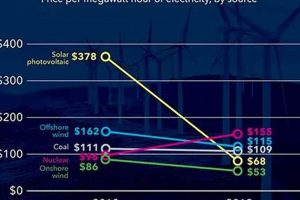
The increasing efficiency and decreasing costs of solar technologies have driven widespread adoption globally. Advancements in PV technology, coupled with supportive government policies and incentives, have made solar power a competitive and attractive energy solution. Furthermore, the modular nature of solar installations allows for flexible deployment, adapting to diverse energy needs and geographical constraints. From powering remote telecommunications infrastructure to providing electricity for rural communities, solar energy offers versatile and scalable solutions. The integration of solar power into existing grids requires careful planning and management to ensure grid stability and reliability, particularly given the intermittent nature of solar radiation. Energy storage solutions, such as batteries, are becoming increasingly important to address this intermittency and provide a consistent power supply.
Solar energy presents a pivotal pathway towards a sustainable energy future. Its widespread availability, declining costs, and technological advancements position solar as a key driver in the global transition to clean energy. Addressing challenges related to intermittency and storage will further unlock the full potential of solar power and accelerate its integration into the global energy mix. Continued research and development efforts focusing on improving efficiency, reducing material costs, and enhancing energy storage technologies will be essential for maximizing the contribution of solar energy to a cleaner and more sustainable world.
2. Wind

Wind energy represents a prominent sector within the renewable energy landscape, harnessing the kinetic energy of wind to generate electricity. As a clean and sustainable energy source, wind power plays a crucial role in diversifying energy portfolios and reducing reliance on fossil fuels. Its growing importance stems from technological advancements, decreasing costs, and increasing awareness of environmental concerns.
- Turbine Technology:
Wind turbines are the primary devices used to capture wind energy. These sophisticated machines consist of blades, a nacelle containing a gearbox and generator, and a tower. As wind passes over the blades, it creates lift, causing the rotor to spin and drive the generator, producing electricity. Modern wind turbines vary in size and capacity, with offshore turbines typically larger and more powerful than onshore installations. For example, offshore wind farms in the North Sea utilize massive turbines capable of generating several megawatts of power each. The continued development of turbine technology focuses on increasing efficiency, reducing noise, and minimizing environmental impact.
- Resource Assessment and Siting:
Effective utilization of wind energy requires careful assessment of wind resources and strategic siting of wind farms. Wind speed, direction, and consistency are crucial factors in determining the viability of a wind energy project. Coastal areas, open plains, and mountainous regions often offer favorable wind conditions. Sophisticated modeling and analysis tools are used to evaluate wind resources and optimize turbine placement for maximum energy capture. For instance, wind resource maps are developed to identify areas with high wind potential, guiding the development of wind farms. Environmental impact assessments are conducted to minimize potential effects on wildlife, bird migration patterns, and surrounding ecosystems.
- Grid Integration and Storage:
Integrating wind power into existing electricity grids presents both opportunities and challenges. The intermittent nature of wind requires strategies to manage fluctuations in power output and ensure grid stability. Energy storage solutions, such as batteries and pumped hydro storage, are increasingly deployed to address this intermittency. Smart grid technologies and advanced forecasting methods are also employed to optimize grid operations and balance supply and demand. For example, some regions utilize real-time data and predictive models to anticipate changes in wind power output and adjust grid operations accordingly. The development of robust grid infrastructure and storage solutions is crucial for maximizing the contribution of wind energy to a reliable and sustainable power system.
- Economic and Environmental Impacts:
Wind energy offers significant economic and environmental benefits. The construction, operation, and maintenance of wind farms create jobs and stimulate local economies. Furthermore, wind power reduces reliance on fossil fuels, mitigating greenhouse gas emissions and contributing to cleaner air and water. However, careful consideration of potential environmental impacts, such as noise pollution and visual impacts on landscapes, is essential for responsible development. Life-cycle assessments are conducted to evaluate the overall environmental footprint of wind energy projects, from manufacturing to decommissioning. Balancing economic development with environmental stewardship is crucial for ensuring the sustainable growth of the wind energy sector.
These facets of wind energy demonstrate its increasing significance within the broader context of renewable energy. From technological advancements in turbine design to strategic grid integration strategies, wind power continues to evolve as a key component of a sustainable energy future. Addressing challenges related to intermittency and storage, while minimizing environmental impacts, will further unlock the full potential of wind energy and its contribution to a cleaner and more resilient energy system.
3. Hydropower
Hydropower, a cornerstone of the five types of renewable energy, harnesses the natural flow of water to generate electricity. Its position within this quintet stems from its reliance on the water cycle, a continuously replenished resource driven by solar energy. This inherent renewability distinguishes hydropower from fossil fuel-based electricity generation, which depletes finite resources and contributes significantly to greenhouse gas emissions. The fundamental principle involves converting the potential energy of water stored at elevation into kinetic energy as it flows downstream. This kinetic energy drives turbines connected to generators, ultimately producing electricity. Large-scale hydroelectric dams, such as the Three Gorges Dam in China or the Itaipu Dam on the Brazil-Paraguay border, exemplify the immense power generation capacity of hydropower. These projects, while capable of meeting substantial energy demands, also require careful consideration of environmental and social impacts.
The importance of hydropower as a component of the five types of renewable energy lies in its established technology, relatively low operating costs, and capacity for large-scale electricity generation. Unlike solar and wind power, hydropower offers a degree of predictability and control over energy output. Dams can regulate water flow to match electricity demand, providing a reliable source of baseload power. Run-of-river hydropower plants, which utilize the natural flow of rivers without large impoundments, minimize environmental disruption while still contributing to clean energy generation. However, the construction of large dams can have significant ecological and social consequences, including habitat alteration, displacement of communities, and changes in downstream water flow. Balancing the benefits of hydropower with its potential impacts requires careful planning, environmental impact assessments, and stakeholder engagement.
Understanding the role of hydropower within the broader context of renewable energy is crucial for informed decision-making and sustainable energy planning. While hydropower offers a valuable clean energy source, its development must be approached responsibly, considering both its potential benefits and its potential drawbacks. Minimizing environmental impacts through careful site selection, mitigation measures, and consideration of alternative hydropower technologies remains a critical challenge. The future of hydropower hinges on balancing the increasing global demand for clean energy with the imperative to protect ecological integrity and social well-being. Integrating hydropower strategically with other renewable energy sources, such as solar and wind, can create a more resilient and sustainable energy mix, maximizing the benefits of each resource while mitigating their individual limitations.
4. Geothermal

Geothermal energy, a key component of the five types of renewable energy, harnesses the Earth’s internal heat for a variety of applications. Unlike solar or wind power, which rely on intermittent sources, geothermal energy provides a consistent and reliable energy stream. Its utilization ranges from electricity generation to direct heating and cooling applications, contributing significantly to a sustainable energy mix.
- Resource Accessibility and Types:
Geothermal resources vary in temperature and depth, influencing their suitability for different applications. High-temperature resources, typically found in volcanically active regions, are ideal for electricity generation. Lower-temperature resources are utilized for direct heating of buildings and industrial processes. For example, Iceland extensively utilizes geothermal energy for both electricity generation and space heating, showcasing its versatility. Different geothermal technologies, such as dry steam, flash steam, and binary cycle power plants, are employed depending on resource characteristics.
- Power Generation and Direct Use Applications:
Geothermal power plants operate by extracting hot water or steam from underground reservoirs to drive turbines connected to generators. Direct use applications involve circulating geothermal fluids through heat exchangers to provide heating or cooling. Geothermal heat pumps, for instance, utilize the relatively constant temperature of the ground for efficient heating and cooling of buildings. These applications reduce reliance on fossil fuels and contribute to lower greenhouse gas emissions.
- Environmental Considerations and Sustainability:
Geothermal energy, while generally considered environmentally friendly, requires careful management to minimize potential impacts. Reinjection of geothermal fluids back into the reservoir helps maintain pressure and resource sustainability. Proper well design and monitoring are essential to prevent induced seismicity and minimize land surface disturbance. Life cycle assessments evaluate the environmental footprint of geothermal projects, ensuring responsible resource utilization.
- Global Distribution and Potential:
Geothermal resources are distributed globally, with significant potential in geologically active regions. Enhanced geothermal systems (EGS) extend the applicability of geothermal energy to areas with lower permeability rock formations. International collaborations and research efforts focus on advancing geothermal technologies and expanding its utilization worldwide. The increasing recognition of geothermal energy’s potential contributes to its growing role in the global transition to sustainable energy.
These facets of geothermal energy highlight its significance within the broader context of renewable energy sources. Its reliability, versatility, and global potential position geothermal as a valuable component of a sustainable energy future. Continued technological advancements and responsible resource management will further enhance its contribution to a diversified and resilient energy mix, reducing reliance on fossil fuels and mitigating climate change.
5. Biomass

Biomass, encompassing organic matter derived from plants and animals, represents a crucial component within the five types of renewable energy. Its inclusion stems from its capacity to store solar energy through photosynthesis, effectively converting sunlight into a usable fuel source. This distinguishes biomass from other non-renewable resources like fossil fuels, which represent a finite energy reserve accumulated over millennia. Utilizing biomass for energy involves converting its stored chemical energy into heat or electricity. Direct combustion, anaerobic digestion, and gasification represent common conversion processes. For instance, power plants burning wood chips or agricultural residues generate electricity, while anaerobic digesters convert organic waste into biogas, a versatile fuel. This versatility underscores biomass’s significance as a flexible and adaptable energy source.
The importance of biomass as a component of the five types of renewable energy lies in its potential to reduce greenhouse gas emissions, enhance energy security, and support rural economies. Substituting fossil fuels with biomass in power generation or transportation fuels decreases reliance on finite resources and mitigates climate change. Sourcing biomass locally strengthens regional energy independence and stimulates economic activity in rural communities. For example, utilizing agricultural residues for biofuel production provides additional revenue streams for farmers and reduces reliance on imported fossil fuels. However, sustainable biomass management is crucial to avoid negative impacts like deforestation or soil degradation. Implementing sustainable harvesting practices, utilizing waste materials, and ensuring efficient conversion technologies are essential for maximizing biomass’s environmental and economic benefits.
Integrating biomass strategically within a diversified renewable energy portfolio offers significant advantages. Biomass power plants can provide baseload power, complementing the intermittent nature of solar and wind energy. Biogas can be utilized for transportation fuel or injected into natural gas pipelines. The practical significance of understanding biomass’s role within the five types of renewable energy lies in its potential to contribute to a more sustainable and resilient energy system. Addressing challenges related to sustainable resource management and efficient conversion technologies will further unlock biomass’s full potential, fostering a transition towards a cleaner and more secure energy future.
6. Sustainability

Sustainability represents a core principle underpinning the viability and long-term value of the five types of renewable energy: solar, wind, hydropower, geothermal, and biomass. This connection stems from the inherent nature of renewable resources, which replenish naturally over time, unlike finite fossil fuels. The pursuit of sustainability necessitates a shift away from resource depletion toward responsible utilization, ensuring energy security for future generations. This shift requires a fundamental change in energy production and consumption patterns, moving towards systems that minimize environmental impact and maximize resource longevity. For example, solar and wind power installations, while requiring initial resource investment for manufacturing and installation, utilize readily available and replenishing resources sunlight and wind for ongoing electricity generation. This contrasts sharply with fossil fuel-based power plants, which continuously deplete finite resources and contribute significantly to greenhouse gas emissions.
The practical significance of understanding sustainability within the context of renewable energy lies in its capacity to guide responsible development and deployment. Sustainable practices encompass minimizing environmental impacts, ensuring equitable access to energy resources, and promoting economic viability. For instance, hydropower projects, while offering a clean energy source, must consider potential impacts on local ecosystems and communities. Sustainable hydropower development necessitates careful site selection, mitigation measures, and stakeholder engagement to balance energy generation with environmental protection and social equity. Similarly, biomass utilization requires sustainable harvesting and management practices to avoid deforestation, soil degradation, and other negative environmental consequences. Balancing economic benefits with environmental protection and social responsibility forms the cornerstone of sustainable renewable energy development.
The future of renewable energy hinges on embracing sustainability as a guiding principle. Addressing challenges related to resource accessibility, technological advancements, and policy frameworks will be crucial for maximizing the potential of renewable resources while minimizing negative impacts. The transition to a sustainable energy future requires a holistic approach, integrating environmental stewardship, economic development, and social equity. Embracing this interconnectedness will be essential for ensuring long-term energy security and mitigating the adverse effects of climate change. By prioritizing sustainability, societies can harness the full potential of renewable energy to create a cleaner, more resilient, and equitable energy future for all.
7. Resource Availability

Resource availability forms a critical determinant in the practical deployment and efficacy of the five types of renewable energy: solar, wind, hydropower, geothermal, and biomass. Each of these energy sources relies on specific resourcessunlight, wind, flowing water, geothermal heat, and organic matterwhose availability varies geographically and temporally. This variability necessitates careful resource assessment and strategic planning to maximize energy production and ensure long-term sustainability. For example, solar power generation depends heavily on solar irradiance levels, which are influenced by latitude, cloud cover, and time of year. Regions with high solar irradiance, such as deserts, offer greater potential for solar energy development compared to areas with frequent cloud cover. Similarly, wind energy projects require locations with consistent and sufficiently strong winds, often found in coastal areas, open plains, or mountainous regions. Resource assessment plays a crucial role in identifying suitable locations for wind turbine installations, optimizing energy capture, and minimizing environmental impacts.
The importance of resource availability extends beyond geographical considerations to encompass temporal variations and resource management practices. Solar and wind power, while abundant and readily available in many regions, exhibit intermittency due to fluctuations in sunlight and wind patterns. This intermittency necessitates energy storage solutions or grid management strategies to ensure a reliable power supply. Hydropower generation relies on consistent water flow, which can be influenced by seasonal variations in precipitation and long-term climate change impacts. Sustainable water management practices are crucial for maintaining hydropower generation capacity and minimizing environmental consequences. Biomass utilization requires sustainable harvesting and management of organic matter to avoid deforestation, soil degradation, and other negative impacts. Balancing energy production with resource conservation is essential for ensuring the long-term viability of biomass as a renewable energy source.
Understanding the constraints and opportunities presented by resource availability is crucial for effective implementation and utilization of renewable energy technologies. Resource assessments, coupled with technological advancements and policy frameworks, guide strategic decision-making regarding project siting, technology selection, and grid integration. Addressing challenges related to resource intermittency, storage solutions, and sustainable resource management practices will be essential for maximizing the contribution of renewable energy to a diversified and resilient energy system. This understanding informs not only project-level decisions but also broader energy planning and policy development, ultimately shaping the transition towards a sustainable energy future.
Frequently Asked Questions
This section addresses common inquiries regarding solar, wind, hydropower, geothermal, and biomass energy, providing concise and informative responses.
Question 1: What are the primary environmental advantages of transitioning to these five renewable energy sources?
Transitioning reduces greenhouse gas emissions, mitigating climate change and improving air quality. It also lessens dependence on finite fossil fuels, promoting resource conservation and reducing environmental damage associated with extraction and combustion.
Question 2: How do these energy sources contribute to energy independence and security?
Utilizing domestically available renewable resources reduces reliance on imported fossil fuels, enhancing energy independence and security. Decentralized generation, particularly with solar and wind, strengthens grid resilience and reduces vulnerability to disruptions.
Question 3: What are the key economic benefits associated with renewable energy development?
Renewable energy industries create jobs in manufacturing, installation, maintenance, and research. They also stimulate economic growth in rural communities, particularly through projects like wind farms and biomass utilization. Furthermore, reduced reliance on imported fuels can improve national trade balances.
Question 4: What are the main technological challenges hindering wider adoption of renewable energy?
Intermittency of solar and wind power requires effective energy storage solutions or grid management strategies. Improving energy storage technologies, such as batteries and pumped hydro, remains a key area of focus. Advancements in geothermal technologies, like enhanced geothermal systems (EGS), are expanding resource accessibility.
Question 5: What role do government policies play in promoting the growth of the renewable energy sector?
Policies like feed-in tariffs, renewable portfolio standards, tax incentives, and carbon pricing mechanisms incentivize investment in renewable energy projects. Government support for research and development accelerates technological innovation and cost reductions. Supportive policies are crucial for creating a favorable market environment for renewable energy.
Question 6: How can individuals contribute to the transition to renewable energy?
Individuals can reduce energy consumption through energy efficiency measures, install rooftop solar panels, participate in community solar or wind projects, and support policies that promote renewable energy development. Consumer choices and advocacy play a significant role in driving the transition to a sustainable energy future.
Transitioning to renewable energy presents a multifaceted opportunity to address environmental, economic, and energy security challenges. Continued technological advancements, supportive policies, and informed decision-making are crucial for realizing the full potential of these resources.
For further information on specific renewable energy technologies and their applications, explore the detailed sections provided below.
Conclusion
Exploration of solar, wind, hydropower, geothermal, and biomass energy technologies reveals a multifaceted pathway toward a sustainable energy future. Each technology presents unique advantages and challenges related to resource availability, technological maturity, economic viability, and environmental impact. Solar and wind power offer scalable and decentralized generation potential, while hydropower provides established large-scale generation capacity. Geothermal harnesses consistent subsurface heat, and biomass utilizes organic matter for energy production. Careful consideration of these factors, alongside ongoing research and development, is essential for maximizing the contribution of each resource to a diversified energy portfolio.
The transition to a sustainable energy system necessitates a shift from dependence on finite fossil fuels to responsible utilization of renewable resources. This transition requires not only technological advancements but also supportive policy frameworks, economic incentives, and informed public discourse. The future of energy hinges on embracing a holistic approach that integrates environmental stewardship, economic development, and social equity. By fostering innovation, promoting responsible resource management, and prioritizing long-term sustainability, societies can unlock the full potential of renewable energy to power a cleaner, more resilient, and equitable future.