Specialized surface treatments applied to components within renewable energy systems enhance performance, durability, and efficiency. For instance, anti-reflective layers on solar panels maximize light absorption, while protective barriers on wind turbine blades mitigate erosion from environmental factors.
These treatments play a crucial role in optimizing energy generation and extending the operational lifespan of renewable energy infrastructure. Historically, material science advancements have driven innovation in this field, leading to more effective and sustainable solutions. Improved performance translates directly into increased energy output and reduced maintenance costs, contributing significantly to the economic viability of renewable energy sources.
This discussion will delve further into specific types of surface treatments utilized in various renewable energy technologies, exploring their properties, applications, and future potential.
Tips for Optimizing Surface Treatments in Renewable Energy Systems
Effective implementation of specialized surface treatments requires careful consideration of material selection, application techniques, and environmental factors. The following tips provide guidance for maximizing performance and longevity.
Tip 1: Material Compatibility: Thoroughly assess the compatibility of the chosen surface treatment with the underlying substrate material to prevent delamination, corrosion, or other adverse effects. For example, certain polymer coatings may not be suitable for high-temperature applications in concentrated solar power systems.
Tip 2: Application Techniques: Precise and controlled application methods are crucial for achieving uniform coverage and desired thickness. Techniques such as sputtering, chemical vapor deposition, and dip coating offer distinct advantages depending on the specific application and material properties.
Tip 3: Environmental Considerations: Surface treatments should be resistant to degradation from environmental factors such as UV radiation, humidity, and temperature fluctuations. Durability in these conditions is essential for maintaining long-term performance and minimizing maintenance requirements.
Tip 4: Performance Monitoring: Regularly monitor the performance of surface treatments to detect any signs of degradation or performance decline. This allows for timely intervention and preventative maintenance, extending the lifespan of the treated components.
Tip 5: Life Cycle Assessment: Consider the environmental impact of the surface treatment throughout its entire life cycle, from material sourcing and manufacturing to disposal or recycling. Opting for sustainable materials and processes contributes to the overall environmental benefits of renewable energy technologies.
Tip 6: Cost-Benefit Analysis: Evaluate the cost-effectiveness of different surface treatments by considering factors such as material costs, application costs, performance improvements, and extended lifespan. This analysis helps in selecting the most economically viable solution for a specific application.
Adhering to these guidelines ensures optimal performance, durability, and cost-effectiveness of surface treatments, contributing significantly to the overall success of renewable energy projects.
By incorporating these considerations into project planning and execution, the full potential of these critical components can be realized.
1. Enhanced Absorption

Enhanced absorption plays a crucial role in maximizing the efficiency of renewable energy technologies, particularly in solar energy applications. Specialized coatings engineered to minimize reflection and maximize the absorption of incident light contribute significantly to increased energy capture. For example, anti-reflective coatings applied to photovoltaic panels increase the amount of light entering the solar cells, directly impacting electricity generation. Similarly, selective absorber coatings used in concentrated solar power systems optimize absorption of specific wavelengths of light, maximizing heat transfer and improving overall system efficiency. The effectiveness of these coatings is determined by factors such as material properties, coating thickness, and surface morphology.
The development of advanced coating materials and application techniques has led to significant improvements in absorption efficiency. Nanostructured materials, for instance, offer enhanced light trapping capabilities due to their unique optical properties. Furthermore, advancements in deposition techniques, such as atomic layer deposition, allow for precise control over coating thickness and uniformity, further optimizing absorption performance. These advancements have enabled significant improvements in the overall efficiency and cost-effectiveness of solar energy systems. Real-world examples include the use of anti-reflective coatings on large-scale solar farms and the implementation of selective absorber coatings in concentrated solar power plants.
Continued research and development in this area are essential for further enhancing the performance and affordability of renewable energy technologies. Addressing challenges such as material durability, long-term stability, and cost-effective manufacturing processes will be crucial for widespread adoption. Further exploration of novel materials and innovative coating designs promises to unlock even greater potential for enhanced absorption and drive further advancements in the field of renewable energy.
2. Reduced Degradation

Minimizing degradation is paramount for ensuring the longevity and sustained performance of renewable energy infrastructure. Coatings provide crucial protection against various environmental factors that contribute to material degradation, ultimately extending operational lifespan and reducing maintenance costs. Exposure to ultraviolet (UV) radiation, moisture, temperature fluctuations, and particulate matter can significantly impact the performance and structural integrity of components in renewable energy systems. Specialized coatings act as barriers, mitigating the detrimental effects of these environmental stressors.
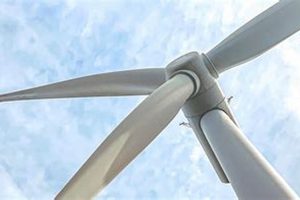
For instance, protective coatings applied to wind turbine blades shield against erosion caused by rain, dust, and airborne particles. This protection maintains aerodynamic efficiency and prevents premature failure. Similarly, anti-corrosion coatings applied to offshore wind turbine structures safeguard against the corrosive effects of seawater, ensuring long-term structural integrity. In solar energy applications, specialized coatings protect photovoltaic panels from UV degradation, preserving their power output over extended periods. These practical examples underscore the critical role of coatings in mitigating degradation and maximizing the operational life of renewable energy assets.
Understanding the degradation mechanisms specific to each renewable energy technology informs the selection and design of appropriate protective coatings. Tailoring coating properties to address specific environmental challenges is crucial for optimizing performance and durability. Continuous research and development efforts focus on developing advanced coating materials with enhanced resistance to degradation, further contributing to the long-term sustainability and cost-effectiveness of renewable energy systems. Addressing challenges related to coating adhesion, long-term stability, and environmental impact remains crucial for maximizing the benefits of these protective measures.
3. Improved Efficiency

Improved efficiency stands as a critical objective in the development and deployment of renewable energy technologies. Specialized coatings offer significant potential for enhancing the efficiency of various renewable energy systems, directly impacting energy output and overall cost-effectiveness. By minimizing energy losses and maximizing energy conversion, these coatings contribute to the economic viability and widespread adoption of renewable energy sources.
- Reduced Energy Losses:
Coatings play a crucial role in minimizing energy losses in renewable energy systems. Anti-reflective coatings on solar panels, for example, reduce reflection and maximize light absorption, increasing the amount of energy converted into electricity. Similarly, low-friction coatings applied to wind turbine components minimize mechanical losses, enhancing energy capture from wind. Reducing these energy losses translates directly into increased power output and improved overall system efficiency.
- Optimized Energy Conversion:
Coatings can be engineered to optimize energy conversion processes within renewable energy systems. Selective absorber coatings used in concentrated solar power systems, for example, efficiently absorb specific wavelengths of light, maximizing heat transfer and energy conversion. Similarly, specialized coatings in fuel cells enhance electrochemical reactions, leading to improved conversion of chemical energy into electrical energy. Optimizing these processes results in increased power generation and improved overall efficiency.
- Enhanced Durability and Lifespan:
Protective coatings enhance the durability and lifespan of renewable energy components, indirectly contributing to improved efficiency. By mitigating degradation from environmental factors such as UV radiation, moisture, and temperature fluctuations, these coatings maintain the performance and operational lifespan of key components. This extended lifespan reduces the need for frequent replacements and maintenance, ultimately improving long-term efficiency and cost-effectiveness.
- Improved Heat Transfer:
In applications involving heat transfer, specialized coatings can significantly improve efficiency. For example, coatings with enhanced thermal conductivity applied to heat exchangers in solar thermal systems facilitate efficient heat transfer, maximizing energy capture and utilization. Similarly, thermal barrier coatings in concentrated solar power systems minimize heat loss, improving overall system efficiency. Optimizing heat transfer through specialized coatings contributes to increased energy output and improved overall performance.
These facets of improved efficiency, enabled by specialized coatings, collectively contribute to the advancement and widespread adoption of renewable energy technologies. By minimizing energy losses, optimizing energy conversion, and enhancing durability, these coatings enhance the performance, cost-effectiveness, and long-term sustainability of renewable energy systems. Continued research and development in coating technologies hold significant promise for further improving efficiency and driving the transition towards a sustainable energy future.
4. Extended Lifespan

Extending the operational lifespan of renewable energy infrastructure represents a critical factor in maximizing return on investment and minimizing environmental impact. Specialized coatings play a crucial role in achieving this objective by protecting components from degradation, reducing maintenance requirements, and ensuring long-term performance. The extended lifespan offered by effective coatings contributes significantly to the economic viability and sustainability of renewable energy systems.
- Protection Against Environmental Degradation
Coatings provide a barrier against environmental factors that contribute to material degradation, such as UV radiation, moisture, temperature fluctuations, and particulate matter. For example, specialized coatings on wind turbine blades protect against erosion and corrosion, extending their operational life. Similarly, coatings on solar panels shield against UV degradation, preserving their power output over extended periods. This protection minimizes the need for premature replacements and reduces maintenance costs.
- Reduced Maintenance and Repair
By protecting components from wear and tear, coatings minimize the frequency and extent of maintenance and repair activities. This reduction in maintenance translates directly into cost savings and increased operational uptime. For instance, anti-fouling coatings on marine renewable energy devices reduce the need for frequent cleaning, minimizing downtime and maximizing energy generation. Similarly, corrosion-resistant coatings on offshore wind turbine structures reduce the need for costly repairs, extending their operational lifespan.
- Enhanced Durability and Reliability
Coatings enhance the durability and reliability of renewable energy components, ensuring consistent performance over extended periods. This enhanced durability contributes to the long-term stability and predictability of energy generation, reducing the risk of unexpected failures and maximizing the return on investment. Durable coatings on solar panels, for instance, ensure consistent power output over their lifespan, contributing to the reliability of solar energy systems. Similarly, robust coatings on hydropower turbine components maintain their performance in harsh operating conditions, ensuring reliable energy generation.
- Improved Economic Viability
The extended lifespan offered by effective coatings significantly improves the economic viability of renewable energy projects. By reducing maintenance costs, minimizing downtime, and extending the operational life of assets, coatings contribute to a lower levelized cost of energy. This improved cost-effectiveness makes renewable energy more competitive with traditional energy sources, accelerating the transition towards a sustainable energy future.
The extended lifespan achieved through the application of specialized coatings directly contributes to the long-term sustainability and economic viability of renewable energy systems. By protecting against degradation, reducing maintenance, and enhancing durability, these coatings maximize the return on investment and minimize the environmental impact of renewable energy technologies. Continued advancements in coating technologies promise even greater lifespan extensions, further enhancing the sustainability and cost-effectiveness of renewable energy solutions.
5. Cost-effectiveness
Cost-effectiveness represents a critical factor in the widespread adoption and long-term viability of renewable energy technologies. Specialized coatings contribute significantly to the cost-effectiveness of these systems by enhancing performance, extending operational lifespan, and reducing maintenance requirements. The initial investment in high-quality coatings often yields substantial long-term cost savings through improved efficiency, reduced downtime, and extended asset life. This economic benefit plays a crucial role in making renewable energy more competitive with traditional energy sources.
For example, anti-reflective coatings on solar panels increase energy capture, leading to higher electricity generation and a faster return on investment. Similarly, protective coatings on wind turbine blades mitigate erosion and corrosion, reducing maintenance costs and extending operational lifespan. In concentrated solar power systems, specialized coatings optimize heat transfer and minimize heat loss, improving overall system efficiency and reducing operating costs. These real-world examples demonstrate the tangible cost benefits associated with implementing high-performance coatings in renewable energy systems. Furthermore, reduced maintenance requirements translate to lower labor costs and minimized downtime, further enhancing cost-effectiveness.
A comprehensive cost-benefit analysis considering the initial investment, performance improvements, operational lifespan, and maintenance costs is essential for evaluating the economic viability of coating solutions. While specialized coatings may represent an upfront cost, their long-term benefits often outweigh the initial investment. Balancing performance enhancement with cost considerations is crucial for optimizing the overall economic viability of renewable energy projects. This careful evaluation ensures that investments in coatings contribute effectively to reducing the levelized cost of energy and accelerating the transition to a sustainable energy future.
Frequently Asked Questions about Coatings for Renewable Energy
This section addresses common inquiries regarding the role and importance of specialized coatings in renewable energy systems.
Question 1: How do coatings enhance the efficiency of solar panels?
Coatings, such as anti-reflective layers, minimize light reflection and maximize absorption, increasing the amount of light reaching the solar cells and thus improving electricity generation.
Question 2: What types of coatings are used on wind turbine blades?
Coatings applied to wind turbine blades typically include anti-erosion coatings to protect against rain and particulate matter, and anti-icing coatings to prevent ice buildup, maintaining aerodynamic efficiency.
Question 3: How do coatings contribute to the longevity of renewable energy infrastructure?
Coatings provide protection against environmental factors like UV radiation, moisture, and temperature fluctuations, mitigating degradation and extending the operational lifespan of components.
Question 4: Are specialized coatings cost-effective for renewable energy systems?
While representing an initial investment, specialized coatings offer long-term cost savings through improved efficiency, reduced maintenance, and extended lifespan of components.
Question 5: What are the key challenges in developing effective coatings for renewable energy applications?
Challenges include ensuring long-term stability and durability in harsh environments, optimizing performance for specific applications, and developing cost-effective manufacturing processes.
Question 6: What is the future outlook for coatings in the renewable energy sector?
Ongoing research and development efforts focus on advanced materials and innovative coating designs to further enhance performance, durability, and cost-effectiveness, driving continued advancements in renewable energy technologies.
Understanding the function and benefits of coatings is crucial for optimizing the performance and longevity of renewable energy systems. Continued innovation in this field promises to further enhance the efficiency and cost-effectiveness of renewable energy technologies.
For further information, explore specific coating applications within different renewable energy technologies in the following sections.
Coatings for Renewable Energy
Coatings for renewable energy systems represent a critical area of development for enhancing performance, durability, and cost-effectiveness. This exploration has highlighted the diverse functionalities of coatings, ranging from anti-reflective properties for improved light absorption in solar panels to protective barriers against environmental degradation in wind turbine blades. The analysis underscored the significance of material selection, application techniques, and environmental considerations in optimizing coating performance and maximizing the operational lifespan of renewable energy infrastructure. Furthermore, the economic benefits associated with reduced maintenance, extended lifespan, and improved efficiency were emphasized.
Continued advancements in materials science and coating technologies hold immense potential for further optimizing renewable energy systems. Addressing challenges related to long-term stability, environmental impact, and cost-effective manufacturing processes will be crucial for widespread implementation and realizing the full potential of coatings for a sustainable energy future. Further research and development in this field are essential for driving innovation and accelerating the transition towards a cleaner, more efficient, and sustainable energy landscape.