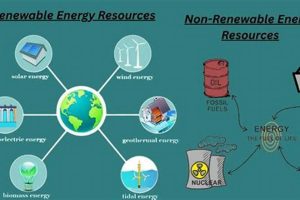
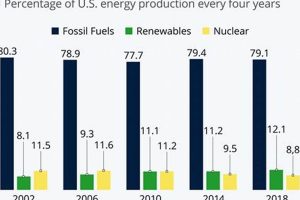
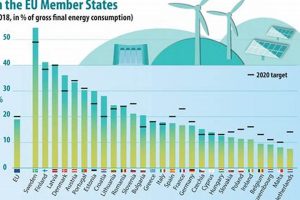
Electric vehicles utilize electricity for propulsion rather than burning fossil fuels. While the vehicles themselves do not directly consume fossil fuels, the source of the electricity used to charge them determines their overall environmental impact. For instance, charging an electric vehicle with electricity generated from coal-fired power plants still results in greenhouse gas emissions. Conversely, using solar, wind, or hydroelectric power creates a cleaner transportation option.
Decoupling transportation from fossil fuel dependence offers significant potential benefits, including reduced air pollution and greenhouse gas emissions, contributing to cleaner air and a healthier environment. The shift towards cleaner transportation is gaining momentum as concerns about climate change and air quality increase, driving innovation in battery technology and renewable energy generation. Historically, transportation has been heavily reliant on fossil fuels, but advancements in technology are paving the way for a transition to more sustainable alternatives.
This discussion explores the relationship between electric vehicles and the electricity grid, examining the various energy sources used to generate electricity and their respective environmental impacts. Further analysis will consider the lifecycle emissions of electric vehicles, comparing them to conventional gasoline-powered vehicles, and exploring the potential of renewable energy integration to create a truly sustainable transportation system.
Tips for Evaluating Electric Vehicle Sustainability
Maximizing the environmental benefits of electric vehicles requires careful consideration of several factors. The following tips offer guidance on assessing the true sustainability of electric mobility.
Tip 1: Understand Your Electricity Source: Research the primary energy sources used to generate electricity in your region. Areas heavily reliant on coal-fired power plants offer fewer emissions reductions compared to regions with a higher proportion of renewable energy sources.
Tip 2: Consider Time-of-Use Charging: Charging during off-peak hours, often when renewable energy generation is higher, can minimize reliance on fossil fuel-based electricity. Many utility companies offer time-of-use rate plans to incentivize this practice.
Tip 3: Explore Home Renewable Energy Options: Investing in rooftop solar panels or participating in community solar programs can directly power electric vehicle charging with clean energy, further reducing environmental impact.
Tip 4: Evaluate Vehicle Efficiency: Different electric vehicle models have varying efficiency levels. Choosing a more efficient model maximizes the distance traveled per unit of electricity consumed.
Tip 5: Advocate for Renewable Energy Policies: Supporting policies that promote renewable energy development contributes to a cleaner electricity grid, ultimately enhancing the sustainability of electric vehicle operation.
Tip 6: Consider the Full Lifecycle Impact: Battery production and vehicle manufacturing have environmental footprints. Research manufacturers committed to sustainable practices throughout the vehicle lifecycle.
By understanding these key aspects of electric vehicle ownership, individuals can make informed choices that maximize the environmental benefits and contribute to a more sustainable transportation future.
These tips provide a foundation for evaluating electric vehicle sustainability. The following section concludes with a broader perspective on the evolving role of electric vehicles in the transition to a cleaner energy system.
1. Electricity Source

The environmental impact of electric vehicles hinges critically on the source of electricity used to charge them. A direct causal relationship exists between the emissions produced during electricity generation and the overall emissions attributed to electric vehicle operation. If the electricity grid is primarily powered by fossil fuels like coal or natural gas, charging an electric vehicle still contributes to greenhouse gas emissions, albeit often less than a comparable gasoline-powered vehicle. Conversely, when renewable energy sources like solar, wind, or hydroelectricity dominate the grid, electric vehicles offer a significantly cleaner transportation option. For instance, an electric vehicle charged in a region with a high percentage of coal-powered electricity might have a comparable carbon footprint to a highly efficient gasoline-powered car, while the same electric vehicle charged in a region relying primarily on hydropower would have a substantially lower footprint. This underscores the importance of considering the electricity source as a primary component in evaluating the overall environmental impact of electric vehicles.
The practical significance of understanding this connection lies in informing consumer choices and policy decisions. Consumers can make more informed decisions about the environmental benefits of electric vehicle ownership by researching the energy mix in their region. This knowledge empowers individuals to choose charging times that align with periods of higher renewable energy generation, further minimizing their impact. Furthermore, this understanding informs policy decisions regarding renewable energy investments and grid decarbonization efforts. Promoting policies that accelerate the transition to renewable energy sources is crucial for maximizing the environmental benefits of electric vehicles and achieving broader sustainability goals. For example, regions investing heavily in solar or wind power can leverage electric vehicle adoption as a key strategy for reducing transportation emissions and improving air quality.
In conclusion, the source of electricity plays a defining role in the environmental impact of electric vehicles. Evaluating the “well-to-wheel” emissions, encompassing both electricity generation and vehicle operation, provides a complete picture of the true environmental costs. Challenges remain in regions heavily reliant on fossil fuels, highlighting the critical need for continued investment in renewable energy infrastructure and grid modernization. Ultimately, the full potential of electric vehicles as a sustainable transportation solution will be realized only through a parallel transition to a cleaner, more renewable electricity grid.
2. Well-to-wheel emissions

Well-to-wheel emissions analysis provides a comprehensive assessment of the total emissions associated with a vehicle’s operation, encompassing all stages from fuel source extraction or electricity generation to the vehicle’s actual use on the road. This analysis is crucial for evaluating the true environmental impact of electric vehicles and comparing them accurately to conventional gasoline-powered vehicles. While electric vehicles produce zero tailpipe emissions, the electricity used to charge them often originates from power plants that emit greenhouse gases. Therefore, a complete well-to-wheel analysis must consider the emissions associated with electricity generation. For example, an electric vehicle charged using electricity generated from a coal-fired power plant will have higher well-to-wheel emissions than one charged using solar or wind power. Furthermore, factors like transmission losses in the electricity grid and the efficiency of the vehicle’s charging system also contribute to the overall well-to-wheel emissions calculation.
The well-to-wheel emissions concept allows for a more nuanced understanding of the environmental trade-offs associated with different vehicle technologies and energy sources. It enables policymakers and consumers to make informed decisions about transportation choices and infrastructure investments. For instance, understanding the well-to-wheel emissions profile of electric vehicles in a specific region can inform decisions about investing in renewable energy infrastructure to support electric vehicle adoption and minimize overall emissions. Comparing the well-to-wheel emissions of electric vehicles powered by different electricity sources highlights the importance of decarbonizing the electricity grid to maximize the environmental benefits of electric mobility. Moreover, this analysis can inform the development of policies that incentivize the use of cleaner electricity sources for charging electric vehicles, such as time-of-use electricity pricing or renewable energy credits.
In summary, well-to-wheel emissions analysis provides a critical framework for evaluating the true environmental impact of electric vehicles. By considering the entire lifecycle of energy production and consumption, from the “well” to the “wheel,” a more complete picture emerges, enabling informed decision-making and promoting the transition to a truly sustainable transportation system. While electric vehicles offer significant potential for emissions reductions, realizing this potential requires a concurrent focus on decarbonizing the electricity grid. The well-to-wheel perspective underscores the interconnectedness of the transportation and energy sectors and highlights the importance of integrated strategies for achieving broader sustainability goals.
3. Battery Production

Battery production is a critical aspect of electric vehicle manufacturing, with significant implications for the overall environmental impact and sustainability of electric mobility. While electric vehicles offer a cleaner alternative to gasoline-powered cars during operation, the manufacturing process, particularly battery production, presents environmental challenges that must be addressed to achieve true sustainability. Understanding the complexities of battery production is essential for evaluating the full lifecycle emissions of electric vehicles and informing strategies for minimizing their environmental footprint.
- Mining and Material Sourcing
The extraction of raw materials, such as lithium, cobalt, and nickel, essential for battery production, raises concerns regarding environmental damage and social responsibility. Mining operations can contribute to habitat destruction, water pollution, and greenhouse gas emissions. Furthermore, the sourcing of these materials often occurs in regions with complex geopolitical dynamics, raising ethical considerations regarding labor practices and resource management. For example, cobalt mining in the Democratic Republic of Congo has been linked to human rights abuses and environmental degradation. Therefore, sustainable battery production requires responsible sourcing practices and transparent supply chains that prioritize environmental protection and social equity.
- Manufacturing Processes
The manufacturing of battery cells involves energy-intensive processes and the use of various chemicals, contributing to the overall environmental footprint of battery production. Optimizing these processes to minimize energy consumption and waste generation is crucial for reducing the environmental impact. Furthermore, ensuring the responsible management of chemical byproducts and waste streams is essential for preventing pollution and protecting human health. For instance, advancements in battery recycling technologies can help recover valuable materials and reduce the reliance on virgin materials, further lowering the environmental burden.
- Energy Consumption
Battery production requires significant energy input, and the source of this energy directly influences the overall environmental footprint. Using renewable energy sources for battery manufacturing can significantly reduce greenhouse gas emissions and enhance the sustainability of electric vehicles. For example, battery factories powered by solar or wind energy can minimize their reliance on fossil fuels, reducing their contribution to climate change. As the electricity grid transitions towards cleaner energy sources, the environmental impact of battery production can be further minimized.
- Lifecycle Analysis
Conducting a comprehensive lifecycle analysis of battery production, from raw material extraction to end-of-life management, is crucial for identifying environmental hotspots and informing strategies for improvement. This analysis considers all stages of the battery lifecycle, including mining, manufacturing, use, and recycling or disposal. By understanding the environmental impacts at each stage, targeted interventions can be implemented to minimize the overall footprint. For instance, designing batteries for recyclability and developing efficient recycling processes can help recover valuable materials and reduce the need for new mining, creating a more circular and sustainable battery economy.
These facets of battery production highlight the complex interplay between electric vehicle technology and environmental sustainability. While electric vehicles offer significant potential for reducing emissions from transportation, addressing the environmental challenges associated with battery production is crucial for realizing the full benefits of electric mobility. Continued innovation in battery technology, responsible sourcing practices, and a shift towards cleaner energy sources for manufacturing are essential for creating a truly sustainable electric vehicle industry. The environmental impact of battery production underscores the importance of considering the full lifecycle of electric vehicles, from material extraction to end-of-life management, in the pursuit of a cleaner and more sustainable transportation future.
4. Grid Dependency

Electric vehicles’ reliance on the power grid is a defining characteristic, directly influencing their environmental impact and overall sustainability. This dependence intrinsically links electric vehicle operation to the characteristics of the electricity grid, including the mix of energy sources and grid stability. The source of electricity used to charge electric vehicles determines the ultimate emissions associated with their operation. If the grid is predominantly powered by fossil fuels, charging an electric vehicle still contributes to greenhouse gas emissions, albeit often less than a comparable gasoline-powered car. Conversely, a grid powered primarily by renewable sources like solar, wind, or hydro results in significantly lower emissions from electric vehicles. This dependence highlights the critical need for grid decarbonization to maximize the environmental benefits of electric mobility. For example, regions with a high percentage of coal-powered electricity may see limited emissions reductions from electric vehicle adoption compared to regions with a cleaner electricity mix. The grid’s capacity to handle increased demand from electric vehicle charging is also crucial. As electric vehicle adoption grows, ensuring grid stability and reliability becomes increasingly important. Investing in grid modernization and smart charging technologies can help manage this increased demand and optimize the integration of electric vehicles into the existing infrastructure.
The grid dependency of electric vehicles presents both challenges and opportunities. The existing grid infrastructure in many regions is not designed to handle the potential surge in electricity demand from widespread electric vehicle adoption. This necessitates significant investments in grid upgrades and expansion to ensure reliability and prevent overloads. Furthermore, managing the variability of renewable energy sources like solar and wind power requires sophisticated grid management systems and energy storage solutions to maintain a stable supply of electricity for charging. However, this dependency also presents an opportunity to leverage electric vehicles as a valuable asset for grid stability. Through smart charging technologies and vehicle-to-grid (V2G) systems, electric vehicles can act as distributed energy storage resources, helping to balance supply and demand and enhance grid resilience. For instance, electric vehicles could potentially provide ancillary services to the grid, such as frequency regulation, by discharging stored energy during periods of peak demand or grid instability. This interplay between electric vehicles and the grid presents a dynamic landscape with significant implications for the future of both transportation and energy systems.
In conclusion, the grid dependency of electric vehicles is a crucial factor in determining their overall sustainability. While electric vehicles offer a cleaner mode of transportation than conventional gasoline-powered vehicles, their environmental impact is inextricably linked to the characteristics of the electricity grid. Decarbonizing the grid through increased reliance on renewable energy sources is essential for maximizing the emissions reduction potential of electric vehicles. Furthermore, addressing the challenges of grid capacity and stability is crucial for accommodating the growing adoption of electric vehicles. By investing in grid modernization, smart charging technologies, and exploring innovative solutions like V2G, electric vehicles can become an integral part of a more sustainable and resilient energy future. The transition to electric mobility necessitates a holistic approach that considers the interconnectedness of transportation and energy systems, recognizing the crucial role of the grid in achieving a truly sustainable transportation future. The grid dependency of electric vehicles is not merely a technical challenge; it is a defining element of their potential to contribute to a cleaner, more sustainable future.
5. Renewable Integration

Renewable integration is inextricably linked to the environmental impact and sustainability of electric vehicles. The increasing incorporation of renewable energy sources, such as solar, wind, and hydropower, into the electricity grid directly influences the overall emissions associated with electric vehicle operation. This connection hinges on the principle that the source of electricity used to charge an electric vehicle determines its true carbon footprint. When electric vehicles are charged with electricity generated from renewable sources, their operational emissions are significantly reduced, contributing to a cleaner transportation sector. Conversely, if the electricity grid is predominantly powered by fossil fuels, the emissions benefits of electric vehicles are diminished. For instance, in regions with a high penetration of wind power, electric vehicle charging contributes minimally to greenhouse gas emissions, whereas in areas heavily reliant on coal-fired power plants, the emissions impact remains substantial. This causal relationship underscores the importance of renewable integration as a key component in achieving a sustainable electric vehicle ecosystem.
The practical significance of this understanding lies in its ability to inform policy decisions and guide investments in renewable energy infrastructure. Accelerating the transition to a cleaner electricity grid through increased renewable integration is crucial for maximizing the environmental benefits of electric vehicles. This can be achieved through various policy mechanisms, such as renewable portfolio standards, tax incentives for renewable energy development, and investments in grid modernization to accommodate the intermittent nature of renewable sources. Real-world examples demonstrate the tangible benefits of this approach. Denmark, with its high proportion of wind power, showcases how significant emissions reductions can be achieved through the combined adoption of electric vehicles and renewable energy integration. Conversely, regions with limited renewable energy penetration face the challenge of mitigating the emissions associated with electric vehicle charging through targeted investments in renewable energy infrastructure. Furthermore, advancements in smart charging technologies and vehicle-to-grid (V2G) systems can optimize the integration of electric vehicles into a grid with a high proportion of renewable energy, enhancing grid stability and maximizing the utilization of renewable resources. For example, V2G technology allows electric vehicles to act as distributed energy storage units, absorbing excess renewable energy during periods of high generation and discharging it back to the grid during periods of peak demand, effectively smoothing out the intermittency of renewable sources.
In summary, the integration of renewable energy sources into the electricity grid is fundamental to realizing the full sustainability potential of electric vehicles. The direct correlation between the source of electricity and the emissions associated with electric vehicle operation necessitates a concerted effort to decarbonize the grid through increased renewable integration. Policy interventions, technological advancements, and real-world examples demonstrate the importance of this connection in achieving a cleaner transportation sector. While challenges remain in terms of grid infrastructure development and managing the intermittency of renewable sources, the continued progress in renewable integration offers a pathway towards a truly sustainable electric vehicle future. The transition to electric mobility requires a holistic approach that considers the interconnectedness of the transportation and energy sectors, recognizing that the full benefits of electric vehicles can only be achieved through a parallel transition to a cleaner, more renewable-powered electricity grid.
6. Sustainability Potential
Electric vehicles possess significant sustainability potential, but their actual impact depends heavily on broader systemic factors, particularly the nature of electricity generation. While the vehicles themselves produce no tailpipe emissions, their environmental benefits are directly tied to the source of the electricity used to charge them. This intricate relationship requires a comprehensive analysis of the entire energy lifecycle, from electricity generation to vehicle operation, to accurately assess the true sustainability potential of electric vehicles.
- Decarbonizing the Transportation Sector
Electric vehicles offer a pathway to decarbonizing the transportation sector, a significant contributor to global greenhouse gas emissions. Replacing gasoline-powered vehicles with electric counterparts powered by renewable energy sources can substantially reduce emissions and improve air quality. For instance, a city transitioning its public transportation fleet to electric buses charged with solar power can significantly decrease its carbon footprint and enhance public health. However, if the electricity powering these vehicles comes from coal-fired power plants, the emissions reductions are considerably less. The effectiveness of electric vehicles as a decarbonization tool depends critically on the decarbonization of the electricity grid itself.
- Reducing Reliance on Fossil Fuels
Widespread adoption of electric vehicles can contribute to reduced reliance on fossil fuels, enhancing energy security and mitigating the geopolitical risks associated with oil dependence. By shifting transportation energy demand from gasoline to electricity, countries can diversify their energy sources and reduce vulnerability to volatile oil markets. Norway, with its high electric vehicle adoption rate and substantial hydropower resources, exemplifies how electric vehicles can contribute to national energy independence. However, realizing this potential requires careful planning and investment in electricity grid infrastructure to ensure sufficient capacity and reliability to support the growing electric vehicle fleet.
- Lifecycle Emissions Considerations
A comprehensive assessment of the sustainability potential of electric vehicles requires consideration of lifecycle emissions, including those associated with battery production and vehicle manufacturing. While operational emissions are significantly lower for electric vehicles compared to gasoline-powered cars, especially when charged with renewable energy, the manufacturing processes involved in battery production can have significant environmental impacts. Responsible sourcing of raw materials, efficient manufacturing processes, and robust battery recycling programs are essential for minimizing the lifecycle emissions of electric vehicles. For example, companies investing in closed-loop battery recycling systems can reduce the environmental burden of battery production and contribute to a more circular economy.
- Grid Integration and Smart Charging
Electric vehicles can play a positive role in grid management and stability through smart charging strategies and vehicle-to-grid (V2G) technologies. Smart charging optimizes charging times to align with periods of low electricity demand or high renewable energy generation, minimizing strain on the grid and maximizing the utilization of clean energy. V2G technology enables electric vehicles to discharge stored energy back to the grid, providing ancillary services and enhancing grid resilience. Pilot programs exploring V2G applications demonstrate the potential of electric vehicles to become active participants in the electricity grid, contributing to grid stability and facilitating greater integration of renewable energy sources.
The sustainability potential of electric vehicles is undeniable, but their true impact hinges on broader systemic changes within the energy sector. Decarbonizing the electricity grid, promoting responsible sourcing and manufacturing practices, and developing smart grid integration strategies are crucial for unlocking the full environmental benefits of electric vehicles. Only through a holistic approach that considers the entire energy lifecycle can electric vehicles achieve their maximum potential as a cornerstone of a sustainable transportation future.
Frequently Asked Questions about Electric Vehicles and Renewable Energy
This section addresses common inquiries regarding the relationship between electric vehicles and renewable energy, clarifying key concepts and dispelling misconceptions.
Question 1: Are electric vehicles inherently renewable?
Electric vehicles themselves are not inherently renewable. Their environmental impact depends on the source of electricity used to charge them. Using renewable energy sources like solar or wind power makes electric vehicle operation significantly cleaner.
Question 2: How do electric vehicle emissions compare to gasoline-powered cars?
Electric vehicles produce zero tailpipe emissions, but their overall emissions depend on the electricity source. A well-to-wheel analysis, considering emissions from electricity generation, provides a complete comparison. In regions with a high proportion of renewable energy, electric vehicles typically have significantly lower emissions than gasoline cars.
Question 3: What is the role of the electricity grid in electric vehicle sustainability?
The electricity grid plays a crucial role. As electric vehicle adoption increases, grid capacity and the proportion of renewable energy sources become critical factors in minimizing emissions and ensuring grid stability.
Question 4: What are the environmental impacts of battery production?
Battery production involves mining and manufacturing processes with environmental impacts. Responsible sourcing of materials, efficient manufacturing, and recycling are essential for minimizing these impacts.
Question 5: How can individuals maximize the environmental benefits of electric vehicles?
Individuals can maximize benefits by charging during off-peak hours, when renewable energy generation is often higher, and by exploring home renewable energy options like solar panels.
Question 6: What is the future of electric vehicles and renewable energy?
The future of electric vehicles and renewable energy is intertwined. Continued growth in renewable energy generation and advancements in battery technology are crucial for maximizing the environmental benefits of electric mobility and achieving a sustainable transportation future. Policy support and ongoing innovation are essential for realizing this vision.
Understanding these key aspects of electric vehicle technology and its relationship with renewable energy empowers informed decision-making and contributes to a more sustainable transportation future. Addressing the complexities of electricity generation, grid infrastructure, and battery production is crucial for maximizing the environmental benefits of electric vehicles.
The following sections delve further into specific aspects of electric vehicle technology, offering deeper insights into their role in the evolving energy landscape.
Are Electric Vehicles Renewable Energy? A Conclusion
The question of whether electric vehicles are renewable energy requires a nuanced understanding of the interconnectedness of transportation and energy systems. Electric vehicles themselves do not generate energy; they consume it. Therefore, their environmental impact is directly tied to the source of the electricity used to charge them. While electric vehicles offer significant potential for emissions reductions compared to conventional gasoline-powered vehicles, this potential is fully realized only when the electricity powering them comes from renewable sources. A comprehensive analysis must consider the entire energy lifecycle, from electricity generation to vehicle operation, including battery production and end-of-life management. The complexities of grid infrastructure, energy storage, and the transition to a decarbonized electricity system are integral to evaluating the true environmental impact of electric vehicles. Regions with a high proportion of renewable energy in their electricity mix offer the greatest potential for emissions reductions through electric vehicle adoption. Conversely, regions heavily reliant on fossil fuel-based electricity generation may see limited emissions benefits from electric vehicle adoption unless accompanied by significant investments in renewable energy infrastructure.
The transition to electric mobility represents a pivotal moment in the evolution of transportation and energy systems. The sustainability of electric vehicles is not solely determined by the technology itself but by the broader context within which they operate. A concerted effort to decarbonize the electricity grid, promote responsible sourcing and manufacturing practices, and develop smart grid integration strategies is essential for maximizing the environmental benefits of electric vehicles. The future of sustainable transportation hinges on the continued development and integration of renewable energy sources, coupled with advancements in battery technology and grid management. The question “are electric vehicles renewable energy?” ultimately prompts a larger societal imperative: to transition towards a cleaner, more sustainable energy future for all.