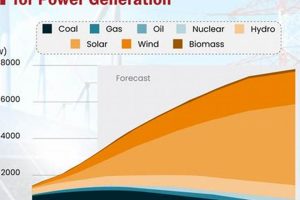
The feasibility of transitioning to a global energy system primarily reliant on sustainable sources like solar, wind, hydro, geothermal, and biomass is a complex question with significant implications. Such a transition would involve not only technological advancements in energy generation, storage, and distribution, but also substantial shifts in infrastructure, economic policies, and societal behavior. For example, widespread adoption of electric vehicles powered by renewable electricity could significantly reduce reliance on fossil fuels in the transportation sector.
A shift towards sustainable energy offers numerous potential advantages, including reduced greenhouse gas emissions and mitigation of climate change, decreased air pollution and improved public health, enhanced energy security through diversified supply chains, and the creation of new economic opportunities in the renewable energy sector. Historically, energy transitions have been gradual processes driven by factors such as resource availability, technological innovation, and economic incentives. The current urgency surrounding climate change, however, necessitates a more rapid and deliberate transition than those witnessed in the past.
This article will delve into the key aspects of a global transition to sustainable energy, exploring the technical challenges and potential solutions, the economic and policy considerations, and the social and environmental impacts of such a transformative shift.
Tips for Transitioning to a Sustainable Energy Future
Achieving a global energy system powered predominantly by renewable sources requires a multifaceted approach. The following tips offer guidance for navigating this complex transition:
Tip 1: Invest in Research and Development: Continued investment in research and development is crucial for improving the efficiency and affordability of renewable energy technologies, including solar photovoltaics, wind turbines, energy storage solutions, and smart grids.
Tip 2: Implement Supportive Policies: Governments play a vital role in accelerating the transition through policies such as carbon pricing, renewable energy mandates, tax incentives, and streamlining permitting processes for renewable energy projects.
Tip 3: Foster International Collaboration: Global cooperation is essential for sharing best practices, coordinating research efforts, and ensuring equitable access to clean energy technologies and resources.
Tip 4: Promote Energy Efficiency: Reducing energy consumption through measures like building insulation, efficient appliances, and sustainable transportation systems can significantly lower the overall demand for energy.
Tip 5: Diversify Energy Sources: A resilient energy system relies on a diverse mix of renewable resources, including solar, wind, hydro, geothermal, and biomass, tailored to the specific geographic and climatic conditions of each region.
Tip 6: Engage Public Support: Public awareness and acceptance are crucial for successful implementation. Educational campaigns and community engagement initiatives can foster understanding and support for renewable energy projects.
Tip 7: Modernize Grid Infrastructure: Upgrading existing grid infrastructure and developing smart grids are essential for efficiently integrating and distributing renewable energy across wider areas.
By implementing these strategies, societies can move closer to a sustainable energy future, realizing the numerous environmental, economic, and social benefits associated with a decarbonized energy system.
The transition to a sustainable energy future presents both challenges and opportunities. By embracing innovation, collaboration, and strategic planning, the world can unlock the full potential of renewable energy and create a cleaner, more secure, and prosperous future for all.
1. Technological Advancements

Technological advancements are pivotal in determining whether renewable energy can meet global energy demands. Innovation across various sectors, from energy generation and storage to grid management and energy efficiency, plays a crucial role in realizing a sustainable energy future. The following facets highlight key areas of technological progress driving the transition towards renewable energy.
- Improved Energy Generation Efficiency
Advancements in materials science and engineering have led to significant improvements in the efficiency of solar panels and wind turbines. For example, perovskite solar cells offer the potential for higher efficiencies and lower manufacturing costs compared to traditional silicon-based cells. Similarly, larger wind turbine blades and improved generator designs are increasing energy capture from wind resources. These advancements are making renewable energy generation increasingly cost-competitive with fossil fuels.
- Advanced Energy Storage Solutions
Addressing the intermittent nature of renewable energy sources requires efficient and cost-effective energy storage solutions. Developments in battery technology, pumped hydro storage, and thermal storage are expanding storage capacity and improving the reliability of renewable energy systems. For instance, the increasing energy density and decreasing cost of lithium-ion batteries are enabling wider adoption of electric vehicles and grid-scale energy storage.
- Smart Grid Technologies
Smart grids leverage digital technologies to optimize energy distribution and management. These grids can integrate diverse renewable energy sources, balance supply and demand in real-time, and enhance grid stability. Smart meters, advanced sensors, and sophisticated control systems are key components of smart grids, enabling more efficient and resilient energy delivery.
- Energy Efficiency Improvements
Reducing energy consumption through technological advancements is crucial for achieving a sustainable energy future. Improvements in building insulation, energy-efficient appliances, and smart home technologies are minimizing energy waste. Furthermore, advancements in electric vehicle technology and public transportation systems are contributing to a more sustainable transportation sector.
These technological advancements, combined with supportive policies and continued investment in research and development, are crucial for enabling a transition to a global energy system powered by renewable sources. The ongoing progress in these areas offers promising pathways towards a cleaner, more secure, and sustainable energy future.
2. Economic Viability

Economic viability represents a critical factor in determining the feasibility of transitioning to a global energy system powered predominantly by renewable sources. The cost-competitiveness of renewable energy technologies, compared to fossil fuels and other energy sources, plays a significant role in driving investment and adoption. Furthermore, the economic implications of this transition extend beyond energy generation costs, encompassing job creation, economic growth, and the financial stability of energy markets.
- Cost of Renewable Energy Technologies
The declining costs of renewable energy technologies, particularly solar photovoltaics and wind power, have made them increasingly competitive with conventional energy sources. Continued cost reductions are essential for accelerating the transition to renewable energy. Factors influencing the cost of renewable energy include technological advancements, economies of scale, and supply chain dynamics.
- Return on Investment and Financing
Renewable energy projects often require significant upfront capital investment. Attracting investment requires demonstrating a favorable return on investment and securing appropriate financing mechanisms. Government incentives, tax credits, and innovative financing models can play a crucial role in stimulating investment in renewable energy projects.
- Job Creation and Economic Growth
The transition to renewable energy can create new job opportunities in manufacturing, installation, maintenance, and research and development. Furthermore, investments in renewable energy can stimulate economic growth and diversify local economies. Analyzing the potential for job creation and economic growth is essential for assessing the overall economic impact of renewable energy deployment.
- Impact on Energy Markets and Geopolitics
The shift towards renewable energy has the potential to reshape global energy markets and geopolitical dynamics. Reduced reliance on fossil fuel imports can enhance energy security and decrease vulnerability to price volatility. Furthermore, the development and deployment of renewable energy technologies can create new economic opportunities and shift global power balances.
The economic viability of renewable energy is intricately linked to the broader question of whether renewable energy can power the world. Favorable economics can drive investment, accelerate deployment, and create a positive feedback loop that further reduces costs and enhances competitiveness. Careful consideration of these economic factors is essential for developing effective strategies and policies that support a sustainable and prosperous energy future.
3. Political Will
Political will constitutes a crucial factor in determining the feasibility of a global transition to renewable energy. Supportive policies and regulations, driven by strong political commitment, are essential for creating an enabling environment for renewable energy development and deployment. The presence or absence of political will can significantly influence the pace of the energy transition and the extent to which renewable energy sources contribute to the global energy mix. Political will translates into concrete actions such as setting ambitious renewable energy targets, implementing carbon pricing mechanisms, providing financial incentives for renewable energy projects, streamlining permitting processes, and investing in research and development. For example, countries with strong political commitment to renewable energy, such as Denmark and Germany, have witnessed rapid growth in their renewable energy sectors.
The effectiveness of policies aimed at promoting renewable energy depends not only on their design but also on the level of political will behind their implementation. Consistent and long-term political support is crucial for overcoming barriers to renewable energy adoption, such as resistance from vested interests in the fossil fuel industry, concerns about the intermittency of renewable sources, and public acceptance challenges. International cooperation and agreements, facilitated by political will at the global level, can further accelerate the transition to renewable energy. The Paris Agreement, for instance, represents a significant step towards international collaboration on climate change mitigation, including promoting renewable energy deployment.
Understanding the role of political will is crucial for effectively advocating for renewable energy policies and holding policymakers accountable for their commitments. Analysis of policy landscapes, political discourse, and regulatory frameworks can provide insights into the level of political will present in different jurisdictions. This understanding can inform strategies for engaging with policymakers, mobilizing public support, and promoting effective policies that drive the transition towards a global energy system powered by renewable sources. The transition represents a complex undertaking with significant technical, economic, and social dimensions, but strong political will can provide the impetus needed to overcome these challenges and achieve a sustainable energy future.
4. Social Acceptance

Social acceptance plays a crucial role in determining the feasibility of transitioning to a global energy system powered predominantly by renewable sources. Public perception, community engagement, and addressing social equity concerns are essential for ensuring the successful implementation of renewable energy projects and policies. Without broad public support and acceptance, the transition to a renewable energy future faces significant challenges. This section explores the multifaceted nature of social acceptance in the context of renewable energy deployment.
- Community Engagement and Participation
Engaging local communities in the planning and development of renewable energy projects is crucial for building trust and fostering ownership. Effective community engagement involves transparent communication, addressing concerns, and providing opportunities for participation in decision-making processes. Examples of successful community engagement include community-owned wind farms and solar cooperatives, where local residents directly benefit from the projects. Such initiatives can enhance social acceptance and facilitate smoother project implementation.
- Public Perception and Attitudes
Public perception of renewable energy technologies can significantly influence their adoption. Factors such as perceived environmental benefits, economic impacts, and aesthetic considerations shape public attitudes towards renewable energy projects. Educational campaigns, public forums, and media engagement can play a vital role in shaping public perception and promoting a more positive view of renewable energy. Understanding public attitudes is crucial for addressing concerns and building broader support for renewable energy deployment.
- Equity and Distributional Justice
Ensuring equitable access to the benefits of renewable energy is essential for fostering social acceptance. Addressing potential disparities in access to clean energy, job opportunities, and economic benefits is crucial for promoting a just and inclusive energy transition. Policies that prioritize energy affordability and address the needs of vulnerable communities can enhance social equity and mitigate potential negative impacts of renewable energy deployment.
- Visual Impacts and Landscape Considerations
The visual impact of renewable energy infrastructure, such as wind turbines and solar farms, can be a source of concern for some communities. Careful siting, landscape integration, and aesthetic considerations are essential for minimizing visual impacts and addressing community concerns. Engaging landscape architects and urban planners in the design and placement of renewable energy projects can help mitigate potential visual impacts and enhance community acceptance.
These facets of social acceptance are interconnected and influence the overall success of renewable energy initiatives. Addressing these social factors, alongside technical and economic considerations, is crucial for creating a sustainable and socially acceptable energy future. By fostering public support, engaging communities, and promoting equitable outcomes, societies can unlock the full potential of renewable energy and pave the way for a cleaner, more secure, and equitable energy system.
5. Grid Infrastructure

Grid infrastructure plays a critical role in determining whether renewable energy can power the world. The existing grid, largely designed for centralized fossil fuel power plants, faces challenges accommodating the decentralized and intermittent nature of renewable sources like solar and wind. Effective integration of renewable energy requires substantial upgrades and modernization of grid infrastructure. This includes investments in transmission lines capable of transporting electricity from remote renewable energy generation sites to population centers, as well as advanced grid management systems that can balance fluctuating renewable energy supply with demand. For instance, Germany’s Energiewende, a policy to transition to renewable energy, necessitates significant grid expansion to connect offshore wind farms in the North Sea to industrial areas in the south.
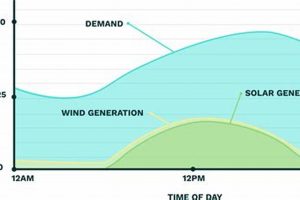
Furthermore, the intermittency of renewable energy sources necessitates innovative grid solutions. Smart grids, equipped with advanced sensors, communication technologies, and control systems, offer a crucial pathway for managing the variability of renewable energy. Smart grids can predict and respond to fluctuations in renewable energy generation, optimize energy distribution, and enhance grid stability. Demand-side management programs, enabled by smart grid technologies, can incentivize consumers to shift their energy usage to times of high renewable energy production, further improving grid integration. Examples include time-of-use electricity pricing and smart appliances that automatically adjust their energy consumption based on grid conditions. Storage solutions, such as batteries and pumped hydro storage, also play a vital role in addressing intermittency and ensuring a reliable energy supply.
Modernizing grid infrastructure is essential for unlocking the full potential of renewable energy. Investments in grid modernization not only facilitate increased renewable energy penetration but also enhance grid resilience, improve energy efficiency, and enable greater consumer participation in the energy system. The challenges associated with grid integration underscore the interconnectedness of various components within the energy system and highlight the need for a holistic approach to the energy transition. Successfully addressing these challenges is crucial for realizing a future where renewable energy powers the world reliably and sustainably.
6. Resource Availability

Resource availability forms a cornerstone of the discussion surrounding the feasibility of a global transition to renewable energy. The distribution and abundance of renewable resources, such as solar irradiance, wind speeds, geothermal activity, and biomass potential, directly influence the viability and effectiveness of different renewable energy technologies in specific geographic locations. Regions with high solar irradiance, like the Sahara Desert, present ideal conditions for large-scale solar power generation. Similarly, coastal areas with consistent strong winds are well-suited for wind energy development. Understanding the spatial distribution of these resources is crucial for optimizing renewable energy deployment and maximizing its potential contribution to the global energy mix. For example, Denmark’s substantial wind resources have enabled the country to become a global leader in wind energy production.
Furthermore, resource availability considerations extend beyond the mere presence of renewable resources to encompass factors such as land use, water requirements, and environmental impacts. Large-scale solar and wind farms require substantial land areas, potentially competing with other land uses such as agriculture or conservation. Water availability is a crucial factor for hydropower generation and concentrated solar power plants, which require significant amounts of water for cooling. Assessing the environmental impacts of resource extraction and processing, such as the mining of materials for solar panels or the impacts of biomass harvesting on ecosystems, is also essential for ensuring the sustainability of renewable energy development. The life-cycle analysis of renewable energy technologies provides a comprehensive assessment of resource requirements and environmental impacts throughout the entire supply chain.
The interplay between resource availability, technological advancements, and policy frameworks determines the ultimate potential of renewable energy to power the world. Mapping resource potential, developing appropriate technologies for specific resource contexts, and implementing policies that incentivize sustainable resource management are crucial steps towards a renewable energy future. Careful consideration of resource availability challenges and opportunities is essential for ensuring that the transition to renewable energy is both environmentally sustainable and economically viable. Understanding these complexities provides a foundation for informed decision-making and effective strategies for achieving a global energy system powered by renewable resources.
7. Storage Solutions

Storage solutions represent a critical link between the potential of renewable energy and its ability to power the world reliably. The intermittent nature of renewable sources, such as solar and wind, necessitates effective storage mechanisms to ensure a consistent energy supply when the sun isn’t shining or the wind isn’t blowing. Without adequate storage, the intermittency of these resources poses a significant challenge to their widespread adoption as primary energy sources. Storage technologies bridge the gap between fluctuating renewable energy generation and consistent energy demand, enabling a more stable and dependable energy system. For example, the Hornsdale Power Reserve in South Australia, a large-scale battery storage facility, provides grid stabilization services and backup power, demonstrating the crucial role of storage in integrating renewable energy.
Several storage technologies offer potential solutions for addressing the intermittency challenge. Pumped hydro storage, a mature technology, utilizes reservoirs at different elevations to store potential energy, releasing it as electricity when needed. Battery storage, rapidly advancing in terms of cost and performance, offers flexibility and scalability for grid-scale and distributed energy storage applications. Other promising technologies include thermal storage, compressed air energy storage, and flow batteries, each with specific advantages and limitations. The choice of storage technology depends on factors such as geographic location, energy demand profiles, and economic considerations. Furthermore, advancements in storage technologies, such as improved battery chemistries and more efficient pumped hydro systems, continue to enhance the viability of renewable energy integration.
The effective integration of storage solutions is paramount for realizing a future where renewable energy powers the world. Storage addresses the inherent intermittency of renewable sources, enabling a reliable and continuous energy supply. Continued innovation in storage technologies, coupled with strategic deployment and supportive policies, will be crucial for overcoming the challenges associated with renewable energy integration and unlocking the full potential of a sustainable energy future. The development and implementation of robust storage solutions represent a key step towards a decarbonized energy system and a more sustainable world.
Frequently Asked Questions
This section addresses common inquiries regarding the feasibility and implications of transitioning to a global energy system powered primarily by renewable sources.
Question 1: What are the primary obstacles to a fully renewable-powered world?
Key challenges include the intermittency of renewable sources like solar and wind, the need for substantial investments in grid infrastructure and energy storage, and the development of cost-effective solutions for sectors like heavy industry and long-distance transportation.
Question 2: How quickly could a transition to renewable energy occur?
The pace of transition depends on factors such as technological advancements, policy support, investment levels, and public acceptance. While a rapid transition is necessary to mitigate climate change, the timeframe for a complete transition remains a complex issue.
Question 3: Are renewable energy sources truly sustainable?
While generally considered sustainable, renewable energy technologies have environmental impacts. Life-cycle assessments of these technologies are necessary to evaluate their overall environmental footprint and ensure responsible resource management.
Question 4: Could renewable energy meet global energy demand?
Studies suggest that renewable resources have the technical potential to meet global energy demand. However, realizing this potential requires significant advancements in energy storage, grid management, and energy efficiency.
Question 5: What role does energy storage play in a renewable energy future?
Energy storage is crucial for addressing the intermittency of renewable sources. Technologies like batteries, pumped hydro storage, and thermal storage enable a continuous energy supply even when renewable generation is low.
Question 6: How can individuals contribute to the transition to renewable energy?
Individuals can contribute by adopting energy-efficient practices, supporting policies that promote renewable energy, investing in renewable energy technologies, and advocating for a sustainable energy future.
Transitioning to a global energy system powered by renewable resources presents both challenges and opportunities. Addressing these complexities requires a multifaceted approach encompassing technological innovation, policy support, economic incentives, and public engagement.
For further exploration of specific aspects of this transition, please refer to the preceding sections of this article.
Could Renewable Energy Power the World? A Concluding Perspective
The feasibility of a global transition to renewable energy has been explored through an examination of technological advancements, economic viability, political will, social acceptance, grid infrastructure requirements, resource availability, and the crucial role of energy storage solutions. While substantial challenges remain, the technological progress in renewable energy generation, coupled with decreasing costs and growing political momentum, suggests a significant potential for renewable sources to play a dominant role in the future global energy mix. However, realizing this potential necessitates a concerted effort across all sectors, addressing not only technological hurdles but also economic, social, and political considerations.
The transition to a world powered predominantly by renewable energy represents a complex yet crucial undertaking. The decisions made today will shape the energy landscape of tomorrow and determine the extent to which humanity can mitigate climate change and create a sustainable energy future. Further research, innovation, and collaborative action are essential to navigate the challenges ahead and unlock the full potential of renewable energy to power the world, ensuring a cleaner, more secure, and sustainable future for generations to come.