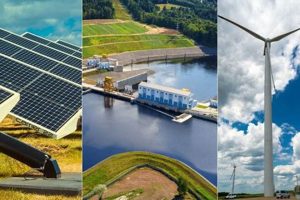
A commitment to achieving one hundred percent renewable energy generation within the United Kingdom represents a significant shift towards energy independence and environmental sustainability. This involves transitioning away from fossil fuels like coal, oil, and natural gas to sources such as wind, solar, hydro, and geothermal power. An example of this commitment in action might include large-scale offshore wind farms, widespread solar panel installations, and investment in energy storage technologies.
The pursuit of complete reliance on renewable sources offers numerous potential advantages. A reduction in greenhouse gas emissions and improved air quality contribute to mitigating climate change and enhancing public health. Furthermore, increased energy security through diversification of supply reduces reliance on volatile global fossil fuel markets. Historically, the UK has relied heavily on fossil fuels, but growing environmental awareness and technological advancements have driven the push towards cleaner energy solutions.
This transition necessitates examining various aspects of the energy sector. Topics such as grid stability, energy storage solutions, the role of smart grids, and the economic impacts of this transformation require careful consideration. Furthermore, understanding public perception, policy frameworks, and future technological innovations is crucial for successful implementation.
Tips for Supporting a Transition to 100% Renewable Energy in the UK
Individuals, businesses, and communities can contribute to the transition towards a fully renewable energy system. The following tips offer practical actions and considerations for supporting this vital shift.
Tip 1: Reduce Energy Consumption: Minimizing energy use through efficiency improvements lowers overall demand, making the transition to renewable sources more manageable. Examples include upgrading insulation, switching to energy-efficient appliances, and adopting smart home technologies.
Tip 2: Invest in Renewable Energy Technologies: Direct investment in renewable technologies, such as installing solar panels or participating in community-owned wind farms, actively supports the growth of the renewable energy sector.
Tip 3: Advocate for Supportive Policies: Engaging with local and national government representatives to advocate for policies that incentivize renewable energy development and accelerate the transition is crucial for creating a supportive regulatory environment.
Tip 4: Support Businesses Committed to Renewable Energy: Choosing to patronize businesses that prioritize renewable energy sources helps create market demand for sustainable practices.
Tip 5: Stay Informed and Educate Others: Staying up-to-date on advancements in renewable energy technologies and sharing this knowledge with others helps raise awareness and build public support.
Tip 6: Consider Electric Vehicles: Transitioning to electric vehicles powered by renewable energy reduces reliance on fossil fuels in the transportation sector, further contributing to a cleaner energy future.
Tip 7: Explore Green Energy Tariffs: Switching to an energy tariff that sources electricity from renewable generators supports the development of these technologies.
By adopting these strategies, individuals and organizations can contribute meaningfully to a more sustainable energy future, driving the UK towards its renewable energy goals. These actions collectively contribute to environmental, economic, and energy security benefits.
The transition to a fully renewable energy system requires concerted effort across all sectors of society. Understanding the challenges and opportunities associated with this shift is essential for successful implementation.
1. Energy Independence

Energy independence represents a crucial driver and outcome of transitioning to a fully renewable energy system within the United Kingdom. Currently, reliance on imported fossil fuels creates vulnerability to global price fluctuations and geopolitical instability. A shift towards domestically sourced renewable energy reduces this dependence, enhancing national energy security. This transition necessitates substantial investment in renewable energy infrastructure, creating new industries and jobs while reducing the outflow of capital associated with fossil fuel imports. For instance, developing large-scale offshore wind projects in the North Sea not only generates clean energy but also fosters a domestic supply chain, reducing reliance on imported energy sources.
Furthermore, achieving energy independence through renewable sources offers greater control over energy pricing. While fossil fuel prices are subject to global market forces, the cost of renewable energy is largely determined by upfront investment and ongoing maintenance, becoming increasingly predictable over time. This predictability allows for more stable energy planning and reduces economic vulnerability to external shocks. Moreover, distributed generation models, such as rooftop solar panels and community-owned wind farms, empower individuals and communities to participate directly in energy production, further decentralizing the energy system and enhancing resilience.
In conclusion, energy independence serves as both a motivation and a key benefit of the transition to 100% renewable energy in the UK. This shift strengthens national energy security, stabilizes energy prices, and stimulates economic growth through domestic investment. While challenges remain in terms of infrastructure development and grid management, the long-term benefits of energy independence underscore the importance of continued investment and policy support for the renewable energy sector. This transition contributes not only to a more secure energy future but also to a more sustainable and resilient economy.
2. Emissions Reduction

Emissions reduction is intrinsically linked to the pursuit of 100% renewable energy in the UK. Transitioning away from fossil fuels, the primary source of greenhouse gas emissions, is crucial for mitigating climate change and improving air quality. This transition requires a multifaceted approach encompassing various sectors and technologies.
- Power Generation
Replacing fossil fuel-based power plants with renewable energy sources like wind, solar, and hydro significantly reduces carbon dioxide emissions. The UK’s increasing offshore wind capacity, for example, demonstrates this shift towards cleaner electricity generation. This decarbonization of the power sector is fundamental to achieving national emissions reduction targets.
- Transportation
Transportation is a major contributor to greenhouse gas emissions. The transition to electric vehicles powered by renewable energy sources plays a vital role in decarbonizing this sector. Government incentives for electric vehicle adoption and investment in charging infrastructure are key components of this transition. Furthermore, promoting sustainable transport options like cycling and public transport further reduces reliance on fossil fuel-powered vehicles.
- Heating and Cooling
Heating and cooling buildings account for a substantial portion of energy consumption and emissions. Switching to renewable heating solutions, such as heat pumps powered by renewable electricity, and improving building insulation reduces energy demand and associated emissions. Government initiatives promoting energy efficiency retrofits in existing buildings are crucial for achieving deep emissions cuts in this sector.
- Industrial Processes
Many industrial processes rely on fossil fuels for heat and energy. Transitioning to renewable energy sources, such as biomass and green hydrogen, offers significant emissions reduction potential. Supporting research and development of innovative industrial processes that utilize renewable energy is crucial for decarbonizing this sector. For example, using green hydrogen in steel production offers a pathway towards lower-emission manufacturing.
These interconnected facets of emissions reduction highlight the comprehensive nature of the transition to 100% renewable energy in the UK. Decarbonizing the power sector, transportation, heating, and industrial processes requires a coordinated effort involving technological innovation, policy support, and public engagement. Successful implementation of these strategies is essential for achieving ambitious emissions reduction targets and mitigating the impacts of climate change. The shift to renewable energy represents not only an environmental imperative but also an opportunity for economic growth and enhanced energy security.
3. Economic Growth

The pursuit of 100% renewable energy in the UK presents significant opportunities for economic growth. This transition necessitates substantial investments across various sectors, creating new industries, jobs, and export opportunities. The development, manufacturing, installation, and maintenance of renewable energy technologies, such as wind turbines, solar panels, and energy storage systems, stimulate economic activity and generate employment. For example, the growth of the offshore wind industry in the UK has created thousands of jobs in coastal communities and spurred investment in port infrastructure and manufacturing facilities. Furthermore, the development of a domestic supply chain for renewable energy technologies reduces reliance on imports and strengthens the UK’s manufacturing base.
Beyond direct job creation, the transition to renewable energy fosters innovation and technological advancements, driving further economic growth. Investment in research and development of new renewable energy technologies, smart grids, and energy storage solutions creates opportunities for businesses and researchers to develop cutting-edge solutions. These innovations can then be exported globally, creating new markets and revenue streams for UK companies. Moreover, the shift to renewable energy reduces the UK’s vulnerability to volatile fossil fuel prices, providing greater price stability and reducing the economic burden of energy imports. This stability creates a more predictable environment for businesses to invest and grow.
In conclusion, the transition to 100% renewable energy is not just an environmental imperative; it is also a catalyst for economic growth. Investment in renewable energy infrastructure, technological innovation, and the development of a skilled workforce creates jobs, stimulates economic activity, and enhances the UK’s competitiveness in the global clean energy market. While challenges remain in terms of financing and infrastructure development, the long-term economic benefits of this transition are substantial, contributing to a more sustainable, resilient, and prosperous economy.
4. Technological Innovation

Technological innovation is essential for achieving the goal of 100% renewable energy in the UK. Advancements in renewable energy technologies, energy storage solutions, and grid management systems are crucial for overcoming the challenges associated with transitioning to a fully renewable energy system. These innovations drive cost reductions, improve efficiency, and enhance the reliability and flexibility of renewable energy sources.
- Renewable Energy Generation Technologies
Continued advancements in wind turbine technology, including larger rotor diameters and improved blade designs, increase energy capture efficiency and enable offshore wind farms to operate in deeper waters and harsher conditions. Similarly, advancements in solar photovoltaic technology, such as perovskite solar cells, offer higher efficiencies and lower manufacturing costs. These innovations drive down the cost of renewable energy, making it increasingly competitive with fossil fuels.
- Energy Storage Solutions
The intermittent nature of renewable energy sources like wind and solar necessitates efficient and cost-effective energy storage solutions. Advances in battery storage technology, including lithium-ion and flow batteries, provide greater storage capacity and longer lifespans. Furthermore, exploring alternative storage solutions, such as pumped hydro storage and compressed air energy storage, offers additional options for balancing energy supply and demand. These innovations enhance grid stability and enable greater integration of renewable energy sources.
- Smart Grid Technologies
Smart grid technologies play a crucial role in managing the complexities of a fully renewable energy system. Advanced sensors, real-time data analytics, and automated control systems optimize energy distribution, balance supply and demand, and enhance grid resilience. These technologies enable more efficient integration of distributed renewable energy sources, such as rooftop solar panels, and improve grid stability in the face of intermittent generation. For example, smart meters provide consumers with real-time information about their energy usage, enabling them to manage their energy consumption more effectively.
- Grid Integration and Management
As the penetration of renewable energy increases, effective grid integration and management become increasingly critical. Advanced forecasting models, combined with sophisticated control systems, enable grid operators to anticipate fluctuations in renewable energy generation and adjust energy flows accordingly. Investing in grid modernization and expansion, including high-voltage transmission lines and interconnectors, is essential for ensuring the reliable and efficient delivery of renewable energy to consumers. For instance, interconnectors allow the UK to share renewable energy resources with neighboring countries, enhancing grid stability and resilience across the region.
These interconnected technological advancements are essential for enabling the transition to 100% renewable energy in the UK. Continued innovation in renewable energy generation, energy storage, smart grid technologies, and grid management systems drives down costs, enhances efficiency, and ensures the reliability and stability of a fully renewable energy system. These advancements are not only critical for achieving environmental sustainability but also for creating economic opportunities and enhancing energy security. The ongoing pursuit of technological innovation will be crucial for overcoming the challenges and realizing the full potential of a 100% renewable energy future.
5. Infrastructure Development

Infrastructure development is crucial for achieving the 100% renewable energy target in the UK. The existing infrastructure, primarily designed for centralized fossil fuel generation, requires significant upgrades and expansion to accommodate the decentralized and intermittent nature of renewable energy sources. This involves investments in grid modernization, energy storage facilities, and strengthening connections between renewable energy generation sites and demand centers. Without adequate infrastructure, the full potential of renewable energy cannot be realized.
- Grid Modernization
The current electricity grid requires modernization to handle the influx of renewable energy. This includes upgrading transformers, substations, and transmission lines to accommodate the bidirectional flow of electricity, as renewable energy sources often generate power at different locations and times compared to traditional power plants. Smart grid technologies, such as advanced sensors and real-time monitoring systems, are crucial for optimizing grid performance, managing intermittent renewable energy generation, and ensuring grid stability. For example, dynamic line rating allows for increased power flow on existing transmission lines, maximizing the utilization of existing infrastructure. Upgrading the grid improves its capacity to integrate renewable energy efficiently and maintain reliability.
- Energy Storage
Energy storage is essential for addressing the intermittency of renewable energy sources like solar and wind power. Investing in a variety of energy storage technologies, including batteries, pumped hydro storage, and compressed air energy storage, enables the grid to store excess renewable energy generated during periods of high production and release it during periods of low production or high demand. This ensures a continuous and reliable supply of electricity even when the sun isn’t shining or the wind isn’t blowing. Developing robust energy storage infrastructure is vital for maintaining grid stability and ensuring a consistent energy supply as renewable energy penetration increases.
- Transmission and Distribution Networks
Strengthening transmission and distribution networks is crucial for transporting renewable energy from generation sites, which are often located in remote areas, to population centers. This requires building new high-voltage transmission lines and upgrading existing distribution networks to handle the increased capacity. Furthermore, interconnectors, which are high-voltage direct current transmission lines connecting the UK grid to neighboring countries, enable the exchange of renewable energy across borders, enhancing grid flexibility and resilience. Improving transmission and distribution networks ensures that renewable energy generated across the country can be efficiently delivered to consumers.
- Charging Infrastructure for Electric Vehicles
The transition to electric vehicles powered by renewable energy requires significant investment in charging infrastructure. This includes deploying a network of public charging stations, as well as supporting the installation of home charging points. The expansion of charging infrastructure is essential for facilitating the widespread adoption of electric vehicles and reducing reliance on fossil fuels in the transportation sector. For instance, installing rapid charging stations along major highways enables long-distance travel in electric vehicles, further promoting their adoption.
These interconnected infrastructure developments are fundamental for realizing the full potential of 100% renewable energy in the UK. Modernizing the grid, investing in energy storage, strengthening transmission and distribution networks, and expanding charging infrastructure are crucial for ensuring a reliable, efficient, and sustainable energy system. These investments not only support the integration of renewable energy but also create economic opportunities and enhance energy security.
6. Social Acceptance

Social acceptance plays a crucial role in the successful transition to a 100% renewable energy system in the UK. Public support for renewable energy projects influences policy decisions, investment flows, and the overall pace of the energy transition. Community engagement and addressing public concerns are essential for building social acceptance and facilitating the deployment of renewable energy infrastructure. For instance, successful community-owned wind farm projects demonstrate how local involvement can foster support for renewable energy development. Conversely, projects facing community opposition often encounter delays and increased costs, highlighting the importance of addressing social acceptance from the outset.
Several factors influence public perception and acceptance of renewable energy. These include perceived visual impacts, concerns about noise pollution, potential effects on local ecosystems, and the economic implications for communities. Open communication, transparent planning processes, and meaningful community engagement are crucial for addressing these concerns and building trust. Providing clear and accessible information about the benefits of renewable energy, such as job creation and reduced air pollution, can help foster positive public opinion. Furthermore, involving local communities in the planning and development of renewable energy projects can create a sense of ownership and shared benefits, increasing the likelihood of project success. Initiatives such as community benefit funds, where a portion of the revenue generated by renewable energy projects is invested in local community projects, can further enhance social acceptance.
In conclusion, social acceptance is an integral component of achieving a 100% renewable energy future in the UK. Addressing public concerns, fostering community engagement, and building trust are essential for ensuring the smooth deployment of renewable energy infrastructure. Understanding the factors that influence public perception and implementing strategies to promote social acceptance are crucial for accelerating the energy transition and realizing the full potential of renewable energy. This requires ongoing dialogue and collaboration between policymakers, developers, and communities to ensure a just and equitable energy transition.
Frequently Asked Questions about 100% Renewable Energy in the UK
This section addresses common queries regarding the transition to a fully renewable energy system in the United Kingdom. Clear and concise answers aim to provide a comprehensive understanding of key aspects of this important transition.
Question 1: Is achieving 100% renewable energy in the UK realistically feasible?
While significant challenges exist, achieving a fully renewable energy system is technically feasible. Technological advancements, decreasing costs of renewable energy technologies, and increasing public support suggest that this goal is within reach. However, achieving this requires sustained investment, policy support, and grid modernization.
Question 2: How will a 100% renewable energy system maintain grid stability given the intermittent nature of sources like wind and solar?
Grid stability can be maintained through a combination of strategies. These include diversifying renewable energy sources geographically, investing in energy storage technologies such as batteries and pumped hydro, implementing smart grid technologies to manage energy flows, and utilizing demand-side management strategies to balance supply and demand. Interconnectors with neighboring countries also enhance grid stability.
Question 3: What are the economic implications of transitioning to 100% renewable energy?
Economic analyses suggest that the transition to a fully renewable energy system offers substantial economic benefits. These include job creation in the renewable energy sector, reduced reliance on imported fossil fuels, greater price stability, and stimulation of innovation and technological advancements. While upfront investments are required, the long-term economic benefits outweigh the costs.
Question 4: How will land use be affected by the increased deployment of renewable energy infrastructure?
Land use considerations are important in planning renewable energy projects. While some land is required for wind farms, solar farms, and other renewable energy installations, the land use impact can be minimized through careful siting, co-location with existing infrastructure, and dual-use approaches, such as combining solar farms with agricultural activities. Offshore wind farms, for example, have minimal impact on land use.
Question 5: What role can individuals play in supporting the transition to 100% renewable energy?
Individuals can contribute in several ways, including reducing their energy consumption through energy efficiency measures, installing renewable energy technologies such as solar panels on their homes, advocating for supportive policies, and choosing to purchase products and services from companies committed to renewable energy. These individual actions collectively contribute to the overall transition.
Question 6: What are the potential environmental impacts of renewable energy technologies, and how can they be mitigated?
While renewable energy technologies have significantly lower environmental impacts compared to fossil fuels, some potential impacts require consideration. These can include visual impacts of wind turbines, habitat disruption from solar farms, and water usage for hydropower. Careful planning, environmental impact assessments, and mitigation measures, such as habitat restoration and noise reduction strategies, are essential for minimizing these impacts.
Understanding the challenges and opportunities associated with transitioning to a fully renewable energy system is crucial for informed decision-making and effective implementation. Continued research, technological advancements, and public engagement will play vital roles in shaping a sustainable energy future for the United Kingdom.
Further exploration of specific technologies, policy frameworks, and community engagement strategies will provide a deeper understanding of this critical transition.
Conclusion
The exploration of a complete transition to renewable energy sources within the United Kingdom reveals a multifaceted undertaking with significant implications. Achieving this ambitious goal requires addressing key aspects, including ensuring energy independence, reducing emissions, fostering economic growth, driving technological innovation, developing robust infrastructure, and securing social acceptance. The interconnectedness of these elements underscores the need for a comprehensive and coordinated approach involving policymakers, industry stakeholders, researchers, and the public.
The transition to 100% renewable energy represents not merely a technological shift but a fundamental reshaping of the energy landscape. While challenges undoubtedly exist, the potential benefitsenvironmental sustainability, enhanced energy security, economic prosperity, and technological leadershipare substantial. Continued dedication to innovation, strategic investment, and collaborative engagement will determine the success of this transformative endeavor and shape a more sustainable and resilient future for the United Kingdom. The pursuit of this goal offers a compelling vision for a future powered by clean, secure, and domestically sourced energy.