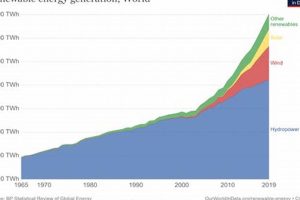
Nationally determined contributions for clean power generation involve establishing specific levels of renewable energy production to be achieved within a defined timeframe. For example, a country might aim for 50% of its electricity to come from renewable sources by 2030. This involves specifying the types of renewable energy sources included (solar, wind, hydro, etc.) and outlining the mechanisms for tracking progress.
These commitments play a crucial role in mitigating climate change by reducing reliance on fossil fuels and promoting sustainable development. Historically, such objectives have spurred technological innovation, created economic opportunities within the renewable energy sector, and enhanced energy security by diversifying energy sources. They also provide a framework for international collaboration and accountability in addressing global environmental challenges.
Further exploration will cover the various policy mechanisms used to achieve these aims, including feed-in tariffs, renewable portfolio standards, and carbon pricing. The discussion will also analyze the challenges associated with implementing these policies, such as grid integration issues and the intermittent nature of some renewable sources. Finally, future trends and the evolving landscape of clean energy transitions will be considered.
Tips for Successful Implementation
Achieving ambitious national objectives for sustainable power requires careful planning and execution. The following tips offer guidance for effective policy development and implementation.
Tip 1: Establish Clear, Measurable, Achievable, Relevant, and Time-bound (SMART) Objectives. Specificity is crucial. Instead of a general goal of “increasing renewable energy,” define precise targets, such as “achieving 30% renewable electricity generation by 2035.”
Tip 2: Diversify Renewable Energy Sources. Relying on a single source creates vulnerabilities. A balanced portfolio incorporating wind, solar, hydro, geothermal, and biomass enhances energy security and resilience.
Tip 3: Invest in Grid Modernization. Integrating variable renewable energy sources requires robust and flexible grid infrastructure. Investing in smart grids, energy storage solutions, and transmission upgrades is essential.
Tip 4: Promote Public-Private Partnerships. Leveraging private sector investment and expertise can accelerate the deployment of renewable energy technologies. Clear regulatory frameworks and incentives are crucial for attracting private capital.
Tip 5: Foster International Collaboration. Sharing best practices, research, and technology development can accelerate progress globally. International cooperation also facilitates access to financing and technical assistance.
Tip 6: Ensure Community Engagement and Support. Addressing local concerns and ensuring equitable distribution of benefits are crucial for successful implementation. Community engagement builds public trust and fosters acceptance of new projects.
Tip 7: Regularly Monitor and Evaluate Progress. Transparent tracking mechanisms and performance evaluations allow for adaptive management and course correction. Data-driven decision-making ensures that policies remain effective and aligned with national objectives.
By adhering to these principles, nations can effectively transition to cleaner energy systems, mitigating climate change and fostering sustainable economic growth. These guidelines provide a foundation for creating a more resilient and environmentally responsible energy future.
Ultimately, the successful transition to sustainable energy requires a concerted effort from governments, industry, and civil society. The strategies outlined here offer a pathway toward achieving shared clean energy aspirations.
1. Policy Instruments

Policy instruments are essential tools governments employ to achieve national commitments to clean energy generation. These mechanisms provide the framework and incentives necessary to drive the transition towards sustainable energy systems. Understanding these instruments is crucial for analyzing the effectiveness of national strategies and their potential impact.
- Renewable Portfolio Standards (RPS)
RPS regulations mandate that electricity suppliers source a specific percentage of their energy from renewable sources. This mechanism creates demand for renewable energy, encouraging investment and development. For example, several states in the United States have implemented RPS policies, contributing to significant growth in wind and solar power generation. The stringency of the RPS target directly influences the pace of renewable energy deployment.
- Feed-in Tariffs (FITs)
FITs offer guaranteed prices for renewable energy fed into the grid, providing long-term price stability and reducing investment risk for renewable energy projects. Germany’s early adoption of FITs played a pivotal role in its renewable energy expansion. The tariff level and duration are key factors influencing the effectiveness of FITs.
- Tax Incentives and Subsidies
Governments can offer tax credits, rebates, or grants to incentivize investment in renewable energy technologies. These financial incentives can reduce the upfront cost of renewable energy systems, making them more competitive with conventional energy sources. The United States’ Investment Tax Credit has significantly stimulated solar energy deployment. The design and implementation of these incentives are critical for their effectiveness.
- Carbon Pricing Mechanisms
Carbon taxes or cap-and-trade systems put a price on carbon emissions, making fossil fuels less competitive and creating a financial incentive for businesses and consumers to reduce their carbon footprint. The European Union Emissions Trading System is a prominent example of a cap-and-trade system. These mechanisms can drive investment in renewable energy as a lower-carbon alternative. The price level and scope of the carbon pricing mechanism are crucial for its impact.
The strategic combination and implementation of these policy instruments are fundamental to achieving national clean energy objectives. The effectiveness of each instrument depends on various factors, including the specific national context, the existing energy mix, and the level of political support. Analyzing the interplay of these policies provides valuable insights into the potential for successful transitions to sustainable energy systems.
2. Technology Deployment

Technology deployment is inextricably linked to the success of national clean energy objectives. These objectives create the necessary market pull for renewable energy technologies, stimulating innovation, driving down costs, and accelerating their widespread adoption. Analyzing the specific technologies targeted by government policies and their deployment pathways is crucial for understanding the overall effectiveness of national clean energy strategies.
- Solar Photovoltaic (PV) Deployment
Government support, through policies like feed-in tariffs and tax incentives, has been instrumental in the rapid growth of solar PV deployment globally. Examples include Germany’s early adoption of feed-in tariffs, leading to significant cost reductions and widespread adoption, and China’s large-scale manufacturing and deployment of solar PV modules, making it a global leader in solar energy. The success of solar PV deployment is heavily influenced by government policies that create favorable market conditions.
- Wind Energy Deployment
National targets for renewable energy have driven the expansion of wind energy capacity, particularly in countries with favorable wind resources. Denmark’s long-standing commitment to wind energy has resulted in a high percentage of wind power in its electricity mix. Similarly, the United States has seen substantial growth in wind energy, driven by state-level renewable portfolio standards and federal tax incentives. Policy support and resource availability are key factors influencing wind energy deployment.
- Energy Storage Technologies
The intermittent nature of solar and wind power necessitates the development and deployment of energy storage solutions. Government funding for research and development, coupled with deployment incentives, can accelerate the adoption of battery storage, pumped hydro storage, and other storage technologies. Examples include California’s mandate for energy storage procurement by utilities, which has spurred innovation and deployment in the state. The development and deployment of energy storage are crucial for integrating variable renewable energy sources into the grid.
- Grid Modernization Technologies
Integrating large amounts of renewable energy requires upgrading and modernizing grid infrastructure. Government investments in smart grids, advanced metering infrastructure, and transmission upgrades are essential for ensuring grid stability and reliability. Examples include initiatives in several European countries to develop smart grids capable of managing the increasing share of renewable energy. Grid modernization is essential for accommodating the growth of renewable energy and ensuring a reliable electricity supply.
The effectiveness of government renewable energy targets hinges on the successful deployment of these and other related technologies. Targeted policies, supportive regulatory frameworks, and sustained investment are crucial for driving technological innovation and accelerating the transition to a cleaner, more sustainable energy future. The examples provided illustrate the significant impact government policies can have on technology deployment and the achievement of ambitious clean energy objectives.
3. Economic Impacts

National commitments to clean energy generation have significant economic ramifications, creating opportunities and challenges across various sectors. Analyzing these economic impacts is crucial for understanding the broader consequences of transitioning to sustainable energy systems and for designing effective policies that maximize benefits and mitigate potential downsides.
- Job Creation
The renewable energy sector is a significant source of employment, generating jobs in manufacturing, installation, maintenance, and research. For example, the solar industry in the United States employs more workers than the coal, oil, and gas industries combined. Government targets for renewable energy can further stimulate job growth in this sector, contributing to overall economic development. However, the distribution of these jobs and the potential displacement of workers in fossil fuel industries require careful consideration.
- Investment and Innovation
Government targets for renewable energy create a stable market signal, attracting investment in renewable energy technologies and driving innovation. Clear and consistent policies can encourage private sector investment in research and development, leading to cost reductions and technological advancements. The electric vehicle industry, spurred by government regulations and incentives, exemplifies this dynamic. Public-private partnerships can play a crucial role in fostering innovation and accelerating the deployment of new technologies.
- Impact on Energy Prices
The transition to renewable energy can influence energy prices, impacting consumers and businesses. While the cost of renewable energy technologies has declined significantly, integrating variable renewable sources into the grid can present challenges. Government policies must address potential price volatility and ensure affordability for consumers, particularly vulnerable populations. Energy storage solutions and grid modernization can mitigate price fluctuations and ensure a stable energy supply.
- Regional Economic Development
Renewable energy projects can stimulate economic development in rural and remote areas, creating jobs and generating revenue for local communities. Wind farms, for example, can provide lease payments to landowners and tax revenue to local governments. However, careful planning and community engagement are essential to ensure equitable distribution of benefits and address potential environmental and social impacts. Strategic deployment of renewable energy can contribute to regional economic diversification and resilience.
The economic impacts of government renewable energy targets are multifaceted and complex. While these targets can drive job creation, investment, and innovation, careful policy design and implementation are crucial for managing potential challenges and ensuring a just and equitable transition to a sustainable energy future. Understanding these economic dynamics is essential for maximizing the benefits of clean energy policies and achieving broader economic development goals.
4. Grid Integration

Grid integration represents a crucial technical challenge and opportunity associated with national commitments to clean energy. The intermittent nature of many renewable sources, like solar and wind, requires sophisticated management of electricity grids to ensure reliability and stability as the penetration of these sources increases. Successful grid integration is essential for realizing the full potential of renewable energy targets and maintaining a secure and affordable energy supply.
- Balancing Supply and Demand
Integrating variable renewable energy sources requires advanced forecasting and dispatching capabilities to balance electricity supply and demand in real time. Grid operators must manage fluctuations in renewable energy output, utilizing demand-side management strategies and flexible generation resources. For example, California’s Independent System Operator employs sophisticated forecasting tools and demand response programs to manage the integration of high levels of solar power. Effective balancing mechanisms are crucial for maintaining grid stability as renewable energy penetration increases.
- Grid Infrastructure Upgrades
Existing grid infrastructure often requires upgrades to accommodate the influx of renewable energy. This includes investments in transmission lines, substations, and smart grid technologies. Germany’s Energiewende, its transition to renewable energy, has necessitated significant grid investments to transport wind power from northern regions to the south. Strategic infrastructure development is essential for efficiently integrating renewable energy resources and minimizing transmission losses.
- Energy Storage Solutions
Energy storage technologies, such as batteries and pumped hydro, play a critical role in smoothing out the variability of renewable energy and ensuring a continuous electricity supply. Australia’s Hornsdale Power Reserve, a large-scale battery storage facility, provides grid stabilization services and helps integrate wind and solar power. Deployment of energy storage is essential for managing intermittency and maximizing the value of renewable energy.
- Distributed Generation and Microgrids
The increasing adoption of distributed generation, such as rooftop solar panels, presents both opportunities and challenges for grid integration. Microgrids, localized grids that can operate independently or connect to the main grid, offer enhanced resilience and can facilitate the integration of distributed renewable energy resources. Several communities in the United States have implemented microgrids to enhance energy security and reliability. Managing distributed generation effectively is crucial for maximizing its benefits and minimizing potential grid instability.
Successfully integrating renewable energy into electricity grids requires a holistic approach encompassing technological advancements, policy support, and market mechanisms. Addressing these grid integration challenges is essential for achieving national renewable energy targets and realizing the full potential of a clean energy transition. The examples provided demonstrate the diverse approaches being taken globally to integrate renewable energy and highlight the importance of continued innovation and investment in grid modernization.
5. International Cooperation

International cooperation plays a vital role in achieving national commitments to clean energy generation. These commitments, often expressed as specific targets for renewable energy deployment, benefit significantly from collaborative efforts that transcend national borders. This cooperation facilitates knowledge sharing, technology transfer, and access to financing, accelerating the global transition to sustainable energy systems. The interconnected nature of climate change necessitates a coordinated global response, making international cooperation a critical component of effective national strategies.
Several mechanisms facilitate this crucial collaboration. International agreements, such as the Paris Agreement, provide a framework for nations to set emissions reduction targets and share best practices. Joint research and development projects, like the International Energy Agency’s Technology Collaboration Programmes, accelerate innovation and deployment of clean energy technologies. Financial assistance from multilateral development banks, such as the World Bank and the Green Climate Fund, supports renewable energy projects in developing countries. These collaborative efforts enhance capacity building, promote technology transfer, and address financial barriers, accelerating progress towards national and global renewable energy targets. For example, the International Solar Alliance facilitates cooperation among sun-rich countries to promote solar energy deployment. Similarly, the Mission Innovation initiative brings together governments and private sector partners to accelerate clean energy innovation.
The practical significance of international cooperation lies in its ability to enhance the effectiveness of national policies and accelerate the global clean energy transition. Sharing best practices and lessons learned allows countries to avoid duplicating efforts and learn from each other’s successes and challenges. Technology transfer facilitates access to cutting-edge solutions, while financial assistance helps overcome economic barriers. By working together, nations can achieve more than they could individually, maximizing the impact of national clean energy targets and accelerating progress towards a sustainable energy future. However, challenges remain, including navigating differing national interests, ensuring equitable access to benefits, and addressing issues of intellectual property. Overcoming these challenges requires strong political will, transparent governance, and a commitment to shared goals. Effective international cooperation is not merely a desirable component but a necessary catalyst for achieving ambitious national renewable energy targets and addressing the global challenge of climate change.
Frequently Asked Questions
The following addresses common inquiries regarding nationally determined contributions to clean energy transitions.
Question 1: How are national targets for renewable energy established?
Target setting involves a complex interplay of political, economic, and technological factors. Governments consider domestic resource availability, technological feasibility, economic costs and benefits, and international commitments when establishing these objectives. Public consultations and stakeholder engagement often play a role in shaping final targets.
Question 2: What policy mechanisms are used to achieve these objectives?
Various policy instruments, including renewable portfolio standards, feed-in tariffs, tax incentives, carbon pricing mechanisms, and direct government investment, can incentivize renewable energy development and deployment.
Question 3: What are the key challenges associated with implementing these targets?
Challenges include grid integration of intermittent renewable sources, ensuring energy affordability, managing potential environmental and social impacts, and securing necessary financing for large-scale projects. Technological advancements and policy innovations are crucial for addressing these challenges.
Question 4: What are the economic implications of transitioning to renewable energy?
Economic impacts include job creation in the renewable energy sector, increased investment in clean technologies, potential changes in energy prices, and regional economic development opportunities. However, careful management is required to mitigate potential job displacement in traditional energy sectors and ensure a just transition for affected communities.
Question 5: How does international cooperation contribute to achieving these targets?
International collaboration facilitates knowledge sharing, technology transfer, and access to financing, accelerating the global transition to clean energy. Agreements like the Paris Agreement provide a framework for collective action and encourage countries to work together towards shared goals.
Question 6: What role does technological innovation play in meeting renewable energy targets?
Technological advancements are essential for driving down costs, improving efficiency, and addressing integration challenges associated with renewable energy. Government support for research and development, coupled with market incentives, can accelerate innovation and deployment of new technologies.
Achieving national clean energy objectives requires a multifaceted approach involving policy interventions, technological innovation, private sector engagement, and international collaboration. Understanding the key challenges and opportunities associated with this transition is crucial for developing effective strategies and ensuring a sustainable energy future.
Further information on specific national targets, policies, and progress can be found through various government and international organization resources.
Conclusion
Government renewable energy targets represent a crucial policy instrument for driving the global transition to sustainable energy systems. This exploration has examined their multifaceted nature, encompassing policy mechanisms, technology deployment, economic impacts, grid integration challenges, and the crucial role of international cooperation. Ambitious, clearly defined objectives provide a critical market signal, stimulating investment, innovation, and job creation within the renewable energy sector. While challenges remain, including grid integration of intermittent renewable sources and ensuring a just transition for affected communities, the benefits of transitioning to cleaner energy sources are undeniable. From mitigating climate change and enhancing energy security to driving economic growth and creating new employment opportunities, nationally determined contributions for clean power generation offer a pathway toward a more sustainable and prosperous future.
The transition to a clean energy future requires sustained commitment, policy innovation, and global collaboration. The effectiveness of government renewable energy targets hinges on the implementation of robust policy frameworks, continuous technological advancements, and equitable distribution of benefits. Ultimately, the pursuit of these objectives represents not just an environmental imperative, but a fundamental investment in long-term economic prosperity, social well-being, and a more sustainable future for all.