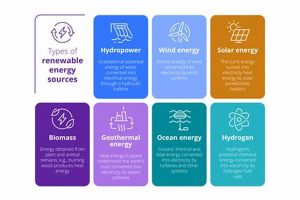
The potential electrical output of renewable energy sources varies significantly depending on several factors, including technology, geographic location, resource availability, and infrastructure. For example, solar power generation is influenced by sunlight duration and intensity, while wind power depends on wind speed and consistency. Hydropower’s potential is dictated by water flow rates and reservoir capacity. Geothermal relies on accessible subsurface heat, and biomass depends on available organic matter. Quantifying this potential involves assessing these factors and utilizing resource assessment models, ultimately expressed in units like kilowatt-hours (kWh), megawatt-hours (MWh), or gigawatt-hours (GWh) for specific locations and timeframes.
Transitioning to renewable energy offers numerous advantages. It diversifies energy portfolios, reduces reliance on finite fossil fuels, and mitigates the environmental impact of energy production, including greenhouse gas emissions. Historically, renewable energy contributions were limited. However, technological advancements, decreasing costs, and growing environmental awareness have driven a substantial increase in renewable energy deployment globally, paving the way for greater energy independence and a more sustainable future.
Further exploration will delve into the specifics of various renewable energy technologies, regional potentials, the challenges of integration into existing grids, and the ongoing research aimed at maximizing the output and efficiency of these vital resources.
Maximizing Renewable Energy Generation
Several strategies can enhance the output from renewable energy installations. Implementing these approaches optimizes performance and contributes to greater energy independence and sustainability.
Tip 1: Optimize Siting for Resource Availability: Careful site selection is crucial. Solar installations benefit from maximum sun exposure, while wind turbines require consistent, unobstructed wind flows. Hydroelectric projects necessitate suitable water resources, and geothermal plants rely on accessible subsurface heat.
Tip 2: Invest in Advanced Technologies: Continuously evolving technologies improve energy conversion efficiency. High-efficiency solar panels, advanced wind turbine designs, and improved geothermal drilling techniques contribute to increased energy output.
Tip 3: Implement Smart Grid Integration: Integrating renewable energy sources into smart grids enhances their effectiveness. Smart grids manage fluctuations in renewable generation, balance supply and demand, and reduce transmission losses.
Tip 4: Employ Energy Storage Solutions: Addressing the intermittent nature of some renewable resources requires efficient energy storage. Batteries, pumped hydro storage, and thermal storage systems ensure a consistent power supply even when the sun isn’t shining or the wind isn’t blowing.
Tip 5: Prioritize Regular Maintenance: Maintaining equipment in optimal condition maximizes energy production. Regular inspections, cleaning, and component replacement ensure efficient and reliable operation.
Tip 6: Support Policy and Regulatory Frameworks: Supportive government policies and regulations are essential. Incentives, streamlined permitting processes, and renewable energy targets encourage investment and development.
Tip 7: Foster Community Engagement and Education: Public awareness and acceptance play a significant role. Educating communities about the benefits of renewable energy and fostering local involvement strengthens support for projects.
By adopting these strategies, the potential of renewable energy can be fully realized, paving the way for a cleaner, more sustainable energy future.
These optimization techniques are just a starting point for a deeper discussion on the future of renewable energy generation and its integration into a global energy landscape.
1. Resource Availability

Resource availability is a fundamental constraint on the potential of renewable energy. The amount of energy that can be derived from renewable sources directly correlates with the accessible resources in a given location. Understanding resource distribution and its variability is critical for accurately assessing the potential contribution of renewables to the energy mix.
- Solar Irradiance:
Solar energy potential is determined by the intensity and duration of sunlight. Regions with high solar irradiance, such as deserts, possess significantly greater potential for solar power generation compared to areas with frequent cloud cover. Variations in irradiance throughout the day and across seasons require careful consideration when designing solar power systems. For example, the Sahara Desert’s high solar irradiance makes it a prime location for large-scale solar farms.
- Wind Speed and Consistency:
Wind power generation is dependent on wind speed and consistency. Areas with high average wind speeds and predictable wind patterns are ideal for wind farms. Coastal regions and mountainous terrain often exhibit favorable wind resources. However, variability in wind speed necessitates backup power sources or energy storage solutions. Offshore wind farms, for example, often experience higher and more consistent wind speeds compared to onshore installations.
- Water Resources:
Hydropower relies on the availability of flowing water. Regions with substantial river systems or elevated reservoirs offer greater potential for hydroelectric power generation. However, factors like seasonal variations in rainfall and environmental impacts on aquatic ecosystems must be considered. The Three Gorges Dam in China, while a significant source of hydropower, also exemplifies the ecological considerations associated with large-scale hydroelectric projects.
- Geothermal Activity:
Geothermal energy utilizes heat from the Earth’s interior. Regions with high geothermal activity, such as volcanic areas, are suitable for geothermal power plants. Accessibility to this heat resource through drilling and the geological stability of the region are key factors influencing geothermal energy potential. Iceland, with its abundant geothermal resources, significantly utilizes this energy source for electricity generation and heating.
Ultimately, the amount of energy renewable sources can provide is directly tied to the abundance and accessibility of these resources. Accurate assessment of resource availability, coupled with appropriate technological deployment and infrastructure development, is crucial for maximizing the contribution of renewable energy to meet global energy demands.
2. Technological Advancements

Technological advancements play a crucial role in determining the amount of energy renewable sources can provide. Improvements in energy conversion efficiency, materials science, and grid integration technologies directly impact the output and feasibility of renewable energy systems. This relationship between technological progress and energy output manifests in several key areas.
Enhanced energy conversion efficiency is a primary driver of increased renewable energy output. For example, advancements in photovoltaic cell technology have led to significant increases in the efficiency of solar panels, allowing them to convert a larger portion of incident sunlight into electricity. Similarly, improvements in wind turbine design, including blade aerodynamics and generator technology, have increased the energy captured from wind resources. In geothermal energy, advanced drilling techniques and enhanced heat exchange systems improve the efficiency of extracting and converting geothermal heat into usable power. These technological improvements directly translate to greater energy output from a given renewable resource.
Furthermore, advancements in materials science contribute to improved durability, longevity, and performance of renewable energy systems. The development of robust and weather-resistant materials for solar panels, wind turbine blades, and geothermal piping extends the operational lifespan and reduces maintenance costs, ultimately contributing to higher overall energy output over the lifetime of the installation. Additionally, advancements in grid integration technologies, such as smart grids and advanced power electronics, enable more efficient and reliable integration of variable renewable energy sources into the electricity grid, maximizing their contribution to the energy supply.
The practical significance of these advancements is substantial. Increased energy output from renewable sources translates to greater energy independence, reduced reliance on fossil fuels, and mitigated environmental impact. Continued technological progress in renewable energy technologies is essential for achieving a sustainable energy future and meeting growing global energy demands. Overcoming challenges related to cost, scalability, and storage capacity through further innovation remains a critical focus in maximizing the potential of renewable energy.
3. Geographic Location

Geographic location plays a pivotal role in determining the viability and potential output of renewable energy projects. The distribution of renewable resources varies significantly across the globe, directly influencing the suitability of specific locations for different renewable energy technologies. This geographic dependence necessitates careful assessment and strategic planning to maximize energy generation.
Solar energy potential is intrinsically linked to solar irradiance, which is highest in regions near the equator and in deserts with minimal cloud cover. For example, the Sahara Desert receives significantly more solar radiation than Northern Europe, making it a more suitable location for large-scale solar farms. Similarly, wind energy potential is determined by wind speed and consistency, often higher in coastal areas, mountainous regions, and open plains. Offshore wind farms, located in bodies of water, often benefit from stronger and more consistent winds compared to onshore locations. Hydropower potential is dictated by water availability and elevation differences, favoring regions with substantial river systems or suitable dam locations. Geothermal resources are concentrated in areas with high geothermal activity, typically near tectonic plate boundaries or volcanic regions. Iceland, situated on the Mid-Atlantic Ridge, exemplifies a location where geothermal energy contributes significantly to the energy mix.
Understanding the geographic distribution of renewable resources is crucial for optimizing project siting and maximizing energy output. Careful consideration of local resource availability, coupled with technological advancements and appropriate infrastructure development, is essential for realizing the full potential of renewable energy. This geographic perspective informs policy decisions, investment strategies, and technological development, ultimately contributing to a more sustainable and geographically diversified energy landscape. Failure to account for geographic variations can lead to inefficient resource utilization and suboptimal energy generation, highlighting the critical importance of location in renewable energy planning.
4. Infrastructure Limitations
Infrastructure limitations represent a significant constraint on the amount of energy renewable sources can realistically contribute to the power grid. Even with abundant renewable resources and advanced generation technologies, the ability to harness and deliver that energy is restricted by existing infrastructure capacity and its adaptability to the unique characteristics of renewable energy sources. Analyzing these limitations is essential for understanding the overall potential of renewable energy integration.
- Grid Capacity and Connectivity:
Existing power grids are often designed for centralized, conventional power generation. Integrating decentralized and variable renewable sources like solar and wind requires substantial grid upgrades to accommodate fluctuating power flows and prevent instability. For example, remote solar farms may require new transmission lines to connect to the main grid, adding significant costs and potentially facing permitting challenges. Limited grid capacity can curtail the output of renewable energy facilities, even when resource availability is high, effectively reducing the amount of usable renewable energy.
- Transmission and Distribution Bottlenecks:
Transmission and distribution networks may experience bottlenecks when large amounts of renewable energy are injected into the grid. These bottlenecks can lead to congestion and energy losses, limiting the amount of renewable energy that reaches consumers. Upgrading transmission lines and substations is crucial for maximizing the utilization of renewable energy and minimizing curtailment. For example, integrating large offshore wind farms requires substantial investment in high-voltage direct current (HVDC) transmission lines to efficiently transport the generated power to shore.
- Energy Storage Capacity and Flexibility:
The intermittent nature of solar and wind power necessitates energy storage solutions to ensure a reliable power supply. Limited storage capacity can restrict the amount of renewable energy that can be effectively utilized, particularly during periods of low resource availability or peak demand. Developing and deploying cost-effective and scalable energy storage technologies, such as batteries, pumped hydro, and thermal storage, is crucial for maximizing the integration of intermittent renewable sources. For instance, the increasing adoption of battery storage systems paired with solar installations helps address intermittency challenges and increase the overall contribution of solar energy.
- Lack of Smart Grid Technologies:
Smart grid technologies, including advanced metering infrastructure, real-time monitoring, and demand response programs, are essential for efficiently managing variable renewable energy sources. The absence of these technologies can hinder the effective integration of renewables, limiting their contribution to the grid. Smart grids enable dynamic adjustments to supply and demand, optimize grid operation, and minimize curtailment of renewable energy. For example, implementing demand response programs can incentivize consumers to shift their energy usage to times of high renewable energy generation, reducing strain on the grid and maximizing renewable energy utilization.
These infrastructure limitations significantly impact the amount of energy renewable sources can practically provide. Addressing these challenges through strategic investments in grid modernization, energy storage, and smart grid technologies is essential for unlocking the full potential of renewable energy and transitioning towards a more sustainable energy future. Overcoming these infrastructure hurdles will allow for greater penetration of renewable energy, ultimately increasing its contribution to the overall energy mix and reducing reliance on conventional energy sources.
5. Energy Storage Capacity

Energy storage capacity is intrinsically linked to the overall contribution of renewable energy sources, particularly intermittent resources like solar and wind. The ability to store excess energy generated during periods of high resource availability and discharge it during times of low availability or peak demand directly impacts how much renewable energy can be effectively utilized. Without adequate storage, surplus renewable energy generation is often curtailed, meaning it is not fed into the grid, limiting the overall contribution of renewables to the energy mix. Conversely, sufficient storage capacity enables greater integration of intermittent renewable sources, allowing them to provide a more reliable and consistent energy supply, effectively increasing the amount of renewable energy that can be practically harnessed.
This relationship between storage capacity and renewable energy utilization is evident in several real-world scenarios. For example, in regions with high solar irradiance, battery storage systems paired with solar photovoltaic installations allow excess solar energy generated during the day to be stored and used during the evening peak demand hours, maximizing the utilization of solar energy and reducing reliance on conventional power plants. Similarly, in areas with strong wind resources, pumped hydro storage systems can store excess wind energy by pumping water uphill to a reservoir, and then release the water to generate electricity when wind resources are low or demand is high. These examples illustrate how energy storage transforms intermittent renewable sources into more dispatchable and reliable resources, directly influencing how much renewable energy can be effectively integrated into the energy system.
The practical significance of understanding this connection is substantial. Investing in and deploying adequate energy storage capacity is essential for maximizing the contribution of renewable energy to the overall energy supply. Addressing the intermittency challenge through effective storage solutions unlocks the full potential of renewable resources, increasing their reliability, reducing reliance on fossil fuels, and driving the transition towards a more sustainable energy future. Furthermore, advancements in energy storage technologies, such as improved battery chemistries, reduced costs, and increased storage durations, are crucial for further enhancing the integration and overall contribution of renewable energy sources, enabling a larger share of renewable energy to be effectively and reliably harnessed.
6. Government Policies
Government policies play a pivotal role in shaping the renewable energy landscape and directly influence the extent to which these resources contribute to the overall energy mix. Policies can incentivize renewable energy development, accelerate technological innovation, and facilitate grid integration, ultimately impacting the amount of energy renewable sources can provide. Understanding the various policy mechanisms and their effects is crucial for assessing the potential of renewable energy to meet energy demands.
- Renewable Portfolio Standards (RPS):
RPS policies mandate that a certain percentage of electricity generation comes from renewable sources. These standards create a market demand for renewable energy, driving investment in new projects and increasing the overall contribution of renewables. For example, several states in the United States have implemented RPS targets, leading to significant growth in wind and solar energy capacity. The stringency of RPS targets directly influences the growth trajectory of renewable energy deployment and thus the amount of energy these sources can provide.
- Feed-in Tariffs (FITs):
FITs offer guaranteed prices for renewable energy fed into the grid. This policy mechanism provides price stability and encourages investment in renewable energy projects by ensuring a predictable return on investment. Germany’s early adoption of FITs significantly contributed to the growth of its solar photovoltaic industry. The level of the FIT and its duration influence the financial viability of renewable energy projects and thus their overall contribution to the energy supply.
- Tax Incentives and Subsidies:
Tax incentives, such as investment tax credits and production tax credits, reduce the cost of renewable energy technologies, making them more competitive with conventional energy sources. Subsidies can further lower the cost of renewable energy, stimulating market growth and increasing their contribution to the energy mix. The United States’ investment tax credit for solar energy has played a significant role in the rapid expansion of the solar industry. The magnitude and duration of these incentives directly impact the economic viability and subsequent deployment of renewable energy technologies.
- Carbon Pricing Mechanisms:
Carbon pricing mechanisms, such as carbon taxes or cap-and-trade systems, internalize the environmental cost of carbon emissions, making fossil fuels less competitive and incentivizing the adoption of cleaner renewable energy sources. The European Union’s Emissions Trading System (ETS) is an example of a cap-and-trade program that aims to reduce greenhouse gas emissions and promote renewable energy. The effectiveness of carbon pricing in driving renewable energy growth depends on the stringency of the price signal and the responsiveness of the energy market.
The combined effect of these government policies significantly influences the development and deployment of renewable energy technologies, directly impacting how much energy these sources can contribute to the overall energy supply. Supportive policies can accelerate the transition to a cleaner energy future by creating favorable market conditions, stimulating innovation, and facilitating grid integration. The effectiveness and impact of these policies, however, are contingent on their design, implementation, and the broader economic and regulatory context in which they operate. Evaluating the interplay of these factors is crucial for accurately assessing the role of government policies in shaping the future of renewable energy and its contribution to meeting global energy demands.
7. Economic Factors
Economic factors exert a significant influence on the development, deployment, and ultimate contribution of renewable energy technologies. The interplay of market forces, investment decisions, and cost considerations directly impacts how much energy renewable sources can realistically provide. Understanding these economic drivers is crucial for assessing the potential of renewable energy to meet global energy demands.
- Cost of Renewable Energy Technologies:
The cost of renewable energy technologies, including capital costs, installation costs, and operational and maintenance costs, plays a crucial role in their adoption. Historically, renewable energy technologies were more expensive than conventional fossil fuel-based generation. However, significant cost reductions in recent years, particularly for solar photovoltaics and wind energy, have made them increasingly competitive. Declining costs stimulate market growth and increase the overall contribution of renewables to the energy mix. For example, the dramatic drop in solar panel prices has spurred widespread adoption of solar energy globally. The continuing decline in renewable energy costs is a key driver of their increased deployment and contribution to the energy supply.
- Investment in Research and Development:
Investment in research and development is essential for driving innovation and technological advancements in renewable energy. Increased R&D spending can lead to breakthroughs in energy conversion efficiency, materials science, and grid integration technologies, ultimately improving the performance and reducing the cost of renewable energy systems. Government funding, private sector investment, and academic research all contribute to advancements in renewable energy technologies. For example, ongoing research in battery storage technology is crucial for enabling greater integration of intermittent renewable sources. The level of investment in R&D directly influences the pace of technological progress and the subsequent contribution of renewable energy.
- Fossil Fuel Prices and Subsidies:
The price of fossil fuels and the level of government subsidies they receive significantly impact the competitiveness of renewable energy. High fossil fuel prices can make renewable energy more economically attractive, stimulating investment and deployment. Conversely, substantial fossil fuel subsidies can create an uneven playing field, hindering the growth of renewable energy. Policy decisions regarding fossil fuel pricing and subsidies play a crucial role in shaping the energy landscape and influencing the relative contribution of renewable and conventional energy sources. For instance, the removal of fossil fuel subsidies can create a more level playing field for renewable energy and accelerate its adoption.
- Financing and Investment Mechanisms:
Access to financing and innovative investment mechanisms is crucial for deploying large-scale renewable energy projects. The availability of loans, equity investments, and green bonds can significantly influence the pace of renewable energy development. Supportive financing mechanisms, such as green banks and dedicated renewable energy funds, can facilitate the deployment of renewable energy projects and increase their contribution to the overall energy mix. For example, the growth of green bonds provides a dedicated source of financing for renewable energy projects, accelerating their development. The availability and accessibility of financing options play a critical role in scaling up renewable energy deployment.
These economic factors are intricately linked and collectively influence the trajectory of renewable energy development and its contribution to the global energy supply. Favorable economic conditions, including declining costs, increased investment, and supportive policy frameworks, can accelerate the transition to a renewable energy future. Understanding the complex interplay of these economic drivers is essential for policymakers, investors, and researchers seeking to maximize the potential of renewable energy and achieve a sustainable energy system. As economic landscapes shift and technological advancements continue, the economic viability and overall contribution of renewable energy will continue to evolve, shaping the future of the energy sector and its impact on the global economy and environment.
Frequently Asked Questions
This section addresses common inquiries regarding the potential of renewable energy sources to contribute to global energy demands.
Question 1: What is the global potential of renewable energy?
The theoretical potential of renewable energy vastly exceeds current global energy consumption. However, the practically achievable amount depends on factors such as technological advancements, infrastructure development, resource availability, and policy landscapes. Estimates suggest renewable sources could meet a substantial portion, if not all, of future energy demand.
Question 2: How does the intermittency of renewable sources affect their reliability?
The intermittent nature of solar and wind power can pose challenges to grid stability. However, advancements in energy storage technologies, grid management systems, and forecasting capabilities are mitigating this issue, increasing the reliability of renewable energy integration. Diversifying renewable sources and integrating them across wider geographic areas also enhances reliability.
Question 3: What are the primary economic barriers to widespread renewable energy adoption?
Upfront capital costs for renewable energy projects can be substantial, though declining technology costs are mitigating this barrier. Investment in grid infrastructure upgrades, energy storage solutions, and supportive policy frameworks are also essential for widespread adoption and require significant financial resources.
Question 4: How do environmental impacts of renewable energy compare to conventional sources?
Renewable energy sources generally have significantly lower environmental impacts than fossil fuels. While some environmental considerations exist, such as land use for solar and wind farms or the ecological impact of hydroelectric dams, the overall lifecycle impact of renewables is substantially lower in terms of greenhouse gas emissions, air and water pollution, and resource depletion.
Question 5: What role does technological innovation play in maximizing renewable energy generation?
Technological advancements are crucial for improving energy conversion efficiency, reducing costs, and enhancing the grid integration of renewable energy. Ongoing research in areas such as advanced materials, energy storage, and smart grid technologies is essential for maximizing the contribution of renewable sources and achieving a sustainable energy future.
Question 6: What policy measures are most effective in promoting renewable energy development?
Effective policy measures include renewable portfolio standards, feed-in tariffs, tax incentives, carbon pricing mechanisms, and streamlined permitting processes. Supportive policies create market demand, incentivize investment, and facilitate the integration of renewable energy into the existing energy infrastructure.
Renewable energy presents a viable pathway towards a sustainable energy future, but addressing technical, economic, and policy challenges is essential for realizing its full potential.
Further exploration will delve into specific case studies, regional analyses, and emerging trends in the renewable energy sector.
Conclusion
The capacity of renewable energy sources to meet global energy demands hinges on a complex interplay of factors. Resource availability, technological advancements, geographic considerations, infrastructure limitations, energy storage capacity, government policies, and economic factors all contribute to the overall potential of renewable energy. While the theoretical potential of renewable energy is vast, realizing this potential requires careful planning, strategic investment, and ongoing innovation. Addressing challenges related to intermittency, grid integration, and cost-effectiveness is crucial for maximizing the contribution of renewable sources to the energy mix. Significant progress has been made in reducing costs, improving efficiency, and developing innovative storage solutions, demonstrating the increasing viability of renewable energy as a primary energy source.
The transition to a renewable energy future requires a concerted effort from governments, industry, researchers, and communities worldwide. Continued investment in research and development, supportive policy frameworks, and public awareness are essential for unlocking the full potential of renewable energy and achieving a sustainable energy system. The future of energy hinges on our ability to effectively harness the power of renewable resources and integrate them seamlessly into the existing energy infrastructure. The extent to which renewable energy can ultimately provide for global energy needs will depend on the collective actions taken today to overcome existing challenges and accelerate the transition towards a cleaner, more sustainable energy future.