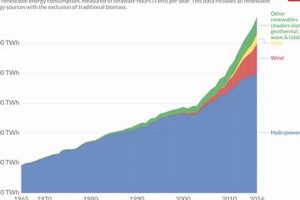
Organizations across various sectors are increasingly adopting sustainable energy practices by integrating sources like solar, wind, hydro, and geothermal power into their operations. For example, a manufacturing plant might install solar panels on its roof to offset electricity consumption, while a retail chain could purchase wind energy credits to power its stores.
This shift toward cleaner energy sources offers numerous advantages, including reduced operating costs through lower energy bills, enhanced brand image and reputation among environmentally conscious consumers, and a decreased carbon footprint, contributing to global sustainability efforts. Historically, high upfront costs and technological limitations hindered widespread adoption. However, advancements in renewable energy technologies and supportive government policies have made these options increasingly cost-competitive and accessible.
This growing trend impacts various aspects of business operations, from supply chain management and facility design to investor relations and marketing strategies. The following sections will explore the specific drivers, challenges, and opportunities associated with corporate adoption of sustainable power solutions.
Tips for Corporate Renewable Energy Integration
Successful integration of renewable energy requires careful planning and execution. The following tips offer guidance for organizations seeking to transition to sustainable power solutions.
Tip 1: Conduct a Thorough Energy Audit: A comprehensive energy audit provides insights into current energy consumption patterns, identifies areas for improvement, and helps determine the most suitable renewable energy options for a specific organization. This assessment should consider factors such as facility size, location, and operational needs.
Tip 2: Explore Available Incentives and Policies: Numerous government incentives, tax credits, and rebates are available to support renewable energy adoption. Organizations should research and leverage these programs to minimize upfront investment costs and maximize return on investment.
Tip 3: Evaluate On-Site vs. Off-Site Options: Organizations can generate renewable energy on-site through installations like solar panels or wind turbines or purchase renewable energy credits (RECs) to offset their electricity consumption from off-site sources. The optimal approach depends on factors such as available space, budget, and energy needs.
Tip 4: Partner with Experienced Professionals: Collaborating with experienced renewable energy consultants and installers ensures efficient project execution and optimal system performance. These experts can provide guidance on system design, installation, and maintenance.
Tip 5: Consider Long-Term Sustainability: Renewable energy investments should align with long-term sustainability goals. Organizations should consider factors such as the lifespan of renewable energy technologies, potential future energy needs, and evolving environmental regulations.
Tip 6: Communicate Sustainability Efforts: Transparently communicating sustainability initiatives to stakeholders, including investors, customers, and employees, can enhance brand reputation and build trust. This communication should highlight the environmental and economic benefits of renewable energy adoption.
Tip 7: Monitor and Optimize Performance: Regularly monitoring the performance of renewable energy systems allows organizations to identify and address any issues, optimize energy efficiency, and ensure long-term cost savings.
By implementing these strategies, organizations can effectively transition to renewable energy sources, reducing their environmental impact and achieving long-term cost savings. The transition offers both environmental and economic advantages, contributing to a more sustainable future.
The subsequent section will provide case studies of successful renewable energy integration across various industries.
1. Cost Reduction

Cost reduction represents a primary driver for businesses transitioning to renewable energy sources. Lowering operational expenses through decreased energy consumption and optimized energy management strategies significantly impacts profitability and long-term financial stability. Exploring the multifaceted nature of cost reduction within the context of renewable energy reveals several key advantages.
- Reduced Energy Bills:
Renewable energy sources, such as solar and wind power, often generate electricity at a lower cost than traditional fossil fuels. Once the initial investment in renewable energy infrastructure is recouped, businesses can experience significant savings on their monthly energy bills. For example, a manufacturing facility utilizing on-site solar power can offset a substantial portion of its electricity consumption from the grid, leading to predictable and potentially lower energy costs.
- Lower Maintenance Costs:
Renewable energy systems, particularly solar photovoltaic (PV) systems, typically require less maintenance than traditional power generation equipment. Fewer moving parts and reduced reliance on combustible fuels translate to lower maintenance expenses and decreased downtime, further contributing to cost savings. For instance, solar panels require minimal maintenance, primarily periodic cleaning, compared to the more complex maintenance needs of conventional generators.
- Government Incentives and Tax Credits:
Many governments offer financial incentives, such as tax credits, rebates, and grants, to encourage businesses to adopt renewable energy. These programs can significantly reduce the upfront costs of implementing renewable energy systems, making them more financially attractive. For example, businesses investing in solar energy projects might qualify for tax credits that offset a portion of the installation costs, accelerating the return on investment.
- Energy Efficiency Improvements:
The transition to renewable energy often encourages businesses to implement energy efficiency measures throughout their operations. These improvements, such as optimizing lighting systems and HVAC equipment, further reduce energy consumption and contribute to overall cost savings. Implementing energy-efficient practices complements renewable energy adoption, maximizing the potential for cost reduction.
These facets of cost reduction demonstrate the financial advantages of integrating renewable energy sources into business operations. The combined impact of lower energy bills, reduced maintenance costs, government incentives, and energy efficiency improvements strengthens financial performance, enhances competitiveness, and promotes sustainable growth within the evolving energy landscape.
2. Brand Enhancement

In today’s increasingly environmentally conscious marketplace, demonstrating a commitment to sustainability is no longer optional; it’s a strategic imperative. Brand enhancement through the adoption of renewable energy practices offers organizations a powerful tool to differentiate themselves from competitors, attract and retain customers, and strengthen their overall brand image. This section explores the key facets of how renewable energy contributes to a stronger brand identity.
- Improved Public Perception
Consumers are increasingly drawn to brands that align with their values. By publicly embracing renewable energy, organizations demonstrate a commitment to environmental responsibility, fostering positive public perception and building trust among consumers. This can translate into increased customer loyalty and a stronger brand reputation. For instance, a clothing retailer that powers its stores with solar energy may attract environmentally conscious shoppers, enhancing brand appeal and driving sales.
- Attracting Investors
Investors are increasingly recognizing the importance of environmental, social, and governance (ESG) factors in their investment decisions. Companies with strong sustainability practices, including the use of renewable energy, are often viewed as more attractive investment opportunities. This can lead to increased access to capital and improved investor relations. For example, a company with a robust renewable energy portfolio might attract investors seeking long-term, sustainable growth opportunities.
- Enhanced Employee Engagement
Employees are more likely to be engaged and motivated when working for an organization that shares their values. Demonstrating a commitment to sustainability through renewable energy initiatives can foster a positive work environment, attract and retain top talent, and boost employee morale. For instance, a technology company that installs solar panels on its office building might attract environmentally conscious employees and increase employee satisfaction.
- Marketing and Storytelling Opportunities
Renewable energy initiatives provide compelling content for marketing and storytelling. Organizations can showcase their commitment to sustainability through various channels, including websites, social media, and advertising campaigns, reaching a wider audience and strengthening brand messaging. For example, a beverage company that utilizes wind energy to power its production facility can incorporate this information into its marketing materials, highlighting its commitment to sustainable practices and resonating with environmentally conscious consumers.
By leveraging these facets of brand enhancement, organizations adopting renewable energy can not only reduce their environmental footprint but also cultivate a stronger brand identity, attract and retain customers and investors, and contribute to a more sustainable future. This strategic integration of sustainability into brand building represents a powerful approach to navigating the evolving business landscape and achieving long-term success.
3. Emission Reduction

A critical aspect of sustainable business practices involves minimizing environmental impact through emission reduction. Transitioning to renewable energy sources offers organizations a viable pathway to significantly curtail greenhouse gas emissions and contribute to global climate change mitigation efforts. This shift away from fossil fuel dependence represents a fundamental step toward a more sustainable future.
- Decreased Greenhouse Gas Emissions
Renewable energy sources, unlike fossil fuels, produce little to no greenhouse gas emissions during operation. Utilizing solar, wind, hydro, and geothermal power significantly reduces an organization’s carbon footprint, contributing to cleaner air and a healthier environment. For example, a company switching from coal-powered electricity to solar power drastically reduces its carbon dioxide emissions, a major contributor to climate change.
- Improved Air Quality
Burning fossil fuels releases pollutants that contribute to poor air quality, impacting public health and the environment. Renewable energy sources offer a clean alternative, reducing air pollution and promoting healthier communities. For instance, a city transitioning its public transportation system from diesel buses to electric buses powered by renewable energy improves local air quality and reduces respiratory illnesses.
- Compliance with Environmental Regulations
Governments worldwide are implementing increasingly stringent environmental regulations to address climate change. Adopting renewable energy helps organizations comply with these regulations, avoid penalties, and demonstrate environmental leadership. For example, a manufacturing facility investing in wind energy can meet emissions reduction targets set by local or national regulations.
- Mitigation of Climate Change Impacts
Reducing greenhouse gas emissions through renewable energy adoption is crucial for mitigating the long-term impacts of climate change. This includes reducing the severity of extreme weather events, protecting ecosystems, and preserving biodiversity. For example, a global shift towards renewable energy sources helps mitigate the rise in global temperatures and sea levels, protecting vulnerable coastal communities.
The transition to renewable energy represents a crucial step for businesses seeking to reduce their environmental impact and contribute to a sustainable future. By decreasing greenhouse gas emissions, improving air quality, complying with environmental regulations, and mitigating climate change impacts, organizations demonstrate environmental responsibility, enhance their brand image, and contribute to a healthier planet. This commitment to sustainability not only benefits the environment but also strengthens long-term business viability in an increasingly environmentally conscious world.
4. Regulatory Compliance
Regulatory compliance plays a crucial role in driving the adoption of renewable energy by businesses. Governments worldwide are implementing increasingly stringent environmental regulations and policies to address climate change and promote sustainable practices. These regulations create both obligations and opportunities for organizations, influencing their energy choices and driving the transition towards renewable sources.
- Renewable Portfolio Standards (RPS)
RPS regulations mandate that a certain percentage of electricity generated and sold within a specific jurisdiction must come from renewable energy sources. These standards create demand for renewable energy, incentivizing businesses to invest in renewable energy projects or purchase renewable energy credits (RECs) to meet compliance obligations. For example, a state with an RPS requiring 50% renewable energy by 2030 compels utilities and electricity suppliers to procure and utilize renewable energy, indirectly influencing businesses operating within that state.
- Carbon Pricing Mechanisms
Carbon pricing mechanisms, such as carbon taxes or cap-and-trade systems, put a price on greenhouse gas emissions. These policies incentivize businesses to reduce their carbon footprint by adopting renewable energy sources, which typically have lower or zero emissions compared to fossil fuels. For instance, a company facing a carbon tax on its emissions may choose to invest in solar power to reduce its tax burden and achieve cost savings in the long run.
- Energy Efficiency Standards
Energy efficiency standards set minimum requirements for the energy performance of buildings, appliances, and industrial equipment. These regulations encourage businesses to adopt energy-efficient technologies and practices, often complemented by renewable energy solutions. For example, a building code requiring new constructions to meet specific energy efficiency standards might encourage the integration of solar panels or geothermal heating and cooling systems.
- Disclosure Requirements
Some regulations require businesses to disclose their energy consumption and greenhouse gas emissions. This transparency allows stakeholders, including investors and consumers, to assess a company’s environmental performance, driving demand for greater sustainability and encouraging the adoption of renewable energy. For instance, mandatory emissions reporting requirements can motivate companies to invest in renewable energy projects to improve their sustainability profile and attract environmentally conscious investors.
These regulatory mechanisms create a framework that encourages businesses to adopt renewable energy. While compliance often serves as the initial driver, many organizations recognize the long-term benefits of transitioning to renewable energy, including cost savings, enhanced brand reputation, and increased operational resilience. The interplay between regulatory compliance and market forces is accelerating the global shift towards a sustainable energy future.
5. Energy Independence

Energy independence, achieved through the integration of renewable energy sources, offers organizations enhanced operational resilience and reduced vulnerability to volatile energy markets. Reliance on externally supplied fossil fuels exposes businesses to price fluctuations and supply disruptions, impacting profitability and operational continuity. By generating power on-site or procuring renewable energy through long-term contracts, organizations can stabilize energy costs and ensure a consistent energy supply. For example, a manufacturing facility powered by on-site solar panels mitigates the risk of production disruptions caused by power outages or price spikes in the fossil fuel market. Similarly, a data center utilizing wind energy through a power purchase agreement (PPA) benefits from predictable energy costs, facilitating long-term financial planning. This decoupling from volatile energy markets strengthens operational stability and enhances competitiveness.
Furthermore, energy independence through renewable energy can contribute to national energy security. By reducing reliance on imported fossil fuels, countries can decrease their vulnerability to geopolitical instability and strengthen domestic energy production. This is particularly relevant for nations lacking abundant fossil fuel resources. Investing in renewable energy infrastructure creates local jobs, stimulates economic growth, and reduces reliance on foreign energy sources. For instance, a country investing in large-scale solar or wind farms creates domestic employment opportunities in manufacturing, installation, and maintenance, while simultaneously reducing the need for imported oil or natural gas. This strengthens national energy security and fosters economic development.
The pursuit of energy independence through renewable energy offers a strategic advantage for businesses and nations alike. By mitigating exposure to volatile energy markets, enhancing operational resilience, and strengthening national energy security, organizations can navigate the evolving energy landscape with greater confidence. This strategic shift toward renewable energy not only contributes to environmental sustainability but also bolsters economic stability and long-term competitiveness.
6. Technological Innovation
Technological innovation serves as a crucial catalyst for the widespread adoption and ongoing optimization of renewable energy solutions within the business sector. Advancements in renewable energy technologies drive down costs, improve efficiency, and expand the range of applications, making sustainable energy increasingly accessible and economically viable for organizations of all sizes. Exploring key facets of technological innovation reveals its transformative impact on renewable energy integration.
- Improved Energy Storage
Advancements in battery technology and other energy storage solutions address the intermittency challenges associated with renewable energy sources like solar and wind power. Improved energy storage capacity allows businesses to store excess renewable energy generated during peak production periods and utilize it during times of low generation or high demand. This enhanced reliability makes renewable energy a more viable option for businesses requiring a consistent power supply. For example, a manufacturing facility can utilize battery storage to power its operations during nighttime hours when solar panels are not producing electricity.
- Smart Grid Technologies
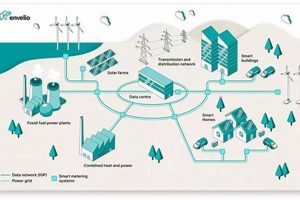
Smart grid technologies optimize the distribution and management of electricity, facilitating the integration of renewable energy sources into the existing power grid. These technologies enable real-time monitoring of energy supply and demand, allowing for dynamic adjustments and efficient distribution of renewable energy. For example, a smart grid can automatically adjust electricity flow from various sources, including solar and wind farms, based on real-time energy demand, optimizing grid stability and efficiency.
- Advanced Materials and Manufacturing Processes
Innovations in materials science and manufacturing processes lead to more efficient and durable renewable energy components, such as solar panels and wind turbine blades. These advancements improve the performance and lifespan of renewable energy systems, reducing costs and enhancing overall efficiency. For example, the development of more efficient photovoltaic materials increases the electricity output of solar panels, maximizing energy generation from a given surface area.
- Artificial Intelligence and Machine Learning
Artificial intelligence (AI) and machine learning algorithms optimize the performance and predictive capabilities of renewable energy systems. AI can analyze weather patterns and energy consumption data to predict energy generation and demand, enabling businesses to optimize energy storage and distribution strategies. For instance, AI-powered forecasting models can predict cloud cover and wind speeds, optimizing the scheduling of renewable energy generation and minimizing reliance on backup power sources.
These technological advancements drive down the cost of renewable energy, enhance its reliability, and expand its applicability across various business sectors. This continuous innovation makes renewable energy an increasingly attractive and viable option for organizations seeking to reduce their environmental impact, enhance operational efficiency, and contribute to a sustainable energy future. As technology continues to evolve, the integration of renewable energy into business operations will become even more seamless and cost-effective, accelerating the global transition towards a cleaner and more sustainable energy landscape.
Frequently Asked Questions about Corporate Renewable Energy Adoption
This section addresses common inquiries regarding the integration of renewable energy sources into business operations.
Question 1: What are the initial costs associated with implementing renewable energy systems, and how can these costs be offset?
Initial costs vary depending on the chosen technology (solar, wind, etc.), system size, and location. Various financing options, government incentives, and tax credits can significantly offset these upfront expenses. Conducting a thorough cost-benefit analysis is crucial.
Question 2: How does renewable energy integration impact grid stability and reliability, and what measures ensure consistent power supply?
Grid stability is maintained through advanced grid management technologies and energy storage solutions. Integrating renewable energy sources requires careful planning and coordination with grid operators to ensure reliable power delivery. Energy storage systems, such as batteries, provide backup power during periods of low renewable energy generation.
Question 3: What are the long-term maintenance requirements of renewable energy systems, and how do these requirements compare to traditional energy sources?
Renewable energy systems generally require less maintenance than traditional fossil fuel-based systems. However, regular inspections, cleaning, and occasional component replacement are necessary to ensure optimal performance and longevity. Preventive maintenance schedules vary depending on the specific technology.
Question 4: How can organizations measure and report the environmental impact of their renewable energy initiatives to stakeholders?
Standardized metrics and reporting frameworks, such as the Greenhouse Gas Protocol, provide guidance for quantifying and reporting emissions reductions. Organizations can track and report reductions in greenhouse gas emissions, energy consumption, and other relevant environmental indicators. Transparent reporting builds trust and demonstrates environmental responsibility.
Question 5: How does renewable energy adoption affect supply chain sustainability and resilience, and what strategies enhance supply chain integration?
Renewable energy adoption can enhance supply chain sustainability by reducing emissions associated with transportation and manufacturing processes. Organizations can collaborate with suppliers to implement renewable energy solutions throughout the supply chain, promoting greater environmental responsibility and resilience.
Question 6: What are the key policy and regulatory considerations for businesses planning to integrate renewable energy sources into their operations?
Organizations must navigate various policies and regulations, including renewable portfolio standards, carbon pricing mechanisms, and permitting requirements. Staying informed about current and evolving regulations is crucial for effective renewable energy integration planning. Consulting with legal and regulatory experts is advisable.
Understanding these key aspects of corporate renewable energy adoption empowers organizations to make informed decisions and effectively transition towards a more sustainable energy future. Thorough planning, collaboration with experts, and a long-term perspective are crucial for successful integration.
The following section provides case studies illustrating successful renewable energy integration across diverse industries.
The Transformative Impact of Organizations Embracing Renewable Energy
This exploration has highlighted the multifaceted nature of organizations integrating renewable energy sources into their operations. From cost reduction and brand enhancement to emission reduction and enhanced energy independence, the benefits are substantial and far-reaching. The evolving regulatory landscape further incentivizes this transition, while ongoing technological innovations continue to drive down costs and improve the efficiency and reliability of renewable energy systems. The convergence of these factors underscores the compelling case for businesses to adopt sustainable energy practices.
The shift toward renewable energy represents not merely a trend but a fundamental transformation of the global energy landscape. Organizations that embrace this transformation position themselves for long-term success in an increasingly environmentally conscious world. The future of sustainable business practices hinges on the widespread adoption of renewable energy, paving the way for a cleaner, more resilient, and prosperous future for all.