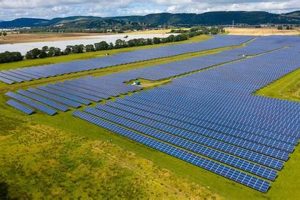
Decentralized, transparent, and secure ledgers are transforming how renewable energy resources are tracked, traded, and managed. For instance, these digital systems can record the generation and consumption of solar power within a microgrid, enabling peer-to-peer energy trading without intermediaries.
This confluence of technologies offers significant potential for increasing the efficiency and accessibility of sustainable power. Historically, complex regulatory frameworks and centralized control have hindered the widespread adoption of renewable sources. Distributed ledger technology offers a streamlined approach, potentially lowering costs, promoting transparency, and empowering consumers. This paradigm shift facilitates greater integration of renewables into the existing energy infrastructure, driving a transition towards a more sustainable future.
The following sections will delve into specific use cases, exploring the practical application of these technologies across various sectors, including energy trading platforms, renewable energy certificates, and grid management systems. Further analysis will address the challenges and opportunities inherent in this evolving landscape.
Tips for Implementing Distributed Ledger Technology in the Renewable Energy Sector
Strategic implementation of decentralized, transparent, and secure ledgers within the renewable energy sector requires careful consideration of several key factors. The following tips offer guidance for navigating this evolving landscape.
Tip 1: Focus on Scalability: Ensure the chosen platform can handle the increasing volume of transactions expected with growing adoption of renewable energy sources.
Tip 2: Prioritize Interoperability: Select systems that can seamlessly integrate with existing energy infrastructure and other relevant technologies to maximize efficiency and data sharing.
Tip 3: Address Regulatory Uncertainty: Navigate the evolving regulatory landscape by engaging with policymakers and stakeholders to establish clear guidelines for the use of distributed ledger technology in the energy sector.
Tip 4: Ensure Data Security: Implement robust security measures to protect sensitive energy data from cyber threats and maintain the integrity of the system.
Tip 5: Foster Collaboration: Encourage collaboration between energy companies, technology providers, and research institutions to drive innovation and accelerate the adoption of these transformative technologies.
Tip 6: Promote Transparency: Leverage the inherent transparency of distributed ledgers to build trust and accountability within the renewable energy ecosystem.
Tip 7: Consider Localized Solutions: Tailor solutions to the specific needs and challenges of individual communities and regions to maximize impact and effectiveness.
By addressing these critical considerations, stakeholders can unlock the full potential of decentralized, transparent, and secure ledgers, enabling a more sustainable and efficient energy future.
The successful integration of these innovative technologies hinges upon careful planning and execution. The following conclusion summarizes key opportunities and challenges.
1. Decentralized Energy Trading

Decentralized energy trading represents a fundamental shift in how renewable energy is transacted, enabled by the secure and transparent nature of blockchain technology. This approach disrupts traditional centralized energy markets, fostering greater efficiency and empowering both producers and consumers of renewable energy.
- Peer-to-Peer Energy Exchange
Blockchain facilitates direct energy transactions between participants, eliminating the need for intermediaries. For example, a homeowner with rooftop solar panels can sell excess energy directly to a neighbor, creating a localized energy marketplace. This bypasses traditional utilities, reduces transaction costs, and promotes community-based energy solutions. It also fosters greater utilization of locally generated renewable energy, minimizing transmission losses.
- Microgrid Management
Blockchain technology can underpin the efficient operation of microgrids, balancing energy supply and demand within localized energy networks. Smart contracts automate energy distribution and settlement, optimizing the use of renewable resources within the microgrid. This enhances grid resilience and reduces reliance on centralized grid infrastructure. Real-world examples include community-owned microgrids powered by solar and wind energy, utilizing blockchain for transparent energy accounting and distribution.
- Tokenized Renewable Energy Certificates (RECs)
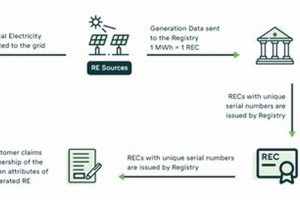
Blockchain enables the creation of tokenized RECs, representing proof of renewable energy generation. These tokens can be traded on decentralized platforms, providing greater transparency and traceability to the REC market. This streamlines the process of verifying and transferring RECs, increasing market liquidity and incentivizing renewable energy development. This can further facilitate investment in renewable energy projects by providing a transparent and verifiable mechanism for tracking and trading renewable energy attributes.
- Demand-Side Response Programs
Blockchain can facilitate dynamic pricing mechanisms and automated demand-side response programs, incentivizing consumers to shift their energy consumption patterns to align with renewable energy availability. Smart contracts can automatically adjust energy prices based on real-time grid conditions, encouraging users to reduce consumption during peak demand periods. This improves grid stability and maximizes the utilization of renewable resources, particularly intermittent sources like solar and wind power.
By enabling these facets of decentralized energy trading, blockchain technology empowers individuals and communities to actively participate in the renewable energy transition, fostering a more sustainable and democratized energy future. This shift towards localized and transparent energy markets has the potential to accelerate the adoption of renewable energy and drive significant changes in the broader energy landscape.
2. Transparent Energy Tracking

Transparent energy tracking, facilitated by blockchain technology, is revolutionizing the renewable energy sector by providing an immutable and auditable record of energy generation, distribution, and consumption. This transparency fosters trust among stakeholders, enhances accountability, and streamlines complex processes within the renewable energy ecosystem. Understanding its various facets is crucial for grasping its transformative potential.
- Proof of Origin
Blockchain provides an irrefutable record of renewable energy generation, verifying its source and ensuring its authenticity. This “proof of origin” is crucial for renewable energy certificates (RECs) and other tracking mechanisms, allowing consumers and businesses to verify the true source of their green power. For example, a solar farm can register each megawatt-hour generated on a blockchain, providing verifiable proof of its renewable origin. This enhances the credibility of REC markets and enables consumers to make informed decisions about their energy consumption.
- Supply Chain Traceability
The entire lifecycle of renewable energy, from generation to consumption, can be tracked on a blockchain. This granular level of traceability provides insights into every stage of the energy supply chain, enhancing efficiency and accountability. For instance, tracking the movement of renewable energy credits through the supply chain can help identify bottlenecks and prevent fraud. This enhanced transparency fosters trust and strengthens the integrity of renewable energy markets.
- Auditing and Verification
Blockchain’s immutability makes it an ideal platform for auditing and verifying renewable energy data. The transparent and tamper-proof nature of the blockchain ensures the integrity of records, simplifying the auditing process and reducing the risk of manipulation. Regulatory bodies can leverage blockchain to verify compliance with renewable energy standards and ensure the accurate reporting of emissions reductions. This streamlined auditing process reduces costs and enhances the reliability of environmental reporting.
- Grid Management and Optimization
Real-time energy tracking on a blockchain can optimize grid management by providing accurate data on energy generation and consumption. This information allows grid operators to balance supply and demand more effectively, integrate renewable energy sources more efficiently, and reduce transmission losses. For instance, blockchain-based smart grids can automatically adjust energy distribution based on real-time data from renewable energy sources, optimizing grid performance and minimizing reliance on fossil fuels.
These facets of transparent energy tracking, powered by blockchain, contribute significantly to the growth and adoption of renewable energy. By enhancing trust, efficiency, and accountability, blockchain technology unlocks the full potential of renewable resources and facilitates the transition to a more sustainable energy future. This increased transparency also empowers consumers with greater control over their energy choices, driving demand for clean energy and accelerating the shift towards a decarbonized world.
3. Secure Renewable Energy Certificates (RECs)

Secure renewable energy certificates (RECs), representing proof of one megawatt-hour (MWh) of renewable electricity generation, play a crucial role in tracking and verifying renewable energy claims. Integrating blockchain technology with REC management addresses inherent challenges within traditional REC systems, such as double counting, fraud, and inefficient market processes. Blockchain’s immutable ledger provides a transparent and tamper-proof record of REC creation, ownership, and retirement, enhancing the credibility and efficiency of REC markets. This secure and verifiable system allows consumers and businesses to confidently support renewable energy development and demonstrate their commitment to sustainability. For example, a wind farm can issue RECs on a blockchain platform, providing a verifiable record of each MWh of wind energy generated. This prevents fraudulent REC creation and ensures that each REC represents genuine renewable energy production.
The practical implications of blockchain-based REC management are significant. Automated REC tracking and trading streamline market operations, reducing administrative costs and increasing market liquidity. Smart contracts can automate REC retirement, ensuring that RECs are used only once and preventing double counting. This enhanced transparency and efficiency fosters greater participation in renewable energy markets, driving investment in renewable energy projects. Furthermore, blockchain enables the development of innovative REC products, such as bundled RECs tied to specific renewable energy projects, offering consumers greater control over their renewable energy purchases. Consider a corporation seeking to offset its carbon footprint by purchasing RECs. A blockchain-based system allows the corporation to verify the origin and authenticity of the RECs, ensuring that its investment directly supports renewable energy generation.
In conclusion, the integration of blockchain technology with REC management strengthens the integrity and efficiency of renewable energy markets. By addressing the limitations of traditional REC systems, blockchain enhances transparency, reduces fraud, and streamlines market processes. This secure and verifiable system empowers consumers, businesses, and regulatory bodies to confidently participate in the renewable energy transition, driving further growth and adoption of sustainable energy solutions. Challenges remain, including interoperability between different blockchain platforms and regulatory frameworks for digital RECs. However, the potential benefits of blockchain-based REC management are substantial, offering a pathway toward a more transparent, efficient, and secure renewable energy future.
4. Efficient Grid Management

Efficient grid management is crucial for maximizing the benefits of renewable energy integration. The intermittent nature of sources like solar and wind power presents challenges for grid stability and reliability. Blockchain technology offers innovative solutions to address these complexities, enabling more efficient and dynamic grid management. By facilitating real-time data sharing and automated control mechanisms, blockchain enhances grid flexibility and optimizes the utilization of renewable resources. For example, blockchain-based smart grids can automatically adjust energy distribution based on real-time data from renewable energy sources, predicting fluctuations in supply and demand. This dynamic balancing ensures grid stability and minimizes reliance on traditional, less sustainable backup power sources. Furthermore, distributed ledger technology can enable peer-to-peer energy trading within microgrids, fostering localized energy markets and reducing reliance on centralized grid infrastructure. This decentralized approach enhances grid resilience and empowers consumers to actively participate in the energy ecosystem.
Practical applications of blockchain in grid management extend beyond energy distribution. Blockchain can streamline grid maintenance and repair processes by providing a transparent and immutable record of grid assets and maintenance history. This enhanced transparency reduces downtime and improves the efficiency of maintenance operations. Moreover, blockchain can facilitate secure and transparent energy data management, enabling data sharing between grid operators, energy producers, and consumers. This data transparency fosters trust and collaboration within the energy ecosystem, driving innovation and accelerating the adoption of renewable energy solutions. For instance, a blockchain-based platform could track the maintenance history of wind turbines, providing verifiable data on repairs and inspections. This streamlines maintenance scheduling and reduces the risk of equipment failure.
In summary, blockchain technology offers transformative potential for efficient grid management in the context of increasing renewable energy integration. By enabling real-time data sharing, automated control mechanisms, and decentralized energy markets, blockchain enhances grid flexibility, resilience, and transparency. Overcoming challenges such as scalability and interoperability with existing grid infrastructure remains crucial. However, the continued development and implementation of blockchain-based solutions hold significant promise for optimizing grid operations and accelerating the transition to a sustainable energy future. This integration is essential for maximizing the benefits of renewable energy and building a more robust, efficient, and sustainable energy system.
5. Empowered energy consumers
Decentralized platforms fundamentally alter the consumer’s role within the renewable energy landscape. Historically, consumers passively received energy from centralized utilities. Distributed ledger technologies enable active participation in energy markets, transforming consumers into prosumers both producers and consumers of energy. This shift stems from the enhanced transparency and control afforded by blockchain. Individuals with rooftop solar installations, for instance, can directly sell excess energy to their neighbors through peer-to-peer energy trading platforms powered by blockchain. This bypasses traditional utilities, fostering localized energy markets and empowering consumers to monetize their renewable energy investments.
This newfound agency extends beyond energy trading. Consumers gain greater insight into the source and composition of their energy consumption through transparent energy tracking enabled by blockchain. They can verify the provenance of renewable energy credits, ensuring their consumption aligns with their sustainability goals. Furthermore, blockchain-based smart contracts facilitate participation in demand-side response programs, empowering consumers to optimize their energy usage based on real-time grid conditions and dynamic pricing signals. This active engagement promotes energy efficiency and grid stability. For example, a consumer could choose to purchase energy directly from a local wind farm through a blockchain-based platform, supporting local renewable energy development and reducing reliance on fossil fuels. The ability to choose their energy source empowers consumers and promotes transparency within the energy market.
In conclusion, the convergence of blockchain and renewable energy empowers consumers in unprecedented ways. This empowerment drives the adoption of sustainable energy solutions, fostering a more decentralized and democratized energy future. While challenges such as data privacy and consumer education remain, the potential for consumer-driven energy transformation is significant. This active participation is essential for achieving broader sustainability goals and transitioning to a more resilient and equitable energy system. The ongoing evolution of blockchain technology and its integration with the energy sector will continue to shape the role of consumers and drive innovation in the pursuit of a sustainable energy future.
Frequently Asked Questions
This section addresses common inquiries regarding the intersection of distributed ledger technologies and sustainable power generation.
Question 1: How can distributed ledgers enhance the security of renewable energy transactions?
Immutable records on a distributed ledger prevent tampering and fraud, ensuring the integrity of renewable energy transactions, such as renewable energy certificate (REC) trading. This cryptographic security enhances trust and accountability within the renewable energy market.
Question 2: What role do smart contracts play in renewable energy systems integrated with distributed ledgers?
Smart contracts automate agreements and transactions within these systems. They can facilitate automated energy trading, grid management, and REC retirement, increasing efficiency and reducing the need for intermediaries.
Question 3: Can distributed ledger technologies improve the efficiency of renewable energy grid integration?
Real-time data management on a distributed ledger enables dynamic grid balancing and optimization, facilitating the integration of intermittent renewable energy sources like solar and wind power. This can lead to improved grid stability and reduced reliance on fossil fuel-based backup power.
Question 4: What are the potential benefits of peer-to-peer energy trading facilitated by distributed ledgers?
Peer-to-peer trading empowers individuals to buy and sell renewable energy directly within their communities, fostering localized energy markets and reducing reliance on centralized utilities. This can increase energy access and promote community-based renewable energy development.
Question 5: How do distributed ledgers address the challenge of renewable energy certificate (REC) fraud?
The transparent and tamper-proof nature of distributed ledgers makes it significantly more difficult to fraudulently create or double-count RECs. This enhances the integrity and credibility of REC markets, promoting confidence in renewable energy claims.
Question 6: What are some of the key challenges to widespread adoption of distributed ledgers in the renewable energy sector?
Scalability, interoperability with existing energy infrastructure, and regulatory uncertainty pose challenges to broader adoption. Addressing these hurdles is crucial for unlocking the full potential of distributed ledger technology in the renewable energy transition.
Understanding the potential of distributed ledgers to transform renewable energy systems is crucial for accelerating the global transition to sustainable energy. Further research and development are essential for addressing remaining challenges and realizing the full benefits of this innovative technology.
The subsequent section will explore case studies of successful implementations of distributed ledgers in renewable energy projects worldwide.
Conclusion
This exploration has highlighted the transformative potential of blockchain technology within the renewable energy sector. From enhancing the security and transparency of renewable energy certificate (REC) markets to enabling peer-to-peer energy trading and optimizing grid management, blockchain offers innovative solutions to address critical challenges facing the sustainable energy transition. The convergence of these technologies empowers consumers, fosters greater efficiency, and accelerates the adoption of renewable energy sources. Decentralized, secure, and transparent systems are crucial for building a more resilient and sustainable energy future.
The integration of blockchain and renewable energy represents a significant step toward a decarbonized world. Continued research, development, and collaboration are essential to fully realize the potential of this technological synergy. Addressing remaining challenges, such as scalability and regulatory frameworks, will pave the way for widespread adoption and unlock a truly sustainable energy future powered by innovation and collaboration. The future of energy hinges on embracing such transformative technologies and fostering a global commitment to sustainable solutions.