Sustainable power generation methods that minimize environmental impact and utilize resources that replenish naturally are essential for a healthy planet. Examples include solar, wind, hydro, geothermal, and biomass energy. These sources produce minimal or no greenhouse gas emissions during operation, unlike fossil fuels. Furthermore, their fuel sources are not finite, ensuring long-term energy security.
The shift towards these sustainable practices offers numerous advantages. Reduced air and water pollution leads to improved public health and protects ecosystems. Decreased reliance on finite fossil fuels enhances energy independence and mitigates the risks associated with volatile global markets. Historically, energy production has been a major contributor to environmental degradation. The transition to sustainable sources represents a significant step towards mitigating climate change and ensuring a sustainable future.
This discussion will further explore specific sustainable energy technologies, their implementation challenges, and the economic and social implications of widespread adoption. Subsequent sections will delve into the latest advancements in these fields, policy frameworks that encourage their use, and the role of individuals and communities in facilitating the transition.
Tips for Supporting Sustainable Energy
Promoting sustainable energy practices requires a multifaceted approach. The following recommendations provide practical guidance for individuals, communities, and businesses seeking to contribute to a cleaner energy future.
Tip 1: Invest in Energy-Efficient Appliances: Choosing appliances with high energy efficiency ratings, such as Energy Star certified products, significantly reduces electricity consumption and lowers long-term operating costs.
Tip 2: Explore Residential Renewable Energy Options: Rooftop solar panels, small-scale wind turbines, and geothermal heat pumps offer opportunities to generate clean energy at home, reducing reliance on the traditional power grid.
Tip 3: Support Sustainable Transportation: Utilizing public transportation, cycling, walking, or electric vehicles minimizes reliance on fossil fuels and reduces greenhouse gas emissions from the transportation sector.
Tip 4: Advocate for Policy Changes: Supporting policies that incentivize renewable energy development, such as tax credits and renewable portfolio standards, accelerates the transition to a sustainable energy system.
Tip 5: Reduce Overall Energy Consumption: Simple measures like turning off lights when leaving a room, unplugging electronics not in use, and optimizing thermostat settings can significantly reduce overall energy consumption.
Tip 6: Educate and Engage Communities: Raising awareness about the benefits of sustainable energy and encouraging community participation in local initiatives fosters broader support for clean energy solutions.
Tip 7: Invest in Sustainable Businesses: Supporting companies committed to sustainable practices and renewable energy use sends a powerful market signal and encourages wider adoption of these practices.
Embracing these strategies can contribute significantly to a cleaner, healthier, and more sustainable energy future. Collective action is crucial for achieving widespread adoption of these practices and realizing the full potential of sustainable energy technologies.
The concluding section will summarize the key benefits of transitioning to a sustainable energy system and emphasize the importance of continued innovation and collaboration in this critical field.
1. Sustainable Sourcing
Sustainable sourcing plays a critical role in achieving truly clean, environmentally friendly, and renewable energy systems. It addresses the entire lifecycle of energy production, from material extraction and manufacturing to operation and eventual decommissioning. Sustainable sourcing minimizes environmental damage by prioritizing materials with low environmental impact, extracted and processed using responsible methods. For example, sourcing materials for solar panels from suppliers committed to reducing waste and using recycled components significantly reduces the overall environmental footprint of solar energy. Furthermore, sustainable sourcing considers the social and ethical implications of resource extraction, promoting fair labor practices and community benefits.
The impact of neglecting sustainable sourcing can be substantial. Using materials mined irresponsibly can lead to habitat destruction, water contamination, and human rights abuses. Similarly, manufacturing processes that generate significant pollution undermine the environmental benefits of renewable energy technologies. Consider the difference between wind turbine blades manufactured with recycled materials powered by renewable energy versus blades produced using resource-intensive methods and fossil fuel-powered factories. The latter scenario diminishes the overall environmental benefits of wind energy. Therefore, sustainable sourcing is not merely a desirable addition but a fundamental requirement for genuinely clean and renewable energy.
In conclusion, sustainable sourcing is integral to maximizing the positive environmental and social impact of renewable energy. Addressing the entire supply chain ensures that the transition to clean energy truly contributes to a more sustainable future. Future advancements in material science, recycling technologies, and supply chain transparency will further enhance the ability to source components for renewable energy systems responsibly and sustainably. This continuous improvement is essential for realizing the full potential of clean energy and minimizing its environmental footprint.
2. Emission Reduction

Emission reduction is fundamental to the pursuit of clean, environmentally friendly, and renewable energy systems. Transitioning from fossil fuels to renewable sources significantly reduces greenhouse gas emissions, mitigating climate change and improving air quality. Exploring the multifaceted nature of emission reduction reveals its crucial role in achieving a sustainable energy future.
- Reduced Greenhouse Gas Emissions
Renewable energy sources like solar, wind, and hydro produce little to no greenhouse gases during operation, unlike fossil fuels. This drastically reduces emissions contributing to climate change. For example, replacing a coal-fired power plant with a solar farm eliminates the substantial carbon dioxide emissions associated with coal combustion. This shift is crucial for meeting global climate goals.
- Improved Air Quality
Burning fossil fuels releases pollutants like sulfur dioxide and nitrogen oxides, contributing to respiratory problems and other health issues. Renewable energy sources significantly reduce these emissions, leading to cleaner air and improved public health. A city transitioning its public transportation fleet from diesel buses to electric buses, for instance, directly improves urban air quality, benefiting residents.
- Mitigation of Acid Rain
Sulfur dioxide and nitrogen oxides from fossil fuel combustion react with atmospheric water to form acid rain, harming ecosystems and infrastructure. Renewable energy minimizes these pollutants, thus mitigating acid rain and its detrimental effects. Protecting forests and aquatic life from acidification demonstrates a clear environmental benefit of renewable energy adoption.
- Decentralized Energy Production
Renewable energy often facilitates decentralized energy production, reducing transmission losses associated with large, centralized power plants. Shorter transmission distances mean less energy wasted during distribution. Rooftop solar panels, for example, directly power homes, minimizing transmission losses compared to electricity generated hundreds of miles away.
These facets of emission reduction highlight the crucial role of clean, environmentally friendly, and renewable energy in achieving a sustainable future. The transition to these energy sources not only mitigates climate change but also delivers substantial co-benefits, including improved public health and ecosystem protection. Continued innovation and investment in renewable energy technologies are essential for accelerating emission reductions and securing a cleaner, healthier environment.
3. Resource Replenishment

Resource replenishment is a cornerstone of clean, environmentally friendly, and renewable energy systems. Unlike fossil fuels, which are finite and deplete over time, renewable energy sources rely on resources that naturally replenish, ensuring long-term sustainability. Understanding the facets of resource replenishment is crucial for appreciating the long-term viability of these energy systems.
- Natural Cycles
Renewable energy harnesses naturally replenishing resources driven by ongoing cycles within the Earth’s systems. Solar energy relies on the sun’s constant radiation, while wind energy utilizes air currents driven by atmospheric pressure differences. Hydropower harnesses the water cycle, and geothermal energy taps into the Earth’s internal heat. These continuous natural processes ensure a consistent supply of energy.
- Sustainable Harvesting
Certain renewable energy sources, such as biomass, involve harvesting organic matter. Sustainable harvesting practices are crucial for ensuring resource replenishment. For example, sustainably managed forests can provide a continuous supply of wood for bioenergy, while agricultural residues can be utilized without compromising food production. Careful management ensures that the rate of harvest does not exceed the rate of replenishment.
- Reduced Resource Depletion
Transitioning to renewable energy reduces reliance on finite resources like coal, oil, and natural gas. This shift mitigates resource depletion and its associated environmental and economic consequences. For instance, reducing reliance on coal mining minimizes habitat destruction and water contamination associated with extraction. This preservation of natural resources is a key benefit of renewable energy systems.
- Long-Term Energy Security
Resource replenishment ensures long-term energy security by decoupling energy production from finite resources. Unlike fossil fuels, which are subject to price volatility and geopolitical instability, renewable energy sources provide a stable and predictable energy supply. This stability is crucial for sustainable economic development and energy independence.
Resource replenishment distinguishes renewable energy from fossil fuels, ensuring a sustainable and secure energy future. By harnessing naturally replenishing resources and implementing sustainable harvesting practices, renewable energy systems minimize environmental impact and contribute to long-term resource availability. This reliance on renewable resources is fundamental to the environmental and economic sustainability of clean energy systems.
4. Technological Innovation

Technological innovation is the driving force behind advancements in clean, environmentally friendly, and renewable energy systems. Continuous improvements in efficiency, cost-effectiveness, and reliability are essential for widespread adoption and integration of these technologies. Exploring key facets of technological innovation reveals its crucial role in shaping a sustainable energy future.
- Improved Energy Conversion Efficiency
Advances in materials science, engineering design, and manufacturing processes have led to significant improvements in the efficiency of converting renewable resources into usable energy. For example, advancements in photovoltaic technology have increased the efficiency of solar panels, allowing them to generate more electricity from the same amount of sunlight. Similarly, improved turbine designs and blade aerodynamics have enhanced the energy capture efficiency of wind turbines. These advancements directly translate to greater energy output and reduced costs.
- Enhanced Energy Storage Solutions
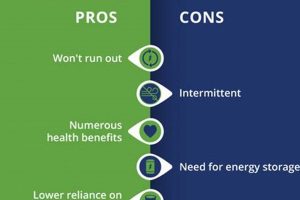
Effective energy storage is crucial for addressing the intermittent nature of renewable energy sources like solar and wind. Technological innovations in battery technology, pumped hydro storage, and other storage solutions are improving energy storage capacity, efficiency, and lifespan. Advanced battery systems, for instance, can store excess solar energy generated during the day for use at night, ensuring a reliable power supply. These advancements are critical for integrating renewable energy into the grid and providing consistent power.
- Smart Grid Technologies
Smart grid technologies optimize energy distribution and management, enabling efficient integration of renewable energy sources. Advanced sensors, communication networks, and data analytics improve grid stability, reduce transmission losses, and facilitate demand-side management. Smart grids can dynamically adjust energy distribution based on real-time supply and demand, maximizing the utilization of renewable energy. These technologies are essential for creating a flexible and resilient energy system.
- Cost Reduction through Innovation
Technological advancements consistently drive down the cost of renewable energy technologies. Economies of scale, improved manufacturing processes, and innovative materials have made renewable energy increasingly competitive with fossil fuels. The declining cost of solar panels, for example, has made solar energy a viable option for homeowners and businesses. Continued innovation is crucial for making renewable energy affordable and accessible to all.
These intertwined facets of technological innovation are pivotal for advancing clean, environmentally friendly, and renewable energy systems. Continued investment in research and development, coupled with supportive policies and market mechanisms, will further accelerate the pace of innovation, driving down costs, improving efficiency, and ultimately enabling a sustainable energy future. The transition to a clean energy economy hinges on the continuous advancement of these crucial technologies.
5. Economic Viability

Economic viability is crucial for the widespread adoption and long-term sustainability of clean, environmentally friendly, and renewable energy systems. While environmental benefits are a primary driver, the economic feasibility of these technologies is essential for attracting investment, creating jobs, and ensuring broad accessibility. Analyzing the economic aspects reveals the interconnectedness between sustainable energy and economic prosperity.
- Job Creation and Economic Growth
The renewable energy sector is a significant source of job creation, offering employment opportunities in manufacturing, installation, maintenance, and research. For example, the growth of the solar industry has created numerous jobs in manufacturing solar panels, installing rooftop systems, and maintaining solar farms. These jobs stimulate local economies and contribute to overall economic growth. Furthermore, investments in renewable energy projects often generate economic activity in surrounding communities, creating a positive ripple effect.
- Reduced Energy Costs and Price Stability
Renewable energy sources, once established, often have lower operating costs than fossil fuel-based power plants. Solar and wind energy, for instance, have no fuel costs, reducing electricity prices for consumers and businesses. This price stability protects against the volatility of fossil fuel markets, shielding economies from price fluctuations and enhancing energy security.
- Investment Opportunities and Innovation
The renewable energy sector attracts significant investment, driving innovation and technological advancements. Venture capital, government incentives, and private sector investments fuel research and development, leading to more efficient and cost-effective technologies. This continuous innovation cycle further reduces costs and accelerates the transition to a clean energy economy.
- Energy Independence and Security
Renewable energy sources can enhance energy independence by reducing reliance on imported fossil fuels. Countries with abundant renewable resources can generate their own electricity, reducing vulnerability to geopolitical instability and supply disruptions. This energy independence strengthens national security and provides greater control over energy prices.
The economic viability of clean, environmentally friendly, and renewable energy is intrinsically linked to its long-term success. The transition to a sustainable energy future not only benefits the environment but also creates economic opportunities, reduces energy costs, and enhances energy security. By fostering a supportive policy environment and encouraging continued innovation, societies can unlock the full economic potential of renewable energy and create a more sustainable and prosperous future.
6. Social Equity
Social equity is an integral component of the transition to clean, environmentally friendly, and renewable energy systems. A just transition ensures that the benefits of clean energy are accessible to all members of society, regardless of socioeconomic status, race, or geographic location. Furthermore, it addresses the potential negative impacts of the energy transition on vulnerable communities, ensuring a fair and equitable distribution of benefits and burdens.
A key aspect of social equity in the energy transition is ensuring equitable access to clean energy technologies and their associated benefits. Lower-income communities often bear a disproportionate burden of environmental pollution from fossil fuel power plants, while lacking access to cleaner energy alternatives. Promoting rooftop solar installations in low-income neighborhoods, coupled with financial assistance programs, can reduce energy burdens and improve air quality in these communities. Similarly, ensuring access to electric vehicle charging infrastructure in underserved areas promotes equitable access to clean transportation options. Failing to address these disparities perpetuates existing inequalities and undermines the social benefits of the clean energy transition. Conversely, equitable access to clean energy resources can empower communities, create economic opportunities, and improve public health.
Another critical dimension of social equity involves mitigating potential negative impacts of the energy transition on vulnerable populations. For example, the closure of coal mines or power plants can lead to job losses in communities heavily reliant on the fossil fuel industry. Just transition initiatives, such as retraining programs and economic diversification strategies, are crucial for supporting affected workers and communities. Similarly, ensuring that the siting of renewable energy projects does not disproportionately impact marginalized communities is essential. Careful planning and community engagement are necessary to minimize potential negative consequences and ensure that all voices are heard in the decision-making process. Ultimately, a just and equitable energy transition requires a holistic approach that considers both the distribution of benefits and the mitigation of potential harms, ensuring that all members of society can participate in and benefit from a sustainable energy future.
Frequently Asked Questions about Sustainable Energy
This section addresses common inquiries regarding sustainable energy systems, aiming to clarify potential misconceptions and provide concise, informative responses.
Question 1: Are sustainable energy sources reliable enough to meet global energy demands?
While the intermittency of some renewable sources, like solar and wind, presents a challenge, advancements in energy storage technologies and grid management systems are increasingly mitigating this issue. Diversification of renewable energy sources and integration with smart grids enhance reliability and ensure a consistent energy supply.
Question 2: Is sustainable energy significantly more expensive than traditional energy sources?
The cost of renewable energy technologies has decreased dramatically in recent years, making them competitive with, and in some cases cheaper than, fossil fuels. Furthermore, the long-term cost savings from reduced fuel consumption and lower operating expenses often outweigh the initial investment.
Question 3: What is the environmental impact of manufacturing renewable energy technologies?
While the manufacturing of renewable energy technologies does have some environmental impact, it is significantly lower than the long-term impacts of fossil fuel extraction, processing, and combustion. Furthermore, advancements in sustainable sourcing and manufacturing processes are continuously minimizing the environmental footprint of renewable energy technologies.
Question 4: How can individuals contribute to the transition to sustainable energy?
Individuals can contribute through various actions: investing in energy-efficient appliances, exploring residential renewable energy options, supporting sustainable transportation, advocating for policy changes, reducing overall energy consumption, educating and engaging communities, and investing in sustainable businesses.
Question 5: What are the main barriers to widespread adoption of sustainable energy?
Key barriers include upfront costs, infrastructure limitations, policy and regulatory hurdles, public perception and acceptance, and the intermittency of some renewable resources. Addressing these challenges requires a combination of technological advancements, policy support, and public awareness campaigns.
Question 6: How does sustainable energy contribute to economic development?
Sustainable energy creates jobs in manufacturing, installation, maintenance, and research. It also reduces energy costs, enhances energy independence, attracts investment, and fosters innovation, contributing to overall economic growth and stability.
Transitioning to sustainable energy offers numerous environmental, economic, and social benefits. Addressing the challenges requires a multifaceted approach involving technological advancements, policy support, public awareness, and individual action.
The next section delves into specific case studies of successful sustainable energy implementations worldwide, showcasing the practical application and positive impacts of these technologies.
Conclusion
This exploration has underscored the multifaceted nature of clean, environmentally friendly, and renewable energy systems, highlighting their crucial role in forging a sustainable future. From mitigating climate change and improving air quality through emission reductions to ensuring long-term energy security through resource replenishment, the benefits are substantial and far-reaching. Technological innovation continuously drives advancements in efficiency and cost-effectiveness, while economic viability ensures accessibility and stimulates job growth. Moreover, a focus on social equity guarantees a just transition, ensuring that the benefits of clean energy reach all segments of society.
The transition to clean, environmentally friendly, and renewable energy is not merely a technological endeavor; it represents a fundamental shift in societal values and priorities. It demands a concerted global effort, encompassing policy support, technological innovation, and individual responsibility. The future of the planet hinges on embracing these sustainable energy solutions, securing a healthier environment and a more prosperous future for generations to come. Continued dedication to research, development, and implementation of these crucial technologies is paramount for realizing a truly sustainable global energy landscape.