Harnessing power from sources that naturally replenish themselvessuch as solar radiation, wind, water flow, geothermal heat, and biomassforms the core of sustainable power generation. For example, photovoltaic panels convert sunlight directly into electricity, while wind turbines capture the kinetic energy of moving air. These technologies offer a cleaner alternative to conventional fossil fuels.
The shift towards sustainable power offers significant advantages, including reduced greenhouse gas emissions, decreased reliance on finite resources, and the potential for distributed generation, empowering communities and enhancing energy independence. Historically, reliance on renewable sources was commonplace, but the advent of the industrial revolution led to a dependence on fossil fuels. Today, the imperative to mitigate climate change and ensure long-term energy security has revitalized interest in and development of these vital technologies.
This foundation in sustainable power generation principles serves as a springboard for exploring specific technologies, their applications, and their role in shaping a future powered by clean, abundant resources. Subsequent sections will delve into the distinct characteristics of various renewable energy sources, analyze their economic and environmental impact, and assess their potential to meet global energy demands.
Practical Steps Towards Sustainable Energy Adoption
Transitioning towards sustainable practices requires careful consideration and informed decision-making. The following recommendations offer guidance for individuals, communities, and organizations seeking to integrate sustainable solutions effectively.
Tip 1: Conduct a Thorough Energy Audit: Evaluating current energy consumption patterns is crucial. A professional energy audit can identify areas for improvement and quantify potential savings from implementing sustainable alternatives.
Tip 2: Explore Available Incentives and Policies: Many governments and utilities offer financial incentives, such as tax credits and rebates, for adopting sustainable technologies. Researching these programs can significantly reduce upfront costs.
Tip 3: Prioritize Energy Efficiency Measures: Implementing energy-saving practices, such as improving insulation, using energy-efficient appliances, and optimizing lighting, can reduce overall energy demand and maximize the impact of sustainable sources.
Tip 4: Consider On-Site Generation Options: Installing solar panels, small-scale wind turbines, or geothermal heat pumps can provide direct access to sustainable power and reduce reliance on the grid.
Tip 5: Support Community-Based Initiatives: Participating in community solar projects or advocating for local policies that promote sustainable energy can accelerate the broader transition to cleaner power sources.
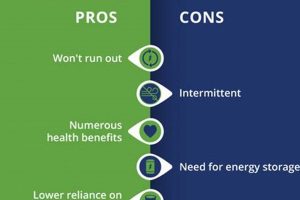
Tip 6: Invest in Energy Storage Solutions: Battery storage systems can enhance the reliability and effectiveness of intermittent renewable sources like solar and wind power by storing excess energy for use during periods of low generation.
Tip 7: Stay Informed About Technological Advancements: The field of sustainable power is constantly evolving. Staying abreast of new technologies and innovations can ensure access to the most efficient and cost-effective solutions.
By embracing these strategies, stakeholders can contribute to a cleaner energy future, reduce their environmental footprint, and foster greater energy independence.
These practical steps provide a roadmap for transitioning towards a more sustainable energy landscape. The following conclusion will synthesize key themes and offer a perspective on the future of sustainable power.
1. Sustainable Sourcing

Sustainable sourcing is integral to the effective implementation of renewable energy systems. It ensures that the materials and processes involved in generating power from renewable sources minimize environmental and social harm, contributing to the long-term viability and positive impact of these technologies.
- Material Selection:
Choosing materials with low environmental footprints is crucial. This includes considering factors such as embodied energy, recyclability, and the potential for resource depletion. For instance, using recycled materials in wind turbine construction or sourcing sustainably harvested wood for biomass power plants reduces the overall environmental impact. Careful material selection ensures that the benefits of renewable energy are not offset by negative consequences associated with resource extraction and processing.
- Manufacturing Processes:
Minimizing waste and pollution during the manufacturing of renewable energy components is essential. This involves adopting cleaner production methods, optimizing energy efficiency in factories, and implementing responsible waste management practices. For example, using closed-loop water systems in solar panel production minimizes water consumption and pollution. Sustainable manufacturing processes contribute to the overall environmental integrity of renewable energy systems.
- Supply Chain Transparency:
Ensuring transparency throughout the supply chain is vital for verifying the sustainability of sourced materials and components. This includes tracking the origin of materials, monitoring labor practices, and verifying compliance with environmental regulations. Transparency enables consumers and stakeholders to make informed decisions and hold companies accountable for their sustainability claims. It builds trust and reinforces the ethical dimensions of renewable energy development.
- End-of-Life Management:
Planning for the responsible disposal and recycling of renewable energy components is essential for minimizing waste and maximizing resource recovery. This includes designing products for disassembly and recyclability and establishing efficient collection and recycling systems. For instance, developing methods for recycling solar panel components recovers valuable materials and reduces landfill waste. Effective end-of-life management contributes to the circular economy and minimizes the long-term environmental impact of renewable energy technologies.
These facets of sustainable sourcing are interconnected and essential for maximizing the positive impact of renewable energy systems. By prioritizing sustainable practices throughout the lifecycle of renewable energy technologies, from material extraction to end-of-life management, the industry can minimize its environmental footprint and contribute to a truly sustainable energy future. This holistic approach reinforces the environmental and social benefits of renewable energy, ensuring its long-term viability and positive contribution to global sustainability.
2. Environmental Impact
Assessing the environmental impact of renewable energy generation is crucial for understanding its true sustainability. While generally considered cleaner than fossil fuels, renewable sources still present environmental considerations that require careful evaluation and mitigation. A comprehensive analysis must encompass the entire lifecycle of these technologies, from resource extraction and manufacturing to operation and decommissioning.
- Greenhouse Gas Emissions:
Renewable energy technologies offer substantial reductions in greenhouse gas emissions compared to conventional fossil fuel-based power generation. While the operational phase of renewable energy projects typically produces minimal emissions, some emissions can occur during manufacturing and transportation of components. Life-cycle assessments provide a comprehensive evaluation of emissions across all stages, enabling informed comparisons between different energy sources and guiding the development of strategies to further minimize the carbon footprint of renewable energy systems.
- Land Use and Habitat Impacts:
Renewable energy projects, particularly large-scale solar and wind farms, can have significant land use implications. Careful site selection and project design are crucial for minimizing impacts on sensitive ecosystems, wildlife habitats, and agricultural lands. Strategies such as co-locating solar farms with existing infrastructure or integrating wind turbines into agricultural landscapes can help reduce land use conflicts and maximize the overall environmental benefits of renewable energy development.
- Water Usage:
Certain renewable energy technologies, such as concentrated solar power and hydropower, require substantial amounts of water for operation. Evaluating water availability and potential impacts on aquatic ecosystems is crucial, particularly in water-stressed regions. Implementing water-efficient technologies and exploring alternative cooling methods can help minimize water consumption and mitigate potential negative impacts on water resources.
- Waste Management:
The manufacturing, operation, and decommissioning of renewable energy technologies generate waste streams that require responsible management. Recycling programs, proper disposal methods, and the development of technologies that minimize waste generation are essential for reducing the environmental footprint of these systems. For example, recycling solar panels at the end of their lifespan recovers valuable materials and prevents hazardous components from entering landfills. Effective waste management practices contribute to the overall sustainability of renewable energy systems.
Considering these environmental impacts holistically provides a comprehensive understanding of the sustainability of renewable energy technologies. By carefully evaluating and mitigating potential negative consequences, while maximizing the significant benefits of reduced greenhouse gas emissions and decreased reliance on finite resources, renewable energy can play a crucial role in creating a cleaner, more sustainable energy future. This requires ongoing research, technological innovation, and responsible policy development to ensure that the transition to renewable energy minimizes environmental trade-offs and maximizes its positive contributions to global sustainability.
3. Technological Advancements

Technological advancements are intrinsically linked to the progress and widespread adoption of renewable energy generation. These advancements drive improvements in efficiency, cost-effectiveness, and reliability, making renewable sources increasingly competitive with conventional fossil fuels. The relationship between technological innovation and renewable energy is a dynamic one, with advancements in one area often spurring progress in another. For instance, improvements in materials science have led to more durable and efficient solar panels, while breakthroughs in battery technology have enhanced the storage capacity and lifespan of energy storage systems, addressing the intermittency challenges associated with solar and wind power.
Specific examples highlight the transformative impact of technological advancements. The development of high-efficiency photovoltaic cells has significantly increased the amount of electricity generated per unit area of solar panels, reducing land use requirements and improving the overall economic viability of solar energy. Similarly, advancements in wind turbine design, including larger rotor diameters and improved blade aerodynamics, have enabled the capture of more wind energy, increasing the power output and efficiency of wind farms. These advancements are not limited to hardware; sophisticated software and control systems optimize the performance of renewable energy systems, predicting energy generation, managing grid integration, and maximizing energy output. Furthermore, innovations in grid management technologies, such as smart grids, facilitate the integration of distributed renewable energy sources, enhancing grid stability and reliability.
Understanding the crucial role of technological advancements in the evolution of renewable energy is essential for informed decision-making and policy development. Continued investment in research and development is critical for driving further innovation, reducing costs, and accelerating the transition to a cleaner, more sustainable energy future. Addressing challenges such as the intermittency of renewable sources, improving energy storage technologies, and developing more efficient grid integration solutions are crucial areas of focus. The ongoing pursuit of technological advancements will pave the way for wider adoption of renewable energy, contributing significantly to global efforts to mitigate climate change and ensure long-term energy security.
4. Economic Viability

Economic viability is a cornerstone of sustainable energy’s successful integration into the broader energy landscape. The ability of renewable energy sources to compete with conventional fossil fuels on a cost basis is essential for widespread adoption. Several factors influence the economic viability of renewable energy projects, including initial capital costs, operating and maintenance expenses, financing options, and government policies. A clear understanding of these factors is crucial for making informed investment decisions and developing effective strategies for promoting renewable energy deployment.
The initial capital costs of renewable energy projects, such as the purchase and installation of solar panels or wind turbines, can be significant. However, technological advancements and economies of scale have driven down these costs considerably in recent years. Furthermore, declining costs of energy storage technologies, like batteries, enhance the economic competitiveness of intermittent renewable sources by enabling greater grid stability and dispatchability. Operating and maintenance costs for renewable energy systems are generally lower than those for fossil fuel-based power plants, as renewable sources do not require fuel purchases and have fewer moving parts, reducing maintenance requirements. Access to financing and favorable government policies, such as tax incentives, rebates, and feed-in tariffs, can further improve the economic viability of renewable energy projects. For example, government subsidies and tax credits can reduce the upfront costs of installing solar panels, making them more affordable for homeowners and businesses.
The economic viability of renewable energy is not solely determined by direct costs and benefits. Considerations such as job creation, energy independence, and reduced healthcare costs associated with improved air quality contribute to the overall economic impact. Renewable energy projects often create local jobs in manufacturing, installation, and maintenance, stimulating economic growth in communities. Furthermore, reduced reliance on imported fossil fuels enhances energy security and strengthens national economies. The transition to renewable energy also yields public health benefits by reducing air pollution, leading to lower healthcare costs and improved overall well-being. A comprehensive assessment of these broader economic impacts provides a more complete picture of the true value of renewable energy. As technology continues to advance and economies of scale further reduce costs, the economic competitiveness of renewable energy will continue to strengthen, driving further adoption and contributing to a more sustainable and prosperous energy future.
5. Energy Independence

Energy independence, often a national strategic objective, finds strong support through the development and implementation of renewable energy resources. Reliance on domestically sourced renewable energy reduces vulnerability to volatile global fossil fuel markets and geopolitical instability. This decoupling from external energy sources enhances national energy security and provides greater control over energy prices, shielding economies from price fluctuations and supply disruptions. The distributed nature of many renewable energy technologies, such as rooftop solar panels and small-scale wind turbines, further strengthens energy independence by empowering individuals and communities to generate their own power, reducing reliance on centralized power grids. For example, a nation investing heavily in solar and wind power reduces its dependence on imported oil and natural gas, enhancing its ability to chart its own energy course. Similarly, a community adopting community-owned solar projects gains greater control over its energy supply and reduces its vulnerability to grid outages.
The pursuit of energy independence through renewable energy also fosters economic growth and job creation within the domestic renewable energy sector. Manufacturing, installation, maintenance, and research related to renewable energy technologies create new employment opportunities and stimulate economic activity. Furthermore, the transition to renewable energy reduces the outflow of capital associated with purchasing fossil fuels from foreign suppliers, keeping more financial resources within the national economy. For instance, a country developing its own wind turbine manufacturing industry creates skilled jobs and reduces its reliance on imported wind turbines. This localized economic activity strengthens the national economy and enhances energy security simultaneously.
In summary, the connection between energy independence and renewable energy is multifaceted and mutually reinforcing. Renewable energy provides a pathway to greater energy autonomy, reducing reliance on volatile global fossil fuel markets and enhancing national energy security. This transition also stimulates domestic economic growth and job creation while reducing the environmental impact of energy production. While challenges such as intermittency and grid integration require ongoing innovation and strategic planning, the long-term benefits of pursuing energy independence through renewable energy are substantial, contributing to greater economic stability, environmental sustainability, and national resilience. Addressing these challenges through ongoing research, technological advancements, and supportive policies will further strengthen the link between energy independence and renewable energy, paving the way for a more secure and sustainable energy future.
6. Grid Integration

Effective grid integration is paramount for maximizing the potential of renewable energy sources. Successfully incorporating intermittent sources like solar and wind power into existing electricity grids presents technical challenges that require innovative solutions and strategic planning. Grid integration encompasses a range of considerations, including grid stability, transmission capacity, forecasting, and energy storage, all crucial for ensuring a reliable and efficient energy supply.
- Balancing Supply and Demand:
The intermittent nature of renewable energy sources, such as solar and wind, necessitates sophisticated grid management strategies to balance fluctuating power supply with real-time electricity demand. Advanced forecasting techniques, coupled with demand-side management programs, help predict renewable energy generation and adjust consumption patterns accordingly. For example, smart grids can communicate with appliances to optimize energy usage during periods of peak renewable energy generation or reduced supply. This dynamic balancing act ensures grid stability and prevents blackouts or brownouts.
- Transmission Infrastructure:
Upgrading and expanding transmission infrastructure is often necessary to accommodate the influx of renewable energy from geographically dispersed sources. New transmission lines and grid modernization efforts are crucial for transporting renewable energy from generation sites, such as remote wind farms or solar parks, to population centers where electricity demand is highest. Investing in robust transmission infrastructure ensures efficient delivery of renewable energy and minimizes transmission losses.
- Energy Storage Solutions:
Energy storage technologies play a critical role in mitigating the intermittency challenges associated with renewable energy. Batteries, pumped hydro storage, and other storage solutions store excess renewable energy generated during periods of high production for later use when generation is low. This stored energy can then be dispatched to the grid as needed, smoothing out fluctuations and ensuring a consistent power supply. For example, a battery storage system coupled with a solar farm can store excess solar energy generated during the day for use during the evening peak demand hours.
- Grid Modernization and Smart Grids:
Modernizing existing grids and implementing smart grid technologies enhance the ability of grids to accommodate and manage renewable energy sources effectively. Smart grids utilize advanced sensors, communication networks, and data analytics to optimize grid operations, improve grid stability, and facilitate the integration of distributed renewable energy resources. For instance, smart meters provide real-time data on energy consumption, enabling utilities to better manage demand and integrate renewable energy sources more effectively.
Successfully integrating renewable energy into existing electricity grids is essential for realizing a sustainable energy future. Addressing the technical challenges associated with intermittency, transmission capacity, and grid stability requires ongoing innovation, strategic investment, and coordinated planning. As renewable energy penetration increases, grid integration will become increasingly complex, demanding sophisticated solutions and adaptive management strategies. Overcoming these challenges unlocks the full potential of renewable energy, paving the way for a cleaner, more resilient, and sustainable energy system. This interconnectedness emphasizes the importance of viewing grid integration not as a separate challenge, but as an integral component of the broader transition to a renewable energy-powered future.
Frequently Asked Questions
Addressing common inquiries regarding sustainable power generation provides clarity and fosters informed decision-making. The following questions and answers offer insights into key aspects of this evolving field.
Question 1: How do sustainable sources compare to traditional fossil fuels in terms of environmental impact?
Sustainable sources offer a significantly lower environmental impact than fossil fuels, primarily due to reduced greenhouse gas emissions and decreased reliance on finite resources. While some environmental impacts are associated with renewable energy technologies, such as land use for solar and wind farms, these impacts are generally less severe and more manageable than those associated with fossil fuel extraction, processing, and combustion.
Question 2: What is the role of energy storage in maximizing the effectiveness of sustainable power?
Energy storage technologies, such as batteries and pumped hydro storage, are crucial for addressing the intermittency of renewable sources like solar and wind. Storing excess energy generated during periods of high production allows for its use during periods of low generation or peak demand, ensuring a consistent and reliable power supply.
Question 3: What are the primary economic benefits of transitioning to sustainable power generation?
Transitioning to sustainable power offers various economic benefits, including job creation in the renewable energy sector, reduced reliance on imported fossil fuels, and long-term cost savings due to declining technology costs and stable energy prices. Additionally, reduced air pollution from fossil fuel combustion leads to lower healthcare costs and improved public health.
Question 4: How does grid integration ensure reliable power delivery from sustainable sources?
Grid integration involves managing the influx of variable renewable energy into the existing electricity grid. This requires sophisticated forecasting, grid management technologies, and energy storage solutions to balance supply and demand, ensuring a stable and reliable flow of electricity to consumers.
Question 5: What government policies and incentives promote the adoption of sustainable power?
Governments employ various policies and incentives to encourage the adoption of sustainable power, including tax credits, rebates, feed-in tariffs, renewable portfolio standards, and research and development funding. These policies aim to reduce the cost of renewable energy technologies, stimulate market growth, and accelerate the transition to a cleaner energy future.
Question 6: What are the key challenges facing the widespread adoption of sustainable power, and how can they be addressed?
Key challenges include the intermittency of some renewable sources, the need for grid modernization and expanded transmission infrastructure, and the upfront costs of renewable energy technologies. Addressing these challenges requires ongoing research and development, strategic policy implementation, and public awareness campaigns to promote the benefits of sustainable power.
Understanding the complexities of sustainable power generation is essential for informed decision-making. These answers address key questions and offer valuable insights into the transition to a more sustainable energy future.
This FAQ section provides a foundation for understanding the key aspects of sustainable power generation. The following conclusion summarizes key takeaways and offers a future perspective on the role of sustainable energy.
Conclusion
Exploration of sustainable power generation reveals its multifaceted nature, encompassing technological advancements, economic considerations, environmental impacts, and grid integration complexities. Sustainable sourcing, lifecycle assessments, and responsible waste management practices are integral to minimizing the environmental footprint of these technologies. Economic viability analyses demonstrate the increasing competitiveness of renewable energy sources, driven by declining costs and supportive government policies. Furthermore, the pursuit of energy independence through renewable resources enhances national energy security and stimulates economic growth. Addressing grid integration challenges through innovative solutions and strategic planning is essential for maximizing the reliability and effectiveness of renewable energy integration.
The transition to a future powered by sustainable resources necessitates continued innovation, strategic investment, and collaborative efforts across all sectors. Addressing the remaining challenges, such as intermittency and storage capacity, requires ongoing research and development. Embracing a holistic approach that considers environmental, economic, and social factors is crucial for realizing the full potential of sustainable power generation. The imperative to mitigate climate change and ensure long-term energy security underscores the urgency and significance of this transformative shift toward a sustainable energy future.