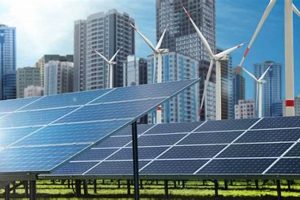
Sustainable energy sources encompass a variety of power generation methods that replenish naturally over a relatively short period. Examples include solar, wind, hydro, geothermal, and biomass energy. These sources offer alternatives to finite fossil fuels.
The increasing global demand for power, coupled with growing environmental concerns regarding greenhouse gas emissions and climate change, has elevated the importance of these energy forms. Historically, reliance on fossil fuels dominated energy production. However, the detrimental environmental impact of these traditional sources has spurred a shift toward cleaner, sustainable options. The development and implementation of such technologies are critical for a sustainable future.
This exploration delves further into specific types of sustainable energy sources, examining their respective advantages, challenges, and potential contributions to a global transition towards cleaner power generation. Subsequent sections will provide detailed analyses of solar, wind, hydropower, geothermal, and biomass energy.
Tips for Promoting Sustainable Energy Adoption
Wider adoption of sustainable power sources is crucial for environmental protection and energy security. These tips offer practical guidance for supporting this transition.
Tip 1: Advocate for Supportive Policies: Engage with local and national governments to promote policies that incentivize the development and implementation of sustainable energy technologies, such as tax credits, feed-in tariffs, and renewable portfolio standards.
Tip 2: Invest in Clean Energy Infrastructure: Support projects that expand the infrastructure needed for sustainable energy generation and distribution, including transmission lines, smart grids, and energy storage solutions.
Tip 3: Promote Energy Efficiency: Encourage practices and technologies that reduce overall energy consumption, maximizing the impact of sustainable energy sources. This includes building retrofits, efficient appliances, and smart home technologies.
Tip 4: Educate and Raise Awareness: Disseminate information about the benefits of sustainable energy through public awareness campaigns, educational programs, and community outreach initiatives.
Tip 5: Support Research and Development: Encourage continued innovation in sustainable energy technologies through funding research and development efforts focused on improving efficiency, reducing costs, and exploring new sources.
Tip 6: Embrace Sustainable Practices: Adopt sustainable energy practices in daily life by choosing green energy providers, installing solar panels on homes or businesses, and reducing personal energy consumption.
Tip 7: Foster International Collaboration: Support international cooperation on sustainable energy development and deployment, sharing best practices and technologies to accelerate global progress.
Through collective action and informed decision-making, substantial progress can be made towards a cleaner, more sustainable energy future. These tips offer pathways for individuals, communities, and governments to contribute to this vital transition.
The concluding section offers a perspective on the future of sustainable energy and its potential to reshape the global energy landscape.
1. Sustainable Power

Sustainable power represents a crucial concept within the broader context of alternative energy sources. It signifies power generation methods that meet present energy demands without compromising the ability of future generations to meet their own needs. This inherent focus on long-term viability distinguishes sustainable power from simply renewable energy. While all sustainable power sources are inherently renewable, not all renewable sources are necessarily sustainable. For instance, large-scale hydroelectric dams, while utilizing a renewable resource (water), can have significant negative environmental and social impacts, potentially jeopardizing long-term sustainability. Therefore, true sustainability considers the holistic impact of energy production, encompassing environmental, social, and economic factors.
The practical significance of understanding this distinction lies in informed decision-making regarding energy investments and policy development. Prioritizing truly sustainable power sources requires careful evaluation of their lifecycle impacts, from resource extraction and manufacturing to operation and decommissioning. For example, solar photovoltaic systems, while generally considered sustainable, require careful consideration of material sourcing and end-of-life panel recycling to minimize environmental impact. Similarly, wind energy projects must be sited responsibly to mitigate potential impacts on wildlife and ecosystems. By focusing on the comprehensive sustainability of energy sources, societies can ensure a responsible and equitable transition towards a cleaner energy future.
Ultimately, sustainable power represents a critical pathway towards long-term energy security and environmental stewardship. Embracing this concept requires moving beyond simply replacing fossil fuels with renewable alternatives and towards a more nuanced approach that prioritizes the holistic sustainability of energy systems. This shift demands careful consideration of environmental impacts, social equity, and economic viability to ensure a truly sustainable energy future for all.
2. Green Energy
“Green energy” often serves as a synonym for sustainable energy sources, emphasizing their environmental benefits. While the terms are frequently used interchangeably, “green energy” specifically highlights the reduced environmental impact compared to traditional fossil fuels. This focus on ecological advantages provides a framework for understanding its various facets.
- Reduced Greenhouse Gas Emissions
A primary benefit of green energy lies in its significantly lower greenhouse gas emissions. Sources like solar and wind power produce minimal emissions during operation, unlike fossil fuels that release substantial amounts of carbon dioxide, a major contributor to climate change. This reduction in emissions is crucial for mitigating the effects of global warming and promoting a healthier environment.
- Improved Air Quality
Green energy technologies also contribute to improved air quality. Burning fossil fuels releases pollutants such as sulfur dioxide and nitrogen oxides, which contribute to respiratory problems and other health issues. Transitioning to green energy sources reduces these harmful air pollutants, leading to cleaner, healthier air in communities.
- Resource Conservation
Green energy sources often utilize resources that are naturally replenished, such as sunlight, wind, and water. This contrasts with fossil fuels, which are finite resources extracted from the Earth. Utilizing renewable resources conserves these finite resources for future generations and reduces the environmental impact associated with extraction processes.
- Sustainable Development
Green energy plays a crucial role in sustainable development by providing a clean and reliable power source that minimizes environmental harm. This aligns with the principles of sustainability, which seek to balance economic development with environmental protection and social equity. Green energy empowers communities and nations to pursue sustainable growth pathways without compromising the health of the planet.
These facets of green energy collectively contribute to its significance within the broader context of sustainable energy sources. By reducing reliance on environmentally damaging fossil fuels, green energy offers a pathway toward a cleaner, healthier, and more sustainable future. The continued development and adoption of these technologies are essential for mitigating climate change, improving public health, and ensuring a sustainable energy future for generations to come. Furthermore, exploring specific green energy technologies, such as geothermal and biomass, provides a deeper understanding of their unique contributions and potential within the sustainable energy landscape.
3. Clean Energy
Clean energy represents a critical component within the broader spectrum of sustainable power sources. The term emphasizes the minimal environmental impact associated with these energy forms, distinguishing them from traditional fossil fuels and highlighting their role in mitigating pollution and climate change. Exploring the multifaceted nature of clean energy provides crucial insights into its significance in the global transition towards a more sustainable energy future.
- Reduced Air and Water Pollution
Clean energy technologies significantly reduce air and water pollution compared to conventional energy sources. Fossil fuel combustion releases harmful pollutants into the atmosphere, contributing to respiratory illnesses and other health problems. Clean energy sources, such as wind and solar, produce minimal air pollution during operation. Similarly, they minimize water contamination associated with fossil fuel extraction and processing, safeguarding water resources and aquatic ecosystems.
- Mitigating Climate Change
Clean energy plays a vital role in mitigating climate change by reducing greenhouse gas emissions. Unlike fossil fuels, which release significant amounts of carbon dioxide and other greenhouse gases, clean energy sources like solar and wind power produce minimal emissions during operation. This reduction in emissions is crucial for curbing global warming and its associated environmental consequences.
- Enhancing Energy Security
Clean energy enhances energy security by diversifying energy sources and reducing reliance on imported fossil fuels. By developing and utilizing domestic clean energy resources, nations can reduce their dependence on volatile global energy markets and enhance their energy independence. This diversification strengthens energy security and reduces vulnerability to geopolitical instability.
- Promoting Sustainable Development
Clean energy promotes sustainable development by providing a clean and reliable power source that supports economic growth while minimizing environmental harm. This alignment with sustainability principles enables communities and nations to pursue economic development pathways without compromising the health of the planet. Clean energy fosters a more sustainable and resilient future for generations to come.
These facets of clean energy collectively underscore its importance within the broader context of sustainable power. By minimizing environmental harm, mitigating climate change, and enhancing energy security, clean energy provides a pathway toward a more sustainable and resilient future. The continued development and adoption of these technologies are essential for achieving global climate goals, protecting public health, and ensuring a sustainable energy future for all. This understanding of clean energy reinforces the broader pursuit of alternative, sustainable power sources and their critical role in shaping a more sustainable world.
4. Alternative Energy

Alternative energy signifies a departure from traditional fossil fuels, encompassing a range of non-conventional energy sources. Its connection to other terms for renewable energy stems from the shared objective of reducing reliance on finite, polluting resources. While the terms are often used interchangeably, a crucial distinction exists: all renewable energy sources are inherently alternative, but not all alternative energy sources are renewable. Nuclear power, for example, offers an alternative to fossil fuels, but relies on finite uranium resources and generates radioactive waste, thus not qualifying as renewable. This distinction highlights the importance of carefully considering the long-term sustainability of alternative energy options. For instance, geothermal energy, derived from the Earth’s internal heat, offers a sustainable alternative to fossil fuels, while biofuels, derived from biomass, can be sustainable depending on their production methods.
The increasing global demand for energy, coupled with growing environmental concerns, underscores the practical significance of understanding this relationship. Transitioning towards a sustainable energy future requires a nuanced approach, focusing not solely on replacing fossil fuels with any alternative, but specifically with sustainable alternatives. Examples include harnessing solar energy through photovoltaic panels, utilizing wind power through turbines, and generating hydropower through dams. The effectiveness of these alternatives depends on geographical factors, technological advancements, and policy support. For example, regions with abundant sunlight are ideal for solar power generation, while those with consistent wind patterns are suited for wind farms. Furthermore, government incentives and regulations play a crucial role in promoting the adoption of alternative energy technologies.
In conclusion, alternative energy represents a crucial step towards a more sustainable energy landscape. However, realizing this vision necessitates discerning between truly renewable alternatives and those that merely offer a different, not necessarily sustainable, path. Focusing on renewable alternatives, such as solar, wind, and geothermal, offers the most promising route towards a cleaner, more secure, and sustainable energy future. Addressing challenges related to intermittency, storage, and infrastructure development remains crucial for maximizing the potential of these resources and achieving a complete transition away from fossil fuel dependence.
5. Replenishable Energy
“Replenishable energy” stands as a core concept within the broader discourse on sustainable power sources. It emphasizes the defining characteristic of these resources: their ability to naturally regenerate within a human timescale, contrasting sharply with finite fossil fuels. Understanding the facets of replenishable energy provides crucial insight into its significance in the global transition towards a more sustainable energy landscape.
- Natural Regeneration
The inherent ability of replenishable energy sources to regenerate naturally forms the foundation of their sustainability. Solar energy, derived from sunlight, replenishes continuously. Wind energy, generated by air currents, similarly regenerates without human intervention. This natural replenishment cycle ensures a continuous supply of energy, contrasting with the finite nature of fossil fuels.
- Resource Diversity
Replenishable energy encompasses a diverse range of resources, each with unique characteristics and potential. Hydropower harnesses the energy of flowing water, while geothermal energy taps into the Earth’s internal heat. Biomass energy utilizes organic matter, and ocean energy exploits the power of tides and waves. This diversity offers flexibility in adapting energy solutions to specific geographical and environmental contexts.
- Environmental Benefits
Replenishable energy sources offer significant environmental advantages over traditional fossil fuels. Their utilization results in minimal greenhouse gas emissions, mitigating climate change and reducing air pollution. Furthermore, they minimize the environmental degradation associated with fossil fuel extraction and transportation, preserving ecosystems and safeguarding natural resources.
- Energy Security and Independence
Developing and utilizing replenishable energy resources enhances energy security and reduces reliance on imported fossil fuels. Nations can achieve greater energy independence by diversifying their energy portfolios with domestic renewable sources, mitigating vulnerability to geopolitical instability and fluctuating global energy markets.
These interconnected facets of replenishable energy underscore its critical role in achieving a sustainable energy future. By transitioning from finite, polluting fossil fuels to continuously regenerating resources, societies can mitigate climate change, protect the environment, and enhance energy security. The continued development and deployment of replenishable energy technologies represent essential steps towards a more sustainable and resilient world.
Frequently Asked Questions about Sustainable Energy Sources
This section addresses common inquiries regarding sustainable power generation, offering concise and informative responses.
Question 1: What distinguishes sustainable energy sources from traditional fossil fuels?
Sustainable energy sources replenish naturally over relatively short periods, unlike finite fossil fuels. This continuous regeneration minimizes environmental impact and ensures long-term availability.
Question 2: How do sustainable energy sources mitigate climate change?
Sustainable energy technologies generate power with significantly lower greenhouse gas emissions compared to fossil fuels, mitigating the primary driver of climate change.
Question 3: What are the primary economic benefits of transitioning to sustainable energy?
Transitioning to sustainable energy stimulates job growth in the renewable energy sector, reduces reliance on volatile fossil fuel markets, and fosters long-term energy price stability.
Question 4: Do sustainable energy sources pose any environmental challenges?
While generally environmentally beneficial, some sustainable energy technologies require careful planning and implementation to minimize potential impacts on ecosystems, land use, and water resources.
Question 5: How reliable are sustainable energy sources, considering the intermittency of resources like solar and wind?
Advancements in energy storage technologies, grid management systems, and diversification of renewable sources address the intermittency challenge, enhancing the reliability of sustainable power generation.
Question 6: What role does government policy play in promoting the adoption of sustainable energy?
Supportive government policies, such as tax incentives, renewable portfolio standards, and investment in research and development, are crucial for accelerating the widespread adoption of sustainable energy technologies.
Addressing these common questions provides a clearer understanding of sustainable energy’s role in shaping a more sustainable future. The transition to sustainable energy requires informed decision-making based on accurate information and awareness of both the benefits and challenges.
The following section delves further into the specific types of sustainable energy sources and their unique contributions to the global energy transition.
Conclusion
Exploration of terminology surrounding sustainable power sourcesincluding sustainable power, green energy, clean energy, alternative energy, and replenishable energyreveals nuances crucial for informed discourse. Each term highlights distinct facets: continuous regeneration, environmental benefits, departure from fossil fuels, and minimized pollution. Understanding these facets clarifies the interconnectedness of these concepts and their collective significance in the global pursuit of energy sustainability. The examination of specific examples like solar, wind, hydro, geothermal, and biomass power further reinforces the diversity and potential within the sustainable energy landscape.
The transition toward sustainable energy systems represents not merely a technological shift, but a fundamental societal transformation. Continued investment in research, development, and deployment of these technologies, coupled with supportive policies and informed public discourse, remains crucial for achieving a truly sustainable energy future. The imperative to mitigate climate change, enhance energy security, and protect the environment underscores the urgency and importance of this ongoing transition. Ultimately, the widespread adoption of sustainable energy sources holds the key to a more resilient, equitable, and environmentally sound future for generations to come.