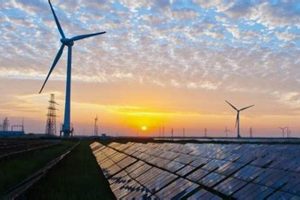
The comparative analysis of renewable energy development and deployment between the United States and China represents a critical area of study within the broader context of global energy transition. This comparison encompasses various facets, including technological innovation, investment strategies, installed capacity, and policy frameworks. For instance, one might compare the growth of solar photovoltaic capacity in both nations or analyze the differing approaches to incentivizing wind energy development.
Understanding the respective strengths and weaknesses of each nation’s approach to renewable energy is crucial for fostering international collaboration, driving technological advancements, and accelerating the shift towards sustainable energy systems. Historical context plays a vital role in this comparison, illuminating the distinct trajectories of energy policy and industrial development in both countries. This comparative assessment holds significant implications for global climate change mitigation efforts and the future of energy security.
This exploration delves into the key areas of divergence and convergence in the renewable energy sectors of these two global powers, examining their respective challenges and opportunities, and ultimately, their contributions to the global pursuit of sustainable energy solutions. Topics to be covered include installed capacity across various renewable energy technologies, government policies and incentives, private sector investment, and the role of research and development.
Tips for Understanding Comparative Renewable Energy Development
Analyzing the differing approaches of major players in the renewable energy sector, such as the United States and China, requires a nuanced understanding of various factors. The following tips offer guidance for a more comprehensive assessment.
Tip 1: Consider Policy Frameworks: Examine the specific policies and regulations implemented by each nation to incentivize renewable energy development. These may include tax credits, subsidies, renewable portfolio standards, and carbon pricing mechanisms.
Tip 2: Analyze Investment Trends: Track public and private sector investments in renewable energy technologies. This includes funding for research and development, manufacturing, and project deployment.
Tip 3: Evaluate Technological Innovation: Assess the focus on technological advancements within each nation’s renewable energy sector. This encompasses both fundamental research and the commercialization of new technologies.
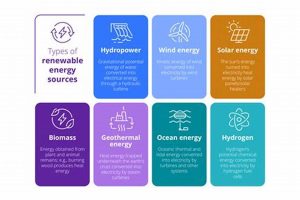
Tip 4: Compare Installed Capacity: Analyze the installed capacity of different renewable energy sources, such as solar, wind, hydro, and geothermal, in each country. This helps gauge the scale and maturity of their respective renewable energy sectors.
Tip 5: Account for Geographic and Resource Factors: Recognize the influence of geographical factors, such as solar irradiance, wind resources, and hydropower potential, on the development of specific renewable energy technologies in each location.
Tip 6: Examine Grid Integration Strategies: Investigate how each nation addresses the challenges of integrating intermittent renewable energy sources into existing electricity grids. This includes exploring energy storage solutions and grid modernization efforts.
Tip 7: Assess International Collaboration: Consider the extent of international collaboration and knowledge sharing between countries in the realm of renewable energy development. This can involve joint research projects, technology transfer, and policy coordination.
By considering these factors, a more comprehensive understanding of the relative strengths, weaknesses, and overall trajectories of national renewable energy sectors can be achieved. This analysis provides valuable insights for policymakers, investors, and researchers alike.
This comparative lens provides a crucial foundation for informed decision-making and the development of effective strategies for accelerating the global transition to sustainable energy systems.
1. Installed Capacity

Installed capacity serves as a critical metric in evaluating the renewable energy landscape, providing a snapshot of the cumulative deployment of renewable energy technologies. In the context of comparing China and the US, examining installed capacity across various renewable energy sources reveals key insights into each nation’s progress, strengths, and areas for future development. This comparative analysis helps understand the scale of renewable energy integration and its contribution to overall energy production in both countries.
- Wind Power Capacity
Both nations have witnessed significant growth in wind power capacity. China holds the largest installed wind capacity globally, driven by extensive onshore wind farm development. The US also demonstrates substantial wind power capacity, with a growing focus on offshore wind projects to tap into vast coastal wind resources. This difference in onshore versus offshore emphasis reflects distinct geographical advantages and policy priorities.
- Solar Photovoltaic (PV) Capacity
China also leads in installed solar PV capacity, reflecting aggressive policy support and large-scale manufacturing capabilities. The US solar market has experienced rapid growth, driven by declining costs and increasing public awareness. Examining the distribution of utility-scale versus distributed solar installations within each country provides further insight into their respective development strategies.
- Hydropower Capacity
China possesses significant hydropower capacity due to its abundant river systems, leveraging this resource for large-scale electricity generation. While the US also utilizes hydropower, its growth potential is limited compared to China due to geographical constraints and environmental considerations related to dam construction and river ecosystem impacts.
- Other Renewable Sources
Beyond wind, solar, and hydro, comparing the installed capacity of other renewable energy sources, such as geothermal, biomass, and tidal energy, offers a more comprehensive view of each nation’s renewable energy portfolio. Analyzing these less dominant yet potentially significant sources can reveal specific areas of focus and technological specialization.
Analyzing installed capacity across these various renewable energy technologies provides a crucial lens for understanding the overall progress and strategic priorities of China and the US in their respective energy transitions. Comparing their respective trajectories reveals valuable insights into the global race towards decarbonizing energy systems and the diverse pathways being pursued.
2. Technological Innovation

Technological innovation plays a crucial role in the comparative analysis of renewable energy development between China and the United States. Each nation’s approach to research, development, and deployment of new technologies significantly influences its competitive position within the global renewable energy landscape. The interplay between technological advancements and market dynamics shapes the trajectory of renewable energy adoption and the overall effectiveness of each nation’s efforts to transition towards sustainable energy systems. For example, advancements in battery storage technology, driven by research in both countries, directly impact the feasibility and cost-effectiveness of integrating intermittent renewable sources like solar and wind power into national grids.
China’s focus on scaling up manufacturing and achieving cost reductions through economies of scale has resulted in its dominance in the production of certain renewable energy technologies, such as solar panels. The US, on the other hand, often prioritizes cutting-edge research and development, leading to breakthroughs in areas like advanced materials for solar cells and next-generation wind turbine designs. The development and deployment of smart grid technologies, crucial for managing the increasing complexity of integrating renewable energy sources, represent another key area of technological competition. Government policies and incentives play a critical role in shaping these innovation pathways, influencing the allocation of resources and the pace of technological advancement in each country. The competition between Chinese and American companies in developing and deploying more efficient and cost-effective solar panel technologies exemplifies the practical significance of this technological rivalry.
Understanding the distinct approaches to technological innovation in the renewable energy sectors of China and the US provides valuable insights into the global dynamics of this rapidly evolving industry. Analyzing the strengths and weaknesses of each nation’s innovation ecosystem, including research institutions, private sector investments, and government support, helps assess their respective contributions to global progress in renewable energy. Addressing challenges related to intellectual property protection and fostering international collaboration are essential for maximizing the benefits of technological innovation and accelerating the global transition to a sustainable energy future. The comparative analysis of technological innovation offers a crucial lens for understanding the long-term trajectory of renewable energy development and its potential to address global climate change challenges.
3. Investment Strategies

Investment strategies constitute a critical differentiator in the comparative analysis of renewable energy development between China and the United States. The scale, direction, and effectiveness of investments shape the trajectory of technological innovation, market growth, and overall impact on each nation’s energy transition. China’s state-directed approach, characterized by large-scale investments in manufacturing capacity and infrastructure development, contrasts sharply with the more market-driven approach prevalent in the US, where private sector investment plays a more prominent role. For instance, China’s substantial investments in domestic solar panel manufacturing have enabled it to achieve significant cost reductions and capture a dominant share of the global market. Conversely, the US has seen significant growth in venture capital funding for emerging renewable energy technologies, fostering innovation in areas such as energy storage and smart grid solutions. The effectiveness of these contrasting investment strategies can be assessed by analyzing metrics such as cost reductions, technology deployment rates, and job creation within the renewable energy sector. Furthermore, considering the role of government policies, incentives, and regulatory frameworks in shaping investment decisions provides a more nuanced understanding of the complex interplay between public and private sector actions. The impact of varying investment strategies on the development and deployment of offshore wind technology exemplifies the practical significance of this comparative analysis.
Examining the allocation of investments across different renewable energy technologies reveals further insights into each nation’s strategic priorities. China’s focus on large-scale hydropower projects and its recent emphasis on expanding its offshore wind capacity reflect its specific energy needs and resource endowments. In contrast, the US investment landscape exhibits a greater diversity across various renewable energy technologies, including solar, wind, geothermal, and biomass. Analyzing the risk profiles and return expectations associated with different investment strategies provides a more nuanced understanding of the motivations and decision-making processes driving investment flows in both countries. Considering the long-term implications of these investment choices, such as the development of domestic supply chains, job creation, and technological leadership, offers a crucial perspective on the broader economic and geopolitical implications of the renewable energy transition. For example, comparing the job growth in the solar panel manufacturing sector in China with the growth of jobs in the solar installation and maintenance sector in the US illustrates the different economic impacts of their respective investment strategies.
Understanding the diverse investment strategies employed by China and the US is crucial for assessing the global trajectory of renewable energy development. This analysis helps identify best practices, inform policy decisions, and foster international collaboration to accelerate the transition towards sustainable energy systems. Addressing challenges such as access to financing, regulatory uncertainties, and geopolitical risks are essential for creating a stable and conducive investment environment. The comparative analysis of investment strategies offers a critical lens for understanding the dynamics of the global renewable energy market and its potential to drive economic growth and address climate change challenges. The contrasting approaches to financing and incentivizing renewable energy projects highlight the importance of considering policy and regulatory frameworks alongside investment decisions.
4. Policy Frameworks

Policy frameworks play a pivotal role in shaping the trajectory of renewable energy development and deployment, serving as a key differentiator in the comparative analysis of China and the United States. These frameworks, encompassing a range of regulatory instruments, incentives, and targets, influence investment decisions, technological innovation, and market growth within the renewable energy sector. The contrasting approaches to policy implementation in China and the US reflect differing political systems, economic priorities, and resource endowments. For example, China’s centralized, top-down approach, characterized by ambitious national targets and direct government support for specific technologies, contrasts with the more decentralized and market-oriented approach prevalent in the US, where a mix of federal and state-level policies influence renewable energy development. Analyzing the effectiveness of these distinct policy frameworks requires examining their impact on key metrics such as installed capacity, cost reductions, and greenhouse gas emissions. China’s feed-in tariffs and renewable portfolio standards have demonstrably accelerated the deployment of renewable energy technologies, while the US system of tax credits and state-level renewable energy mandates has also driven significant growth, albeit with greater regional variation. The Production Tax Credit and Investment Tax Credit in the US, compared to China’s feed-in tariffs, exemplify the contrasting policy mechanisms used to incentivize renewable energy development.
Furthermore, the stability and predictability of policy frameworks are crucial factors influencing long-term investments in renewable energy. Frequent policy changes or uncertainties can create investment risks and hinder the sustained growth of the sector. China’s long-term planning and consistent policy support have contributed to its rapid growth in renewable energy capacity, while policy fluctuations in the US, such as the intermittent extension of tax credits, can create challenges for investors and developers. The evolution of renewable energy policies in both countries, reflecting changing political priorities and technological advancements, provides valuable insights into the dynamic interplay between policy frameworks and market forces. Examining the role of policy in driving innovation, addressing grid integration challenges, and promoting international collaboration provides a more comprehensive understanding of the complex landscape of renewable energy development. For instance, comparing how each nation addresses the challenges of integrating intermittent renewable sources into their respective electricity grids reveals significant differences in policy approaches to grid modernization and energy storage.
The comparative analysis of policy frameworks offers a critical lens for understanding the divergent paths taken by China and the US in their respective renewable energy transitions. This analysis provides valuable lessons for policymakers worldwide, highlighting the importance of policy design, implementation, and long-term vision in driving the global shift towards sustainable energy systems. Addressing challenges related to policy consistency, international cooperation, and equitable access to renewable energy technologies are essential for achieving a global energy transition that benefits all nations. Understanding the impact of policy frameworks on the competitiveness of different renewable energy technologies and the development of domestic supply chains is crucial for shaping effective and sustainable energy policies.
5. Manufacturing Prowess

Manufacturing prowess plays a crucial role in the comparative analysis of renewable energy development between China and the United States. Each nation’s capacity to efficiently and cost-effectively produce renewable energy technologies significantly influences its domestic deployment rates, export capabilities, and overall competitiveness within the global market. China’s dominance in the manufacturing of solar photovoltaic (PV) panels, wind turbine components, and battery storage systems stems from a combination of factors, including economies of scale, government support, and access to key raw materials. This manufacturing dominance has enabled China to become a global leader in renewable energy deployment and a major exporter of these technologies. The US, while possessing significant innovative capacity in renewable energy technologies, faces challenges in competing with China’s manufacturing scale and cost advantages. This disparity has implications for domestic job creation, trade balances, and the overall pace of renewable energy adoption in the US. For instance, the rapid decline in the cost of solar PV panels globally is largely attributed to China’s large-scale manufacturing capacity and its ability to drive down production costs. This cost reduction has benefited consumers worldwide but has also raised concerns about potential overreliance on a single country for critical renewable energy technologies.
The contrasting manufacturing landscapes in China and the US raise important questions about the strategic implications of this disparity. The US has increasingly focused on reshoring or nearshoring manufacturing of critical renewable energy technologies to bolster domestic supply chains, enhance energy security, and create jobs. Government policies, such as tax incentives and trade regulations, play a crucial role in shaping these manufacturing landscapes and influencing the competitiveness of each nation’s renewable energy industry. Furthermore, access to critical raw materials, such as rare earth minerals essential for certain renewable energy technologies, adds another layer of complexity to this comparative analysis. China’s control over a significant portion of global rare earth mineral processing capacity gives it a strategic advantage in the manufacturing of certain renewable energy components. The development of circular economy principles, emphasizing recycling and reuse of materials, represents a potential pathway to reduce reliance on specific raw materials and enhance the sustainability of renewable energy manufacturing processes. For example, initiatives focused on recycling solar panels and wind turbine blades are gaining traction in both countries, aiming to minimize waste and recover valuable materials.
The comparative analysis of manufacturing prowess in the renewable energy sector offers critical insights into the global dynamics of this rapidly evolving industry. Understanding the strengths and weaknesses of each nation’s manufacturing ecosystem, including supply chains, workforce development, and government policies, is crucial for informing strategic decisions related to investment, trade, and technological innovation. Addressing challenges related to environmental sustainability, labor practices, and intellectual property protection are essential for fostering a responsible and resilient global renewable energy manufacturing landscape. The interplay between manufacturing prowess and technological innovation will continue to shape the global competition in renewable energy and determine the pace of the global transition towards sustainable energy systems. Developing robust and diversified supply chains, promoting sustainable manufacturing practices, and fostering international collaboration are key to ensuring a secure and equitable global renewable energy future.
6. Resource Endowments

Resource endowments play a significant role in shaping the renewable energy landscapes of China and the United States, influencing the types of renewable energy technologies each nation can effectively deploy and the overall potential for renewable energy development. Geographical factors, such as solar irradiance, wind resources, and hydropower potential, dictate the feasibility and economic viability of specific renewable energy projects. China’s vast landmass and diverse topography provide it with abundant resources suitable for various renewable energy technologies. The Gobi Desert, for instance, offers significant potential for solar energy development, while coastal regions and mountainous areas possess ample wind resources. Similarly, the Himalayas and other major river systems provide substantial hydropower potential. The US also possesses diverse resource endowments, albeit with different geographical distributions. The southwestern states, such as California and Arizona, receive high levels of solar irradiance, making them ideal locations for solar energy projects. The Great Plains region, known for its strong and consistent winds, presents significant opportunities for wind energy development. Understanding these geographical variations in resource availability is crucial for assessing the comparative advantages and limitations of each nation in developing specific renewable energy technologies. The availability of lithium reserves, essential for battery storage technologies, represents another key resource endowment influencing the development of renewable energy systems in both countries.
The uneven distribution of resource endowments necessitates strategic planning and investment decisions to maximize the potential of renewable energy. Transmission infrastructure development plays a critical role in connecting resource-rich areas with population centers and enabling efficient electricity distribution. For example, China has invested heavily in expanding its transmission grid to connect remote wind and solar farms with urban areas. Similarly, the US faces challenges in upgrading its aging grid infrastructure to accommodate the increasing influx of renewable energy from geographically dispersed sources. Policy frameworks and regulatory incentives can further influence the development of renewable energy projects based on resource availability. For example, government subsidies and tax credits can incentivize the development of renewable energy projects in areas with abundant resources, accelerating the deployment of specific technologies. Considering the environmental impacts of resource extraction and project development is also essential. For instance, large-scale hydropower projects can have significant impacts on river ecosystems and surrounding communities, requiring careful environmental assessment and mitigation strategies. The development of offshore wind farms, while offering significant potential for harnessing wind energy, can also pose challenges to marine ecosystems and coastal communities, requiring careful consideration of environmental impacts.
In summary, resource endowments serve as a fundamental determinant of renewable energy potential and shape the strategic choices made by nations in their pursuit of sustainable energy systems. Understanding the geographical distribution of resources, the associated environmental considerations, and the role of policy and infrastructure development is crucial for effectively harnessing the potential of renewable energy and achieving a global transition to a clean energy future. The comparative analysis of resource endowments between China and the US offers valuable insights into the diverse pathways towards renewable energy development and highlights the importance of tailoring strategies to specific geographical and environmental contexts. Addressing challenges related to resource access, environmental sustainability, and equitable distribution of benefits are crucial for ensuring a just and sustainable energy transition.
7. Grid Integration
Grid integration represents a critical challenge and a key differentiator in the comparative analysis of renewable energy development between China and the United States. The ability to seamlessly and efficiently integrate intermittent renewable energy sources, such as solar and wind power, into existing electricity grids is essential for maximizing their contribution to national energy supplies and achieving a stable and reliable energy transition. The scale and complexity of grid integration challenges vary significantly between the two countries, reflecting differences in grid infrastructure, resource endowments, and policy frameworks. Examining the respective approaches to grid modernization, energy storage solutions, and grid management strategies provides valuable insights into the overall effectiveness of each nation’s renewable energy integration efforts.
- Grid Modernization
Modernizing existing grid infrastructure is essential for accommodating the increasing influx of renewable energy. This includes investments in advanced grid technologies, such as smart grids, advanced metering infrastructure, and high-voltage transmission lines. China has made significant strides in grid modernization, driven by its centralized planning and large-scale investments in infrastructure development. The US, with its more decentralized and fragmented grid system, faces greater challenges in coordinating grid modernization efforts across multiple jurisdictions and stakeholders. The development of interregional transmission lines to connect renewable energy resources with demand centers represents a key area of focus in both countries. For example, China’s Ultra High Voltage (UHV) transmission lines facilitate the transport of electricity from remote wind and solar farms to densely populated coastal regions.
- Energy Storage Solutions
Energy storage technologies play a crucial role in mitigating the intermittency of renewable energy sources and ensuring grid stability. Pumped hydro storage, battery storage, and other emerging technologies, such as compressed air energy storage and thermal energy storage, offer potential solutions for storing excess renewable energy and releasing it when needed. China has invested heavily in pumped hydro storage, leveraging its abundant hydropower resources. The US has witnessed rapid growth in battery storage deployment, driven by declining costs and supportive policies. The development and deployment of cost-effective and scalable energy storage solutions are crucial for maximizing the integration of renewable energy and ensuring grid reliability. The increasing adoption of lithium-ion batteries for grid-scale energy storage in both countries reflects the growing importance of this technology.
- Grid Management Strategies
Effective grid management strategies are essential for balancing supply and demand in real-time and maintaining grid stability with increasing penetration of renewable energy. This includes demand-side management programs, which incentivize consumers to shift their energy usage to times of high renewable energy generation, and advanced forecasting tools that predict renewable energy output and optimize grid operations. The integration of distributed energy resources, such as rooftop solar panels and small-scale wind turbines, further complicates grid management and requires sophisticated control systems. China’s centralized grid management system allows for greater control over energy dispatch and integration of renewable energy. The US, with its more decentralized grid system, relies on market mechanisms and regional grid operators to coordinate renewable energy integration. Developing advanced grid management tools and coordinating efforts across different grid operators are crucial for ensuring the smooth and efficient integration of renewable energy. The use of artificial intelligence and machine learning for optimizing grid operations represents an emerging trend in both countries.
- Policy and Regulatory Frameworks
Policy and regulatory frameworks play a crucial role in shaping grid integration efforts. Renewable portfolio standards, net metering policies, and interconnection standards influence the deployment of renewable energy and its integration into the grid. China’s supportive policies and streamlined permitting processes have facilitated rapid renewable energy integration. The US, with its more complex regulatory landscape, faces challenges in harmonizing grid integration policies across different states and regions. Addressing regulatory barriers and streamlining interconnection processes are crucial for accelerating the integration of renewable energy and achieving national climate goals. For instance, the Federal Energy Regulatory Commission (FERC) in the US plays a key role in regulating interstate electricity transmission and promoting grid modernization.
In conclusion, grid integration presents a complex and multifaceted challenge that significantly influences the overall effectiveness of renewable energy development. The comparative analysis of grid integration strategies in China and the US reveals distinct approaches shaped by differing grid structures, resource endowments, and policy landscapes. Addressing grid integration challenges through investments in grid modernization, energy storage solutions, and advanced grid management strategies is crucial for unlocking the full potential of renewable energy and achieving a sustainable energy future. The contrasting approaches to grid integration in China and the US offer valuable lessons for other countries navigating the complexities of the renewable energy transition. International collaboration and knowledge sharing can further accelerate the development and deployment of effective grid integration solutions and contribute to a global clean energy future. The ongoing evolution of grid technologies and management strategies underscores the dynamic nature of this critical aspect of the renewable energy transition.
Frequently Asked Questions
This section addresses common inquiries regarding the comparative analysis of renewable energy development in China and the United States. Understanding the nuances of each nation’s approach is crucial for informed assessments of the global energy transition.
Question 1: Which nation currently leads in overall renewable energy installed capacity?
China currently possesses the largest installed capacity of renewable energy globally, exceeding the United States across several technologies, including wind and solar.
Question 2: Does leadership in installed capacity necessarily translate to greater effectiveness in renewable energy development?
Not necessarily. While installed capacity is a key metric, overall effectiveness depends on various factors, including grid integration, technological innovation, and policy frameworks. One must consider how effectively each nation utilizes its renewable energy resources.
Question 3: How do the two nations’ approaches to technological innovation differ within the renewable energy sector?
China often prioritizes scaling manufacturing and reducing costs, while the US frequently focuses on cutting-edge research and development. These differing approaches contribute to the global advancement of renewable energy technologies through distinct pathways.
Question 4: What are the primary policy differences influencing renewable energy development in the two countries?
China’s approach is typically characterized by centralized planning and direct government support, whereas the US employs a more market-driven approach with a mix of federal and state-level policies. These differences significantly impact investment decisions and market dynamics.
Question 5: How do differing resource endowments influence renewable energy development in China and the US?
Each nation’s geographical characteristics and access to resources like solar irradiance, wind resources, and hydropower potential influence the types of renewable energy technologies they can most effectively deploy.
Question 6: What are the key challenges related to grid integration of renewable energy in both nations?
Both countries face challenges related to grid integration of intermittent renewable sources. These challenges necessitate investments in grid modernization, energy storage solutions, and advanced grid management strategies tailored to each nation’s unique circumstances.
Understanding these key aspects of the comparative analysis of renewable energy development between China and the US provides a more nuanced perspective on the global energy transition and its complex dynamics.
The following section will explore specific case studies and further analyze the distinct pathways taken by these two global powers in their pursuit of sustainable energy solutions.
Conclusion
The comparative analysis of renewable energy development between China and the United States reveals a complex interplay of factors shaping the global energy transition. Divergent approaches to policy frameworks, technological innovation, and investment strategies underscore the distinct pathways pursued by these two nations. While China’s focus on scale and manufacturing capacity has resulted in dominance in installed capacity for certain technologies, the US emphasis on research and development fosters innovation in emerging areas. Examining grid integration challenges, resource endowments, and manufacturing prowess provides further insight into the strengths and weaknesses of each nation’s approach. The comparative lens highlights the multifaceted nature of renewable energy development, demonstrating that leadership in one area does not necessarily translate to overall effectiveness.
The global pursuit of sustainable energy solutions requires a nuanced understanding of these diverse approaches. International collaboration, informed policy decisions, and continued technological advancements are crucial for accelerating the transition to a clean energy future. The comparative analysis of “China vs. US renewable energy” serves not as a competition, but as a valuable case study offering lessons and insights applicable to global efforts toward decarbonization and energy security. The future of renewable energy hinges on continuous innovation, strategic collaboration, and a commitment to sustainable practices across all nations.