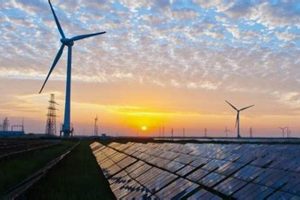
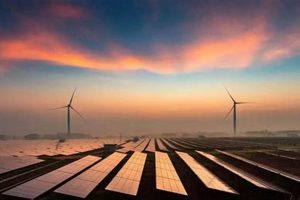
Energy capture involves converting naturally occurring energy sources into usable forms like electricity or heat. Examples include photovoltaic cells transforming sunlight into electricity, wind turbines converting wind’s kinetic energy into mechanical energy, and hydroelectric dams using water flow to generate power. Different technologies exploit various energy forms, ranging from solar radiation and wind to geothermal heat and the potential energy stored in water.
Civilization’s advancement has been intrinsically linked to developing more efficient energy capture methods. Reliable power sources are essential for economic development, powering industries, transportation, and daily life. Furthermore, transitioning towards sustainable energy capture methods is crucial for mitigating climate change and ensuring long-term resource availability. From the earliest uses of fire to the complexities of modern power grids, the quest for efficient and sustainable energy has consistently driven innovation.
This exploration will delve into the specific mechanisms behind prevalent energy capture technologies, examining their efficiencies, environmental impacts, and future prospects. Focus will be given to both established and emerging technologies, outlining the challenges and opportunities presented by each approach to securing a sustainable energy future.
Tips for Efficient Energy Utilization
Optimizing energy consumption requires a multifaceted approach encompassing individual actions, technological advancements, and policy implementations. The following recommendations offer practical guidance for maximizing energy efficiency across various sectors.
Tip 1: Optimize Building Design: Structures should be designed with energy efficiency as a primary consideration. This includes incorporating passive heating and cooling techniques, maximizing natural light utilization, and employing high-performance insulation materials. Proper building orientation and window placement can significantly reduce reliance on artificial lighting and climate control systems.
Tip 2: Embrace Renewable Energy Sources: Transitioning towards renewable energy sources like solar, wind, and geothermal offers substantial long-term benefits. Integrating these technologies into existing power grids reduces dependence on finite fossil fuels and mitigates environmental impacts.
Tip 3: Implement Smart Grid Technologies: Smart grids enhance energy distribution efficiency through real-time monitoring and adaptive control mechanisms. These systems optimize energy flow, minimize transmission losses, and facilitate better integration of renewable energy sources.
Tip 4: Promote Energy-Efficient Appliances: Utilizing appliances with high energy efficiency ratings significantly reduces overall energy consumption. Look for appliances certified by relevant energy efficiency programs and consider lifecycle costs when making purchasing decisions.
Tip 5: Encourage Sustainable Transportation: Promoting public transportation, cycling, and walking reduces reliance on individual vehicles, thereby decreasing fuel consumption and greenhouse gas emissions. Supporting the development of electric vehicle infrastructure further enhances transportation sector sustainability.
Tip 6: Invest in Energy Storage Solutions: Developing advanced energy storage technologies, such as batteries and pumped hydro, allows for better utilization of intermittent renewable energy sources like solar and wind. Storing excess energy during peak production times ensures a consistent power supply even when these sources are unavailable.
Tip 7: Foster Energy Conservation Practices: Simple behavioral changes, like reducing thermostat settings in winter and using energy-efficient lighting, contribute significantly to overall energy savings. Promoting energy-conscious practices at both individual and community levels can yield substantial cumulative benefits.
Adopting these strategies offers significant advantages, including reduced energy costs, decreased environmental impact, and enhanced energy security. These collective efforts contribute to a more sustainable and resilient energy future.
These tips provide a starting point for a broader discussion on achieving a sustainable energy future. The subsequent sections will delve into the specific technologies and policy frameworks necessary to realize this vision.
1. Source Identification

Source identification forms the crucial foundation of energy harnessing strategies. A comprehensive understanding of available energy resourcestheir nature, abundance, and accessibilityis paramount for effective exploitation. This process involves rigorous assessments of various factors, including geographical location, resource availability, technological feasibility, and environmental impact. For instance, regions with high solar irradiance are naturally suited for solar energy farms, while areas with consistent wind patterns are ideal for wind turbine installations. Geothermal energy, conversely, requires specific geological conditions. A precise understanding of these factors allows for informed decisions regarding the most appropriate technologies and infrastructure investments.
The selection of an energy source directly influences the subsequent steps in the harnessing process. Choosing a readily available and sustainable source, such as solar or wind, contributes to long-term energy security and minimizes environmental impact. In contrast, relying on finite and polluting fossil fuels poses both environmental and geopolitical challenges. Furthermore, accurate source identification enables optimized system design and efficient resource allocation. For example, understanding the flow rate and elevation drop of a river is essential for designing an effective hydroelectric dam. Similarly, assessing the geothermal gradient is critical for geothermal power plant development. These assessments dictate the scale and type of technology employed, ensuring optimal energy extraction and minimal environmental disruption.
Effective source identification is therefore not merely a preliminary step, but rather a continuous process of evaluation and optimization. Ongoing advancements in resource assessment technologies, coupled with a deeper understanding of environmental and social impacts, continue to refine the source identification process. Successfully identifying and characterizing energy sources is fundamental to developing sustainable and efficient energy strategies. This understanding allows societies to transition away from unsustainable practices and embrace cleaner, more reliable energy solutions.
2. Conversion Mechanisms

Conversion mechanisms represent the crucial link between raw energy sources and usable power. These mechanisms facilitate the transformation of naturally occurring energy forms, such as solar radiation, wind, or geothermal heat, into electricity, heat, or mechanical energy. This conversion process lies at the heart of how societies harness energy to power their activities. The efficiency and effectiveness of these mechanisms directly determine the overall viability and sustainability of different energy sources. For example, photovoltaic cells convert sunlight directly into electricity, while wind turbines transform wind’s kinetic energy into rotational energy, which subsequently drives generators to produce electricity. Geothermal power plants utilize Earth’s internal heat to generate steam, which then drives turbines for electricity generation. Each energy source requires specific conversion technologies tailored to its unique characteristics.
The development and refinement of efficient conversion mechanisms are essential for maximizing the potential of each energy source. Improvements in photovoltaic cell efficiency, for instance, directly translate into greater electricity output from solar installations. Similarly, advancements in turbine design enhance energy capture from wind and water resources. The practical significance of these improvements lies in increased energy production, reduced costs, and minimized environmental impact. Furthermore, research into novel conversion technologies, such as advanced biofuel production or wave energy converters, expands the range of exploitable energy sources, contributing to a more diversified and resilient energy landscape. Optimizing conversion efficiency not only reduces reliance on finite resources but also minimizes the environmental footprint associated with energy production.
Understanding the intricacies of various conversion mechanisms provides insights into the challenges and opportunities associated with different energy sources. Factors such as cost-effectiveness, technological maturity, and environmental impact all play a role in determining the suitability of specific conversion technologies. Continued research and development in this area are crucial for achieving a sustainable energy future. Addressing challenges such as intermittency in renewable energy sources, through advancements in energy storage solutions and grid management, further enhances the effectiveness of conversion mechanisms. Ultimately, the effectiveness of energy harnessing depends critically on the efficiency and sustainability of the employed conversion mechanisms, making them a focal point for technological innovation and policy considerations.
3. Storage Solutions

Storage solutions play a critical role in effectively harnessing energy, particularly from intermittent renewable sources like solar and wind. These solutions address the inherent variability of these sources, ensuring a continuous and reliable energy supply even when the sun isn’t shining or the wind isn’t blowing. Efficient energy storage enables greater integration of renewable energy into power grids, reducing reliance on conventional fossil fuel-based generation and contributing to a more sustainable energy landscape. The ability to store excess energy generated during periods of high production for later use during periods of low production is essential for maximizing the benefits of renewable energy sources.
- Pumped Hydroelectric Storage
Pumped hydroelectric storage is a mature technology utilizing two reservoirs at different elevations. During periods of excess energy generation, water is pumped from the lower reservoir to the upper reservoir, effectively storing the energy as gravitational potential energy. When energy demand is high, water is released from the upper reservoir, flowing through turbines to generate electricity. This technology offers large-scale energy storage capacity but requires specific geographical conditions and can have environmental impacts on surrounding ecosystems.
- Battery Storage
Battery storage technologies, including lithium-ion, flow batteries, and other emerging chemistries, offer increasing flexibility and scalability for energy storage. Batteries store energy electrochemically and can respond rapidly to changes in grid demand. They are well-suited for a variety of applications, from grid-scale energy storage to residential and commercial settings. Ongoing research and development focus on improving battery efficiency, lifespan, and cost-effectiveness.
- Thermal Energy Storage
Thermal energy storage systems store energy as heat or cold. These systems can utilize various materials, such as molten salts, water, or phase-change materials, to store thermal energy for later use in heating, cooling, or industrial processes. Thermal storage offers an effective way to capture and utilize waste heat, improving overall energy efficiency in various sectors.
- Compressed Air Energy Storage
Compressed air energy storage involves compressing air and storing it in underground caverns or other suitable containers. When energy is needed, the compressed air is released to drive turbines and generate electricity. This technology can provide large-scale energy storage, but its efficiency is influenced by geological factors and the availability of suitable storage locations.
These storage solutions represent critical components of a sustainable energy future. Their continued development and integration into power grids are essential for enabling greater reliance on renewable energy sources, improving grid stability, and reducing the environmental impact of energy generation. Effective energy storage bridges the gap between intermittent energy production and consistent energy demand, paving the way for a cleaner and more reliable energy system.
4. Distribution Infrastructure
Distribution infrastructure forms the crucial bridge between energy generation and consumption, playing a vital role in how energy is harnessed and utilized. Effective distribution networks ensure that captured energy from various sources reaches end-users reliably and efficiently. This intricate network of power lines, transformers, and substations dictates the accessibility and availability of power, impacting economic development, societal function, and environmental sustainability. Analyzing the components, functionalities, and challenges within distribution infrastructure provides critical insights into the complexities of modern energy systems.
- Transmission Lines
High-voltage transmission lines form the backbone of energy distribution, transporting electricity over long distances from power plants to substations. These lines, often operating at hundreds of kilovolts, minimize transmission losses by reducing current and maximizing voltage. Materials like aluminum and steel, chosen for their conductivity and strength, play a critical role in ensuring efficient energy transport across vast distances. Innovations in high-voltage direct current (HVDC) transmission further enhance efficiency and enable long-distance power transfer, particularly for integrating remote renewable energy sources.
- Substations
Substations serve as critical nodes within the distribution network, transforming voltage levels and routing power to specific areas. Stepping down high transmission voltages to lower distribution voltages ensures compatibility with local grids and consumer appliances. Substations also house protective equipment like circuit breakers and relays, safeguarding the grid from overloads and faults. The strategic placement and capacity of substations directly influence the reliability and resilience of the power supply.
- Distribution Networks
Distribution networks comprise the final stage of energy delivery, carrying electricity from substations to individual consumers. These networks utilize lower voltage lines, typically operating at tens of kilovolts or less, and extend throughout urban and rural areas. Smart grid technologies, incorporating sensors and automated controls, enhance distribution efficiency by optimizing power flow and responding dynamically to changing demand. These technologies also facilitate better integration of distributed generation sources like rooftop solar panels.
- Grid Management and Control
Sophisticated grid management systems are essential for maintaining the stability and reliability of energy distribution. These systems monitor grid conditions in real time, balancing supply and demand, and responding to fluctuations and disruptions. Advanced control algorithms optimize power flow, minimizing transmission losses and ensuring grid stability. Integration of renewable energy sources, with their inherent intermittency, necessitates advanced grid management strategies to maintain a balanced and reliable power supply.
The efficiency and reliability of distribution infrastructure directly impact the effectiveness of harnessed energy. Investments in grid modernization, including smart grid technologies and enhanced transmission capacity, are essential for maximizing the benefits of renewable energy integration and ensuring a sustainable energy future. Addressing challenges like grid congestion, transmission losses, and cybersecurity threats are crucial for optimizing energy delivery and supporting a robust and resilient energy system.
5. End-use optimization

End-use optimization represents the final, yet crucial, stage in the energy harnessing process. It focuses on maximizing the utility derived from generated energy by minimizing waste and improving efficiency at the point of consumption. While effective energy capture and distribution are essential, end-use optimization determines the true effectiveness of the entire energy system. It addresses the question of how to best utilize the available energy to meet societal needs while minimizing environmental impact and resource depletion. The connection between end-use optimization and energy harnessing is a direct one; improvements in end-use efficiency reduce the overall demand for generated energy, thereby decreasing the strain on generation and distribution infrastructure, and lessening the environmental footprint associated with energy production. For example, implementing energy-efficient lighting in buildings reduces electricity consumption, impacting upstream processes by requiring less energy generation and distribution.
Several strategies contribute to effective end-use optimization. Building design plays a significant role, with features like insulation and natural lighting reducing the need for heating, cooling, and artificial illumination. Similarly, energy-efficient appliances and industrial processes minimize energy consumption while achieving the same desired output. Behavioral changes, such as adjusting thermostat settings and adopting energy-saving practices, also contribute significantly. Technological advancements, such as smart home systems that optimize energy usage based on real-time needs and occupancy, further enhance end-use efficiency. The practical significance of these strategies lies in their ability to reduce energy costs for consumers, decrease reliance on finite energy resources, and mitigate environmental impacts associated with energy production and consumption. For instance, industries implementing energy-efficient processes not only reduce operational costs but also contribute to a lower carbon footprint.
End-use optimization represents a critical component of sustainable energy management. It complements efforts in energy harnessing by ensuring that the captured energy is utilized responsibly and effectively. Addressing challenges in end-use optimization, such as consumer awareness and adoption of energy-efficient technologies, is essential for realizing the full potential of sustainable energy systems. By focusing on maximizing the benefit derived from each unit of energy consumed, end-use optimization strengthens the link between energy production and societal needs, paving the way for a more sustainable and energy-secure future.
Frequently Asked Questions
This section addresses common inquiries regarding energy capture methods, aiming to provide clear and concise information.
Question 1: What are the primary methods of harnessing solar energy?
Solar energy is primarily harnessed through photovoltaic cells, which directly convert sunlight into electricity, and concentrated solar power systems, which use mirrors to focus sunlight onto a receiver, generating heat to drive turbines.
Question 2: How does wind energy generation work?
Wind turbines capture the kinetic energy of wind using aerodynamically designed blades. The rotation of these blades drives a generator, converting mechanical energy into electrical energy.
Question 3: What are the key advantages of geothermal energy?
Geothermal energy offers a consistent and reliable energy source, independent of weather conditions. It also has a relatively low environmental impact compared to fossil fuel-based generation.
Question 4: How is energy stored for later use in renewable energy systems?
Energy storage solutions, such as pumped hydroelectric storage, batteries, and thermal storage systems, allow excess energy generated from renewable sources to be stored and used when needed, addressing intermittency issues.
Question 5: What are the challenges associated with integrating renewable energy sources into existing power grids?
Integrating renewable energy sources presents challenges related to grid stability, intermittency of supply, and the need for upgraded transmission and distribution infrastructure.
Question 6: What role does energy efficiency play in overall energy management?
Energy efficiency measures reduce overall energy demand, lessening the strain on energy resources and minimizing environmental impacts. It plays a crucial role in optimizing energy use across various sectors.
Understanding the various aspects of energy capture and utilization empowers informed decision-making regarding sustainable energy solutions.
The following section will explore the future of energy harnessing, examining emerging technologies and their potential to revolutionize the energy landscape.
How Do We Harness Energy
Exploration of energy harnessing reveals a complex interplay of resource availability, conversion technologies, storage solutions, distribution infrastructure, and end-use optimization. Successful strategies necessitate careful consideration of each element, from initial source identification to final consumption patterns. Technological advancements in areas like photovoltaic cells, wind turbines, and energy storage systems continue to expand the possibilities for capturing and utilizing renewable energy sources. Furthermore, efficient grid management and a focus on end-use efficiency are crucial for maximizing the benefits of harnessed energy and minimizing environmental impact. The interconnectedness of these elements underscores the need for a holistic approach to energy management.
The ongoing quest to effectively harness energy represents a critical endeavor for ensuring a sustainable future. Transitioning towards cleaner and more reliable energy sources requires continuous innovation, strategic investment, and informed policy decisions. The future of energy hinges on the ability to efficiently capture, store, and distribute power from renewable resources, while simultaneously optimizing consumption patterns. Embracing this challenge is not merely a technological imperative but a societal responsibility, essential for mitigating climate change and securing a sustainable energy future for generations to come. The choices made today in how energy is harnessed will profoundly shape the world of tomorrow.