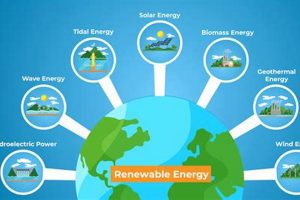
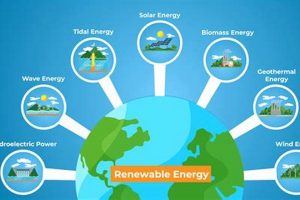
Sustainable power generation methods harness naturally replenishing resources like sunlight, wind, water, and geothermal heat. Solar panels convert sunlight directly into electricity, while wind turbines capture kinetic energy from moving air. Hydroelectric dams utilize the potential energy of water stored at height, and geothermal plants tap into the Earth’s internal heat. These diverse technologies offer alternatives to fossil fuels, reducing reliance on finite resources and mitigating environmental impact.
Clean power sources play a vital role in combating climate change by reducing greenhouse gas emissions. The shift towards these sustainable alternatives promotes energy independence and security, diversifying supply and reducing vulnerability to price fluctuations. Historically, reliance on fossil fuels has driven geopolitical tensions and economic instability. The transition to sustainable practices fosters a more resilient and environmentally conscious energy landscape, paving the way for a sustainable future.
The following sections will delve into the specific advantages and challenges associated with each form of sustainable power generation, exploring technological advancements, economic considerations, and policy implications. Further discussion will address the integration of these resources into existing grids, the potential for future innovation, and the societal benefits of widespread adoption.
Tips for Supporting Sustainable Power
Consumers and businesses can contribute to the growth of sustainable power through informed choices and proactive measures. The following tips offer practical guidance for supporting a cleaner energy future.
Tip 1: Invest in Energy-Efficient Appliances: Choosing appliances with high energy efficiency ratings significantly reduces electricity consumption, lowering both environmental impact and utility bills.
Tip 2: Explore On-Site Generation: Rooftop solar panel installations empower homeowners and businesses to generate their own clean electricity, reducing reliance on the grid.
Tip 3: Support Renewable Energy Providers: Many utility companies offer green power options. Selecting these plans directly supports the development of renewable energy infrastructure.
Tip 4: Advocate for Policy Changes: Contacting elected officials and supporting policies that promote sustainable power generation accelerates the transition to a cleaner energy landscape.
Tip 5: Reduce Overall Energy Consumption: Simple measures like turning off lights when leaving a room and unplugging unused electronics contribute to lower energy demand.
Tip 6: Educate and Engage: Sharing information about sustainable power with friends, family, and colleagues raises awareness and encourages broader adoption of sustainable practices.
Tip 7: Consider Electric Vehicles: Transitioning to electric vehicles reduces reliance on fossil fuels in the transportation sector, further promoting sustainable power utilization.
By embracing these practices, individuals and organizations can actively contribute to a more sustainable future powered by clean energy. These collective efforts will lead to reduced emissions, enhanced energy independence, and a healthier planet.
The concluding section will reiterate the importance of embracing sustainable power and offer a vision for a future where clean energy is the dominant source of power.
1. Sustainable Sources

Sustainable sources form the foundation of renewable energy and electricity generation, offering a critical alternative to finite fossil fuels. Understanding the diverse range of sustainable sources and their unique characteristics is essential for transitioning towards a cleaner and more secure energy future.
- Solar Energy
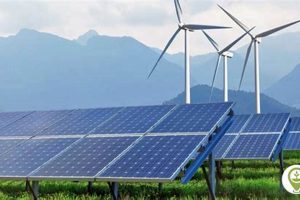
Photovoltaic cells convert sunlight directly into electricity. Large-scale solar farms and rooftop installations contribute significantly to clean energy generation. Advancements in solar technology continuously improve efficiency and reduce costs, making solar power increasingly competitive.
- Wind Energy
Wind turbines capture the kinetic energy of wind and convert it into electricity. Onshore and offshore wind farms harness this abundant resource, providing a clean and sustainable energy source. Ongoing research focuses on optimizing turbine design and placement for maximum energy capture.
- Hydropower
Hydroelectric dams utilize the potential energy of water stored at height to generate electricity. While a mature technology, hydropower faces challenges related to environmental impact and reservoir management. Sustainable hydropower development prioritizes minimizing ecological disruption.
- Geothermal Energy
Geothermal power plants harness heat from the Earth’s interior to generate electricity. This consistent energy source offers baseload power generation capabilities. Exploration and development of geothermal resources continue to expand, offering a reliable and sustainable energy option.
These diverse sustainable sources represent a crucial shift away from fossil fuel dependence, offering a pathway towards a more sustainable and resilient energy landscape. Continued innovation and strategic integration of these sources are essential for achieving a future powered by clean, renewable electricity.
2. Emission Reduction

Emission reduction is intrinsically linked to the adoption of renewable energy and electricity generation. Transitioning from fossil fuel-based power to cleaner alternatives significantly mitigates greenhouse gas emissions, a primary driver of climate change. Exploring the facets of this connection reveals the profound impact of renewable energy on environmental sustainability.
- Reduced Greenhouse Gas Emissions
Renewable energy sources produce little to no greenhouse gases during operation, unlike fossil fuel power plants. This fundamental difference significantly reduces emissions of carbon dioxide, methane, and other pollutants that contribute to global warming and air pollution. For example, replacing a coal-fired power plant with a solar farm eliminates a substantial source of carbon emissions.
- Mitigating Climate Change Impacts
By reducing greenhouse gas concentrations in the atmosphere, renewable energy helps mitigate the adverse effects of climate change. This includes reducing the frequency and intensity of extreme weather events, slowing sea-level rise, and preserving ecosystems. The widespread adoption of renewable energy is a crucial step in addressing the global climate crisis.
- Improved Air Quality
The combustion of fossil fuels releases harmful air pollutants, contributing to respiratory illnesses and other health problems. Renewable energy sources, being emission-free during operation, improve air quality and public health. This is particularly significant in urban areas where air pollution is often concentrated.
- Decarbonizing the Energy Sector
The energy sector is a major contributor to global greenhouse gas emissions. Transitioning to renewable energy sources decarbonizes this sector, paving the way for a sustainable energy future. Government policies and incentives play a crucial role in accelerating this transition and driving further emission reductions.
The shift to renewable energy and electricity generation represents a crucial strategy for achieving significant emission reductions. This transition not only mitigates the impacts of climate change but also offers numerous co-benefits, including improved air quality and enhanced energy security. Continued investment and innovation in renewable energy technologies are essential for realizing a sustainable and low-carbon future.
3. Energy Independence

Energy independence, a state of reduced reliance on external energy sources, is significantly intertwined with the adoption of renewable energy and electricity generation. Domestically sourced renewable resources, unlike finite and geographically concentrated fossil fuels, offer nations greater control over their energy supply. This reduces vulnerability to geopolitical instability, price volatility, and supply disruptions, fostering energy security and resilience. For example, a nation heavily reliant on imported oil can enhance its energy independence by developing its wind and solar resources, reducing reliance on volatile global oil markets.
The distributed nature of many renewable energy technologies, such as rooftop solar and small-scale wind turbines, further enhances energy independence by diversifying energy sources and reducing reliance on centralized power generation. This decentralized model empowers individuals and communities to generate their own electricity, enhancing resilience to grid outages and disruptions. Moreover, investments in renewable energy infrastructure stimulate local economies, creating jobs and fostering technological innovation within the domestic energy sector. This strengthens national energy security while contributing to economic growth and sustainability.
Transitioning to renewable energy sources is a crucial step towards achieving greater energy independence. This shift requires strategic planning, policy support, and continued technological advancements. Overcoming challenges associated with intermittency, grid integration, and initial investment costs are essential for maximizing the potential of renewable energy to enhance energy security and resilience. The pursuit of energy independence through renewable resources not only strengthens national security but also contributes to a more sustainable and environmentally responsible energy future.
4. Economic Growth
Economic growth and the expansion of renewable energy and electricity generation are increasingly intertwined. The transition to sustainable energy sources stimulates economic activity through job creation, infrastructure development, and technological innovation. The renewable energy sector requires a skilled workforce for manufacturing, installation, maintenance, and research, generating employment opportunities across the supply chain. For instance, the growth of the solar industry has led to a significant increase in jobs related to panel manufacturing, installation, and maintenance. Similarly, the wind energy sector requires technicians, engineers, and construction workers, stimulating local economies where wind farms are located. Investment in renewable energy infrastructure, such as wind farms, solar parks, and hydroelectric dams, injects capital into local economies and creates construction jobs. Furthermore, the development and deployment of new renewable energy technologies drive innovation and create opportunities for businesses in related fields, such as energy storage, smart grids, and electric vehicle manufacturing. The global transition to renewable energy represents a significant economic opportunity, fostering growth and creating a more sustainable future.
Beyond direct job creation, renewable energy development can revitalize communities and regions. For example, rural areas with abundant wind or solar resources can attract investment and create new economic opportunities, reversing population decline and fostering economic diversification. Furthermore, the reduced reliance on imported fossil fuels associated with renewable energy adoption can improve national trade balances and strengthen energy security. This economic stability can free up resources for other productive investments, further contributing to economic growth. The shift to renewable energy also has the potential to reduce healthcare costs associated with air pollution from fossil fuel combustion. These savings can be redirected towards other areas of the economy, further enhancing economic growth and well-being. Real-world examples, such as the growth of the renewable energy sector in countries like Denmark and Germany, demonstrate the positive correlation between renewable energy adoption and economic growth.
The connection between economic growth and renewable energy represents a significant shift from traditional economic models based on fossil fuels. While challenges remain, such as the upfront costs of renewable energy infrastructure and the need for grid modernization, the long-term economic benefits of renewable energy are increasingly clear. Continued policy support, technological advancements, and public awareness are crucial for maximizing the economic potential of renewable energy and creating a sustainable and prosperous future. Understanding this connection is crucial for policymakers, businesses, and individuals seeking to contribute to a more sustainable and prosperous future. Addressing these challenges through strategic investments, policy frameworks, and international cooperation can unlock the full economic potential of renewable energy and drive sustainable development.
5. Technological Advancement

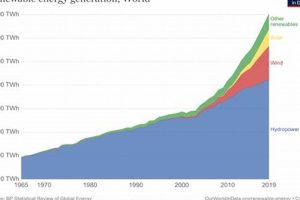
Technological advancement is intrinsically linked to the progress and widespread adoption of renewable energy and electricity generation. Advancements in materials science, manufacturing processes, and grid integration technologies directly impact the efficiency, cost-effectiveness, and reliability of renewable energy systems. For example, improvements in photovoltaic cell technology have led to higher solar panel efficiencies and lower manufacturing costs, making solar energy increasingly competitive with conventional fossil fuels. Similarly, advancements in wind turbine design, such as larger rotor diameters and improved blade aerodynamics, have increased energy capture and reduced the cost of wind power. These advancements drive down the overall cost of renewable energy, making it more accessible and economically viable for consumers and businesses. Furthermore, advancements in energy storage technologies, such as batteries and pumped hydro storage, address the intermittency challenges associated with solar and wind power, enabling a more stable and reliable energy supply. Smart grid technologies, including advanced sensors, communication networks, and data analytics, optimize grid management and facilitate the integration of distributed renewable energy resources. These technological advancements are crucial for maximizing the potential of renewable energy and accelerating the transition to a sustainable energy future.
The practical significance of these technological advancements is evident in the rapid growth of the renewable energy sector globally. As technologies mature and costs decline, renewable energy sources are becoming increasingly integrated into national energy mixes. This shift is driven not only by environmental concerns but also by the economic competitiveness of renewable energy. For example, the declining cost of solar photovoltaics has led to a surge in solar installations worldwide, creating jobs and stimulating economic growth. Innovation in battery storage technology is enabling the wider adoption of electric vehicles, reducing reliance on fossil fuels in the transportation sector. These real-world applications demonstrate the transformative potential of technological advancement in driving the transition to a sustainable energy future. Furthermore, ongoing research and development efforts are focused on exploring new materials, improving energy conversion efficiencies, and developing innovative grid integration solutions. These advancements promise to further enhance the performance, reliability, and affordability of renewable energy technologies, accelerating their widespread adoption and paving the way for a cleaner and more sustainable energy future.
In summary, technological advancement is a crucial driver of progress in the renewable energy sector. Continued investment in research and development, coupled with supportive policies and market mechanisms, is essential for realizing the full potential of renewable energy and electricity generation. Addressing challenges related to grid integration, energy storage, and materials sourcing requires ongoing innovation and collaboration among researchers, policymakers, and industry stakeholders. The future of sustainable energy hinges on continuous technological advancements that enhance the performance, reduce the cost, and improve the reliability of renewable energy technologies. By embracing innovation and fostering a supportive environment for technological development, we can accelerate the transition to a cleaner, more secure, and sustainable energy future. This understanding is crucial for shaping energy policies, guiding investment decisions, and fostering public awareness about the importance of technological advancement in achieving a sustainable energy transition.
Frequently Asked Questions
This section addresses common inquiries regarding sustainable power generation, providing clear and concise answers to promote understanding and informed decision-making.
Question 1: What are the primary environmental benefits of transitioning to sustainable electricity generation?
Reduced greenhouse gas emissions, leading to mitigation of climate change impacts, represent a key environmental benefit. Improved air quality due to the absence of combustion byproducts is another significant advantage.
Question 2: How does sustainable power generation contribute to energy independence?
Utilizing domestically available renewable resources reduces reliance on imported fossil fuels, enhancing energy security and mitigating vulnerability to geopolitical instability and price fluctuations.
Question 3: What are the key barriers to widespread adoption of sustainable power?
Intermittency of certain renewable resources, grid integration challenges, and initial infrastructure investment costs represent key barriers. Technological advancements and supportive policies address these challenges.
Question 4: What role does energy storage play in sustainable power systems?
Energy storage technologies, such as batteries and pumped hydro, address the intermittency of renewable sources like solar and wind, enabling a more reliable and consistent power supply.
Question 5: How can individuals contribute to the growth of sustainable power?
Individuals can support sustainable power through actions such as investing in energy-efficient appliances, exploring on-site generation options, supporting renewable energy providers, and advocating for supportive policies.
Question 6: What is the long-term economic impact of transitioning to sustainable electricity?
The long-term economic impact includes job creation within the renewable energy sector, reduced healthcare costs associated with air pollution, and enhanced energy security, leading to greater economic stability.
Understanding these key aspects of sustainable power empowers informed decision-making and fosters a broader societal shift towards cleaner and more sustainable energy practices. Widespread adoption of renewable energy offers a path towards a more environmentally sound and economically secure future.
The subsequent section will explore specific case studies of successful renewable energy integration, providing real-world examples of the benefits and challenges of transitioning to sustainable power generation.
Conclusion
This exploration of renewable energy and electricity has highlighted the critical role these resources play in forging a sustainable future. From mitigating climate change impacts through emission reductions to enhancing energy independence and stimulating economic growth, the benefits of transitioning to sustainable power generation are multifaceted. Technological advancements continue to drive down costs and improve the reliability of renewable energy systems, paving the way for wider adoption and integration into existing energy infrastructure. Addressing challenges related to intermittency, grid management, and initial investment costs remains crucial for realizing the full potential of these resources. The shift towards decentralized energy production empowers communities and individuals, fostering greater resilience and energy security.
The transition to renewable energy and electricity represents not merely a technological shift, but a fundamental reshaping of the global energy landscape. Continued investment in research, development, and infrastructure, coupled with supportive policies and public awareness, is essential for accelerating this transformative process. The future of energy hinges on embracing sustainable practices and prioritizing the development and deployment of renewable energy technologies. This collective effort offers a pathway towards a cleaner, more secure, and sustainable energy future for generations to come.