A system of interconnected transmission lines and power stations that delivers electricity generated from sources like solar, wind, hydro, and geothermal to consumers forms the backbone of a sustainable power infrastructure. For instance, a network of wind farms connected to urban centers exemplifies this concept, supplying clean power while reducing reliance on fossil fuels.
Such systems offer crucial advantages, including reduced greenhouse gas emissions, decreased air pollution, and enhanced energy security through diversification of supply. Historically, electricity generation relied heavily on finite and polluting resources. The shift toward cleaner alternatives represents a vital step towards environmental sustainability and long-term energy independence.
This foundation of clean power delivery provides a platform for exploring critical related aspects. Discussions of grid stability, storage solutions, and smart grid technologies are essential to understanding the future of sustainable power.
Tips for Supporting a Sustainable Power Infrastructure
Maximizing the benefits of clean power requires a multifaceted approach involving both individual actions and broader policy initiatives. The following recommendations offer practical guidance for promoting and supporting a more sustainable energy future.
Tip 1: Advocate for Supportive Policies: Engage with local and national representatives to champion policies that incentivize clean energy development, streamline permitting processes for renewable energy projects, and prioritize grid modernization.
Tip 2: Invest in Energy Efficiency: Reduce energy consumption through measures such as improved insulation, energy-efficient appliances, and smart home technologies. This minimizes strain on the existing infrastructure and facilitates greater integration of renewable resources.
Tip 3: Explore Distributed Generation: Consider installing rooftop solar panels or participating in community solar projects. Distributed generation enhances grid resilience and reduces transmission losses.
Tip 4: Support Energy Storage Solutions: Advocate for and invest in technologies like battery storage and pumped hydro, which are crucial for addressing the intermittent nature of some renewable sources and ensuring grid stability.
Tip 5: Embrace Smart Grid Technologies: Promote the adoption of smart grid technologies, which optimize energy distribution, enhance grid reliability, and facilitate better integration of renewable resources.
Tip 6: Educate and Engage: Share information about the benefits of clean power with your community and encourage participation in initiatives that support a transition to a more sustainable energy system.
By embracing these strategies, individuals and communities can contribute to a cleaner, more resilient, and sustainable energy future. These collective actions lay the groundwork for long-term energy independence and environmental stewardship.
These actionable steps provide a pathway towards a robust and environmentally sound energy landscape. The transition to clean power requires ongoing effort and collaboration, ultimately leading to a more sustainable future for all.
1. Generation (solar, wind, hydro)

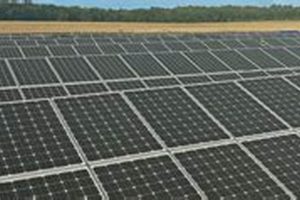
Renewable energy generation, encompassing solar, wind, and hydro power, forms the foundation of a sustainable electricity system. These sources harness naturally replenishing resources, offering a cleaner alternative to fossil fuels. Their integration into the power network is essential for decarbonizing electricity supply and mitigating climate change. For instance, large-scale solar farms in desert regions, offshore wind turbines harnessing consistent sea breezes, and hydroelectric dams utilizing river flows contribute significantly to clean electricity generation. This diversified approach strengthens energy security and reduces reliance on finite resources. The effectiveness of these generation methods hinges on geographical factors, technological advancements, and grid integration capabilities.
The intermittent nature of solar and wind power presents a key challenge. Fluctuations in sunlight and wind speed require sophisticated grid management strategies and energy storage solutions to ensure a stable and reliable power supply. Pumped hydro storage, for example, can effectively balance intermittent generation by storing excess energy and releasing it during periods of low renewable output. Similarly, advancements in battery technology are playing an increasingly important role in smoothing out fluctuations and enhancing grid stability. Understanding these dynamics is crucial for optimizing the integration of renewable generation and maximizing its contribution to the overall energy mix.
Successful integration of renewable generation necessitates careful planning and investment in grid infrastructure. Upgrading transmission lines and incorporating smart grid technologies are essential for efficiently distributing power from remote generation sites to consumers. Furthermore, sophisticated forecasting models and real-time grid management systems are crucial for balancing supply and demand, ensuring grid stability, and maximizing the utilization of renewable resources. Addressing these challenges unlocks the full potential of renewable energy, paving the way for a sustainable and resilient energy future.
2. Transmission Infrastructure

Transmission infrastructure forms the crucial link between renewable energy generation and consumers, enabling the delivery of clean electricity across vast distances. Its capacity and efficiency directly impact the viability and effectiveness of a sustainable power system. Analysis of key facets of transmission infrastructure reveals its crucial role in facilitating the transition to a cleaner energy future.
- High-Voltage Direct Current (HVDC) Lines
HVDC lines offer advantages for long-distance transmission, minimizing energy loss and enabling efficient power delivery from remote renewable energy sources like large-scale solar farms or offshore wind installations. Projects like the Jinping-Sunan HVDC line in China demonstrate the feasibility and effectiveness of HVDC technology in integrating large-scale renewable generation into national grids.
- Grid Modernization and Upgrades
Modernizing existing alternating current (AC) transmission networks is crucial for accommodating the increasing influx of renewable energy. This involves upgrading transformers, substations, and conductors to handle higher power flows and integrating advanced control systems to manage the intermittent nature of renewable sources. Grid modernization efforts in countries like Germany, with its Energiewende initiative, highlight the importance of upgrading existing infrastructure to support a transition to clean power.
- Interconnection and Regional Grids
Connecting regional grids enhances the reliability and resilience of renewable energy systems. By pooling resources and sharing generation capacity across a wider area, interconnected grids can mitigate the impact of intermittency and optimize the utilization of renewable resources. The European super grid initiative exemplifies the benefits of regional cooperation in maximizing the potential of renewable energy.
- Smart Grid Technologies
Integrating smart grid technologies, such as advanced sensors, real-time monitoring systems, and dynamic line rating, optimizes transmission efficiency and enhances grid stability. These technologies enable more precise control over power flows, facilitate better integration of renewable resources, and improve grid resilience in the face of disruptions.
These interconnected aspects of transmission infrastructure are essential for realizing the full potential of renewable energy. Efficient and robust transmission networks enable the delivery of clean electricity from diverse sources to consumers, supporting a transition to a sustainable and resilient energy future. Continued investment and innovation in transmission infrastructure are crucial for building a reliable and efficient clean power system.
3. Distribution Networks

Distribution networks represent the final stage in the delivery of electricity from renewable sources to end-users, playing a critical role in the overall effectiveness of a renewable energy grid. These networks, comprising lower-voltage power lines, transformers, and substations, manage the flow of electricity within localized areas, ensuring reliable power supply to homes, businesses, and industries. Their adaptability and resilience are crucial for maximizing the benefits of renewable energy integration.
Effective integration of renewable energy sources into distribution networks requires addressing key challenges. The intermittent nature of solar and wind power necessitates sophisticated grid management strategies at the distribution level. This includes implementing advanced metering infrastructure (AMI), deploying smart grid technologies, and utilizing distributed energy resources (DERs) like rooftop solar panels and battery storage systems. Real-world examples, such as the implementation of smart grids in cities like Copenhagen and Amsterdam, demonstrate the effectiveness of these strategies in managing the variability of renewable generation and ensuring grid stability. Furthermore, upgrading existing distribution infrastructure to accommodate bidirectional power flows, characteristic of distributed generation, is essential for optimizing the utilization of renewable resources.
Understanding the interplay between distribution networks and renewable energy sources is crucial for achieving a sustainable energy future. Modernizing distribution infrastructure, implementing smart grid technologies, and fostering greater flexibility within these networks are essential for maximizing the benefits of renewable energy integration. These advancements not only enhance grid resilience and reliability but also empower consumers to actively participate in the clean energy transition through distributed generation and demand-side management. Addressing these challenges effectively is key to building a robust and sustainable power system that can effectively deliver clean electricity to all.
4. Storage solutions (batteries, pumped hydro)

Storage solutions are integral to the effective functioning of a renewable energy grid, addressing the intermittent nature of sources like solar and wind power. These technologies store excess energy generated during periods of high renewable output and release it when generation is low, ensuring a consistent and reliable electricity supply. This buffering capacity is crucial for maintaining grid stability and maximizing the utilization of renewable resources.
- Battery Storage
Battery storage systems, particularly lithium-ion batteries, offer a flexible and scalable solution for grid-scale energy storage. Their rapid response times enable them to effectively smooth out fluctuations in renewable generation and provide ancillary services to the grid. Examples include the Hornsdale Power Reserve in Australia, which demonstrates the effectiveness of battery storage in stabilizing frequency and voltage on the grid.
- Pumped Hydroelectric Storage (PHS)
PHS utilizes two reservoirs at different elevations. Excess electricity pumps water from the lower to the upper reservoir, storing potential energy. When demand increases, water flows back down, generating electricity. Projects like the Bath County Pumped Storage Station in the United States highlight the large-scale energy storage capabilities of PHS.
- Emerging Storage Technologies
Beyond batteries and PHS, various emerging storage technologies are under development, including flow batteries, compressed air energy storage (CAES), and thermal storage. These technologies offer diverse approaches to addressing grid-scale energy storage needs and hold significant potential for future integration into renewable energy grids. Pilot projects and ongoing research are crucial for assessing their viability and scalability.
- Integration with Grid Management Systems
Effective integration of storage solutions requires sophisticated grid management systems. These systems optimize the charging and discharging of storage resources based on real-time grid conditions, ensuring efficient utilization of stored energy and maximizing grid stability. Advancements in artificial intelligence and machine learning are playing an increasing role in optimizing storage dispatch and enhancing grid flexibility.
The integration of storage solutions is essential for realizing the full potential of renewable energy grids. By addressing the intermittency challenges associated with renewable generation, storage technologies enable a more reliable and stable electricity supply. As renewable energy penetration increases, continued innovation and deployment of storage solutions are crucial for building a robust and sustainable power system.
5. Grid management (smart grids)

Effective grid management, particularly through the implementation of smart grids, is essential for maximizing the integration and utilization of renewable energy sources. Smart grids leverage advanced sensor technology, real-time data analytics, and automated control systems to optimize power flow, enhance grid stability, and accommodate the intermittent nature of renewable generation. This intelligent management approach is crucial for addressing the inherent variability of solar and wind power and ensuring a reliable and efficient electricity supply. For instance, real-time monitoring of grid conditions allows for dynamic adjustments to power distribution, balancing supply and demand and mitigating the impact of fluctuations in renewable output. Examples like the deployment of smart grid technologies in regions with high renewable energy penetration, such as parts of California and Denmark, demonstrate the practical benefits of this approach in managing the complexities of integrating variable renewable resources.
The connection between smart grids and renewable energy grids extends beyond simply managing intermittency. Smart grid technologies facilitate the integration of distributed energy resources (DERs), such as rooftop solar panels and home battery systems, empowering consumers to actively participate in the energy ecosystem. This decentralized generation model enhances grid resilience by diversifying supply and reducing reliance on centralized power plants. Moreover, smart grids enable demand-side management, allowing consumers to adjust their energy consumption based on real-time grid conditions and pricing signals. This flexibility helps to balance supply and demand, further optimizing the utilization of renewable energy resources and enhancing overall grid efficiency. Practical applications include time-of-use pricing programs, which incentivize consumers to shift their energy usage to periods of lower demand or higher renewable generation, and demand response programs, which enable utilities to curtail demand during peak periods, reducing strain on the grid and minimizing the need for fossil fuel-based peaking power plants.
The integration of smart grid technologies represents a fundamental shift in how electricity grids are managed and operated. This transition is crucial for realizing the full potential of renewable energy and building a sustainable power system. By addressing the challenges of intermittency, enabling greater consumer participation, and optimizing grid efficiency, smart grids pave the way for a more resilient, reliable, and environmentally sound energy future. Continued investment in smart grid infrastructure and development of advanced grid management strategies are essential for achieving a seamless transition to a clean energy economy.
6. Integration with Existing Infrastructure

Seamless integration with existing infrastructure is paramount for the successful transition to a renewable energy grid. This integration necessitates careful consideration of compatibility, grid stability, and economic viability. Connecting new renewable generation sources, such as solar farms and wind turbines, to the existing transmission and distribution networks requires significant upgrades and modifications. Substations, transformers, and power lines often require reinforcement to handle the increased capacity and variable nature of renewable energy. Furthermore, sophisticated grid management systems are essential for balancing the intermittent renewable supply with existing conventional generation sources, ensuring grid stability and reliability. Examples of successful integration include the connection of large-scale offshore wind farms to national grids in countries like the United Kingdom and Germany, demonstrating the feasibility and benefits of integrating renewable energy into existing infrastructure.
The practical significance of successful integration lies in minimizing disruption to energy supply while maximizing the benefits of renewable energy. Careful planning and execution are crucial for avoiding grid instability, blackouts, and cost overruns. Strategies for successful integration include phased deployments, pilot projects, and robust grid modeling to assess the impact of renewable energy integration on the existing infrastructure. Moreover, policy and regulatory frameworks must adapt to accommodate the unique characteristics of renewable energy sources, streamlining permitting processes and incentivizing investment in grid modernization. Examples include feed-in tariffs and renewable portfolio standards, which have proven effective in promoting renewable energy integration in various countries. Addressing potential challenges proactively, such as intermittency and grid congestion, is essential for ensuring a smooth and cost-effective transition.
Integrating renewable energy sources with existing infrastructure represents a complex yet crucial undertaking for achieving a sustainable energy future. Careful planning, technological advancements, and adaptive policy frameworks are essential for maximizing the benefits of renewable energy while minimizing disruption and ensuring grid stability. Successful integration not only facilitates the transition to a cleaner energy system but also enhances energy security, reduces reliance on fossil fuels, and creates economic opportunities associated with the growing renewable energy sector. Continued innovation and collaboration across stakeholders are crucial for navigating the complexities of integration and unlocking the full potential of renewable energy grids.
Frequently Asked Questions about Renewable Energy Grids
This section addresses common inquiries regarding power systems based on renewable energy sources, aiming to provide clear and concise information.
Question 1: How do power systems based on renewable energy ensure a stable electricity supply given the intermittent nature of sources like solar and wind?
Grid stability is maintained through a combination of strategies, including energy storage solutions (batteries, pumped hydro), grid management technologies (smart grids), diversification of renewable sources, and integration with existing conventional power plants. Predictive modeling and advanced forecasting also play a crucial role in anticipating fluctuations and managing supply.
Question 2: Are power systems based on renewable energy more expensive than traditional fossil fuel-based systems?
The upfront costs of renewable energy infrastructure can be higher, but the long-term operational costs are generally lower due to the free and abundant nature of renewable resources. Furthermore, declining costs of renewable technologies, coupled with the rising costs of fossil fuels and associated environmental externalities, are making renewable energy increasingly cost-competitive.
Question 3: Can power systems based on renewable energy meet the growing electricity demand of a modern society?
With appropriate planning, investment, and technological advancements, these systems can meet growing demand. Strategies include expanding renewable generation capacity, improving grid infrastructure, implementing energy efficiency measures, and developing advanced storage solutions.
Question 4: What are the environmental benefits of transitioning to power systems based on renewable energy?
The primary environmental benefits include significant reductions in greenhouse gas emissions and air pollution, contributing to climate change mitigation and improved public health. Reduced reliance on finite resources also promotes greater environmental sustainability.
Question 5: What are the challenges associated with integrating large amounts of renewable energy into existing power grids?
Key challenges include managing the intermittency of renewable sources, upgrading existing grid infrastructure to accommodate increased capacity and bidirectional power flows, ensuring grid stability, and addressing potential cybersecurity concerns associated with smart grid technologies.
Question 6: How can individuals contribute to the transition to power systems based on renewable energy?
Individuals can contribute by supporting policies that promote renewable energy development, investing in energy efficiency measures, adopting distributed generation technologies like rooftop solar, and making informed choices about their energy consumption.
Understanding the function, benefits, and challenges of renewable energy power systems is crucial for informed decision-making and public discourse. Transitioning to a more sustainable energy future requires a collaborative effort across stakeholders, informed by accurate information and open dialogue.
Beyond these frequently asked questions, further exploration of specific technologies, policy frameworks, and economic implications provides a deeper understanding of the transition to sustainable energy.
Renewable Energy Grid
Exploration of renewable energy grids reveals their multifaceted nature, encompassing generation from diverse sources like solar, wind, and hydro, efficient transmission infrastructure, robust distribution networks, advanced storage solutions, and intelligent grid management. Successful integration with existing infrastructure is crucial for maximizing the benefits and minimizing disruptions. Addressing the inherent intermittency of renewable sources through technologies like batteries and pumped hydro storage, alongside the implementation of smart grids, is paramount for ensuring grid stability and reliability.
The transition to renewable energy grids represents a significant shift towards a more sustainable and resilient energy landscape. Continued investment in research, development, and deployment of these technologies, coupled with supportive policy frameworks, is essential for realizing their full potential. This collective effort is not merely a technological endeavor but a societal imperative, crucial for mitigating climate change, enhancing energy security, and building a more sustainable future for generations to come.