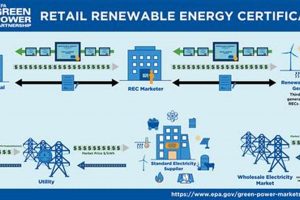
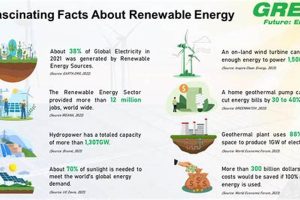
The transition to power sources like solar, wind, hydro, and geothermal energy has significant financial and market implications. For instance, decreased reliance on fossil fuel imports can improve a nation’s trade balance and energy security. Investment in and development of these technologies create new industries, jobs, and revenue streams. Furthermore, the distributed nature of many renewable energy systems, such as rooftop solar, can empower individuals and communities, fostering local economic growth and resilience.
Historically, energy transitions have driven significant societal and economic shifts. The move towards renewable energy offers a similar opportunity for transformative change, contributing to sustainable development goals and potentially mitigating the economic risks associated with climate change. Stable energy prices, reduced health costs from improved air quality, and increased energy access in underserved communities are among the potential advantages.
This discussion will delve further into the various facets of this transition, exploring specific impacts on job markets, investment patterns, energy affordability, and overall economic growth and stability at regional, national, and global levels.
Understanding the financial and market implications of the renewable energy transition allows businesses, policymakers, and individuals to make informed decisions and capitalize on emerging opportunities. The following tips provide guidance for navigating this dynamic landscape.
Tip 1: Diversify Investment Portfolios: Consider allocating capital to renewable energy projects, technologies, and companies. This diversification can mitigate risk associated with fossil fuel dependence and tap into the growing renewable energy market.
Tip 2: Support Policy Frameworks that Encourage Renewable Energy Development: Advocate for policies that incentivize renewable energy adoption, such as tax credits, feed-in tariffs, and renewable portfolio standards. Stable and predictable policy frameworks are crucial for attracting investment and fostering market growth.
Tip 3: Invest in Workforce Development and Training: The renewable energy sector requires a skilled workforce. Supporting education and training programs in areas such as solar installation, wind turbine maintenance, and energy efficiency can ensure a pipeline of qualified professionals.
Tip 4: Conduct Thorough Due Diligence: Before investing in any renewable energy project, conduct comprehensive research to assess its financial viability, environmental impact, and regulatory compliance.
Tip 5: Embrace Energy Efficiency Measures: Reducing energy consumption through efficiency improvements lowers overall energy costs and maximizes the benefits of renewable energy integration.
Tip 6: Engage with Local Communities: Successful renewable energy projects often require community support. Open communication and collaboration with stakeholders can address concerns and facilitate project development.
Tip 7: Monitor Market Trends and Technological Advancements: The renewable energy landscape is constantly evolving. Staying informed about the latest innovations and market dynamics is essential for making strategic decisions.
By understanding and acting upon these considerations, stakeholders can contribute to a more sustainable and prosperous energy future. These strategic approaches can help maximize the economic benefits of the transition while mitigating potential challenges.
These tips provide a starting point for navigating the economic complexities of renewable energy. A deeper exploration of specific market sectors and policy landscapes will further enhance comprehension of this transformative shift.
1. Job Creation

The transition to renewable energy sources significantly impacts labor markets, representing a crucial element of its overall economic effects. Analyzing job creation potential provides valuable insights into the economic opportunities associated with renewable energy development and deployment.
- Manufacturing and Installation:
Renewable energy technologies require manufacturing and installation, creating jobs across the supply chain. Examples include the production of solar panels, wind turbine components, and energy storage systems, as well as the installation and maintenance of these technologies. These roles often involve specialized skills, driving demand for technical training and education, subsequently contributing to a more skilled workforce.
- Operations and Maintenance:
Ongoing operation and maintenance of renewable energy facilities generate further employment opportunities. Wind farms, solar power plants, and hydroelectric facilities require technicians, engineers, and other skilled professionals to ensure efficient and reliable operation. These positions often provide stable, long-term employment within local communities hosting renewable energy infrastructure.
- Research and Development:
Continued innovation in renewable energy technologies relies on research and development efforts. Scientists, engineers, and researchers work to improve the efficiency, affordability, and reliability of renewable energy systems. These highly skilled positions contribute to technological advancements and drive further economic growth in the sector. This continuous improvement cycle fuels ongoing job creation.
- Support Services:
The renewable energy sector necessitates various support services, generating additional employment opportunities. These include financial services, legal consulting, project management, and administrative support. The growth of the renewable energy industry fuels demand for these services, contributing to broader economic diversification.
The diverse job creation potential across these facets underscores the significant economic benefits associated with renewable energy. These employment opportunities contribute to economic growth, community revitalization, and a more sustainable energy future. Further analysis of specific regional and technological contexts can provide a more granular understanding of the employment impacts of the renewable energy transition.
2. Investment Growth
Investment growth plays a pivotal role in the economic effects of renewable energy, acting as both a driver and a consequence of the energy transition. Significant capital inflows are required to finance the research, development, manufacturing, and deployment of renewable energy technologies. This investment stimulates economic activity, creates jobs, and fosters innovation. Conversely, the increasing cost-competitiveness and demonstrable returns of renewable energy projects attract further investment, creating a positive feedback loop. This cycle of investment and growth is essential for accelerating the transition to a sustainable energy system.
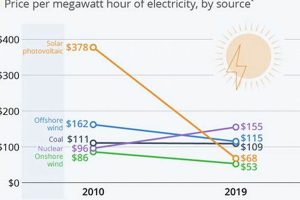
For example, the growth of the global solar photovoltaic (PV) industry has been fueled by substantial investments in manufacturing capacity, research and development, and project deployment. This investment has led to dramatic cost reductions, making solar PV increasingly competitive with conventional energy sources. The resulting market expansion has, in turn, attracted further investment, creating a virtuous cycle of growth and innovation. Similar trends are observed in other renewable energy sectors, such as wind energy and energy storage, demonstrating the crucial role of investment in driving the energy transition.
Understanding the relationship between investment growth and renewable energy is crucial for policymakers, investors, and businesses. Targeted policies, such as tax incentives, feed-in tariffs, and carbon pricing mechanisms, can stimulate investment in renewable energy projects. Clear and consistent regulatory frameworks are also essential for attracting private sector investment. By fostering a favorable investment climate, governments can accelerate the deployment of renewable energy, generating economic benefits and contributing to climate change mitigation efforts. Furthermore, analyzing investment trends can provide valuable insights into the future direction of the renewable energy market, enabling informed decision-making and strategic planning. The complex interplay of technological advancements, policy interventions, and market forces shapes the trajectory of investment growth in the renewable energy sector, underscoring the need for continuous monitoring and analysis.
3. Energy Price Stability

Energy price volatility poses significant challenges to economic stability and growth. Renewable energy sources, characterized by relatively stable fuel costs, offer a pathway toward mitigating these challenges and enhancing energy price stability. This stability allows businesses and consumers to better predict and manage energy expenses, fostering a more predictable and stable economic environment. Analyzing the relationship between renewable energy and energy price stability provides valuable insights into the broader economic effects of the energy transition.
- Reduced Exposure to Fossil Fuel Price Volatility:
Renewable energy sources decouple electricity generation from the volatile global fossil fuel markets. Unlike fossil fuels, sunlight and wind are free, and their costs are primarily associated with upfront investment and maintenance. This inherent price stability insulates renewable energy generators and consumers from fluctuating oil and gas prices, providing greater long-term price predictability and reducing exposure to global market shocks. This stability can be particularly beneficial for businesses with energy-intensive operations.
- Predictable Long-Term Energy Costs:
The predictable operating costs of renewable energy facilities contribute to long-term price stability. Once a wind farm or solar power plant is operational, the primary costs are associated with maintenance and operations, which are relatively stable and predictable. This predictability allows for better long-term financial planning by both energy providers and consumers, facilitating investment and economic growth. This contrasts sharply with the fluctuating fuel costs associated with conventional power plants, which can lead to unpredictable electricity prices.
- Competition and Innovation in the Energy Market:
Increased deployment of renewable energy technologies fosters competition within the energy market, potentially driving down electricity prices. As renewable energy becomes increasingly cost-competitive, it exerts downward pressure on wholesale electricity prices, benefiting consumers and promoting economic efficiency. Furthermore, competition encourages innovation and further cost reductions in both renewable and conventional energy technologies, creating a dynamic and evolving energy market.
- Enhanced Energy Independence and Security:
Reliance on domestically sourced renewable energy resources reduces dependence on imported fossil fuels, enhancing energy independence and security. This reduced reliance on foreign energy sources mitigates vulnerabilities to geopolitical instability and supply disruptions, contributing to greater national energy security and price stability. This can be particularly important for countries heavily reliant on energy imports.
By mitigating price volatility and enhancing energy security, renewable energy contributes to a more stable and predictable economic environment. This stability facilitates investment, promotes economic growth, and enhances consumer welfare. Further analysis of specific market structures and regulatory frameworks can provide a more nuanced understanding of the complex relationship between renewable energy and energy price stability within different economic contexts. This understanding is crucial for developing effective energy policies that promote both economic prosperity and environmental sustainability.
4. Reduced Healthcare Costs

Transitioning to renewable energy sources offers substantial potential for reducing healthcare costs, a significant factor within the broader economic effects of renewable energy. Improved air quality resulting from decreased reliance on fossil fuels leads to fewer respiratory and cardiovascular illnesses, lessening the financial burden on healthcare systems and individuals. Analyzing this connection provides valuable insights into the societal benefits of sustainable energy adoption.
- Improved Air Quality:
Fossil fuel combustion releases pollutants that contribute to respiratory and cardiovascular diseases. Renewable energy sources, such as solar and wind power, produce no direct air emissions, leading to improved air quality and subsequent reductions in healthcare costs associated with these illnesses. Studies have demonstrated a strong correlation between air pollution levels and respiratory hospital admissions, highlighting the potential for cost savings through cleaner energy generation. For instance, a study by the American Lung Association found that transitioning to 100% renewable energy by 2050 could prevent hundreds of thousands of premature deaths and asthma attacks annually, resulting in substantial healthcare cost savings.
- Decreased Respiratory Illnesses:
Reduced air pollution associated with renewable energy adoption directly translates to lower rates of respiratory illnesses, including asthma, bronchitis, and lung cancer. These reductions alleviate pressure on healthcare systems and reduce individual healthcare expenditures. Children and the elderly are particularly vulnerable to the adverse health effects of air pollution, making improved air quality a crucial factor in protecting public health and reducing associated healthcare costs. The World Health Organization estimates that air pollution is responsible for millions of premature deaths annually, a significant portion of which are attributed to respiratory illnesses.
- Lower Cardiovascular Disease Rates:
Air pollution also contributes to cardiovascular diseases, such as heart attacks and strokes. By improving air quality, renewable energy adoption can contribute to lower rates of these diseases, resulting in significant healthcare cost savings. Studies have linked exposure to fine particulate matter, a common air pollutant from fossil fuel combustion, to increased risk of heart disease. Reducing these pollutants through renewable energy adoption can have a positive impact on cardiovascular health and reduce the economic burden of these diseases.
- Reduced Productivity Losses:
Improved public health associated with renewable energy adoption leads to increased productivity and reduced lost workdays due to illness. This increased productivity contributes to overall economic growth and offsets the costs of transitioning to renewable energy. A healthier workforce translates to greater economic output and reduces the indirect costs associated with healthcare, such as lost wages and productivity losses due to illness. This economic benefit further strengthens the case for renewable energy adoption.
The healthcare cost savings associated with renewable energy adoption represent a significant economic benefit. These savings, coupled with job creation, investment growth, and energy price stability, create a compelling argument for accelerating the transition to a sustainable energy future. Further research quantifying these benefits within specific regional and national contexts can provide a more granular understanding of the economic and societal advantages of renewable energy. These analyses can inform policy decisions and guide investment strategies toward a healthier and more prosperous future.
5. Enhanced Energy Security

Enhanced energy security represents a critical component of the economic effects of renewable energy. By diversifying energy sources and reducing reliance on imported fossil fuels, renewable energy strengthens national energy independence and resilience. This enhanced security mitigates economic vulnerabilities associated with geopolitical instability, supply disruptions, and price volatility in global fossil fuel markets. The inherent price stability of renewable energy sources, derived from freely available resources like sunlight and wind, shields economies from the unpredictable fluctuations of fossil fuel prices. This predictability fosters a more stable investment climate and reduces the risk of economic shocks stemming from energy price spikes. Furthermore, decentralized renewable energy generation, such as rooftop solar, enhances grid resilience and reduces vulnerability to large-scale outages. For instance, during natural disasters, localized renewable energy systems can continue to provide power, mitigating economic disruption and facilitating faster recovery.
Consider the example of a nation heavily reliant on imported natural gas for electricity generation. Geopolitical tensions or disruptions in the supply chain could lead to price spikes and energy shortages, impacting industrial production, transportation, and essential services. By investing in domestic renewable energy resources, such as wind and solar power, the nation can reduce its dependence on imported gas, mitigating its vulnerability to external shocks and enhancing its energy security. This diversification of energy sources strengthens the national economy, creates jobs in the renewable energy sector, and reduces the outflow of capital for energy imports. Similarly, nations with abundant renewable energy resources can leverage these assets to become energy exporters, generating revenue and enhancing their geopolitical influence. The development of regional renewable energy grids can further enhance energy security by facilitating cross-border electricity trade and fostering cooperation among neighboring countries.
The link between enhanced energy security and the economic effects of renewable energy is multifaceted and crucial for long-term economic prosperity and stability. By reducing reliance on volatile and geopolitically sensitive fossil fuels, renewable energy empowers nations to control their energy destinies, mitigate economic risks, and foster a more sustainable and resilient energy future. The transition to renewable energy not only addresses climate change concerns but also provides a pathway towards greater energy independence, price stability, and economic security. Understanding this connection is paramount for policymakers, businesses, and investors seeking to navigate the evolving energy landscape and capitalize on the opportunities presented by the global shift towards renewable energy.
Frequently Asked Questions about the Economic Effects of Renewable Energy
This section addresses common inquiries regarding the economic implications of transitioning to renewable energy sources. Clear and concise answers are provided to promote informed discussion and decision-making.
Question 1: How does renewable energy impact job creation?
Renewable energy technologies require manufacturing, installation, maintenance, and research, creating numerous jobs across various skill levels. These range from manufacturing solar panels and wind turbine components to installing and maintaining these systems. Furthermore, the renewable energy sector fosters innovation and development, leading to new specialized roles and contributing to a dynamic job market.
Question 2: Does renewable energy investment offer positive financial returns?
Renewable energy investments have demonstrated increasingly attractive returns as technology costs decline and market demand rises. Furthermore, government incentives and supportive policies in many regions enhance the financial viability of renewable energy projects.
Question 3: How does renewable energy affect energy price stability?
Renewable energy sources, such as solar and wind, have predictable and stable fuel costs, unlike fossil fuels subject to global market fluctuations. This characteristic contributes to greater price stability in the long term, shielding consumers and businesses from volatile energy prices.
Question 4: Can renewable energy truly improve energy security?
Renewable energy strengthens energy security by diversifying energy sources and reducing reliance on imported fossil fuels. This diversification mitigates vulnerabilities to geopolitical events and supply chain disruptions, enhancing national energy independence.
Question 5: What are the long-term economic benefits of renewable energy?
Long-term economic benefits of renewable energy include sustainable job growth, increased investment in innovative technologies, greater energy independence, and a more stable energy market. Furthermore, reduced air pollution contributes to improved public health and lower healthcare costs.
Question 6: What role does policy play in driving renewable energy growth?
Supportive government policies, such as tax incentives, renewable portfolio standards, and carbon pricing mechanisms, are crucial for accelerating renewable energy adoption. Clear and consistent policies provide market certainty and attract investment, fostering innovation and market growth.
Understanding the economic implications of renewable energy is crucial for informed decision-making. The transition to renewable energy offers not only environmental benefits but also substantial economic advantages. These include job creation, investment growth, price stability, and enhanced energy security.
Further exploration of specific policy frameworks and market trends can provide a more nuanced understanding of the economic opportunities and challenges associated with the transition to renewable energy.
Conclusion
Analysis of the economic effects of renewable energy reveals a compelling case for accelerating the global transition to sustainable energy systems. From job creation and investment growth to enhanced energy security and reduced healthcare costs, the economic advantages are significant and multifaceted. Renewable energy technologies decouple economies from volatile fossil fuel markets, fostering price stability and mitigating risks associated with geopolitical instability. Furthermore, investments in renewable energy infrastructure stimulate economic activity, create jobs, and drive innovation, contributing to long-term economic prosperity.
The transition to renewable energy represents not merely an environmental imperative, but a fundamental economic necessity. Strategic investment in renewable energy technologies and supportive policy frameworks are crucial for unlocking the full economic potential of this transformative shift. The future of economic prosperity and global stability is inextricably linked to the successful integration of renewable energy into the global energy landscape. Continued analysis, innovation, and collaboration are essential for navigating the complexities of this transition and ensuring a sustainable and prosperous future for all.