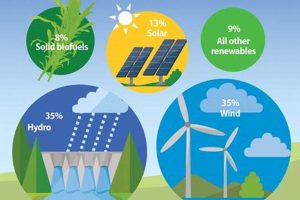
Sustainable power generation using resources that naturally replenish, such as solar, wind, hydro, and geothermal power, is gaining traction within the Pittsburgh metropolitan area. For example, local initiatives promote solar panel installations on residential and commercial buildings, while wind farms in the surrounding region contribute to the city’s electricity supply.
Clean energy sources offer numerous advantages to the region, including improved air quality, reduced reliance on fossil fuels, and the creation of green jobs. Historically, Pittsburgh’s economy was heavily reliant on coal and steel production. The shift towards cleaner energy represents a significant step towards a more sustainable future and helps diversify the local economy. This transition also aligns with broader national and international efforts to combat climate change and promote energy independence.
This discussion will further explore the specific types of sustainable power being implemented in the area, the challenges and opportunities associated with this transition, and the future prospects for clean energy in Pittsburgh. Additionally, the role of policy, community engagement, and technological advancements will be examined.
Tips for Supporting Sustainable Power in Pittsburgh
Residents and businesses can contribute to a greener future by adopting practices that support clean energy initiatives and reduce reliance on traditional energy sources. The following tips offer practical advice for promoting sustainable power within the Pittsburgh region.
Tip 1: Explore Residential Solar Installations: Evaluate the feasibility of installing solar panels on homes or businesses. Numerous local installers offer consultations and assistance with navigating permitting and incentive programs.
Tip 2: Support Community Solar Projects: If individual solar installations are not practical, consider participating in community solar projects, which allow residents to share the benefits of a larger solar array.
Tip 3: Reduce Energy Consumption: Implement energy-efficient practices at home and work, such as using LED lighting, optimizing thermostat settings, and utilizing energy-efficient appliances.
Tip 4: Advocate for Sustainable Policies: Support policies that promote renewable energy development and incentivize the adoption of clean energy technologies. Engage with local representatives and participate in public forums.
Tip 5: Invest in Sustainable Businesses: Patronize businesses committed to sustainability and using clean energy. This supports companies actively contributing to a greener Pittsburgh.
Tip 6: Stay Informed About Local Initiatives: Keep abreast of new developments in the sustainable power sector in Pittsburgh. Numerous organizations and resources offer information on current projects, incentives, and opportunities for community involvement.
Tip 7: Educate Others: Share information about the benefits of clean energy with friends, family, and colleagues. Raising awareness helps build community support for a sustainable future.
By incorporating these tips into daily life, individuals and businesses can play a vital role in advancing sustainable power within Pittsburgh and contribute to a cleaner, healthier environment for future generations. These collective efforts will help create a more resilient and environmentally responsible community.
These individual and collective actions contribute significantly to Pittsburghs transition towards a cleaner energy future. The following section will explore the long-term vision for sustainable power in the region.
1. Solar Power

Solar power is a cornerstone of the renewable energy landscape in Pittsburgh. Its increasing viability and adoption contribute significantly to the city’s transition towards a more sustainable energy future. Examining the key facets of solar power implementation within Pittsburgh provides valuable insights into its potential and challenges.
- Residential Solar Installations
Rooftop solar panels are becoming increasingly common in Pittsburgh’s residential areas. Driven by declining costs of solar technology and government incentives, homeowners are increasingly adopting solar energy. This distributed generation model reduces reliance on centralized power plants and empowers residents to generate their own clean electricity. Examples include neighborhood initiatives promoting solar adoption and community bulk-purchasing programs that lower installation costs.
- Commercial Solar Projects
Businesses in Pittsburgh are also recognizing the economic and environmental benefits of solar energy. Large-scale solar installations on commercial rooftops and parking lots contribute to reducing operating costs and enhancing corporate sustainability goals. Examples include universities, hospitals, and manufacturing facilities incorporating solar power into their energy mix.
- Community Solar Gardens
Community solar gardens offer an alternative for residents and businesses who may not have suitable rooftops or sufficient capital for individual solar installations. These shared solar projects allow subscribers to benefit from the clean energy generated by a larger solar array. This model expands access to solar power and fosters community participation in the renewable energy transition.
- Policy and Regulatory Landscape
Supportive policies and regulations play a critical role in facilitating the growth of solar power in Pittsburgh. Net metering policies, tax incentives, and streamlined permitting processes are essential for encouraging investment in solar projects. The evolving regulatory framework continues to shape the future of solar energy development in the region.
These facets of solar power implementation collectively contribute to a growing momentum in Pittsburgh’s sustainable energy transition. Continued technological advancements, community engagement, and supportive policies are crucial for maximizing the potential of solar power and realizing a cleaner energy future for the city.
2. Wind Energy
Wind energy plays a crucial role in diversifying the renewable energy portfolio of the Pittsburgh region. While not as prevalent as solar power within city limits, wind farms in surrounding areas contribute significantly to the overall clean energy supply. Understanding the key aspects of wind energy integration within the broader context of Pittsburgh’s renewable energy landscape provides valuable insights into its potential and challenges.
- Regional Wind Farms
The topography and wind resources surrounding Pittsburgh make the region suitable for utility-scale wind farms. These facilities, often located in rural areas, generate substantial amounts of clean electricity that is fed into the regional power grid. Examples include wind farms in neighboring counties and states that contribute to Pennsylvania’s renewable energy portfolio and power Pittsburgh households and businesses.
- Transmission Infrastructure
The efficient transmission of wind-generated electricity from regional wind farms to Pittsburgh requires robust transmission infrastructure. Investments in upgrading and expanding transmission lines are crucial for maximizing the benefits of wind energy and ensuring reliable power delivery. This infrastructure development also plays a role in integrating other renewable energy sources into the regional grid.
- Economic Impact
The development and operation of wind farms create economic opportunities in rural communities surrounding Pittsburgh. These include jobs in construction, maintenance, and manufacturing of wind turbine components. The influx of investment and employment can contribute to economic diversification and revitalization in these areas.
- Environmental Considerations
While wind energy is a clean energy source, its implementation requires careful consideration of potential environmental impacts. These include impacts on wildlife, bird migration patterns, and land use. Environmental assessments and mitigation strategies are essential for ensuring responsible wind energy development and minimizing negative ecological consequences.
These facets of wind energy highlight its growing importance within Pittsburgh’s renewable energy landscape. As technology advances and transmission infrastructure improves, wind power is poised to play an increasingly significant role in meeting the city’s clean energy goals and contributing to a more sustainable future for the region. Further exploration of wind energy potential requires analysis of policy incentives, community acceptance, and integration with other renewable sources.
3. Hydroelectric Potential

Hydroelectric power, while not a dominant source within Pittsburgh’s immediate vicinity, represents a component of the broader regional renewable energy landscape. The Allegheny and Ohio Rivers, though flowing through the city, are largely unsuitable for large-scale hydroelectric generation due to existing lock and dam infrastructure primarily designed for navigation and flood control. However, smaller hydroelectric projects and pumped storage hydropower facilities offer potential opportunities for clean energy generation and grid stabilization. For example, existing dams could be retrofitted with hydroelectric turbines, and abandoned industrial sites along the rivers could be repurposed for pumped hydro projects.
Further afield, existing hydroelectric facilities on the Ohio River and its tributaries contribute to the regional power grid, indirectly supporting Pittsburgh’s renewable energy goals. These facilities provide a relatively stable source of baseload power, complementing the intermittent nature of solar and wind energy. Additionally, advancements in hydropower technology, such as fish-friendly turbines and improved environmental monitoring, can enhance the sustainability and ecological compatibility of future hydroelectric projects in the region. Investigating the feasibility of small-scale hydroelectric installations within city limits and exploring partnerships with regional hydroelectric operators could further diversify Pittsburgh’s renewable energy mix.
Integrating hydroelectric power, both within city limits and regionally, presents both opportunities and challenges. Balancing the need for clean energy with environmental considerations, such as maintaining healthy river ecosystems and mitigating potential impacts on fish populations, is crucial. Strategic planning, community engagement, and collaboration with regional stakeholders are essential for maximizing the potential of hydroelectric power while ensuring its responsible development within the broader context of sustainable energy goals for Pittsburgh.
4. Geothermal Applications

Geothermal energy, while less prominent than solar and wind power in Pittsburgh’s renewable energy landscape, offers unique advantages for heating and cooling applications. Leveraging the relatively constant temperature of the earth beneath the surface provides a reliable and efficient source of thermal energy. This reduces reliance on fossil fuels for conventional heating and cooling systems, contributing to decreased greenhouse gas emissions and improved air quality. Geothermal heat pumps, which utilize a network of underground pipes to exchange heat with the earth, offer a practical application for both residential and commercial buildings. For example, several universities and hospitals in Pittsburgh have incorporated geothermal systems into their infrastructure to reduce energy consumption and operating costs.
Further exploration of geothermal potential within Pittsburgh involves assessing subsurface geological characteristics to identify suitable locations for geothermal installations. The city’s hilly terrain and varied geology present both opportunities and challenges for geothermal development. Community-scale geothermal district heating and cooling systems, which provide thermal energy to multiple buildings from a central geothermal source, offer potential for greater efficiency and reduced infrastructure costs. Pilot projects demonstrating the feasibility and cost-effectiveness of geothermal technologies in various settings can encourage wider adoption. Furthermore, integrating geothermal systems with other renewable energy sources, such as solar and wind, can create more resilient and sustainable energy solutions for buildings and communities.
Wider implementation of geothermal technologies requires addressing key challenges, including the upfront capital costs of geothermal installations and the need for skilled labor in geothermal system design and installation. Incentive programs and financing options can help overcome these financial barriers, while workforce development initiatives can ensure a qualified workforce to support the growth of the geothermal sector. Continued research and development in geothermal technologies can further enhance their efficiency and affordability, expanding their role in Pittsburgh’s sustainable energy future. Integrating geothermal solutions into urban planning and building codes can further accelerate their adoption and contribute to a more comprehensive approach to decarbonizing the building sector.
5. Community Engagement
Community engagement plays a vital role in the successful transition to renewable energy in Pittsburgh. Public support, participation, and understanding are crucial for driving the adoption of sustainable energy technologies and ensuring a just and equitable energy transition. Active involvement of residents, businesses, and community organizations helps shape policies, fosters innovation, and creates a shared vision for a sustainable energy future.
- Public Awareness Campaigns
Educating the public about the benefits of renewable energy is essential for building support and fostering acceptance of new technologies. Public awareness campaigns utilize various channels, such as community events, educational workshops, and online platforms, to disseminate information about renewable energy options, energy efficiency practices, and the environmental and economic advantages of transitioning to a cleaner energy system. Successful campaigns often involve partnerships between local governments, community organizations, and educational institutions.
- Community Solar Projects
Community solar projects provide a tangible way for residents to participate directly in the renewable energy transition, even if they cannot install solar panels on their own property. These projects involve shared ownership or subscription models, allowing community members to benefit from the clean energy generated by a larger solar array. Community solar fosters a sense of collective ownership and promotes equitable access to renewable energy resources.
- Local Policy Advocacy
Engaging with local policymakers and advocating for supportive policies is crucial for creating an enabling environment for renewable energy development. Community members can participate in public forums, contact elected officials, and support organizations working to advance renewable energy policies. Effective advocacy efforts often involve coalitions of community groups, businesses, and environmental organizations working together to promote common goals.
- Workforce Development Initiatives
The transition to renewable energy creates new job opportunities in areas such as solar installation, wind turbine maintenance, and energy efficiency consulting. Workforce development initiatives, often involving partnerships between community colleges, vocational schools, and industry partners, provide training and education to prepare local residents for these emerging green jobs. These initiatives help ensure that the benefits of the renewable energy transition are shared equitably across the community.
These diverse facets of community engagement highlight the importance of collaborative efforts in driving the adoption of renewable energy in Pittsburgh. By fostering public awareness, promoting community participation, advocating for supportive policies, and investing in workforce development, Pittsburgh can create a more sustainable, resilient, and equitable energy future for all its residents. Continued community engagement remains crucial for navigating the complexities of the energy transition and ensuring that the benefits of clean energy are shared broadly.
Frequently Asked Questions about Renewable Energy in Pittsburgh
This section addresses common inquiries regarding the transition to sustainable energy sources within the Pittsburgh region. Clear and concise answers aim to provide a deeper understanding of the opportunities and challenges associated with renewable energy adoption.
Question 1: What are the primary renewable energy sources being utilized in Pittsburgh?
The most prevalent renewable energy sources in Pittsburgh are solar and wind power. Solar installations, both residential and commercial, are expanding rapidly, while regional wind farms contribute significantly to the electricity grid. Hydroelectric power plays a smaller role, primarily through regional facilities, and geothermal energy offers potential for heating and cooling applications.
Question 2: How does renewable energy benefit the Pittsburgh community?
Renewable energy offers multiple benefits, including improved air quality, reduced greenhouse gas emissions, enhanced energy independence, and the creation of green jobs. These advantages contribute to a healthier environment, a more resilient economy, and a sustainable future for the region.
Question 3: What are the key challenges to wider adoption of renewable energy in Pittsburgh?
Challenges include upfront costs of renewable energy technologies, the intermittent nature of solar and wind power, the need for grid modernization and expanded transmission infrastructure, and ensuring equitable access to renewable energy resources for all communities.
Question 4: What incentives are available for residents and businesses interested in renewable energy?
Various incentives exist, including federal tax credits, state grants and rebates, and local property tax abatements. Utility companies may also offer incentives for renewable energy installations and energy efficiency upgrades. It’s advisable to consult with local energy providers and government agencies for specific program details.
Question 5: How can individuals contribute to the growth of renewable energy in Pittsburgh?
Individuals can support renewable energy by exploring residential solar installations, participating in community solar projects, reducing energy consumption through energy efficiency practices, advocating for supportive policies, and supporting businesses committed to sustainability.
Question 6: What is the long-term vision for renewable energy in Pittsburgh?
The long-term vision involves a significant increase in the share of renewable energy powering the region, a modernized grid capable of integrating diverse renewable sources, a thriving clean energy economy, and a sustainable energy future that benefits all residents.
Understanding these key aspects of renewable energy implementation empowers individuals and communities to make informed decisions and contribute to a more sustainable future for Pittsburgh. Continued exploration of these topics and engagement with local initiatives are crucial for driving progress towards a cleaner, more resilient energy system.
For further information and resources, please explore the links and additional content provided in the following sections.
Renewable Energy
This exploration of sustainable power generation in the Pittsburgh metropolitan area has highlighted the diverse approaches being implemented, including solar, wind, hydroelectric, and geothermal technologies. The examination of residential and commercial initiatives, alongside regional projects and policy considerations, underscores the significant progress being made toward a cleaner energy future. Challenges remain, including infrastructure development, technological advancements, and ensuring equitable access to renewable energy resources. However, the collective efforts of residents, businesses, policymakers, and community organizations demonstrate a strong commitment to a sustainable energy transition.
The continued growth of renewable energy in Pittsburgh is not merely a technological endeavor; it represents a fundamental shift towards a more resilient and environmentally responsible future. The ongoing transition requires sustained commitment, collaboration, and innovation to fully realize the potential of clean energy and ensure a sustainable future for generations to come. The choices made today will determine the energy landscape of tomorrow, shaping the city’s economic prosperity, environmental health, and overall quality of life.