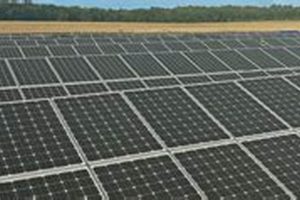
The nation faces an energy crisis marked by aging infrastructure and an over-reliance on coal. This challenge presents a significant opportunity to transition towards sustainable power generation using resources like solar, wind, hydro, and biomass. For example, the vast Karoo region offers ideal conditions for large-scale solar farms, while the consistent coastal winds create potential for wind energy development.
Diversification of energy sources offers numerous advantages, including reduced greenhouse gas emissions, improved air quality, job creation in the renewable energy sector, and enhanced energy security. Historically, the country’s energy landscape has been dominated by coal, but increasing awareness of climate change and the economic viability of cleaner alternatives are driving a shift towards sustainable practices. This transition is vital for long-term economic growth and environmental sustainability.
The following sections will explore the specific renewable energy resources being developed within the country, the challenges faced in implementing these technologies, and the potential for future growth in this critical sector. Further discussion will also address government policies and private sector investments supporting this transformative process.
Tips for Supporting Renewable Energy Development
Promoting sustainable energy practices requires a multifaceted approach involving government policies, private sector investment, and public awareness. The following tips offer practical guidance for supporting this important transition.
Tip 1: Advocate for Supportive Policies: Citizens can engage with local and national government representatives to advocate for policies that incentivize renewable energy development, such as feed-in tariffs, tax breaks for renewable energy installations, and streamlined permitting processes.
Tip 2: Invest in Renewable Energy Projects: Consider investing in renewable energy companies or community solar and wind projects. This direct investment accelerates the growth of the sector and can provide financial returns.
Tip 3: Reduce Energy Consumption: Implementing energy efficiency measures at home and in businesses reduces overall energy demand, making the transition to renewable sources more manageable. This can include using energy-efficient appliances, improving insulation, and adopting smart home technologies.
Tip 4: Support Sustainable Businesses: Patronize businesses that prioritize sustainability and utilize renewable energy. This market-driven approach encourages further adoption of clean energy practices.
Tip 5: Educate and Raise Awareness: Share information about the benefits of renewable energy with friends, family, and colleagues. Increased public awareness creates a stronger demand for sustainable practices.
Tip 6: Explore Rooftop Solar: If feasible, consider installing rooftop solar panels on homes and businesses. This decentralized approach to energy generation empowers individuals and reduces reliance on centralized power plants.
Tip 7: Support Research and Development: Advocate for increased funding for research and development in renewable energy technologies. Technological advancements can further improve the efficiency and affordability of clean energy solutions.
By embracing these strategies, individuals, communities, and businesses can contribute to a more sustainable energy future. These combined efforts can significantly impact the nation’s transition towards cleaner power generation.
The transition to a renewable energy-powered economy presents significant opportunities for economic growth, job creation, and environmental protection. The collective effort of policymakers, businesses, and individuals will determine the speed and success of this crucial transition.
1. Energy Security

Energy security is a critical concern for South Africa, given its historical dependence on coal and the challenges posed by aging infrastructure. The pursuit of renewable energy sources offers a pathway to enhanced energy independence and reliability, reducing vulnerability to price volatility and supply disruptions associated with fossil fuels.
- Diversification of Energy Sources
Relying heavily on a single energy source, such as coal, creates vulnerabilities. Diversifying the energy mix with renewable sources like solar, wind, and hydro enhances energy security by distributing reliance across multiple resources. This reduces the impact of disruptions to any single source.
- Reduced Reliance on Imports
South Africa currently imports a portion of its energy needs. Developing domestic renewable energy resources reduces reliance on imported fossil fuels, mitigating exposure to geopolitical instability and price fluctuations in international markets. This strengthens the nation’s control over its energy supply.
- Decentralized Energy Generation
Renewable energy technologies, particularly rooftop solar and small-scale wind, enable decentralized energy generation. This distributed approach enhances grid resilience by reducing dependence on large, centralized power plants, which are vulnerable to disruptions. Decentralization empowers local communities and strengthens overall energy security.
- Job Creation and Economic Growth
The transition to renewable energy creates new jobs in manufacturing, installation, maintenance, and research. This economic growth strengthens the overall economy, contributing to greater national stability and enhancing the capacity to invest in critical infrastructure, further bolstering energy security.
By strengthening energy security through renewable energy development, South Africa can foster greater economic stability, reduce its carbon footprint, and create a more sustainable and resilient energy future. This transition is not just about environmental benefits; it is a strategic imperative for national prosperity and long-term security.
2. Economic Growth

Renewable energy presents a significant opportunity for economic growth in South Africa. Investment in renewable energy technologies stimulates economic activity across multiple sectors, from manufacturing and installation to maintenance and research. This investment creates jobs, fosters innovation, and attracts foreign capital. For example, the development of large-scale solar farms in the Northern Cape has created thousands of construction and operational jobs, injecting significant investment into the local economy. Similarly, the growing wind energy sector along the coast provides skilled employment opportunities and attracts international investment in manufacturing and technology.
The economic benefits extend beyond direct job creation. Reduced reliance on imported fossil fuels improves the country’s trade balance and frees up capital for investment in other sectors. Lower energy costs associated with renewable sources enhance the competitiveness of South African businesses, attracting further investment and promoting economic diversification. Moreover, the development of a domestic renewable energy industry fosters technological innovation and expertise, creating opportunities for export and positioning South Africa as a leader in the global transition to sustainable energy.
Realizing the full economic potential of renewable energy requires a supportive policy environment, including streamlined permitting processes, stable regulatory frameworks, and incentives for investment. Addressing challenges such as grid infrastructure limitations and skills gaps is crucial for maximizing the economic benefits. By strategically leveraging its abundant renewable resources, South Africa can unlock significant economic growth, create a more sustainable and resilient energy sector, and contribute to a greener future.
3. Climate Change Mitigation

South Africa, as a significant emitter of greenhouse gases, faces substantial environmental and economic risks associated with climate change. Transitioning to renewable energy offers a crucial pathway for mitigating these risks and contributing to global efforts to combat climate change. Renewable energy sources, unlike fossil fuels, produce little to no greenhouse gas emissions during operation, making them essential for decarbonizing the energy sector and reducing the country’s carbon footprint.
- Reduced Greenhouse Gas Emissions
Replacing coal-fired power plants with renewable energy sources significantly reduces carbon dioxide and other greenhouse gas emissions, directly addressing the primary driver of climate change. This shift contributes to national emission reduction targets and aligns with global climate agreements.
- Improved Air Quality
Coal combustion releases pollutants that contribute to respiratory illnesses and other health problems. Transitioning to renewable energy sources like solar and wind improves air quality, leading to public health benefits and reduced healthcare costs. This is particularly relevant in densely populated areas currently impacted by coal-fired power plant emissions.
- Enhanced Environmental Sustainability
Renewable energy sources minimize environmental impacts compared to fossil fuels. They reduce water consumption for cooling, avoid land degradation associated with coal mining, and mitigate the risks of pollution from fuel spills or ash disposal. This contributes to a healthier and more sustainable environment.
- Climate Resilience
Climate change impacts, such as droughts and extreme weather events, pose significant threats to South Africa’s water resources and agricultural sector. Investing in renewable energy diversifies energy sources and strengthens resilience against climate-related disruptions to the energy supply, enhancing overall national security.
By prioritizing renewable energy development, South Africa can effectively mitigate climate change impacts, improve public health, enhance environmental sustainability, and build a more resilient economy. This transition is not only environmentally responsible but also economically advantageous, paving the way for a more sustainable and prosperous future.
4. Job Creation

The burgeoning renewable energy sector in South Africa offers significant potential for job creation across a range of skill levels, from manufacturing and installation to operation and maintenance. This job creation potential addresses a critical socio-economic challenge in the country, providing employment opportunities in both urban and rural areas. The construction of large-scale renewable energy projects, such as wind and solar farms, requires significant labor input, creating jobs for construction workers, electricians, engineers, and other skilled tradespeople. Furthermore, the ongoing operation and maintenance of these facilities create long-term employment opportunities for technicians, engineers, and administrative staff. For instance, the establishment of wind farms in the Eastern Cape has not only generated clean energy but also provided skilled jobs for local communities, contributing to economic development in the region.
Beyond direct employment in renewable energy projects, the sector stimulates job growth in related industries, such as manufacturing of components for wind turbines and solar panels. This localized manufacturing creates further employment opportunities and reduces reliance on imported components, bolstering the domestic economy. Moreover, the growth of the renewable energy sector drives demand for specialized skills and expertise, leading to investment in training and education programs, further enhancing the workforce’s capacity and contributing to long-term economic development. The decentralized nature of some renewable energy technologies, such as rooftop solar installations, creates opportunities for small businesses and entrepreneurs, fostering local economic activity and empowering communities. A specific example can be seen in the growing number of small businesses specializing in the installation and maintenance of rooftop solar photovoltaic systems in residential areas, creating jobs and providing affordable clean energy solutions to households.
Realizing the full job creation potential of the renewable energy sector requires strategic planning and investment in skills development. Addressing existing skills gaps through targeted training programs ensures a qualified workforce capable of meeting the demands of the growing industry. Supportive government policies, such as streamlined permitting processes and incentives for local manufacturing, further enhance the sector’s capacity to create jobs and stimulate economic growth. Furthermore, ensuring equitable access to these employment opportunities for all communities is crucial for maximizing the socio-economic benefits of the renewable energy transition. The continued growth of this sector presents a crucial opportunity for South Africa to address unemployment challenges while simultaneously transitioning towards a more sustainable energy future.
5. Technological Advancement

Technological advancements play a crucial role in driving the growth and adoption of renewable energy in South Africa. Improvements in efficiency, cost reductions, and innovative energy storage solutions are key factors influencing the sector’s development. For example, advancements in photovoltaic technology have led to significant cost reductions in solar panels, making solar energy increasingly competitive with traditional fossil fuels. Similarly, innovations in wind turbine design and manufacturing have increased energy capture efficiency, leading to higher energy yields and improved project viability. The development of advanced energy storage solutions, such as battery storage and pumped hydro, addresses the intermittency challenges associated with renewable energy sources, ensuring a stable and reliable power supply. These technological advancements are essential for integrating renewable energy into the national grid and achieving a secure and sustainable energy mix. A specific example is the deployment of large-scale battery storage systems alongside solar farms, enabling the provision of dispatchable renewable energy and enhancing grid stability.
Continued technological advancements are critical for overcoming existing barriers to wider renewable energy adoption. Research and development efforts focused on improving energy storage capacity, developing smart grid technologies, and enhancing the integration of renewable energy sources into existing infrastructure are essential for achieving a seamless transition to a sustainable energy system. Furthermore, advancements in grid management systems and forecasting technologies enable more effective integration of variable renewable energy sources, optimizing grid performance and minimizing curtailment. The development of local manufacturing capabilities for renewable energy technologies contributes to job creation, skills development, and economic growth within the country. For instance, South Africa’s growing expertise in the manufacturing of wind turbine components has not only created jobs but also reduced reliance on imported technology. Moreover, the development of innovative financing mechanisms and business models accelerates the deployment of renewable energy projects and fosters private sector investment.
The future of renewable energy in South Africa is intrinsically linked to ongoing technological advancements. Continued investment in research, development, and innovation is crucial for driving down costs, improving efficiency, and addressing technical challenges. This commitment to technological advancement will enable the country to harness its abundant renewable resources effectively, achieve its climate change mitigation goals, enhance energy security, and unlock the full economic potential of a sustainable energy future. By embracing and fostering innovation, South Africa can position itself as a leader in the global transition to clean energy and create a more sustainable and prosperous future for its citizens.
Frequently Asked Questions
This section addresses common inquiries regarding the development and implementation of renewable energy within South Africa.
Question 1: What is the current contribution of renewable energy to South Africa’s electricity mix?
While coal remains the dominant source, renewable energy contributions are increasing steadily. The exact percentage fluctuates but is currently in the double digits and projected to grow significantly as new projects come online.
Question 2: What are the primary barriers to wider renewable energy adoption?
Key challenges include grid capacity constraints, upfront investment costs for some technologies, and the intermittency of certain renewable sources like solar and wind. Policy and regulatory frameworks are continuously evolving to address these challenges.
Question 3: How does renewable energy impact job creation in South Africa?
The renewable energy sector creates jobs across various skill levels, from manufacturing and installation to operation and maintenance. Further job growth is expected as the sector expands.
Question 4: What role does government policy play in supporting renewable energy development?
Government policies, such as the Renewable Energy Independent Power Producer Procurement Programme (REIPPPP), are crucial for incentivizing investment, setting targets, and providing a regulatory framework for the sector’s growth.
Question 5: What are the environmental benefits of transitioning to renewable energy?
Renewable energy sources significantly reduce greenhouse gas emissions, improve air quality, and minimize environmental impacts compared to fossil fuels, contributing to a healthier and more sustainable environment.
Question 6: How can individuals and businesses contribute to supporting renewable energy?
Individuals and businesses can support renewable energy by advocating for supportive policies, investing in renewable energy projects, reducing their energy consumption, supporting businesses that use renewable energy, and exploring options like rooftop solar installations.
Addressing these common questions provides a clearer understanding of the opportunities and challenges associated with renewable energy development in South Africa. The transition to a sustainable energy future requires a collective effort from government, industry, and individuals.
For further information and detailed analysis, please continue to the next section.
South Africa and Renewable Energy
This exploration of South Africa and renewable energy has highlighted the crucial role this transition plays in addressing the nation’s energy challenges and unlocking significant economic and environmental benefits. From mitigating climate change and enhancing energy security to stimulating job creation and driving technological advancements, the shift towards renewable sources offers a multifaceted solution for a more sustainable future. The examination of key aspects, such as energy independence, economic growth potential, and the environmental advantages of reduced emissions, underscores the transformative power of renewable energy.
The path forward requires continued commitment to supportive policies, strategic investment in infrastructure and skills development, and ongoing technological innovation. The collaborative efforts of government, industry, and communities will determine the ultimate success of this transition. Embracing the potential of renewable energy is not merely an environmental imperative; it is a strategic investment in South Africa’s long-term prosperity and resilience. The nation’s energy future hinges on the continued pursuit of this transformative pathway.