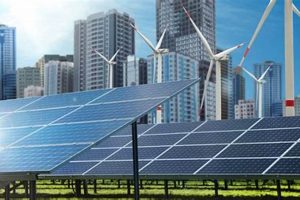
The inquiry into the effectiveness of sustainable power sources examines the ratio of usable energy delivered to the resources required for their operation. For example, comparing the energy output of a solar panel over its lifespan to the energy used in its manufacturing, installation, and maintenance provides a measure of its overall efficacy. This evaluation encompasses factors like land use, resource extraction, and waste generation.
Examining the productivity of sustainable power is critical for a transition to a more environmentally sound energy landscape. Enhanced effectiveness translates to reduced environmental impact, greater resource conservation, and improved economic viability of these technologies. Historically, concerns about the practicality of these power sources have centered on their perceived lower efficiency compared to traditional fossil fuels. However, ongoing technological advancements are steadily improving their performance and cost-competitiveness.
This exploration of the effectiveness of sustainable power naturally leads to deeper discussions on specific technologies, including solar, wind, hydro, and geothermal energy. Further analysis will also cover the role of energy storage solutions, grid integration, and government policies in maximizing the benefits of these resources.
Tips for Maximizing Sustainable Energy Productivity
Optimizing the performance of renewable energy systems is essential for achieving both economic and environmental sustainability. The following tips offer guidance on maximizing the effectiveness of these vital resources.
Tip 1: Optimize Site Selection: Careful consideration of location is paramount. Solar installations benefit from maximal sun exposure, while wind turbines require consistent, unobstructed wind flow. Hydroelectric systems depend on reliable water sources.
Tip 2: Invest in High-Efficiency Technology: Technological advancements continually improve the performance of renewable energy systems. Selecting cutting-edge technologies, though potentially involving higher initial costs, often leads to greater long-term efficiency gains.
Tip 3: Implement Proper Maintenance: Regular maintenance ensures optimal performance and longevity. This includes cleaning solar panels, inspecting turbine blades, and managing vegetation around installations.
Tip 4: Integrate Energy Storage Solutions: Intermittency poses a challenge for some renewable sources. Integrating energy storage solutions, like batteries, allows for consistent power delivery even when the primary source is unavailable.
Tip 5: Prioritize Energy Efficiency Measures: Reducing overall energy consumption minimizes the demand placed on renewable energy systems. Implementing energy-saving practices, such as improved insulation and efficient appliances, enhances the overall effectiveness of sustainable energy strategies.
Tip 6: Support Policy Initiatives: Government policies play a crucial role in driving the adoption and development of renewable energy technologies. Supporting policies that incentivize efficiency improvements and promote research and development can accelerate the transition to a sustainable energy future.
Tip 7: Consider Hybrid Systems: Combining different renewable energy sources, such as solar and wind, can create a more reliable and efficient energy system by compensating for the intermittency of individual sources.
By implementing these strategies, one contributes to a more sustainable and efficient energy landscape. These measures not only maximize the benefits of renewable energy but also contribute to a more resilient and environmentally responsible energy future.
These practical tips provide a foundation for a broader discussion on the future of renewable energy and its crucial role in addressing global energy challenges.
1. Energy Return on Investment

Energy Return on Investment (EROI) is a crucial metric for evaluating the viability and sustainability of any energy source, including renewables. It directly addresses the question of efficiency by quantifying the usable energy delivered relative to the energy invested in its production, operation, and eventual decommissioning. A higher EROI indicates greater efficiency and resource effectiveness.
- Energy Inputs in the Lifecycle:
EROI considers all energy inputs throughout the lifecycle of a renewable energy system. This includes the energy required for resource extraction, manufacturing components (like solar panels or wind turbine blades), transportation, installation, maintenance, and eventual disposal or recycling. For example, the energy used to mine silicon and manufacture a solar panel contributes to its overall energy investment.
- Energy Outputs and Time Horizon:
The energy output of a renewable energy system is measured over its operational lifespan. The time horizon for calculating EROI is critical, as longer lifespans contribute to a higher EROI. A solar panel generating electricity for 25 years will have a higher EROI than one lasting only 15 years, assuming similar energy inputs.
- EROI Variations Across Renewable Technologies:
Different renewable energy technologies exhibit varying EROI values. Hydroelectric dams typically have very high EROIs due to their long lifespans and relatively low operational energy input. Wind energy also generally demonstrates a favorable EROI. Solar photovoltaic systems have seen significant EROI improvements over time due to technological advancements and economies of scale.
- EROI’s Role in Assessing Overall Efficiency:
EROI provides a valuable framework for comparing the efficiency of different energy sources, both renewable and non-renewable. While renewable sources may have lower EROIs than some fossil fuels in certain scenarios, improvements in renewable energy technologies and considerations for lifecycle emissions position them as increasingly efficient and sustainable options.
Understanding EROI is essential for a comprehensive assessment of renewable energy efficiency. By considering the full lifecycle energy balance, EROI provides a clearer picture of the true cost and benefits of different energy sources, informing decisions about resource allocation, technological development, and policy implementation for a sustainable energy future. A higher EROI for renewable energy technologies contributes directly to their increased effectiveness and long-term viability.
2. Lifecycle Emissions

Assessing lifecycle emissions is fundamental to evaluating the true environmental impact and efficiency of renewable energy sources. While operational emissions from renewable energy technologies are generally low or zero, considering emissions generated throughout the entire lifecyclefrom resource extraction and manufacturing to transportation, installation, operation, and decommissioningprovides a more comprehensive understanding of their overall efficiency.
- Embodied Emissions in Manufacturing:
Manufacturing processes for renewable energy technologies, such as producing solar panels, wind turbine components, or hydroelectric dam infrastructure, generate emissions. These embodied emissions vary depending on the materials used, manufacturing location, and energy sources powering the manufacturing process. Minimizing these embodied emissions through optimized manufacturing techniques and the use of cleaner energy sources in production contributes to the overall efficiency of renewable energy.
- Transportation and Installation Impacts:
Transporting components from manufacturing sites to installation locations generates emissions, depending on the distance, mode of transport, and fuel efficiency. The installation process itself may also contribute to emissions, for example, through the use of heavy machinery. Optimizing transportation routes and employing efficient installation methods minimize these emissions, enhancing overall efficiency.
- Operational Emissions and Maintenance:
While renewable energy technologies generally produce minimal operational emissions, some emissions may occur during maintenance activities, such as using cleaning agents or lubricants. Regular and efficient maintenance practices can minimize these emissions, further contributing to the overall effectiveness of renewable energy systems.
- End-of-Life Management and Recycling:
Decommissioning and managing renewable energy systems at the end of their operational life can also generate emissions. Recycling components and minimizing waste reduce the environmental impact and contribute to a circular economy approach, enhancing the overall efficiency and sustainability of renewable energy technologies.
By considering the full spectrum of lifecycle emissions, a more accurate assessment of the true environmental impact of renewable energy is achieved. Minimizing emissions at each stage of the lifecycle is crucial for maximizing the efficiency and sustainability benefits of these technologies. A comprehensive lifecycle analysis facilitates informed decision-making and drives continuous improvement in the environmental performance of renewable energy, contributing to a cleaner and more efficient energy future. This approach allows for comparisons between different renewable energy options and helps identify areas for further development and optimization to enhance overall effectiveness and sustainability.
3. Resource Intensity

Resource intensity plays a critical role in determining the overall efficiency of renewable energy systems. It examines the quantity of materials, land, and other resources required to produce, install, operate, and maintain these systems. A lower resource intensity contributes to greater efficiency and reduces environmental impact. The relationship between resource intensity and renewable energy efficiency is multi-faceted, encompassing both the initial investment of resources and the long-term resource requirements throughout the operational lifespan.
Consider, for example, the production of solar photovoltaic (PV) panels. Manufacturing PV panels requires significant quantities of materials, including silicon, metals, and glass. Reducing the material requirements per unit of energy generated enhances the overall efficiency and sustainability of solar energy. Similarly, wind turbines require substantial amounts of steel, concrete, and rare earth elements. Minimizing the use of these resources through innovative design and manufacturing processes contributes to greater efficiency and reduced environmental footprint. Land use is another key factor. While solar and wind farms require land, careful site selection and optimized layouts can minimize land use impacts and enhance compatibility with other land uses, such as agriculture or grazing. Hydroelectric projects, while generally having lower resource intensity for energy generation, can have significant impacts on water resources and ecosystems, necessitating careful planning and mitigation strategies.
Minimizing resource intensity across the lifecycle of renewable energy systems is crucial for maximizing their overall efficiency and sustainability. This requires a holistic approach that considers material selection, manufacturing processes, system design, land use, and end-of-life management. Technological advancements and ongoing research play a vital role in driving down resource intensity, improving the performance and cost-competitiveness of renewable energy technologies. By reducing the resource burden associated with renewable energy, the transition to a more sustainable and efficient energy future is accelerated. This understanding of resource intensity provides valuable insights for policymakers, industry stakeholders, and researchers, guiding decisions towards optimizing the use of finite resources and maximizing the benefits of renewable energy for a sustainable and prosperous future.
4. Technological Advancements

Technological advancements play a crucial role in enhancing the efficiency of renewable energy systems. Continuous innovation drives improvements in performance, cost-effectiveness, and overall sustainability. Exploring these advancements provides key insights into the evolving landscape of renewable energy and its potential to address global energy challenges.
- Improved Photovoltaic Cell Efficiency:
Advances in photovoltaic cell technology have led to significant gains in efficiency, enabling solar panels to convert a greater percentage of sunlight into electricity. For example, the development of perovskite solar cells and multi-junction solar cells has pushed efficiency boundaries beyond traditional silicon-based cells. These improvements translate to higher energy outputs from smaller areas, reducing land use requirements and overall system costs, directly impacting the effectiveness of solar energy generation.
- Enhanced Wind Turbine Design:
Innovations in wind turbine design, including longer blades, taller towers, and improved aerodynamics, have increased energy capture efficiency. Larger rotor diameters allow turbines to access higher wind speeds and generate more electricity. Advanced control systems optimize turbine operation in varying wind conditions, maximizing energy output and grid stability. These advancements contribute to the cost-competitiveness and overall efficiency of wind energy.
- Advanced Energy Storage Solutions:
The intermittent nature of some renewable energy sources, such as solar and wind, necessitates efficient energy storage solutions. Technological advancements in battery technology, pumped hydro storage, and other storage methods are addressing this challenge. Improved battery energy density, longer lifespans, and reduced costs enhance the reliability and practicality of storing renewable energy for use when generation is low. This progress contributes to the overall efficiency and grid integration of renewable energy systems.
- Smart Grid Technologies:
Smart grid technologies optimize the distribution and management of electricity, integrating renewable energy sources seamlessly into the existing grid infrastructure. Advanced sensors, communication networks, and data analytics enable real-time monitoring and control of energy flow, balancing supply and demand more effectively. Smart grids enhance the stability, reliability, and efficiency of integrating renewable energy, maximizing its contribution to the overall energy mix.
These technological advancements demonstrate the continuous improvement in the efficiency and effectiveness of renewable energy. Ongoing research and development efforts promise further breakthroughs, driving down costs, increasing performance, and enhancing the sustainability of renewable energy technologies. These advancements collectively contribute to a more sustainable and efficient energy landscape, addressing pressing global energy challenges and paving the way for a cleaner energy future. The convergence of these advancements further amplifies the positive impact of renewable energy on overall energy efficiency.
5. Grid Integration

Grid integration is essential for maximizing the efficiency and effectiveness of renewable energy sources. Connecting renewable energy generation to the existing electricity grid allows for widespread distribution and utilization of clean power. However, the intermittent nature of some renewable sources, such as solar and wind, presents unique challenges for grid stability and reliability. Effective grid integration strategies address these challenges and ensure the seamless flow of renewable energy into the power system, thereby enhancing overall energy efficiency.
- Balancing Intermittency:
The fluctuating nature of solar and wind power generation requires sophisticated grid management strategies to balance supply and demand. Predictive modeling and real-time monitoring of weather patterns help anticipate fluctuations in renewable energy output. Energy storage solutions, such as batteries and pumped hydro, play a critical role in smoothing out intermittency, storing excess energy when generation exceeds demand and releasing it when generation is low. This balancing act is crucial for maintaining grid stability and maximizing the efficient use of renewable energy.
- Grid Modernization and Infrastructure:
Integrating large amounts of renewable energy often requires upgrading existing grid infrastructure. This may involve strengthening transmission lines, installing advanced metering systems, and implementing smart grid technologies. Modernizing the grid enhances its capacity to handle the variable nature of renewable energy, minimizing transmission losses and ensuring efficient delivery of clean power to consumers. Investments in grid infrastructure are essential for maximizing the effectiveness of renewable energy integration.
- Demand-Side Management:
Demand-side management (DSM) strategies play a crucial role in balancing the grid with intermittent renewable energy sources. DSM programs incentivize consumers to shift their energy usage to times of high renewable energy generation or low overall demand. This reduces peak demand and minimizes the need for conventional power plants to compensate for fluctuations in renewable energy output. DSM enhances the efficiency of grid integration by aligning energy consumption with renewable energy availability.
- Distributed Generation:
Integrating distributed generation (DG), such as rooftop solar panels, into the grid presents both opportunities and challenges for efficient energy management. DG reduces transmission losses and enhances grid resilience, but also requires sophisticated grid management systems to accommodate the decentralized nature of these resources. Smart inverters and advanced control systems facilitate the seamless integration of DG, maximizing its contribution to overall grid efficiency and stability. Effectively managing distributed generation is crucial for optimizing the performance of renewable energy within the broader electricity system.
Successful grid integration is essential for realizing the full potential of renewable energy and enhancing overall energy efficiency. By addressing the challenges of intermittency, modernizing grid infrastructure, implementing demand-side management strategies, and effectively integrating distributed generation, the transition to a cleaner, more efficient, and sustainable energy future is accelerated. These interconnected facets of grid integration collectively contribute to maximizing the effectiveness of renewable energy in meeting global energy demands.
Frequently Asked Questions
The following questions and answers address common inquiries regarding the efficiency of renewable energy technologies, providing clarity and dispelling misconceptions.
Question 1: How does the efficiency of renewable energy compare to traditional fossil fuels?
Comparing efficiencies requires considering various factors. While fossil fuels boast higher energy conversion rates in power plants, renewable energy sources have minimal operational emissions and decreasing lifecycle impacts due to technological advancements. Evaluating overall efficiency necessitates a comprehensive lifecycle assessment, including resource extraction, manufacturing, operation, and decommissioning, for both renewable and non-renewable energy sources.
Question 2: Do intermittency issues inherent in solar and wind power affect their overall efficiency?
Intermittency does pose a challenge, but advancements in energy storage technologies, such as batteries and pumped hydro, are mitigating this issue. Integrating smart grid technologies and implementing demand-side management strategies further enhance the efficient utilization of intermittent renewable resources, ensuring reliable power delivery.
Question 3: How do land use requirements and resource intensity impact the efficiency of renewable energy?
Land use and resource intensity vary among renewable energy technologies. While solar and wind farms require land, optimized site selection and efficient system design minimize land use impacts. Technological advancements continually reduce the material requirements for renewable energy systems, enhancing their overall efficiency and minimizing environmental footprints.
Question 4: What role do technological advancements play in improving the efficiency of renewable energy systems?
Technological advancements are crucial for driving efficiency improvements. Innovations in photovoltaic cell technology, wind turbine design, energy storage solutions, and smart grid technologies continuously enhance the performance, cost-effectiveness, and overall sustainability of renewable energy systems.
Question 5: How does grid integration influence the efficiency of renewable energy utilization?
Efficient grid integration is essential for maximizing the benefits of renewable energy. Grid modernization, smart grid technologies, and demand-side management strategies facilitate the seamless integration of variable renewable resources, ensuring reliable power delivery and minimizing transmission losses. Effective grid integration optimizes the overall efficiency of the energy system.
Question 6: Are there economic benefits associated with increased efficiency in renewable energy?
Enhanced efficiency in renewable energy systems directly translates to economic benefits. Lower operating costs, reduced reliance on fossil fuels, and job creation within the renewable energy sector contribute to economic growth and stability. Furthermore, increased energy independence and reduced energy imports strengthen national energy security.
Understanding these aspects of renewable energy efficiency empowers informed decision-making and fosters the transition towards a more sustainable energy future. The continuous pursuit of enhanced efficiency in renewable energy systems is paramount for environmental and economic sustainability.
Further exploration of specific renewable energy technologies will provide a deeper understanding of their individual characteristics and contributions to a cleaner energy landscape.
Is Renewable Energy Efficient? A Concluding Perspective
The exploration of renewable energy efficiency reveals a multifaceted landscape. While traditional metrics might suggest lower conversion efficiencies compared to fossil fuels, a comprehensive lifecycle assessment tells a different story. Factors such as minimal operational emissions, decreasing resource intensity driven by technological advancements, and the crucial role of grid integration paint a more complete picture of renewable energy’s true efficiency. The ongoing pursuit of enhanced efficiency in renewable energy systems, from improved photovoltaic cell designs to advanced energy storage solutions, underscores the commitment to maximizing the benefits of these resources.
The question of renewable energy efficiency is not simply a technical one; it is an imperative for a sustainable future. Continued investment in research, development, and deployment of renewable energy technologies is crucial for addressing global energy challenges and mitigating climate change. The transition to a cleaner, more efficient, and sustainable energy landscape hinges on embracing the full potential of renewable energy. The pursuit of efficiency in this domain is not merely a goal; it is a responsibility.