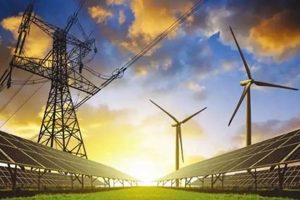
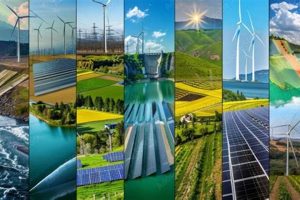
The industries focused on generating power from renewable sources like solar, wind, hydro, geothermal, and biomass constitute a vital part of the global economy. For example, the manufacture of photovoltaic panels, the installation of wind turbines, and the development of geothermal power plants all fall under this umbrella. These industries encompass not only the generation of power but also its transmission, distribution, and storage.
Sustainable power generation is crucial for mitigating climate change by reducing reliance on fossil fuels. It offers significant economic advantages, including job creation in manufacturing, installation, and maintenance. Historically, reliance on fossil fuels has presented challenges related to price volatility and geopolitical instability. The movement toward sustainable alternatives addresses these concerns while offering a path towards energy independence for many nations.
The following sections will delve deeper into specific aspects of renewable energy, examining the latest technological advancements, market trends, and policy landscapes shaping the future of sustainable power.
Tips for Supporting Sustainable Power
Individuals and organizations can contribute to the growth and adoption of renewable energy sources through informed choices and proactive measures.
Tip 1: Invest in Energy-Efficient Appliances: Choosing appliances with high energy efficiency ratings, such as Energy Star certified products, can significantly reduce energy consumption and lower electricity bills.
Tip 2: Explore Residential Solar Installations: Rooftop solar panels offer a viable option for homeowners to generate their own electricity, reducing reliance on the grid and potentially earning credits for excess power fed back into the system.
Tip 3: Support Renewable Energy Policies: Advocating for policies that incentivize renewable energy development and deployment, such as tax credits and renewable portfolio standards, can accelerate the transition to a cleaner energy future.
Tip 4: Consider Green Power Purchasing Options: Many utility companies offer green power programs, allowing consumers to choose electricity generated from renewable sources, even if they cannot install their own generation systems.
Tip 5: Reduce Overall Energy Consumption: Simple measures like turning off lights when leaving a room, using natural light whenever possible, and unplugging electronics when not in use can contribute to substantial energy savings over time.
Tip 6: Support Businesses Committed to Sustainability: Choosing to patronize businesses that prioritize renewable energy and sustainable practices encourages further adoption of environmentally responsible operations.
By implementing these strategies, individuals and organizations can actively contribute to a more sustainable energy landscape, reducing environmental impact and fostering a cleaner future.
These individual actions, combined with larger-scale policy and technological advancements, are essential for achieving a widespread transition to sustainable power generation.
1. Renewable Sources

Renewable sources form the foundation of the clean energy sector. These sources, derived from naturally replenishing resources, offer a sustainable alternative to finite fossil fuels. The connection is fundamental: without harnessing renewable sources like solar, wind, hydro, geothermal, and biomass, the clean energy sector cannot exist. This reliance on naturally replenished resources mitigates the environmental impact associated with conventional energy generation. For example, solar photovoltaic systems convert sunlight directly into electricity, eliminating greenhouse gas emissions during operation. Similarly, wind turbines harness wind energy, providing a clean power source without depleting natural resources. The utilization of these resources is crucial for reducing carbon emissions and combating climate change.
The increasing deployment of renewable sources drives growth and innovation within the clean energy sector. The falling cost of solar and wind technologies has spurred investment and broadened accessibility, leading to large-scale projects such as offshore wind farms and concentrated solar power plants. Furthermore, advancements in energy storage technologies, such as batteries and pumped hydro, address the intermittent nature of some renewable sources, enhancing their reliability and integration into the grid. This continuous development and implementation of renewable energy technologies fosters economic growth by creating jobs and stimulating innovation across related industries.
The future of the clean energy sector hinges on the continued development and integration of renewable sources. Challenges remain, including optimizing energy storage solutions, improving grid infrastructure to accommodate fluctuating renewable energy input, and ensuring equitable access to clean energy technologies. Addressing these challenges through research, policy, and investment will be crucial for achieving a truly sustainable energy future. The transition to a clean energy economy, powered by renewable sources, represents a crucial step towards environmental sustainability and energy security.
2. Technological Innovation

Technological innovation serves as a primary driver of advancements within the clean energy sector. Progress in areas such as materials science, energy storage, and smart grid technologies directly impacts the efficiency, affordability, and reliability of renewable energy systems. For example, the development of more efficient photovoltaic cells has significantly reduced the cost of solar power, making it increasingly competitive with conventional energy sources. Similarly, advancements in battery technology are crucial for addressing the intermittency of renewable sources like solar and wind, enabling greater grid stability and wider adoption. Without continuous technological innovation, the transition to a clean energy future would face significant limitations.
The symbiotic relationship between technological innovation and the clean energy sector extends beyond improving existing technologies. It also encompasses the development of entirely new approaches to energy generation, storage, and distribution. For instance, research into advanced biofuels offers the potential to create sustainable liquid fuels from non-food biomass, reducing reliance on fossil fuels in transportation. Furthermore, innovations in smart grid technologies, such as advanced metering infrastructure and demand-side management systems, enhance grid efficiency, optimize energy consumption, and facilitate the integration of distributed renewable energy resources. These examples illustrate how technological innovation drives not only incremental improvements but also transformative changes within the clean energy landscape.
Continued investment in research and development is essential for fostering ongoing technological innovation within the clean energy sector. Overcoming challenges such as developing cost-effective energy storage solutions, improving the efficiency of renewable energy conversion technologies, and integrating renewable energy into existing grid infrastructure requires sustained commitment to innovation. The pace of technological advancement will significantly influence the speed and scale of the global transition to a clean energy future. Addressing these challenges through targeted research and development efforts will be crucial for unlocking the full potential of renewable energy and achieving a sustainable energy system.
3. Economic growth

Economic growth and the clean energy sector share a mutually reinforcing relationship. Investments in renewable energy technologies, infrastructure development, and manufacturing create jobs across a range of skill levels, from manufacturing and installation to research and development. The expansion of the clean energy sector stimulates economic activity, generating new revenue streams and contributing to overall economic growth. For example, the growth of the solar industry has led to significant job creation in manufacturing, installation, and maintenance, while also driving down the cost of solar energy, making it more accessible to consumers and businesses. Furthermore, investments in energy efficiency measures can reduce energy costs for businesses and households, freeing up capital for other productive uses and stimulating economic activity.
The economic benefits of the clean energy sector extend beyond direct job creation. Transitioning to a cleaner energy system reduces reliance on imported fossil fuels, improving energy security and stabilizing energy prices. This price stability can have positive ripple effects throughout the economy, reducing uncertainty for businesses and consumers. Moreover, the clean energy sector fosters innovation, driving technological advancements that can be applied across various industries. For instance, advancements in battery technology initially developed for renewable energy storage are now finding applications in electric vehicles and other sectors, spurring further economic growth and job creation. These interconnected benefits demonstrate the significant role the clean energy sector plays in driving sustainable economic development.
Realizing the full economic potential of the clean energy sector requires strategic policy frameworks and targeted investments. Supportive government policies, such as tax incentives, renewable portfolio standards, and carbon pricing mechanisms, can create a stable and predictable market environment for clean energy investments. Furthermore, investments in research and development, grid modernization, and workforce training are essential for fostering continued innovation and ensuring a skilled workforce. Addressing these challenges through effective policy and investment strategies will be crucial for unlocking the full economic potential of the clean energy sector and creating a sustainable and prosperous future.
4. Environmental protection

Environmental protection represents a core driver and a key beneficiary of the clean energy sector’s growth. Transitioning from fossil fuel-based energy generation to renewable sources offers significant environmental benefits, mitigating the detrimental impacts of conventional energy production and consumption. This shift addresses pressing environmental challenges, including climate change, air and water pollution, and habitat destruction. Understanding the multifaceted connection between environmental protection and the clean energy sector is crucial for promoting sustainable development.
- Reduced Greenhouse Gas Emissions
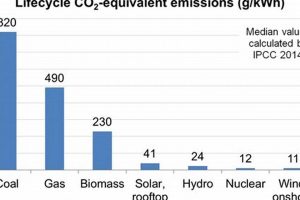
Clean energy technologies, unlike fossil fuel-based power plants, generate electricity with significantly lower greenhouse gas emissions. This reduction in emissions directly addresses climate change, a major threat to global ecosystems and human well-being. For example, replacing coal-fired power plants with solar or wind farms drastically reduces carbon dioxide emissions, mitigating the primary driver of global warming. The displacement of fossil fuels by clean energy sources is essential for achieving climate stabilization goals and preserving a healthy planet.
- Improved Air and Water Quality
Traditional energy production often leads to air and water pollution, impacting human health and ecosystems. Combustion of fossil fuels releases harmful pollutants into the atmosphere, contributing to respiratory illnesses and other health problems. Clean energy technologies, such as solar and wind power, significantly reduce these pollutants, leading to cleaner air and improved public health outcomes. Additionally, clean energy reduces the need for water extraction and consumption associated with traditional power plants, protecting valuable water resources and aquatic ecosystems.
- Reduced Land Degradation and Habitat Loss
Fossil fuel extraction, including coal mining and oil drilling, can cause significant land degradation and habitat destruction. These activities disrupt ecosystems, displace wildlife, and contribute to biodiversity loss. Clean energy technologies, particularly solar and wind power, have a smaller land footprint compared to fossil fuel extraction and power generation, minimizing habitat disruption and preserving biodiversity. Furthermore, clean energy development can often be integrated with existing land uses, such as agricultural land or rooftops, further minimizing environmental impacts.
- Sustainable Resource Management
Clean energy sources, by definition, rely on renewable resources like sunlight, wind, and water. This reliance on naturally replenishing resources promotes sustainable resource management, unlike fossil fuels, which are finite and contribute to resource depletion. The shift to clean energy reduces dependence on extractive industries, minimizing the environmental impacts associated with resource extraction and promoting a more circular economy.
These interconnected environmental benefits highlight the crucial role of the clean energy sector in achieving a sustainable future. By mitigating climate change, improving air and water quality, reducing habitat destruction, and promoting sustainable resource management, the clean energy sector protects ecosystems, safeguards human health, and contributes to a more resilient and sustainable planet. Continued investment in and transition to clean energy technologies are essential for addressing pressing environmental challenges and ensuring a healthy planet for future generations.
5. Energy Independence

Energy independence represents a critical objective for nations seeking to enhance their security, economic stability, and environmental sustainability. The clean energy sector plays a pivotal role in achieving this objective by reducing reliance on imported fossil fuels and fostering self-sufficiency in energy production. This connection between energy independence and the clean energy sector has profound implications for geopolitical stability, economic development, and environmental protection.
- Reduced Reliance on Geopolitical Dynamics
Reliance on imported fossil fuels can create vulnerabilities to geopolitical instability and price volatility. The clean energy sector, by enabling domestic energy production from renewable sources, reduces this dependence on foreign energy supplies, enhancing national energy security and mitigating the risks associated with global energy markets. For example, a nation with significant solar and wind resources can reduce its reliance on imported oil and natural gas, insulating its economy from price fluctuations and supply disruptions. This enhanced energy security strengthens national resilience and reduces vulnerability to external pressures.
- Enhanced Economic Stability and Growth
Investments in the clean energy sector contribute to economic growth by creating jobs, stimulating innovation, and reducing energy costs. Developing domestic clean energy resources creates new industries and employment opportunities in manufacturing, installation, maintenance, and research. Reduced reliance on imported fuels also improves the balance of trade and strengthens domestic economies. Furthermore, stable and predictable energy prices associated with domestic clean energy production provide a more favorable environment for business investment and long-term economic planning. This economic stability strengthens national economies and enhances their ability to withstand external economic shocks.
- Decentralized Energy Production
Clean energy technologies, such as rooftop solar panels and small-scale wind turbines, facilitate decentralized energy production, empowering individuals and communities to generate their own power. This distributed generation model enhances energy independence by reducing reliance on centralized power plants and large-scale transmission infrastructure. Decentralized energy systems are more resilient to disruptions, as they are less vulnerable to large-scale outages caused by natural disasters or other events. This resilience strengthens community energy security and promotes greater self-sufficiency.
- Technological Leadership and Innovation
The clean energy sector drives technological innovation, creating opportunities for nations to become leaders in the development and deployment of clean energy technologies. This leadership position can translate into economic advantages, including the creation of high-skilled jobs, export opportunities, and increased competitiveness in global markets. Furthermore, technological advancements in the clean energy sector often have spillover effects in other industries, driving further innovation and economic growth. This innovation fosters economic development and enhances national competitiveness in the global marketplace.
These interconnected facets of energy independence highlight the crucial role of the clean energy sector in strengthening national security, promoting economic stability, and enhancing environmental sustainability. By reducing reliance on imported fossil fuels, fostering domestic job creation, and driving technological innovation, the clean energy sector empowers nations to control their energy future and build a more secure, prosperous, and sustainable world. The transition to a clean energy economy represents not only an environmental imperative but also a strategic investment in national security and long-term economic prosperity.
6. Infrastructure Development
Infrastructure development is inextricably linked to the growth and success of the clean energy sector. Modernizing and expanding existing infrastructure, as well as building new infrastructure specifically designed for clean energy technologies, is essential for efficiently harnessing, transmitting, and distributing renewable energy. This infrastructure encompasses a range of interconnected components, each playing a critical role in enabling the transition to a clean energy future.
- Grid Modernization
Existing power grids, primarily designed for centralized fossil fuel-based power plants, often require significant upgrades to accommodate the unique characteristics of renewable energy sources. Grid modernization efforts include integrating advanced technologies like smart grids, which utilize real-time data and automation to optimize energy flow and manage the intermittency of renewable sources like solar and wind. Investments in grid modernization are essential for ensuring the reliable and efficient delivery of clean energy to consumers.
- Transmission and Distribution Networks
Efficient transmission and distribution networks are vital for transporting clean energy from generation sources, often located in remote areas, to population centers. This requires expanding existing transmission lines and building new high-voltage direct current (HVDC) lines capable of transmitting large amounts of electricity over long distances with minimal losses. Upgrading and expanding these networks is crucial for maximizing the reach and impact of clean energy projects.
- Energy Storage Facilities
Energy storage plays a critical role in addressing the intermittency of renewable energy sources. Developing and deploying large-scale energy storage solutions, such as pumped hydro storage, batteries, and compressed air energy storage, allows excess renewable energy generated during peak periods to be stored and released when demand is high or renewable generation is low. These storage facilities enhance grid stability and enable greater reliance on intermittent renewable sources.
- Charging Infrastructure for Electric Vehicles
The transportation sector represents a significant source of greenhouse gas emissions. Expanding the infrastructure for electric vehicles (EVs), including installing charging stations in public spaces, workplaces, and residential areas, is essential for supporting the adoption of EVs and reducing emissions from transportation. This infrastructure development is crucial for decarbonizing the transportation sector and integrating renewable energy into transportation systems.
These interconnected infrastructure components are essential for unlocking the full potential of the clean energy sector. Strategic investments in grid modernization, transmission and distribution networks, energy storage facilities, and EV charging infrastructure are crucial for enabling the widespread adoption of renewable energy technologies, reducing reliance on fossil fuels, and achieving a sustainable energy future. The development of robust and adaptable energy infrastructure is not merely a supporting element but a fundamental requirement for the successful transition to a clean energy economy.
7. Policy and regulation

Government policies and regulations play a crucial role in shaping the development and deployment of clean energy technologies. Effective policies create a stable and predictable market environment that encourages investment in renewable energy projects, fosters innovation, and drives down costs. Conversely, inconsistent or poorly designed policies can hinder the growth of the clean energy sector and impede the transition to a sustainable energy future. The relationship between policy and the clean energy sector is multifaceted, encompassing various policy instruments and regulatory mechanisms.
Several policy instruments have proven effective in promoting clean energy adoption. Renewable portfolio standards (RPS) require electricity providers to source a certain percentage of their electricity from renewable sources, creating demand and stimulating investment in renewable energy projects. Tax incentives, such as investment tax credits and production tax credits, reduce the cost of clean energy technologies, making them more competitive with conventional energy sources. Carbon pricing mechanisms, including carbon taxes and cap-and-trade systems, internalize the environmental costs of fossil fuels, incentivizing the shift to cleaner alternatives. Feed-in tariffs guarantee a fixed price for renewable energy fed into the grid, providing price stability and encouraging investment. Each of these policy instruments has demonstrable impacts on the clean energy sector, influencing investment decisions, technological development, and market growth. For instance, Germany’s feed-in tariffs played a significant role in the rapid growth of its solar industry, while the U.S. investment tax credit has spurred significant growth in wind and solar capacity. Conversely, the repeal of renewable energy targets in some regions has led to a decline in investment and slowed the growth of the clean energy sector. These real-world examples illustrate the tangible impact of policy decisions on the clean energy landscape.
Effective policy and regulatory frameworks are essential for achieving a sustainable energy future. Clear, consistent, and long-term policies provide investors with the certainty they need to commit to clean energy projects, driving down costs and accelerating the deployment of renewable energy technologies. Furthermore, regulations that streamline permitting processes, ensure grid access for renewable energy projects, and promote energy efficiency can further accelerate the transition to a clean energy economy. The complexities of the energy sector require carefully crafted policies that address technical, economic, and environmental considerations. Understanding the interplay between policy, regulation, and market dynamics is crucial for designing effective strategies that promote sustainable energy development and achieve a clean energy future. Addressing challenges such as ensuring equitable access to clean energy, managing the transition away from fossil fuels, and fostering international cooperation on climate change mitigation requires coordinated policy efforts at local, national, and international levels. The future of the clean energy sector, and indeed the future of the planet, depends on the development and implementation of sound policies that promote the sustainable development and widespread adoption of clean energy technologies.
Frequently Asked Questions
This section addresses common inquiries regarding the transition to a cleaner energy landscape.
Question 1: What are the primary obstacles hindering more rapid growth within this transformative sector?
Several factors influence the pace of growth, including upfront investment costs for renewable energy projects, the need for grid modernization to accommodate intermittent renewable sources, and policy and regulatory landscapes that vary across jurisdictions. Addressing these challenges requires a combination of technological advancements, supportive policies, and public awareness.
Question 2: How does this sector create economic opportunities?
Growth in renewable energy creates jobs in manufacturing, installation, maintenance, and research. Furthermore, it stimulates supply chains and drives innovation in related industries, contributing to broader economic development.
Question 3: What role does technological innovation play?
Technological advancements are essential for improving the efficiency and affordability of renewable energy technologies, developing energy storage solutions, and modernizing grid infrastructure. Continuous innovation is crucial for driving down costs and expanding access to clean energy.
Question 4: How does the transition impact energy security and independence?
By diversifying energy sources and reducing reliance on imported fossil fuels, the transition enhances energy security and independence, mitigating vulnerabilities to price volatility and geopolitical instability.
Question 5: What are the environmental benefits?
Reduced greenhouse gas emissions, improved air and water quality, and decreased reliance on extractive industries are key environmental benefits associated with the transition to cleaner energy sources. These benefits contribute to mitigating climate change and protecting ecosystems.
Question 6: How can individuals contribute to this transformative process?
Individuals can support the transition through various actions, including investing in energy-efficient appliances, exploring residential solar installations, supporting policies that incentivize renewable energy development, and making conscious choices to reduce overall energy consumption.
The transition to a cleaner energy system requires a multifaceted approach involving technological advancements, policy support, private sector investment, and public engagement. Understanding the complexities and opportunities within this dynamic sector is crucial for navigating the path towards a sustainable energy future.
For further exploration, the subsequent sections will delve into specific clean energy technologies and their respective contributions to the overall energy landscape.
Conclusion
This exploration has highlighted the multifaceted nature of the clean energy sector, encompassing technological advancements, economic opportunities, environmental benefits, and policy considerations. From reducing greenhouse gas emissions and enhancing energy independence to stimulating economic growth and fostering innovation, the transition to cleaner energy sources offers significant potential for a sustainable future. Key aspects examined include the role of renewable energy technologies, such as solar, wind, hydro, and geothermal, in diversifying energy portfolios and reducing reliance on fossil fuels. Furthermore, the importance of grid modernization, energy storage solutions, and supportive policies in enabling the efficient integration of renewable energy sources has been underscored. The economic implications of this transition, including job creation, new market opportunities, and enhanced competitiveness, have also been considered.
The transition to a clean energy economy represents not merely a technological shift but a fundamental transformation with profound implications for global sustainability and prosperity. Continued investment in research and development, coupled with supportive policies and public awareness, is crucial for accelerating the pace of innovation and deployment. The clean energy sector stands poised to reshape the global energy landscape, offering a pathway towards a more secure, sustainable, and prosperous future. The choices made today will determine the energy landscape of tomorrow and the well-being of generations to come.