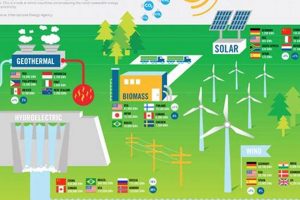
The declining price of generating power from sources like solar, wind, and geothermal has become a significant trend in the global energy sector. For example, solar photovoltaic module prices have decreased by over 80% in the last decade, making solar power competitive with, and often cheaper than, fossil fuel-based electricity generation in many regions.
This price reduction has profound implications for energy access, climate change mitigation, and economic development. Lower prices stimulate wider adoption of these technologies, leading to reduced greenhouse gas emissions, increased energy independence, and the creation of new jobs in the renewable energy sector. The historical context involves technological advancements, economies of scale in manufacturing, and supportive government policies that have all contributed to this downward price trajectory.
This phenomenon has spurred significant interest in the future of energy systems, prompting further investigation into grid integration, energy storage solutions, and the evolving role of renewable energy sources within the broader energy landscape.
Tips for Capitalizing on Declining Renewable Energy Prices
The decreasing cost of renewable energy presents significant opportunities for individuals, businesses, and governments. Capitalizing on these opportunities requires careful consideration and strategic planning.
Tip 1: Explore Residential Solar Installations: Homeowners can benefit directly from lower solar panel prices by installing rooftop photovoltaic systems. Evaluating energy consumption patterns and available roof space is crucial for maximizing return on investment.
Tip 2: Investigate Community Solar Projects: Participating in community solar projects allows individuals and businesses to access solar power even without suitable roof space or upfront capital investment.
Tip 3: Consider Renewable Energy Options for Businesses: Businesses can reduce operating costs and enhance their sustainability profile by incorporating renewable energy sources into their operations. This can involve on-site installations or purchasing renewable energy credits.
Tip 4: Advocate for Supportive Policies: Continued policy support is essential for sustained growth in the renewable energy sector. Engaging with local and national policymakers can help ensure ongoing incentives and favorable regulations.
Tip 5: Research Investment Opportunities in Renewable Energy Companies: The declining cost of renewable energy technologies has created attractive investment opportunities in companies developing, manufacturing, and deploying these technologies.
Tip 6: Stay Informed About Technological Advancements: The renewable energy landscape is constantly evolving. Staying informed about new technologies and cost reductions can help individuals and organizations make informed decisions.
By understanding the dynamics of the renewable energy market and taking proactive steps, stakeholders can harness the economic and environmental benefits of this transformative trend.
These considerations provide a foundation for understanding the broader implications of decreasing renewable energy costs and their potential to reshape the energy landscape.
1. Technological Advancements

Technological advancements are a primary driver of declining renewable energy costs. Improvements in materials science, manufacturing processes, and energy conversion technologies have significantly increased the efficiency and performance of renewable energy systems. For example, advancements in photovoltaic cell technology have led to higher solar panel efficiency rates, allowing more electricity generation from smaller surface areas. Similarly, innovations in wind turbine design, such as larger rotor diameters and improved blade aerodynamics, have increased energy capture and reduced the cost of wind power. These technological leaps directly translate to lower costs per unit of energy generated, making renewable energy increasingly competitive with conventional fossil fuels.
The development of more sophisticated power electronics and grid integration technologies further enhances the cost-effectiveness of renewable energy. Advanced inverters and grid management systems optimize energy flow and minimize transmission losses, maximizing the value of renewable energy generation. Furthermore, innovations in energy storage technologies, such as improved battery chemistries and pumped hydro storage, address the intermittency challenges associated with renewable sources, enhancing their reliability and grid stability. These advancements contribute to the overall decline in the levelized cost of electricity from renewable sources.
The continuous pursuit of technological innovation remains critical for the ongoing cost reduction trajectory of renewable energy. Research and development efforts focused on next-generation materials, advanced manufacturing techniques, and improved energy storage solutions are essential for unlocking further cost reductions and accelerating the global transition to a sustainable energy future. Continued investment in these areas will play a crucial role in achieving widespread adoption of renewable energy and mitigating the impacts of climate change. Addressing challenges related to material scarcity, recycling processes, and environmental impacts of new technologies remains a critical focus alongside performance improvements.
2. Economies of Scale
Economies of scale play a crucial role in the declining cost of renewable energy technologies. As production volumes increase, manufacturing costs per unit decrease. This principle applies significantly to renewable energy technologies like solar photovoltaics and wind turbines. Larger manufacturing facilities, automated production processes, and bulk material purchasing contribute to lower production costs. The resulting cost reductions translate directly into lower prices for consumers, making renewable energy increasingly competitive with conventional energy sources. For instance, the dramatic increase in global solar panel production over the past two decades has driven down manufacturing costs, making solar power more affordable for a wider range of consumers and businesses.
The impact of economies of scale extends beyond manufacturing. Larger-scale deployment of renewable energy projects also benefits from economies of scale. Larger projects can negotiate better financing terms, utilize more specialized equipment, and optimize resource allocation more effectively than smaller projects. This translates to lower overall project costs and further reduces the levelized cost of electricity. For example, large-scale offshore wind farms benefit from economies of scale in installation, maintenance, and grid connection, leading to lower energy prices compared to smaller, dispersed wind projects. This principle underscores the importance of supportive policies and regulatory frameworks that encourage large-scale renewable energy deployment to maximize cost reduction benefits.
Understanding the relationship between economies of scale and the falling cost of renewable energy is crucial for policymakers, investors, and industry stakeholders. Policies that incentivize larger-scale manufacturing and deployment can accelerate the cost reduction trajectory of renewable energy technologies. Furthermore, recognizing the role of economies of scale can inform investment decisions, directing capital towards projects and technologies that are best positioned to benefit from these cost advantages. This understanding is essential for achieving a sustainable energy future by accelerating the transition to affordable and clean energy sources. Further research and development focused on optimizing manufacturing processes and project deployment strategies will continue to unlock further cost reductions, making renewable energy increasingly accessible and competitive in the global energy market.
3. Supportive Government Policies

Supportive government policies play a critical role in accelerating the decline of renewable energy costs. These policies create favorable market conditions that incentivize investment, innovation, and deployment of renewable energy technologies. Several policy mechanisms contribute to this effect, including financial incentives like tax credits and rebates, renewable portfolio standards (RPS) that mandate a certain percentage of electricity generation from renewable sources, feed-in tariffs that guarantee fixed prices for renewable energy fed into the grid, and government-funded research and development programs that drive technological advancements. The impact of these policies is evident in regions with strong support for renewable energy, where deployment rates and cost reductions have significantly outpaced regions with less supportive policies. For example, Germany’s early adoption of feed-in tariffs significantly stimulated the growth of its solar photovoltaic industry, leading to substantial cost reductions and widespread adoption of solar power.
The effectiveness of supportive government policies stems from their ability to address market barriers and create a stable investment environment. Financial incentives directly reduce the upfront cost of renewable energy technologies, making them more attractive to consumers and businesses. RPS mechanisms create consistent demand for renewable energy, encouraging further investment in generation capacity. Feed-in tariffs provide price certainty for renewable energy producers, mitigating investment risk and facilitating project financing. Government-funded research and development efforts accelerate technological innovation, driving down costs and improving the performance of renewable energy technologies. The combined effect of these policies creates a positive feedback loop, where increased deployment leads to further cost reductions through economies of scale and learning-by-doing effects. This, in turn, makes renewable energy even more competitive, stimulating further deployment and investment.
Understanding the crucial role of supportive government policies is essential for policymakers seeking to accelerate the transition to a sustainable energy future. Well-designed policies can effectively leverage market forces to drive down the cost of renewable energy, making it increasingly accessible and competitive with conventional energy sources. However, policy design requires careful consideration of local context, grid infrastructure limitations, and potential unintended consequences. Long-term policy stability and consistency are crucial for creating a predictable investment environment and fostering sustained growth in the renewable energy sector. Continued evaluation and adaptation of policies based on market dynamics and technological advancements are essential for maximizing their effectiveness in driving down costs and achieving climate goals. Further research and analysis are needed to refine policy mechanisms and ensure their optimal effectiveness in driving the transition to a clean energy future.
4. Increased Competition

Increased competition within the renewable energy sector serves as a significant catalyst for falling costs. As more companies enter the market and existing players strive to maintain market share, competitive pressures drive innovation and efficiency, ultimately benefiting consumers through lower prices. This dynamic creates a virtuous cycle where increased competition fosters continuous improvement and cost reduction.
- Market Entry of New Players
The renewable energy market has witnessed a surge in new entrants, from startups specializing in niche technologies to established corporations diversifying their portfolios. This influx of new players intensifies competition, challenging incumbents to lower prices and improve their offerings. For example, the entry of numerous Chinese solar panel manufacturers into the global market significantly increased competition and contributed to a dramatic decline in solar panel prices.
- Technological Innovation and Differentiation
Competition compels companies to invest in research and development, leading to technological advancements that drive down costs and improve product performance. Companies strive to differentiate themselves by offering more efficient solar panels, more powerful wind turbines, or innovative energy storage solutions. This constant drive for innovation translates directly into lower costs for consumers and accelerates the overall decline in renewable energy prices. The development of higher-efficiency solar cells, for example, has been driven by intense competition among manufacturers.
- Supply Chain Optimization and Cost Reduction
Competitive pressures force companies to optimize their supply chains and reduce manufacturing costs. This includes streamlining production processes, sourcing materials more efficiently, and leveraging economies of scale. For instance, wind turbine manufacturers have optimized blade designs and manufacturing processes to reduce material usage and production time, resulting in lower turbine costs. These cost savings are ultimately passed on to consumers through lower energy prices.
- Price Transparency and Consumer Choice
Increased competition enhances price transparency and empowers consumers with greater choice. The availability of multiple suppliers and diverse product offerings allows consumers to compare prices and select the most cost-effective solutions. This consumer-driven pressure further incentivizes companies to lower prices and offer competitive products. Online marketplaces and comparison tools have facilitated greater price transparency in the solar panel market, for example, empowering consumers and driving competition.
The interplay of these competitive forces creates a dynamic market environment that consistently drives down the cost of renewable energy. This trend benefits not only individual consumers but also businesses and governments seeking to transition to cleaner and more affordable energy sources. As competition continues to intensify, further cost reductions can be expected, accelerating the global shift towards renewable energy and contributing to a more sustainable energy future. This ongoing process highlights the importance of fostering a competitive market environment to maximize the benefits of renewable energy technologies.
5. Decreased Material Costs

Declining material costs represent a significant contributing factor to the falling cost of renewable energy. The price of raw materials used in the manufacturing of renewable energy technologies, such as silicon for solar panels, steel for wind turbines, and rare earth minerals for magnets, directly impacts the final cost of these technologies. Examining the key factors influencing these cost reductions provides valuable insight into the overall trend of falling renewable energy prices.
- Technological Advancements in Material Science
Advancements in material science have led to the development of new materials and manufacturing processes that require fewer raw materials or utilize less expensive alternatives. For example, the development of thin-film solar panels requires significantly less silicon than traditional crystalline silicon panels, reducing material costs and contributing to lower overall panel prices. Similarly, research into alternative materials for wind turbine blades, such as composite materials made from recycled plastics, aims to reduce reliance on traditional materials and lower manufacturing costs.
- Improved Manufacturing Processes and Efficiency
Improved manufacturing processes and increased automation have also contributed to lower material costs. Optimized production techniques minimize material waste and reduce the amount of raw material needed per unit of output. For instance, advancements in precision cutting and welding techniques for wind turbine components reduce material waste and improve manufacturing efficiency, translating to lower overall costs. Automated production lines for solar panels also minimize material handling and reduce the risk of damage, further contributing to cost savings.
- Economies of Scale in Material Sourcing and Production
Economies of scale play a significant role in reducing material costs. Larger-scale production and bulk purchasing of raw materials allow manufacturers to negotiate lower prices from suppliers. This cost advantage is then passed on to consumers through lower product prices. For example, the increasing global demand for solar panels has led to larger-scale production of silicon and other raw materials, driving down their prices and contributing to the falling cost of solar energy.
- Recycling and Reuse of Materials
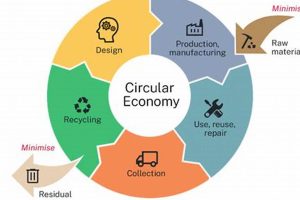
Increased focus on recycling and reuse of materials in renewable energy technologies contributes to lower material costs and reduces environmental impact. Recycling programs for solar panels and wind turbine blades recover valuable materials, such as silicon, steel, and fiberglass, which can be reused in the manufacturing process. This reduces the need for virgin materials and lowers overall production costs. For example, initiatives to recycle wind turbine blades and recover composite materials for reuse in other applications are gaining traction, contributing to a more circular economy and lower material costs.
These factors, combined with ongoing research and development efforts in material science and manufacturing technologies, contribute significantly to the ongoing decline in material costs for renewable energy technologies. Lower material costs translate directly into lower prices for consumers, making renewable energy increasingly competitive with conventional energy sources and accelerating the global transition to a sustainable energy future. This trend reinforces the importance of continued investment in material science research and sustainable manufacturing practices to further drive down costs and expand the accessibility of renewable energy.
Frequently Asked Questions
This section addresses common inquiries regarding the declining cost of renewable energy technologies.
Question 1: What are the primary drivers of declining renewable energy costs?
Several factors contribute, including technological advancements, economies of scale in manufacturing and deployment, supportive government policies, increased market competition, and decreased material costs. These factors work in concert to reduce the overall cost of generating electricity from renewable sources.
Question 2: How do falling renewable energy costs benefit consumers?
Lower costs translate to reduced electricity bills for consumers who utilize renewable energy sources. This can involve direct ownership of renewable energy systems, participation in community solar projects, or purchasing electricity from renewable energy providers. Businesses also benefit from reduced operating costs through the adoption of renewable energy.
Question 3: Are renewable energy sources now always cheaper than fossil fuels?
While renewable energy has become cost-competitive with fossil fuels in many regions, the specific cost comparison depends on several factors, including geographic location, resource availability, policy landscape, and grid infrastructure. In some areas, renewable energy is now the cheapest source of electricity generation, while in others, fossil fuels may still hold a cost advantage. However, the long-term trend continues to favor renewable energy as costs continue to decline.
Question 4: What role do government policies play in driving down renewable energy costs?
Government policies, such as tax incentives, subsidies, renewable portfolio standards, and feed-in tariffs, create a favorable market environment for renewable energy. These policies incentivize investment, research and development, and deployment, accelerating cost reductions and market adoption of renewable energy technologies.
Question 5: How does the falling cost of renewable energy impact the fight against climate change?
The declining cost of renewable energy makes it increasingly economically viable to replace fossil fuel-based power generation with cleaner renewable sources. This transition reduces greenhouse gas emissions, mitigating the impacts of climate change and promoting a more sustainable energy future.
Question 6: What are the future prospects for renewable energy cost reductions?
Continued technological advancements, economies of scale, and supportive policies are expected to drive further cost reductions in renewable energy. Innovations in areas such as energy storage, grid integration, and next-generation materials will likely contribute to even lower costs in the future, further accelerating the global transition to renewable energy.
Understanding these key aspects of declining renewable energy costs provides valuable insights for individuals, businesses, and policymakers seeking to navigate the evolving energy landscape and contribute to a sustainable future.
For further information on specific renewable energy technologies and their associated cost trends, please consult the following resources
Falling Cost of Renewable Energy
The declining cost of renewable energy technologies represents a fundamental shift in the global energy landscape. This analysis has explored the key drivers of this trend, including technological advancements, economies of scale, supportive government policies, increased market competition, and decreased material costs. These factors have converged to make renewable energy increasingly cost-competitive with conventional fossil fuels, paving the way for a cleaner and more sustainable energy future. The exploration of specific benefits, such as reduced electricity costs for consumers and businesses, alongside the positive impacts on climate change mitigation, underscores the significance of this ongoing transformation.
The continued decline in renewable energy costs holds profound implications for the future of energy production and consumption. This trend presents a compelling opportunity to accelerate the global transition to a cleaner, more resilient, and affordable energy system. Sustained investment in research and development, supportive policy frameworks, and proactive consumer engagement will be crucial to fully realizing the transformative potential of this ongoing revolution in the energy sector.