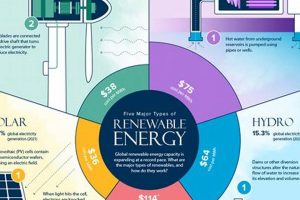
While often used interchangeably, “clean” and “renewable” energy sources represent distinct concepts. Renewable energy refers to sources that are naturally replenished over a relatively short period, such as solar, wind, hydro, geothermal, and biomass. Clean energy, however, encompasses any energy source that does not release pollutants into the atmosphere. This includes renewable sources but can also encompass certain non-renewable resources like nuclear power, which doesn’t produce greenhouse gases during operation.
Understanding this distinction is crucial for effective policymaking and investment in the energy sector. Transitioning towards sustainable energy systems requires not only adopting sources that replenish naturally but also minimizing the environmental impact of energy production. Historically, reliance on fossil fuels has led to significant pollution and climate change concerns, driving the need for cleaner alternatives. The increasing focus on decarbonization underscores the importance of both clean and renewable energy in mitigating these challenges.
Exploring the specific attributes, advantages, and challenges associated with various energy sources provides a clearer picture of the future energy landscape. Subsequent sections will delve deeper into the characteristics of individual renewable and clean energy technologies, examining their roles in achieving a sustainable energy future.
Tips for Understanding Clean and Renewable Energy
Distinguishing between clean and renewable energy is crucial for informed decision-making regarding sustainable practices. The following tips provide practical guidance for navigating the complexities of these energy sources.
Tip 1: Recognize the Broad Scope of Clean Energy: Clean energy encompasses all energy sources that minimize environmental impact, including renewables and some non-renewables like nuclear power.
Tip 2: Understand the Renewability Criterion: Renewable energy sources are naturally replenished within a human timescale. Examples include solar, wind, hydro, geothermal, and biomass.
Tip 3: Consider the Full Lifecycle Impact: Evaluating the environmental impact of any energy source requires considering its entire lifecycle, from resource extraction and production to operation and decommissioning.
Tip 4: Acknowledge Regional Variations: The availability and suitability of different renewable energy sources vary geographically. Wind energy may be ideal in coastal areas, while solar thrives in sunny regions.
Tip 5: Research Technological Advancements: The energy landscape is constantly evolving. Staying informed about advancements in both renewable and clean energy technologies is essential for understanding their potential.
Tip 6: Evaluate Policy and Economic Factors: Government policies and economic incentives play a significant role in the adoption and development of clean and renewable energy technologies. Understanding these factors is crucial for assessing market trends and investment opportunities.
By understanding these distinctions, individuals and organizations can make informed decisions about energy consumption and investments, contributing to a more sustainable future.
Ultimately, transitioning towards a sustainable energy future requires a comprehensive approach encompassing both clean and renewable energy sources. The following section will explore the challenges and opportunities associated with this transition.
1. Source Replenishment

Source replenishment stands as a cornerstone of the distinction between clean and renewable energy. Renewable energy sources are defined by their capacity for natural replenishment within a human timescale. Solar radiation, wind patterns, and water cycles continuously renew the resources driving these energy forms. This inherent replenishment contrasts sharply with non-renewable sources like fossil fuels, which are finite and deplete over time. Clean energy, while encompassing renewable sources, may also include non-renewable options like nuclear power. Therefore, source replenishment serves as a primary differentiator, highlighting the sustainability of renewable energy over its non-renewable counterparts. For example, a solar panel harnesses readily available sunlight, a resource constantly replenished, unlike coal extracted from a finite reserve. This difference underscores the long-term viability of renewable energy sources in meeting future energy demands.
The rate of replenishment is a critical factor influencing the practical application of renewable energy technologies. While solar energy replenishes constantly, hydropower relies on seasonal rainfall patterns, impacting energy generation capacity. Understanding these variations is essential for integrating renewable sources effectively into existing energy grids. Furthermore, technological advancements aim to enhance energy storage capabilities, mitigating the intermittency challenges associated with some renewable resources. For instance, advancements in battery technology improve the storage of solar energy, allowing for continuous power supply even during periods without sunlight. Such innovations are pivotal in maximizing the benefits of renewable energy sources.
In conclusion, source replenishment constitutes a crucial element in differentiating between clean and renewable energy sources. The continuous regeneration of renewable resources ensures their long-term sustainability, playing a critical role in mitigating resource depletion and promoting energy independence. While challenges remain in managing the intermittency and storage of certain renewable sources, ongoing technological advancements address these limitations, paving the way for a future powered by sustainable and readily available energy resources.
2. Pollution Emission

Pollution emission serves as a critical differentiator between clean and renewable energy sources. While all energy generation processes have some environmental impact, the type and extent of pollution emitted vary significantly. Renewable energy sources generally produce minimal pollution during operation. Solar and wind power, for instance, generate electricity without directly emitting greenhouse gases or harmful air pollutants. This characteristic contrasts sharply with fossil fuels, which release substantial amounts of carbon dioxide, sulfur oxides, and nitrogen oxides into the atmosphere during combustion. These emissions contribute significantly to air pollution, climate change, and other environmental problems. Nuclear power, while classified as clean energy due to its lack of greenhouse gas emissions during operation, presents unique challenges related to radioactive waste disposal.
Examining the lifecycle emissions of different energy sources provides a more comprehensive understanding of their environmental impact. While renewable energy sources typically exhibit low operational emissions, the manufacturing and transportation of components, as well as end-of-life disposal, can generate some pollution. However, lifecycle assessments consistently demonstrate the significantly lower overall emissions of renewable energy sources compared to fossil fuels. For example, a solar panel’s manufacturing process requires energy and materials, but over its operational lifespan, it offsets a far greater amount of greenhouse gas emissions that would have been produced by fossil fuel-based electricity generation. Furthermore, advancements in recycling and sustainable manufacturing processes are continuously reducing the environmental footprint of renewable energy technologies.
Minimizing pollution from energy generation is essential for mitigating climate change and protecting public health. The transition to clean energy sources represents a critical step in reducing harmful emissions. Understanding the pollution profiles of various energy sources informs policy decisions, investment strategies, and consumer choices. This understanding empowers stakeholders to support the development and adoption of energy technologies that minimize environmental harm and contribute to a more sustainable future. While challenges remain in addressing the lifecycle emissions of all energy sources, the significantly lower pollution profile of renewable energy positions it as a cornerstone of a cleaner and more sustainable energy future.
3. Resource Availability

Resource availability plays a crucial role in distinguishing between clean and renewable energy sources and significantly impacts their practical application and long-term viability. While renewable energy sources are inherently replenishable, their actual availability varies considerably based on geographical location, technological advancements, and infrastructure development. This section explores the multifaceted aspects of resource availability and its implications for the clean energy transition.
- Geographical Distribution
The distribution of renewable energy resources is geographically uneven. Solar energy is abundant in regions with high solar irradiance, while wind energy potential is concentrated in coastal areas and mountainous regions. Hydropower relies on consistent water flow, and geothermal energy is accessible in areas with significant geothermal activity. This uneven distribution necessitates careful regional planning and resource assessment to optimize the deployment of different renewable energy technologies. For example, harnessing solar energy in the Sahara Desert requires substantial investment in transmission infrastructure to deliver electricity to populated areas.
- Technological Advancements
Technological progress influences the accessibility and usability of renewable resources. Advancements in wind turbine technology, for instance, allow for energy extraction at lower wind speeds and in more diverse locations. Similarly, improvements in photovoltaic cell efficiency and energy storage solutions enhance the viability of solar power in regions with intermittent sunlight. Continued innovation is crucial for expanding the reach and effectiveness of renewable energy technologies. For example, floating offshore wind farms enable access to stronger and more consistent winds further out at sea, overcoming limitations of traditional onshore wind farms.
- Infrastructure Development
Adequate infrastructure is essential for harnessing and distributing renewable energy effectively. Transmission lines, energy storage facilities, and smart grids are crucial for integrating variable renewable sources into existing energy systems. Investment in these infrastructure components is essential for maximizing the benefits of renewable energy and ensuring a stable and reliable energy supply. For example, the development of smart grids allows for better integration of intermittent renewable sources like solar and wind, optimizing energy distribution and minimizing curtailment.
- Resource Accessibility
Beyond geographical availability, accessibility to resources also considers factors such as land use, permitting processes, and environmental regulations. Large-scale solar farms may require significant land areas, potentially competing with agricultural or other land uses. Similarly, hydropower projects can alter river ecosystems and impact local communities. Balancing energy development with environmental protection and social considerations is critical for sustainable resource utilization. For example, rooftop solar installations offer a distributed generation approach, minimizing land use impact while empowering individual homeowners.
In summary, resource availability is a complex factor influencing the transition to clean and renewable energy. While renewable resources are naturally replenished, their practical utilization requires careful consideration of geographical distribution, technological advancements, infrastructure development, and accessibility. Addressing these challenges through strategic planning, innovation, and sustainable practices is essential for realizing the full potential of renewable energy and achieving a secure and sustainable energy future.
4. Environmental Impact
Environmental impact serves as a pivotal factor in distinguishing between clean and renewable energy sources. While both aim to minimize environmental harm, their impacts differ across various stages, from resource extraction and production to operation and waste disposal. Understanding these nuances is crucial for evaluating the true sustainability of different energy options and guiding informed decision-making.
- Greenhouse Gas Emissions
A primary environmental concern is the emission of greenhouse gases, which contribute significantly to climate change. Renewable sources like solar and wind power produce minimal greenhouse gas emissions during operation, offering a substantial advantage over fossil fuels. However, the manufacturing and transportation of renewable energy components do generate some emissions. Nuclear power, while emitting no greenhouse gases during operation, presents challenges related to the disposal of radioactive waste. For example, a lifecycle assessment of solar panels considers emissions from material production and transportation, while also accounting for the substantial reduction in greenhouse gas emissions achieved by displacing fossil fuel-based electricity.
- Land Use and Ecosystem Disruption
Land use requirements and potential ecosystem disruption vary significantly among energy sources. Large-scale solar and wind farms require substantial land areas, potentially impacting natural habitats and agricultural land. Hydropower projects can alter river flows and affect aquatic ecosystems. Nuclear power plants, while requiring less land, present risks associated with radioactive waste storage and potential accidents. For instance, converting agricultural land for a solar farm requires careful consideration of land use trade-offs and potential impacts on biodiversity. Comparatively, rooftop solar installations minimize land use conflicts.
- Water Consumption
Water consumption is another crucial environmental factor. Some energy sources, such as hydropower and concentrated solar power, require significant amounts of water for operation. Water scarcity in certain regions can exacerbate the environmental impact of these technologies. Other renewable sources like solar photovoltaic and wind power have minimal water requirements, offering an advantage in water-stressed areas. For example, concentrating solar power plants in arid regions can strain limited water resources, whereas photovoltaic solar panels require minimal water for cleaning.
- Waste Generation and Disposal
Waste generation and disposal represent another critical environmental concern. Fossil fuels produce air pollutants and combustion byproducts that require disposal. Nuclear power generates radioactive waste, posing long-term storage challenges. Renewable energy technologies also produce waste, albeit in smaller quantities, associated with the manufacturing and disposal of components. For example, decommissioning a nuclear power plant necessitates careful management of radioactive materials, whereas recycling programs can reduce the environmental impact of disposing of solar panels at the end of their lifespan.
In summary, evaluating the environmental impact of different energy sources requires a comprehensive lifecycle perspective, considering emissions, land use, water consumption, and waste generation. While both clean and renewable energy sources aim to minimize environmental harm, their specific impacts differ significantly. Understanding these differences is essential for making informed choices that promote a truly sustainable energy future. Ultimately, transitioning to a cleaner energy landscape necessitates a nuanced approach that balances the benefits and drawbacks of various energy technologies within specific environmental contexts.
5. Overlapping Categories

Understanding the distinction between clean and renewable energy requires acknowledging the significant overlap between these categories. While conceptually distinct, many energy sources fall under both classifications, leading to frequent interchangeability in common usage. This overlap, however, can obscure the nuances crucial for effective energy policy and sustainable practices. Exploring the facets of this overlap provides clarity and facilitates informed decision-making in the transition to a cleaner energy future.
- Predominant Renewables as Clean Energy
Most renewable energy sources also qualify as clean energy. Solar, wind, hydro, geothermal, and biomass energy typically generate electricity with minimal pollution, thus meeting the criteria for both categories. For example, solar photovoltaic panels convert sunlight directly into electricity without emitting greenhouse gases or air pollutants during operation. This dual nature contributes significantly to the perception of these energy sources as environmentally friendly and sustainable. However, lifecycle considerations, such as the manufacturing and disposal of components, must be factored in for a complete environmental assessment. Nevertheless, the predominant overlap between renewable and clean energy reinforces the importance of these technologies in decarbonizing the energy sector.
- Clean Energy Not Always Renewable: The Case of Nuclear Power
Nuclear power exemplifies the distinction between clean and renewable energy. While classified as clean due to its minimal greenhouse gas emissions during operation, nuclear energy relies on finite uranium resources, thus failing to meet the criteria for renewability. This distinction highlights the importance of considering resource sustainability alongside operational emissions. The long-term viability of nuclear power depends on factors such as uranium availability, waste disposal solutions, and reactor safety. Therefore, while nuclear power contributes to reducing greenhouse gas emissions, its non-renewable nature necessitates a cautious approach to its role in a sustainable energy future.
- Bioenergy: A Complex Overlap with Sustainability Caveats
Bioenergy, derived from biomass sources like wood, crops, and organic waste, presents a complex case within the overlap. While technically renewable, its sustainability depends heavily on responsible sourcing and production practices. Unsustainable biomass harvesting can lead to deforestation, habitat destruction, and soil degradation, negating the environmental benefits. Furthermore, certain bioenergy processes can emit significant air pollutants. Sustainable bioenergy practices, however, such as utilizing agricultural residues or sustainably managed forests, can offer a cleaner and renewable energy source. Therefore, classifying bioenergy as both clean and renewable requires careful assessment of its specific production methods and environmental impacts.
- The Importance of Context and Nuance
The overlapping nature of clean and renewable energy underscores the importance of context and nuance in energy discussions. Generalized statements about clean or renewable energy can be misleading without considering the specific technologies and practices involved. For instance, while hydropower is generally considered clean and renewable, large-scale dam projects can have significant ecological and social consequences. Conversely, advancements in carbon capture and storage technologies could potentially classify fossil fuel power generation as cleaner, but not renewable. Therefore, a nuanced understanding of the specific characteristics and impacts of each energy source is essential for informed decision-making.
In conclusion, the overlapping categories of clean and renewable energy highlight the complexities of transitioning to a sustainable energy future. While the majority of renewable sources also qualify as clean, exceptions like nuclear power and the nuances of bioenergy demonstrate the importance of differentiating between these concepts. Recognizing this overlap and understanding the specific characteristics of individual energy sources are crucial for developing effective energy policies, making informed investment decisions, and ultimately achieving a truly sustainable energy system.
Frequently Asked Questions
This section addresses common inquiries regarding the distinction between clean and renewable energy, aiming to provide clear and concise answers.
Question 1: Is all renewable energy clean?
While most renewable energy sources are considered clean due to their minimal operational pollution, certain bioenergy processes can produce significant emissions. Furthermore, the manufacturing and disposal of renewable energy components have environmental impacts, albeit generally lower than those associated with fossil fuels. Therefore, while there is substantial overlap, not all renewable energy is inherently clean.
Question 2: Is all clean energy renewable?
No, not all clean energy sources are renewable. Nuclear power, for example, generates electricity with minimal greenhouse gas emissions during operation, thus classifying as clean energy. However, it relies on finite uranium resources and produces radioactive waste, rendering it non-renewable. Clean energy encompasses any energy source that minimizes pollution, irrespective of its renewability.
Question 3: What is the primary difference between clean and renewable energy?
The core distinction lies in resource replenishment. Renewable energy sources are naturally replenished within a human timescale, such as solar, wind, hydro, geothermal, and biomass. Clean energy focuses on minimizing pollution, encompassing renewable sources and some non-renewables like nuclear power.
Question 4: Why is understanding this difference important?
Differentiating between clean and renewable energy is crucial for effective policymaking, investment strategies, and consumer choices. It allows for a more nuanced understanding of the environmental impacts and sustainability of different energy sources, facilitating informed decisions that support a truly sustainable energy transition.
Question 5: How does resource availability influence the transition to clean and renewable energy?
Resource availability significantly impacts the practical application of both clean and renewable energy technologies. The geographical distribution of renewable resources, technological advancements, infrastructure development, and accessibility considerations all play a role in determining the feasibility and effectiveness of different energy solutions in specific locations.
Question 6: What are the key environmental impacts to consider when evaluating energy sources?
A comprehensive evaluation requires considering various environmental impacts, including greenhouse gas emissions, land use and ecosystem disruption, water consumption, and waste generation and disposal. A lifecycle assessment approach, which considers impacts across all stages from resource extraction to disposal, provides a more complete understanding of the environmental footprint of different energy sources.
Understanding the nuances of clean and renewable energy is essential for navigating the complexities of the energy transition. The following section will explore future trends and challenges in achieving a sustainable energy future.
Moving forward, the discussion will transition to future trends in energy production and consumption.
Conclusion
The distinction between clean and renewable energy sources, while often overlooked, carries significant implications for sustainable energy development. This exploration has highlighted that while these terms are frequently used interchangeably, they represent distinct concepts. Renewable energy sources are defined by their capacity for natural replenishment, encompassing solar, wind, hydro, geothermal, and biomass. Clean energy, conversely, emphasizes minimal pollution during operation, including renewable sources and some non-renewable options like nuclear power. The critical differentiators lie in resource replenishment, pollution emissions, resource availability, and overall environmental impact. The frequent overlap between these categories, exemplified by the dual nature of most renewable sources as both clean and replenishable, further necessitates clear differentiation. Understanding the specific characteristics and limitations of each energy source is crucial for informed decision-making.
The transition to a sustainable energy future requires a nuanced approach that transcends simplistic classifications. Recognizing the complexities of resource availability, environmental impacts, and technological advancements is essential for developing effective energy policies and investment strategies. Prioritizing both the cleanliness and the renewability of energy sources, while acknowledging their distinct attributes, remains paramount in achieving a truly sustainable energy landscape. The ongoing pursuit of technological innovation, coupled with responsible resource management and comprehensive lifecycle assessments, will pave the way for a future powered by both clean and renewable energy, ensuring long-term energy security and environmental stewardship.