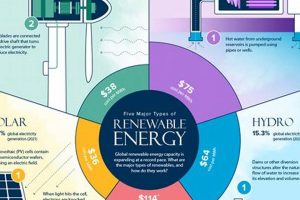
Innovations in power generation using sustainable resources offer promising solutions to address growing energy demands while mitigating environmental impact. These advancements encompass diverse fields, including improvements to existing methods like solar and wind power, as well as exploration of novel approaches such as wave energy converters and enhanced geothermal systems. For example, perovskite solar cells represent a potential game-changer due to their higher efficiency and lower production costs compared to traditional silicon-based cells.
The development and implementation of sustainable power solutions are crucial for achieving global climate goals and ensuring long-term energy security. Historically, reliance on fossil fuels has contributed significantly to greenhouse gas emissions and geopolitical instability. The shift towards cleaner alternatives offers a pathway to a more sustainable and equitable energy future, reducing dependence on finite resources and mitigating the risks associated with climate change. Furthermore, these advancements can stimulate economic growth by creating new industries and job opportunities.
This article will explore specific advancements in various sectors of sustainable power generation, examining their potential impact, current challenges, and future prospects. Discussions will include innovations in solar photovoltaic technology, advancements in wind turbine design, the potential of marine energy, and the evolving landscape of geothermal energy extraction. Further exploration will address the role of energy storage solutions and the integration of these technologies into existing power grids.
Tips for Supporting Advancements in Sustainable Power
The transition to a future powered by sustainable resources requires collective action. Individuals, communities, and organizations can contribute to this crucial shift by adopting informed practices and supporting innovative solutions.
Tip 1: Invest in Energy-Efficient Appliances: Prioritize appliances with high energy efficiency ratings to reduce overall energy consumption. This can include replacing older models with newer, more efficient alternatives.
Tip 2: Support Renewable Energy Initiatives: Explore opportunities to invest in or support community solar projects, wind farms, or other renewable energy initiatives.
Tip 3: Advocate for Policy Changes: Contact elected officials to advocate for policies that promote the development and adoption of sustainable power technologies.
Tip 4: Reduce, Reuse, and Recycle: Minimize waste generation and prioritize recycling to reduce the environmental impact of manufacturing processes.
Tip 5: Educate and Engage: Stay informed about advancements in sustainable power and engage in conversations about the importance of transitioning to cleaner energy sources.
Tip 6: Consider Home Energy Audits: Conduct a home energy audit to identify areas for improvement and implement measures to enhance energy efficiency.
Tip 7: Explore Sustainable Transportation Options: Consider using public transportation, cycling, walking, or electric vehicles to reduce reliance on fossil fuel-powered vehicles.
By adopting these practices, individuals and communities can actively contribute to a more sustainable energy future, minimizing environmental impact and promoting a cleaner, more secure energy landscape.
The transition to sustainable power represents a significant undertaking with far-reaching benefits. Continued investment in research, development, and implementation is crucial to realizing the full potential of these transformative technologies.
1. Perovskite Solar Cells

Perovskite solar cells represent a significant advancement within the broader field of renewable energy technologies. Their emergence addresses critical limitations of traditional silicon-based solar cells, offering potential improvements in efficiency, cost-effectiveness, and versatility. The unique crystal structure of perovskite materials allows for exceptional light absorption, enabling thinner, lighter, and more flexible solar panels. This characteristic translates to lower manufacturing costs and expanded application possibilities, including building-integrated photovoltaics and portable solar devices. For example, researchers have demonstrated flexible perovskite solar cells integrated into fabrics, showcasing their potential for wearable electronics.
The tunable bandgap of perovskite materials further enhances their potential. By adjusting the chemical composition, researchers can optimize light absorption for specific wavelengths, maximizing energy conversion efficiency under diverse lighting conditions. This adaptability makes perovskite solar cells suitable for a wider range of applications, from large-scale solar farms to small-scale off-grid power generation. Moreover, the potential for tandem solar cells, combining perovskite and silicon layers, offers a pathway to exceeding the theoretical efficiency limits of single-junction silicon cells. Current research focuses on enhancing the long-term stability and addressing the environmental concerns related to the use of lead in some perovskite compositions.
Continued development and refinement of perovskite solar cell technology hold significant promise for accelerating the global transition to sustainable energy. Overcoming existing challenges related to stability and material toxicity will be crucial for realizing the full potential of this emerging technology. The successful commercialization of perovskite solar cells could significantly impact the renewable energy landscape, offering a more efficient, cost-effective, and versatile alternative to traditional solar technologies, thus contributing significantly to a more sustainable energy future.
2. Floating Offshore Wind Farms

Floating offshore wind farms represent a significant advancement in renewable energy technology, unlocking the potential of deep-water wind resources previously inaccessible to traditional fixed-bottom turbines. This emerging technology addresses a critical limitation of conventional offshore wind farms, expanding the geographical reach of wind energy generation and contributing significantly to the global transition towards sustainable power sources. By overcoming the depth constraints of fixed-bottom installations, floating wind farms open vast new areas for harnessing stronger and more consistent wind resources further from shore.
- Technological Innovations
Floating offshore wind farms rely on innovative platform designs and mooring systems to maintain stability in deep-water environments. These platforms, including spar-buoy, tension-leg platform, and semi-submersible designs, utilize advanced engineering principles to withstand harsh ocean conditions while supporting the weight and operation of large wind turbines. Advanced mooring systems secure the platforms to the seabed, allowing for dynamic positioning and mitigating the impact of waves and currents. The development and refinement of these technologies are crucial for the successful deployment and operation of floating wind farms.
- Expanded Resource Accessibility
Traditional fixed-bottom offshore wind turbines are limited to shallower coastal waters. Floating platforms overcome this limitation, enabling access to stronger and more consistent wind resources located in deeper waters further offshore. This expanded accessibility significantly increases the potential capacity for wind energy generation, contributing substantially to the diversification and decarbonization of energy portfolios. For example, areas with steep continental shelves, previously unsuitable for fixed-bottom turbines, now become viable locations for floating wind farms.
- Environmental Considerations
Assessing and mitigating potential environmental impacts are essential for the responsible development of floating offshore wind farms. Studies investigate the effects on marine ecosystems, including the potential interactions with marine mammals, birds, and fish populations. Careful site selection, environmental monitoring, and mitigation strategies are crucial for minimizing any adverse impacts and ensuring the sustainable development of this emerging technology. Research focuses on understanding the long-term ecological effects and developing best practices for environmental stewardship.
- Economic and Social Implications
Floating offshore wind farms contribute to economic growth by creating new jobs in manufacturing, installation, operation, and maintenance. These projects stimulate local economies and foster the development of specialized skills within the renewable energy sector. Furthermore, the increased deployment of floating wind farms strengthens energy independence and reduces reliance on fossil fuels, enhancing energy security and price stability. These socio-economic benefits underscore the importance of supporting the growth and development of the floating offshore wind industry.
The continued advancement and deployment of floating offshore wind farms hold significant promise for achieving global renewable energy targets. By harnessing the vast potential of deep-water wind resources, this emerging technology plays a crucial role in transitioning towards a cleaner, more sustainable energy future. Further research and development, coupled with supportive policies and stakeholder engagement, are essential for realizing the full potential of floating offshore wind energy and its contribution to a decarbonized energy landscape.
3. Advanced Biofuels

Advanced biofuels represent a crucial component within the broader landscape of emerging technologies in renewable energy. Unlike conventional biofuels derived from food crops, advanced biofuels utilize non-food biomass sources, addressing concerns related to food security and land use competition. These next-generation fuels offer a sustainable alternative to fossil fuels, contributing to the decarbonization of the transportation sector and promoting energy independence.
- Feedstock Diversity
Advanced biofuels leverage a diverse range of non-food biomass feedstocks, including agricultural residues, dedicated energy crops, forestry waste, and algae. This feedstock diversity minimizes reliance on specific resources and reduces the risk of supply chain disruptions. For example, utilizing agricultural residues like corn stover and wheat straw reduces waste and provides additional revenue streams for farmers. Algae cultivation, particularly in non-arable land or wastewater, offers a promising pathway for sustainable biofuel production without competing for agricultural land.
- Conversion Technologies
The production of advanced biofuels involves innovative conversion technologies, such as thermochemical conversion, biochemical conversion, and hydrothermal liquefaction. Thermochemical processes, including pyrolysis and gasification, convert biomass into bio-oil, syngas, and biochar. Biochemical processes utilize enzymes and microorganisms to break down biomass into sugars, which can then be fermented into bioethanol or other biofuels. Hydrothermal liquefaction mimics geological processes to convert biomass into biocrude, a precursor to renewable diesel and jet fuel. These diverse conversion pathways offer flexibility and adaptability based on specific feedstocks and desired fuel properties.
- Environmental Benefits
Advanced biofuels offer significant environmental benefits compared to fossil fuels. Their utilization reduces greenhouse gas emissions, mitigating the impact of transportation on climate change. Life-cycle assessments demonstrate substantial reductions in carbon emissions compared to conventional gasoline and diesel. Furthermore, advanced biofuels can contribute to improved air quality by reducing particulate matter and other harmful pollutants associated with fossil fuel combustion. The cultivation of certain feedstocks, such as algae, can also contribute to carbon sequestration, further enhancing the environmental benefits of advanced biofuels.
- Economic and Social Impacts
The development and deployment of advanced biofuels stimulate economic growth by creating new jobs in rural communities and fostering innovation within the renewable energy sector. These technologies offer opportunities for economic diversification and enhance energy security by reducing reliance on imported fossil fuels. Furthermore, the utilization of agricultural residues and other waste streams can generate additional revenue for farmers and contribute to waste management solutions. The social and economic benefits of advanced biofuels contribute to their overall sustainability and potential for widespread adoption.
Advanced biofuels represent a crucial component of the transition towards a sustainable energy future. Their continued development and integration into the broader energy landscape offer significant potential for reducing greenhouse gas emissions, enhancing energy security, and promoting economic growth. By addressing the limitations of conventional biofuels and leveraging innovative conversion technologies, advanced biofuels contribute significantly to the diversification of renewable energy sources and the decarbonization of the transportation sector. Further research, development, and supportive policies are essential for realizing the full potential of advanced biofuels and their contribution to a cleaner, more sustainable energy future. Comparing advanced biofuels to other emerging technologies highlights their unique advantages and potential for integration into a diversified renewable energy portfolio.
4. Enhanced Geothermal Systems

Enhanced geothermal systems (EGS) represent a significant advancement within the realm of renewable energy technologies, offering the potential to tap into vast, previously inaccessible geothermal resources. Unlike conventional geothermal systems that rely on naturally occurring hydrothermal resources, EGS utilizes engineered reservoirs to access heat stored in dry, hot rocks deep beneath the Earth’s surface. This innovative approach expands the geographical reach of geothermal energy, transforming it into a more widely available and sustainable power source. The connection between EGS and the broader field of emerging renewable energy technologies lies in their shared objective of diversifying energy portfolios, reducing reliance on fossil fuels, and mitigating the impacts of climate change. EGS plays a crucial role in this transition by providing a baseload renewable energy source capable of generating power continuously, regardless of weather conditions. For instance, the Soultz-sous-Forts project in France demonstrates the potential of EGS to generate electricity from deep crystalline rock formations.
The practical significance of understanding EGS lies in its potential to contribute substantially to global renewable energy targets. EGS technologies address key limitations of conventional geothermal systems, expanding access to geothermal resources and enabling broader implementation. By creating artificial reservoirs in hot, dry rock formations, EGS unlocks vast untapped geothermal energy potential. The process involves injecting high-pressure water into the subsurface, creating fractures within the rock and forming a network of pathways for heat extraction. The heated water is then brought back to the surface and utilized to generate electricity through conventional power generation technologies. This closed-loop system minimizes environmental impact and ensures sustainable resource management. Examples of EGS projects around the world, such as the Desert Peak project in Nevada, USA, showcase the ongoing development and refinement of these technologies.
Despite significant potential, EGS faces certain challenges. These include the technical complexities associated with reservoir creation and management, the potential for induced seismicity, and the relatively high upfront costs associated with project development. Addressing these challenges through ongoing research and development is crucial for realizing the full potential of EGS. Innovations in drilling techniques, reservoir stimulation methods, and microseismic monitoring are continuously improving the efficiency, safety, and economic viability of EGS projects. The continued advancement and deployment of EGS technologies represent a crucial step towards achieving a more sustainable and diversified energy future, providing a reliable and clean source of baseload power that complements other renewable energy sources like solar and wind power. Understanding the connection between EGS and the broader field of emerging renewable energy technologies is essential for fostering innovation, promoting informed policy decisions, and accelerating the global transition towards a decarbonized energy landscape.
5. Tidal and Wave Energy

Tidal and wave energy represent a significant subset of emerging technologies within the broader renewable energy landscape. These technologies harness the immense power of the oceans, offering a predictable and consistent source of clean energy. Unlike solar and wind power, which are intermittent in nature, tidal and wave energy resources are continuously available, providing a valuable contribution to baseload power generation. This inherent predictability simplifies grid integration and enhances energy security, reducing reliance on fossil fuel-based power plants. The connection between tidal and wave energy and emerging renewable energy technologies lies in their shared goal of decarbonizing the energy sector and mitigating the impacts of climate change. For example, the Sihwa Lake Tidal Power Station in South Korea demonstrates the large-scale potential of tidal energy, while the WaveSub wave energy converter developed by AWS Ocean Energy showcases the innovative approaches being explored in wave energy conversion.
The development and implementation of tidal and wave energy technologies offer substantial benefits. Tidal barrages and fences utilize the predictable rise and fall of tides to generate electricity. Wave energy converters capture the kinetic energy of waves and transform it into usable power. These technologies offer a clean and sustainable alternative to fossil fuels, reducing greenhouse gas emissions and promoting energy independence. Furthermore, coastal communities can benefit from the economic opportunities associated with the development and maintenance of these technologies. Specific examples, such as the MeyGen tidal stream project in Scotland and the Ocean Power Technologies PowerBuoy deployed off the coast of Oregon, illustrate the practical application and ongoing advancements in these fields. Addressing challenges related to cost-effectiveness, environmental impact, and technological reliability remains crucial for wider adoption.
Despite considerable potential, tidal and wave energy technologies face certain challenges. High upfront capital costs, potential impacts on marine ecosystems, and the technical complexities associated with operating in harsh marine environments require ongoing research and development. Overcoming these challenges through innovative engineering solutions, environmental impact assessments, and supportive policy frameworks is essential for realizing the full potential of these promising renewable energy sources. The continued advancement and deployment of tidal and wave energy technologies offer a crucial pathway toward achieving a more sustainable and diversified energy future, complementing other renewable energy sources and contributing significantly to the global transition towards a decarbonized energy landscape.
6. Green Hydrogen Production

Green hydrogen production stands as a pivotal component within the broader field of emerging technologies in renewable energy. It offers a pathway to decarbonize sectors heavily reliant on fossil fuels, such as transportation, industry, and heating. Unlike hydrogen produced from fossil fuels (grey hydrogen), green hydrogen utilizes renewable energy sources, specifically electrolysis powered by solar, wind, or hydropower, to split water into hydrogen and oxygen, resulting in a zero-emission fuel source. This positions green hydrogen as a key enabler of the global transition towards a sustainable energy future.
- Electrolysis Technologies
Advancements in electrolysis technologies are crucial for enhancing the efficiency and cost-effectiveness of green hydrogen production. Different electrolysis methods, including alkaline electrolysis, proton exchange membrane (PEM) electrolysis, and solid oxide electrolysis (SOEC), offer varying performance characteristics and are suited for different applications. Research and development efforts focus on improving the durability, scalability, and efficiency of these technologies, reducing the overall cost of green hydrogen production. For instance, advancements in PEM electrolysis are enabling higher current densities and improved dynamic response, making them suitable for integration with intermittent renewable energy sources.
- Renewable Energy Integration
The seamless integration of green hydrogen production with renewable energy sources is essential for maximizing its environmental benefits and minimizing reliance on grid electricity. Direct coupling of electrolyzers with solar or wind farms allows for the direct utilization of renewable electricity, reducing transmission losses and enhancing overall system efficiency. For example, projects are emerging that combine offshore wind farms with on-site hydrogen production facilities, offering a pathway to decarbonize maritime transport and other hard-to-abate sectors.
- Storage and Transportation
Efficient storage and transportation of green hydrogen are crucial for its widespread adoption. Hydrogen can be stored as a compressed gas, cryogenic liquid, or in chemical carriers such as ammonia or liquid organic hydrogen carriers (LOHCs). Each storage method presents unique advantages and challenges related to energy density, cost, and safety. Developing robust and cost-effective storage and transportation infrastructure is essential for enabling the integration of green hydrogen into existing energy systems. For example, research is exploring the use of metal hydrides for safe and efficient hydrogen storage in vehicles and stationary applications.
- Applications and End-Uses
Green hydrogen offers diverse applications across various sectors. In transportation, it can fuel fuel cell vehicles, trains, and ships, offering a zero-emission alternative to conventional fuels. In industry, green hydrogen can replace fossil fuels in processes such as steelmaking, ammonia production, and refinery operations. It can also serve as a long-term energy storage medium, providing grid stability and flexibility. The versatility of green hydrogen makes it a crucial component of a diversified renewable energy portfolio, enabling the decarbonization of multiple sectors. For example, pilot projects are demonstrating the use of green hydrogen for heating buildings and powering industrial processes, paving the way for wider adoption.
The advancements in green hydrogen production, coupled with the decreasing costs of renewable energy, position it as a cornerstone of the future energy landscape. Its integration with other emerging renewable energy technologies, such as advanced energy storage solutions and smart grids, further strengthens its potential to contribute significantly to a decarbonized and sustainable energy system. By addressing the challenges related to cost, infrastructure, and technological advancements, green hydrogen can play a transformative role in achieving global climate goals and fostering a cleaner, more secure energy future.
Frequently Asked Questions about Emerging Renewable Energy Technologies
This section addresses common inquiries regarding advancements in sustainable power generation, aiming to provide clear and concise information.
Question 1: What are the primary barriers to widespread adoption of emerging renewable energy technologies?
Several factors influence the adoption rate of these technologies. High upfront capital costs, infrastructure limitations, regulatory hurdles, and public perception play significant roles. Furthermore, the intermittency of some renewable sources necessitates robust energy storage solutions and grid modernization.
Question 2: How do these technologies contribute to energy independence and security?
Diversifying energy portfolios through the integration of renewable sources reduces reliance on imported fossil fuels, enhancing energy independence. Decentralized power generation from renewable sources strengthens grid resilience and mitigates risks associated with geopolitical instability.
Question 3: What is the environmental impact of manufacturing and deploying these technologies?
Life-cycle assessments of renewable energy technologies evaluate the environmental impact of material extraction, manufacturing, installation, operation, and decommissioning. While some environmental impacts exist, they are generally significantly lower than those associated with fossil fuel-based energy systems.
Question 4: How do governments and policymakers support the growth of this sector?
Policy instruments such as feed-in tariffs, tax incentives, renewable portfolio standards, and carbon pricing mechanisms encourage investment in and adoption of renewable energy technologies. Government funding for research and development accelerates innovation and drives down costs.
Question 5: What role does energy storage play in the future of renewable energy?
Advanced energy storage technologies, such as batteries, pumped hydro storage, and thermal storage, are essential for addressing the intermittency of renewable energy sources like solar and wind power. These technologies enable a reliable and consistent supply of electricity, even when the sun isn’t shining or the wind isn’t blowing.
Question 6: How can individuals contribute to the transition towards renewable energy?
Individuals can support the transition by adopting energy-efficient practices, investing in renewable energy installations, advocating for supportive policies, and educating themselves and others about the benefits of sustainable power generation.
Transitioning to renewable energy sources necessitates a multifaceted approach involving technological advancements, policy support, and public engagement. Addressing these key aspects is crucial for building a sustainable and secure energy future.
The next section delves into specific case studies showcasing the successful implementation of these technologies in diverse contexts.
Emerging Technologies in Renewable Energy
This exploration of emerging technologies in renewable energy has highlighted the transformative potential of innovations in solar, wind, geothermal, biofuel, tidal, wave, and green hydrogen production. These advancements offer crucial pathways to decarbonize the energy sector, enhance energy security, and mitigate the impacts of climate change. From the enhanced efficiency of perovskite solar cells to the expanded resource accessibility of floating offshore wind farms, these technologies represent significant strides towards a more sustainable energy landscape. The development and implementation of advanced biofuels, enhanced geothermal systems, and tidal and wave energy converters further diversify the renewable energy portfolio, offering clean and reliable alternatives to fossil fuels. The emergence of green hydrogen production, powered by renewable electricity, presents a transformative opportunity to decarbonize hard-to-abate sectors and establish a versatile energy carrier for a wide range of applications.
The transition to a future powered by sustainable energy sources requires continued investment in research, development, and deployment. Overcoming existing challenges related to cost, infrastructure, and technological maturity remains crucial for realizing the full potential of these emerging technologies. Supportive policies, collaborative partnerships, and public awareness are essential for accelerating the global shift towards a decarbonized energy system. The future of energy hinges on the successful integration of these innovations, paving the way for a cleaner, more secure, and sustainable energy landscape for generations to come.