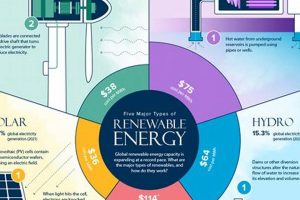
Transitioning to sustainable energy sources like solar, wind, hydro, and geothermal power yields numerous and varied outcomes. For instance, the decreased reliance on fossil fuels leads to improvements in air quality, benefiting public health and mitigating climate change by reducing greenhouse gas emissions. Furthermore, the distributed nature of many renewable technologies can enhance energy security and access, particularly in remote areas.
The shift towards these cleaner energy sources offers significant advantages. Historically, energy production has been a major contributor to environmental degradation and geopolitical instability. Embracing sustainable alternatives fosters a more resilient and equitable energy landscape, driving economic growth through job creation in manufacturing, installation, and maintenance while simultaneously reducing healthcare costs associated with pollution-related illnesses. This paradigm shift is crucial for achieving long-term environmental sustainability and global energy independence.
This exploration will delve further into the specific impacts of renewable energy adoption on various sectors, including the environment, economy, and global energy markets, providing a detailed analysis of both challenges and opportunities presented by this ongoing transformation.
Tips for Maximizing the Benefits of Sustainable Energy Transition
Strategic planning and implementation are crucial for harnessing the full potential of renewable energy sources. The following tips provide guidance for maximizing positive outcomes:
Tip 1: Diversify Energy Portfolios: Relying on a mix of renewable resources enhances energy security and resilience, mitigating risks associated with resource intermittency and regional variations in resource availability. For example, combining wind and solar power can provide a more consistent energy supply.
Tip 2: Invest in Grid Modernization: Upgrading existing grid infrastructure is essential for efficiently integrating decentralized renewable energy sources and ensuring reliable power distribution. Smart grids, for instance, optimize energy flow and accommodate fluctuating renewable generation.
Tip 3: Promote Energy Efficiency: Reducing energy consumption through building retrofits, appliance standards, and behavioral changes minimizes overall energy demand and maximizes the impact of renewable energy integration.
Tip 4: Support Research and Development: Continued innovation in renewable energy technologies, energy storage solutions, and grid management systems is vital for driving down costs and improving performance.
Tip 5: Foster International Collaboration: Sharing best practices, technologies, and resources across borders accelerates the global transition to sustainable energy systems.
Tip 6: Implement Supportive Policies: Government incentives, regulations, and carbon pricing mechanisms can create a favorable environment for renewable energy investment and deployment.
Tip 7: Engage Local Communities: Ensuring public acceptance and participation through transparent communication and inclusive planning processes is crucial for successful project implementation.
By implementing these strategies, stakeholders can effectively leverage the multifaceted advantages of renewable energy, paving the way for a cleaner, more secure, and sustainable energy future.
These tips offer a starting point for further exploration of the specific challenges and opportunities associated with each aspect of the renewable energy transition, which will be addressed in the concluding sections of this article.
1. Reduced Emissions

A primary benefit of transitioning to renewable energy sources is the substantial reduction in greenhouse gas emissions. This effect is paramount in mitigating climate change and its associated risks, representing a crucial distinction between renewable and conventional fossil fuel-based energy generation. Exploring the facets of this emission reduction reveals its comprehensive impact.
- Decreased Reliance on Fossil Fuels
Renewable energy sources displace fossil fuels in electricity generation, heating, and transportation. For example, solar and wind farms replace coal-fired power plants, reducing carbon dioxide emissions. Electric vehicles powered by renewable electricity further decrease reliance on gasoline and diesel, mitigating emissions from the transportation sector. This displacement is fundamental to decarbonizing the energy system.
- Lower Carbon Intensity
Renewable energy technologies inherently possess a lower carbon footprint throughout their lifecycle compared to fossil fuels. While manufacturing and installation of renewable energy systems produce some emissions, their operational emissions are negligible. Life-cycle assessments demonstrate significant reductions in greenhouse gases over the lifetime of renewable energy infrastructure, contributing to a net decrease in atmospheric carbon concentrations.
- Mitigation of Climate Change Impacts
Reduced greenhouse gas emissions directly contribute to mitigating the adverse effects of climate change. Lowering the concentration of greenhouse gases in the atmosphere helps to limit global warming, reducing the frequency and intensity of extreme weather events, slowing sea-level rise, and protecting vulnerable ecosystems. This mitigation is a crucial factor in ensuring a sustainable future.
- Improved Air Quality
Reduced reliance on fossil fuels also improves air quality. Burning fossil fuels releases pollutants such as sulfur dioxide, nitrogen oxides, and particulate matter, which contribute to respiratory illnesses and other health problems. Renewable energy sources, being emission-free during operation, improve air quality and public health, particularly in urban areas. This co-benefit further enhances the overall positive impact of renewable energy adoption.
These interconnected facets of reduced emissions highlight the profound impact of renewable energy on environmental sustainability. The transition to renewable energy not only addresses climate change but also improves air quality and contributes to a healthier environment, underscoring the significance of this shift within the broader context of sustainable development.
2. Improved Air Quality

A significant consequence of transitioning to renewable energy is the improvement in air quality. This stems directly from the reduction in pollutants associated with fossil fuel combustion. Conventional power generation using coal, oil, and natural gas releases substantial quantities of particulate matter, sulfur dioxide, nitrogen oxides, and other harmful substances into the atmosphere. These pollutants contribute to respiratory illnesses, cardiovascular problems, and other adverse health outcomes. Renewable energy sources, in contrast, produce minimal air pollution during operation. Solar, wind, hydro, and geothermal power plants do not emit these harmful pollutants, leading to cleaner and healthier air in areas where they replace fossil fuel-based generation. For instance, studies have shown marked improvements in air quality in regions that have significantly increased their reliance on wind and solar power, resulting in demonstrable public health benefits.
The link between renewable energy adoption and improved air quality presents a compelling argument for accelerating the transition to sustainable energy systems. Reduced healthcare costs associated with air pollution-related illnesses represent a substantial economic benefit. Furthermore, enhanced quality of life resulting from cleaner air contributes to overall societal well-being. This positive impact underscores the importance of considering air quality as a key factor in energy policy decisions. The practical significance of this understanding is evident in the development of policies that incentivize renewable energy development and promote the phase-out of polluting fossil fuel power plants. Such policies can lead to tangible improvements in public health and environmental quality, yielding both short-term and long-term benefits.
In summary, the connection between renewable energy and improved air quality is a critical component of the broader environmental and societal benefits associated with sustainable energy transitions. While challenges remain in achieving widespread adoption of renewable energy technologies, the potential for significant improvements in air quality and public health provides a strong impetus for continued progress in this area. This positive feedback loop where cleaner energy leads to improved health outcomes, which in turn strengthens the case for further renewable energy investments reinforces the importance of prioritizing the transition to a sustainable energy future.
3. Enhanced Energy Security

Enhanced energy security is a significant outcome of transitioning to renewable energy sources. Renewable energy resources, unlike fossil fuels, are often domestically available, reducing reliance on volatile global energy markets and mitigating geopolitical risks associated with energy imports. This decentralized energy production enhances national energy independence and reduces vulnerability to supply disruptions caused by political instability or international conflicts. For instance, nations with substantial solar and wind resources can generate a greater portion of their electricity domestically, decreasing reliance on imported fossil fuels and enhancing energy self-sufficiency. Similarly, distributed generation, such as rooftop solar panels, strengthens local energy resilience by providing backup power during grid outages.
Furthermore, diversification of energy sources contributes to enhanced energy security. Relying on a mix of renewable resources, such as solar, wind, hydro, and geothermal, reduces dependence on any single source and mitigates risks associated with intermittency. This diversified portfolio approach strengthens the overall resilience of the energy system. Real-world examples include countries that have successfully integrated a variety of renewable energy technologies into their energy mix, creating a more robust and secure energy supply. This strategic approach to energy planning enhances national security by minimizing vulnerability to disruptions in any single energy source.
In conclusion, enhanced energy security is a key benefit of renewable energy adoption. The shift towards domestically available and diverse renewable resources strengthens national energy independence, reduces geopolitical risks, and improves resilience against supply disruptions. This enhanced energy security has profound implications for national stability and economic prosperity. While challenges remain in integrating renewable energy sources into existing infrastructure, the long-term benefits of increased energy security provide a compelling argument for continued investment and policy support for the transition to a sustainable energy future. This transition is essential not only for environmental sustainability but also for bolstering national security and fostering a more stable and resilient global energy landscape.
4. Economic Growth

Renewable energy’s impact on economic growth is multifaceted, stimulating activity across various sectors and creating new economic opportunities. The transition from fossil fuels to renewable energy sources necessitates significant investments in research, development, manufacturing, installation, and maintenance, generating economic activity and fostering innovation. This shift also creates new markets and industries, driving job growth and enhancing national competitiveness. Understanding the specific ways renewable energy fuels economic expansion is crucial for policymakers and investors seeking to maximize its economic benefits.
- Job Creation
Renewable energy industries are significant job creators. Manufacturing, installing, and maintaining renewable energy technologies require a skilled workforce, generating employment opportunities across the supply chain. Solar and wind energy, for example, are consistently among the fastest-growing employment sectors in many economies. These jobs are often localized, benefiting communities directly by providing stable, well-paying employment opportunities and stimulating local economies.
- Investment Opportunities
The transition to renewable energy presents significant investment opportunities. The development and deployment of renewable energy technologies require substantial capital investment, attracting private sector investment and driving economic growth. These investments not only support the growth of renewable energy industries but also stimulate related sectors, such as energy storage and smart grid technologies. Furthermore, investments in renewable energy infrastructure can generate long-term returns, providing stable and predictable income streams for investors.
- Technological Innovation
Renewable energy fosters technological innovation. The continuous drive to improve the efficiency and cost-competitiveness of renewable energy technologies stimulates research and development, leading to advancements in areas such as materials science, energy storage, and grid management. This innovation spills over into other sectors, driving broader technological progress and enhancing national competitiveness in the global marketplace. The ongoing development of new renewable energy technologies creates opportunities for businesses and entrepreneurs, further stimulating economic growth.
- Reduced Energy Costs
Renewable energy can contribute to lower energy costs. As renewable energy technologies mature and economies of scale are realized, the cost of generating electricity from renewable sources continues to decline. This can lead to lower electricity bills for consumers and businesses, freeing up capital for other investments and stimulating economic activity. Lower energy costs can also enhance the competitiveness of businesses, particularly energy-intensive industries, promoting economic growth and job creation.
In summary, the transition to renewable energy offers substantial economic benefits, including job creation, investment opportunities, technological innovation, and reduced energy costs. These factors contribute to broader economic growth and enhance national competitiveness. By strategically investing in renewable energy infrastructure and supporting policies that encourage innovation and market development, economies can unlock the full economic potential of renewable energy and create a more sustainable and prosperous future. This transition represents not just an environmental imperative but also a significant economic opportunity.
5. Job Creation

The renewable energy sector’s growth directly translates into substantial job creation across various segments of the industry. This employment generation spans the entire lifecycle of renewable energy projects, from research and development to manufacturing, installation, maintenance, and grid management. A cause-and-effect relationship exists: as renewable energy capacity expands, driven by technological advancements and supportive policies, the demand for skilled labor within the sector rises correspondingly. This job creation effect constitutes a significant component of the overall positive economic impact of renewable energy transitions, offering both societal and economic benefits.
Real-world examples illustrate this connection. The solar photovoltaic industry, for instance, has witnessed consistent job growth globally, with roles ranging from panel manufacturing and installation to project development and sales. Similarly, the wind energy sector employs a large workforce in turbine manufacturing, installation, maintenance, and grid integration. Offshore wind projects, in particular, often create significant numbers of local jobs in coastal communities. Beyond direct employment in renewable energy generation, related industries, such as energy storage and smart grid technologies, also experience job growth as the renewable energy sector expands. This ripple effect further amplifies the positive economic impact of renewable energy deployment.
Understanding the link between renewable energy and job creation possesses significant practical implications. Policymakers can leverage this understanding to develop targeted strategies for workforce development and training, ensuring that the growing renewable energy sector has access to the skilled labor it requires. Investing in education and training programs focused on renewable energy technologies can equip individuals with the skills necessary to access these emerging job opportunities. Moreover, supportive policies that incentivize renewable energy development can further stimulate job growth in the sector. Recognizing the job creation potential of renewable energy is crucial for maximizing its economic benefits and ensuring a just and equitable transition to a sustainable energy future. This positive feedback loop, where policy support for renewable energy leads to job creation, which in turn strengthens public support for further renewable energy investments, reinforces the importance of prioritizing the transition to a sustainable energy system.
6. Technological Innovation
Technological innovation plays a crucial role in driving the advancement and adoption of renewable energy sources. Continuous research and development efforts lead to improvements in efficiency, cost-effectiveness, and reliability of renewable energy technologies, accelerating the transition to a sustainable energy future. This ongoing innovation cycle creates a positive feedback loop, where advancements in technology spur further investment and deployment, leading to additional innovation and cost reductions. Exploring the key facets of this innovation process reveals its profound impact on the overall effects of renewable energy.
- Improved Efficiency
Technological advancements consistently improve the efficiency of renewable energy technologies. For example, advancements in photovoltaic cell design and manufacturing processes have significantly increased the efficiency of solar panels, allowing them to convert a greater percentage of sunlight into electricity. Similarly, innovations in wind turbine design, such as larger rotor diameters and improved blade aerodynamics, enhance energy capture and increase the overall efficiency of wind farms. These efficiency gains translate directly into increased energy output and reduced costs, making renewable energy more competitive with conventional energy sources.
- Cost Reduction
Technological innovation is a primary driver of cost reductions in renewable energy. As technologies mature and manufacturing processes become more efficient, the cost of producing and deploying renewable energy systems declines. The dramatic decrease in the cost of solar photovoltaic panels over the past decade exemplifies this trend. Cost reductions make renewable energy increasingly affordable and accessible, accelerating its adoption and driving further market growth. This positive feedback loop, where cost reductions lead to increased deployment and further cost reductions, is a key factor in the ongoing expansion of the renewable energy sector.
- Energy Storage Solutions
Addressing the intermittency of renewable energy sources, such as solar and wind, requires effective energy storage solutions. Technological innovation plays a critical role in developing and improving energy storage technologies, such as batteries, pumped hydro storage, and thermal storage. Advancements in battery technology, for instance, have significantly increased storage capacity and reduced costs, making it a viable option for integrating renewable energy into the grid. Improved energy storage solutions enhance the reliability and dispatchability of renewable energy, enabling its greater penetration into the energy mix.
- Grid Integration and Management
Integrating variable renewable energy sources into existing power grids presents technical challenges. Technological innovation is essential for developing smart grid technologies that can effectively manage the intermittent nature of renewable energy and ensure grid stability. Advanced grid management systems, combined with improved forecasting and control algorithms, optimize energy flow, balance supply and demand, and enhance the reliability of power grids with high penetrations of renewable energy. These innovations are crucial for enabling the seamless integration of renewable energy and maximizing its benefits.
In conclusion, technological innovation is intrinsically linked to the positive effects of renewable energy. Advancements in efficiency, cost reduction, energy storage, and grid integration are key drivers of the ongoing transition to a sustainable energy future. Continued investment in research and development is crucial for accelerating the pace of innovation and unlocking the full potential of renewable energy. This ongoing cycle of innovation and deployment creates a virtuous cycle, driving down costs, improving performance, and expanding the accessibility of renewable energy, ultimately contributing to a cleaner, more secure, and sustainable energy future.
7. Sustainable Development
Sustainable development, encompassing economic progress, social equity, and environmental protection, is intrinsically linked to the effects of renewable energy. Transitioning to renewable energy sources offers a pathway towards achieving sustainable development goals by addressing climate change, improving public health, and fostering economic opportunities. Understanding this interconnectedness is crucial for formulating effective policies and strategies that leverage the transformative potential of renewable energy for a sustainable future.
- Climate Change Mitigation
Renewable energy plays a pivotal role in mitigating climate change, a core tenet of sustainable development. By displacing fossil fuels and reducing greenhouse gas emissions, renewable energy helps limit global warming and its associated impacts, such as sea-level rise, extreme weather events, and ecosystem disruption. The Paris Agreement, a landmark accord on climate action, underscores the importance of transitioning to renewable energy as a key strategy for achieving global climate goals and ensuring a sustainable future for all.
- Resource Conservation
Sustainable development emphasizes responsible resource management. Renewable energy sources, unlike finite fossil fuels, are virtually inexhaustible. Harnessing solar, wind, hydro, and geothermal energy reduces dependence on depleting resources and promotes long-term energy security. This resource conservation aspect of renewable energy aligns directly with the principles of sustainable development, ensuring that future generations have access to the resources they need to thrive.
- Social and Economic Equity
Renewable energy can contribute to social and economic equity, another key dimension of sustainable development. Decentralized renewable energy systems, such as rooftop solar installations and community wind farms, empower local communities and promote energy access in remote or underserved areas. Furthermore, the renewable energy sector generates employment opportunities in manufacturing, installation, maintenance, and research, contributing to economic growth and poverty reduction. These social and economic benefits align with the principles of equitable and inclusive development, ensuring that the benefits of renewable energy are shared widely.
- Environmental Protection and Biodiversity
Sustainable development prioritizes environmental protection and biodiversity conservation. Renewable energy technologies, compared to fossil fuels, have a significantly lower environmental impact. They reduce air and water pollution, minimize land degradation, and contribute to healthier ecosystems. Protecting biodiversity is essential for maintaining the ecological balance and ensuring the long-term health of the planet. The transition to renewable energy plays a crucial role in achieving this goal, aligning with the broader objectives of environmental sustainability.
In conclusion, the effects of renewable energy are deeply intertwined with the principles of sustainable development. By mitigating climate change, conserving resources, promoting social and economic equity, and protecting the environment, renewable energy offers a pathway towards a more sustainable future. Recognizing these interconnected benefits is crucial for developing integrated strategies that leverage the transformative potential of renewable energy to achieve sustainable development goals and create a more equitable and resilient world. The transition to a renewable energy-powered future represents not only an environmental imperative but also a crucial step towards achieving a truly sustainable society.
Frequently Asked Questions about the Effects of Renewable Energy
This section addresses common inquiries regarding the impacts of transitioning to renewable energy sources, providing concise and informative responses based on established data and research.
Question 1: How does renewable energy affect climate change?
Renewable energy sources, such as solar, wind, and hydro, produce minimal greenhouse gas emissions during operation. Their widespread adoption significantly reduces reliance on fossil fuels, mitigating climate change by decreasing atmospheric concentrations of greenhouse gases.
Question 2: What is the impact of renewable energy on air quality?
Unlike fossil fuel combustion, renewable energy generation does not release harmful air pollutants like sulfur dioxide, nitrogen oxides, and particulate matter. This leads to improved air quality, reducing respiratory illnesses and other health problems associated with air pollution.
Question 3: Does renewable energy create jobs?
The renewable energy sector is a significant job creator. Manufacturing, installing, maintaining, and operating renewable energy technologies require a skilled workforce, generating employment opportunities across the supply chain and stimulating local economies.
Question 4: How does renewable energy impact energy security?
Renewable energy sources are often domestically available, reducing reliance on imported fossil fuels and enhancing energy independence. Diversifying energy sources with a mix of renewable technologies further strengthens energy security and resilience against supply disruptions.
Question 5: What are the economic benefits of renewable energy?
Renewable energy stimulates economic growth through investments in research, development, manufacturing, and deployment. It can also lead to lower energy costs for consumers and businesses, fostering economic activity and enhancing national competitiveness.
Question 6: How does renewable energy contribute to sustainable development?
Renewable energy contributes to sustainable development by mitigating climate change, conserving resources, promoting social and economic equity, and protecting the environment. It offers a pathway towards achieving sustainable development goals and building a more resilient and equitable future.
Understanding the diverse effects of renewable energy is crucial for informed decision-making. The transition to renewable energy presents significant opportunities for environmental protection, economic growth, and enhanced societal well-being.
For a deeper exploration of specific renewable energy technologies and their respective impacts, consult the following sections.
Conclusion
The exploration of renewable energy’s effects reveals a multifaceted impact across environmental, economic, and societal spheres. Reduced greenhouse gas emissions, leading to climate change mitigation and improved air quality, stand as prominent environmental benefits. Enhanced energy security through diversified, domestically sourced energy resources strengthens national resilience. Economic advantages manifest in job creation, investment opportunities, technological innovation, and the potential for reduced energy costs. These interconnected effects contribute significantly to sustainable development goals, fostering a more equitable and environmentally responsible future.
The transition to renewable energy represents not merely a technological shift but a fundamental transformation of the global energy landscape. Continued investment in research, development, and deployment, coupled with supportive policies and international collaboration, is essential to fully realize the potential of renewable energy. The future of energy hinges upon embracing these sustainable alternatives, ensuring a healthier planet and a more prosperous future for all.