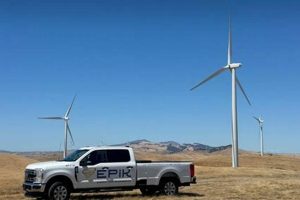
HOMER (Hybrid Optimization of Multiple Energy Resources) software is a powerful tool used for designing and analyzing hybrid renewable energy systems. It models a variety of system architectures, incorporating diverse technologies such as solar photovoltaics, wind turbines, batteries, generators, and hydro. By simulating system performance under different scenarios, optimal configurations can be identified based on factors like cost, reliability, and emissions.
The ability to optimize complex energy systems with sophisticated models provides valuable insights for both planning and operational purposes. By leveraging detailed simulations, this approach helps minimize lifecycle costs, reduce reliance on fossil fuels, and ensure a dependable power supply, especially in remote or off-grid locations. The development and increasing adoption of this type of software has significantly contributed to the feasibility and accessibility of sustainable energy solutions worldwide.
Further exploration will delve into the specific functionalities, applications, and advantages of this modeling approach for various project types, including remote microgrids, island electrification, and community-based renewable energy initiatives.
Tips for Effective Hybrid Renewable Energy System Design
Careful planning is crucial for successful hybrid renewable energy system implementation. The following tips offer guidance for utilizing specialized design software effectively.
Tip 1: Define Realistic Load Profiles: Accurate load profiles are fundamental. Incorporate seasonal variations and potential future demand increases to avoid undersizing the system.
Tip 2: Thorough Resource Assessment: Precise solar irradiance and wind speed data are essential for accurate performance predictions. Utilize high-quality, location-specific data whenever possible.
Tip 3: Explore Diverse Technology Combinations: Model a range of technology options and configurations. Consider various battery chemistries, generator types, and renewable energy sources to identify the optimal mix.
Tip 4: Sensitivity Analysis: Input parameters like fuel costs and resource availability can fluctuate. Sensitivity analysis reveals the impact of these variations on system performance and helps in robust system design.
Tip 5: Optimize for Key Metrics: Clearly define project objectives. Focus optimization efforts on minimizing net present cost, maximizing reliability, or minimizing greenhouse gas emissions, depending on project priorities.
Tip 6: Validate Model Outputs: Compare model results against real-world data from similar systems where available. This helps verify model accuracy and refine assumptions.
Tip 7: Consider System Controls: Model dispatch strategies and control algorithms to optimize system operation and ensure stable performance under varying conditions.
Following these guidelines strengthens project feasibility and contributes to resilient, cost-effective, and environmentally sound energy solutions.
These considerations facilitate informed decision-making and successful deployment of sustainable energy infrastructure.
1. Optimization

Optimization lies at the core of HOMER software’s functionality for renewable energy system design. The software employs advanced algorithms to determine the least-cost combination of components and control strategies to meet specified energy demands. This optimization process considers numerous factors, including equipment capital costs, operational and maintenance expenses, fuel costs (if applicable), and the expected lifespan of each component. The objective function can be tailored to prioritize specific project goals, such as minimizing the net present cost, maximizing system reliability, or minimizing greenhouse gas emissions. For instance, in a remote microgrid project, HOMER can optimize the mix of solar photovoltaics, wind turbines, batteries, and diesel generators to provide the most cost-effective solution while ensuring a reliable power supply. This optimization process is crucial for making informed decisions about system design and ensuring the long-term viability of renewable energy projects.
The power of optimization within HOMER is further demonstrated through its ability to model various dispatch strategies and control algorithms. By simulating different operating scenarios, the software identifies optimal control parameters to maximize system efficiency and minimize fuel consumption in hybrid systems. For example, in a system incorporating a diesel generator and battery storage, HOMER can optimize the generator’s dispatch schedule to minimize its runtime and prioritize the use of stored renewable energy. This sophisticated optimization process leads to significant cost savings and reduces the environmental impact of hybrid energy systems. Furthermore, sensitivity analysis can be conducted to assess the impact of uncertain input parameters, such as future fuel prices or variations in renewable resource availability, providing valuable insights for robust system design.
In conclusion, optimization within HOMER is essential for designing cost-effective, reliable, and sustainable renewable energy systems. Its ability to model complex interactions between various components and control strategies allows for informed decision-making across diverse project types. By leveraging optimization algorithms, HOMER empowers project developers to navigate the complexities of hybrid system design and accelerate the transition towards a cleaner energy future. This understanding of optimization’s role is critical for effectively utilizing HOMER software and achieving project objectives.
2. Hybrid Systems

Hybrid systems represent a cornerstone of HOMER software’s analytical capabilities, reflecting the increasing complexity and sophistication of modern renewable energy deployments. Understanding the nuances of these systems is crucial for leveraging the full potential of HOMER and designing effective, resilient power solutions. This section explores key facets of hybrid systems within the context of HOMER software.
- Component Integration:
Hybrid systems, by definition, integrate multiple generation sources, often combining renewable technologies like solar photovoltaics and wind turbines with conventional generators or battery storage. HOMER models these diverse components and their interactions, allowing for detailed analysis of system performance under various operating conditions. For instance, a hybrid system might incorporate diesel generators to supplement intermittent renewable generation, ensuring a stable power supply even during periods of low solar irradiance or wind speeds. HOMER simulates the interplay between these elements, optimizing their operation for cost-effectiveness and reliability.
- Dispatch Strategies:
Effective management of hybrid systems requires sophisticated control strategies. HOMER allows users to model various dispatch algorithms, such as load following, cycle charging, and peak shaving. These strategies dictate how different generation sources contribute to meeting the energy demand. For example, a load-following strategy instructs the generator to adjust its output based on real-time load fluctuations, while cycle charging utilizes excess renewable energy to charge batteries for later use. HOMER’s ability to simulate these strategies provides valuable insights into system performance and optimizes dispatch for maximum efficiency.
- Grid Interaction:
Hybrid systems can operate in both grid-connected and off-grid configurations. HOMER facilitates the analysis of grid interactions, modeling scenarios such as grid sales, grid purchases, and grid support. This capability is particularly relevant for assessing the economic viability of grid-connected systems and evaluating their potential contribution to grid stability. For example, HOMER can model how a hybrid system can sell excess renewable energy back to the grid, generating revenue and offsetting project costs.
- Economic Optimization:
Economic considerations are paramount in hybrid system design. HOMER’s optimization algorithms analyze the lifecycle costs of different system configurations, considering factors like capital costs, operational expenses, fuel costs, and replacement schedules. This analysis enables informed decision-making and ensures the financial viability of renewable energy projects. HOMER can determine the optimal mix of components and dispatch strategies to minimize the net present cost of the system, maximizing return on investment.
These interconnected facets of hybrid systems underscore the importance of integrated modeling and analysis. HOMER, through its comprehensive capabilities, empowers users to navigate the complexities of hybrid system design, optimizing for performance, reliability, and economic viability. This understanding of hybrid system dynamics is fundamental for effective utilization of HOMER software and successful deployment of renewable energy projects.
3. Feasibility Analysis

Feasibility analysis is a critical process within renewable energy project development, and HOMER software plays a significant role in conducting this analysis. It allows developers to assess the viability of potential projects by evaluating technical, economic, and environmental aspects before significant investments are made. This pre-emptive evaluation helps avoid costly mistakes and ensures project success by identifying optimal system configurations and highlighting potential challenges.
- Technical Feasibility:
HOMER assesses the technical viability of a renewable energy project by simulating system performance under various operating conditions. It analyzes energy production, load coverage, component sizing, and system stability to determine whether the proposed technology can meet the specified energy demands reliably. For instance, in a remote microgrid project, HOMER can simulate the performance of a hybrid system comprising solar panels, wind turbines, and battery storage to determine whether it can meet the community’s electricity needs throughout the year. This technical evaluation is crucial for ensuring the system’s effectiveness and avoiding performance shortfalls.
- Economic Feasibility:
Economic viability is a central concern in any renewable energy project. HOMER performs detailed economic analysis by calculating key metrics such as net present cost (NPC), levelized cost of energy (LCOE), and internal rate of return (IRR). This analysis considers capital costs, operating and maintenance expenses, fuel costs (if applicable), and potential revenue streams. For example, HOMER can compare the economic viability of different system configurations, such as a solar-diesel hybrid versus a purely diesel system, to determine the most cost-effective solution. This economic assessment informs investment decisions and ensures the financial sustainability of the project.
- Environmental Feasibility:
Environmental impact assessment is becoming increasingly important in energy project development. HOMER allows developers to evaluate the environmental footprint of their projects by quantifying greenhouse gas emissions, air pollutants, and water usage associated with different system configurations. This feature enables comparison of various scenarios and selection of environmentally responsible options. For example, HOMER can model the reduction in CO2 emissions achieved by incorporating solar power into a diesel-based microgrid, supporting decision-making that aligns with sustainability goals.
- Sensitivity Analysis:
Renewable energy projects often face uncertainties related to fuel prices, resource availability, and load demand. HOMER’s sensitivity analysis feature helps evaluate the impact of these uncertainties on project viability. By varying key input parameters and observing the resulting changes in project outcomes, developers can identify potential risks and develop mitigation strategies. For example, analyzing the sensitivity of project economics to fluctuations in diesel fuel prices provides valuable insights for designing resilient and adaptable systems.
Through comprehensive technical, economic, and environmental evaluations, combined with sensitivity analysis, HOMER provides a robust platform for feasibility analysis. This process empowers informed decision-making in renewable energy project development, ensuring projects are technically sound, economically viable, and environmentally responsible. This understanding of feasibility analysis is crucial for effectively leveraging HOMER software and contributing to the successful deployment of sustainable energy solutions.
4. Modeling Software

Modeling software plays a crucial role in the design and analysis of renewable energy systems, with HOMER software being a prominent example. Effective modeling enables informed decision-making by simulating system performance under various conditions and optimizing system design for specific project goals. This exploration delves into key facets of modeling software’s connection to renewable energy system development, focusing on HOMER’s capabilities.
- System Performance Prediction:
Modeling software predicts the performance of renewable energy systems by simulating energy production, consumption, and storage dynamics. HOMER, for example, models the output of solar panels and wind turbines based on resource availability data, while also simulating battery charging and discharging cycles. This predictive capability allows developers to assess whether a proposed system can reliably meet the specified energy demands. For instance, a microgrid project in a remote village can be modeled to determine whether the combination of solar panels, wind turbines, and batteries can provide sufficient electricity throughout the year, considering seasonal variations in resource availability.
- Economic Optimization:
Optimizing system economics is a primary objective in renewable energy project development. Modeling software facilitates this by evaluating lifecycle costs, including capital expenses, operational and maintenance costs, and fuel expenses. HOMER’s optimization algorithms analyze various system configurations and identify the most cost-effective solution based on specified criteria. For example, HOMER can compare the economic viability of different battery storage technologies or generator sizes to determine the optimal combination for minimizing the net present cost of a microgrid.
- Sensitivity Analysis:
Uncertainty is inherent in renewable energy projects due to fluctuating fuel prices, variable resource availability, and evolving energy demands. Modeling software addresses this through sensitivity analysis, which assesses the impact of these uncertainties on project outcomes. HOMER allows users to vary key input parameters, such as solar irradiance or wind speed, and observe the resulting changes in system performance and economic indicators. This analysis enables developers to identify potential risks and design resilient systems that can withstand unforeseen changes.
- Grid Integration Studies:
Modeling software plays a vital role in analyzing the integration of renewable energy systems with existing power grids. HOMER can simulate grid-connected systems, evaluating the impact of renewable energy generation on grid stability and exploring opportunities for grid services like peak shaving and frequency regulation. This capability is essential for ensuring seamless and beneficial integration of renewable energy resources into larger electricity networks. For example, HOMER can model how a solar farm might interact with the grid, assessing its contribution to peak demand reduction and its impact on grid voltage profiles.
These interconnected functionalities highlight the essential role of modeling software like HOMER in renewable energy system development. By providing a virtual environment for simulating system performance, optimizing design, and analyzing uncertainties, modeling software empowers informed decision-making and contributes to the successful deployment of sustainable energy solutions. The ability to model complex system interactions and assess various scenarios is critical for achieving project objectives and advancing the transition towards a cleaner energy future.
5. Renewable Integration

Renewable integration represents a core aspect of HOMER software’s functionality, enabling comprehensive analysis and optimization of systems incorporating diverse renewable energy sources. The software facilitates informed decision-making by addressing key challenges associated with integrating intermittent resources like solar and wind power into energy systems. HOMER models the variability of these resources, analyzes their impact on system reliability, and optimizes system design to mitigate intermittency issues through strategies such as energy storage and hybrid system configurations. For instance, in a microgrid project, HOMER can model the integration of solar photovoltaics and wind turbines, considering their fluctuating output and optimizing the sizing of battery storage to ensure a consistent power supply. Furthermore, the software evaluates the economic viability of renewable integration by analyzing lifecycle costs and potential revenue streams from grid sales or avoided fuel expenses.
Practical applications of HOMER’s renewable integration capabilities are diverse, spanning from remote microgrids to grid-connected systems. In off-grid settings, HOMER can optimize the mix of renewable sources, generators, and batteries to minimize reliance on fossil fuels and reduce operating costs. For grid-connected systems, the software analyzes the impact of renewable generation on grid stability and evaluates the potential for grid services like peak shaving and frequency regulation. Real-world examples demonstrate the effectiveness of HOMER in facilitating renewable integration. In island communities, HOMER has been used to design hybrid systems combining solar, wind, and diesel generation, reducing dependence on imported fuel and lowering electricity costs. In commercial settings, HOMER has optimized the design of rooftop solar systems coupled with battery storage, enabling businesses to maximize self-consumption of renewable energy and minimize grid reliance.
Understanding the interplay between renewable integration and HOMER’s analytical capabilities is crucial for effective project development. The software provides valuable insights into the technical and economic feasibility of integrating renewable energy resources, supporting informed decisions regarding system design, component sizing, and control strategies. While challenges remain in accurately predicting resource availability and managing intermittency, HOMER offers a powerful platform for navigating these complexities and optimizing the performance of renewable energy systems. This comprehensive approach to renewable integration is essential for advancing the transition toward sustainable and resilient energy infrastructure.
6. Microgrid Design

Microgrid design represents a significant application area for HOMER software, offering a powerful platform for optimizing the planning and operation of these localized grids. Microgrids, independent power systems serving a defined geographic area, are increasingly recognized for their potential to enhance resilience, integrate renewable energy resources, and improve energy access in remote or underserved communities. HOMER facilitates the design of effective and sustainable microgrids by enabling detailed modeling and analysis of various system configurations, encompassing diverse generation sources, storage technologies, and control strategies.
- Island Systems:
Island communities often face unique energy challenges due to their geographical isolation and dependence on imported fossil fuels. Microgrids powered by renewable energy sources offer a sustainable alternative, reducing reliance on expensive and environmentally damaging fuel imports. HOMER enables the design of optimized hybrid microgrids for islands, incorporating solar photovoltaics, wind turbines, diesel generators, and battery storage. The software simulates system performance under various scenarios, considering factors such as weather patterns, load profiles, and fuel costs, to determine the most cost-effective and reliable system configuration. Real-world examples include numerous island microgrid projects worldwide where HOMER has been instrumental in designing and optimizing systems that enhance energy independence and reduce environmental impact.
- Remote Communities:
Extending electricity access to remote communities is a global challenge, often hindered by the high cost of extending traditional grid infrastructure. Microgrids offer a viable solution for electrifying these areas, utilizing locally available renewable resources. HOMER facilitates the design of off-grid microgrids tailored to the specific needs of remote communities, optimizing system configurations for factors like limited technical expertise and resource availability. The software’s ability to model diverse technology combinations, including solar, wind, hydro, and biomass, allows for customized solutions that maximize community benefits and ensure long-term sustainability. Examples of successful off-grid microgrid deployments using HOMER can be found in various remote areas, demonstrating the software’s effectiveness in empowering communities through sustainable energy access.
- Grid Resilience:
Enhancing grid resilience against extreme weather events and other disruptions is a growing priority for utilities and communities. Microgrids can play a crucial role in bolstering grid resilience by providing backup power during outages and supporting grid stability. HOMER enables the design of grid-connected microgrids that can seamlessly transition between grid-tied and island modes of operation, ensuring continuous power supply even during grid disruptions. The software models grid interactions, analyzing the impact of microgrid operations on grid stability and evaluating potential benefits such as peak shaving and voltage support. Case studies of microgrids designed using HOMER demonstrate their effectiveness in enhancing grid resilience and minimizing the impact of power outages on critical infrastructure and communities.
- Campus Environments:
University campuses, military bases, and other large institutions often seek greater control over their energy supply and reduced reliance on external grids. Microgrids offer a compelling solution for these environments, providing opportunities for cost savings, renewable energy integration, and enhanced energy security. HOMER enables the design of customized microgrids for campus settings, optimizing system configurations to meet specific load profiles and integrate diverse generation sources, including combined heat and power (CHP) systems and renewable energy technologies. The software models campus energy demands, analyzes the economic benefits of microgrid implementation, and evaluates the environmental impact of reduced grid reliance. Examples of successful campus microgrid deployments using HOMER demonstrate the potential for improved energy management and sustainability within these complex environments.
These diverse applications highlight the importance of microgrid design within the broader context of renewable energy system development. HOMER’s comprehensive modeling capabilities empower informed decision-making by enabling detailed analysis of technical performance, economic viability, and environmental impact across various microgrid configurations. The software’s flexibility in accommodating diverse technology combinations and operating scenarios makes it a valuable tool for optimizing microgrid design to meet specific project goals and contribute to a more sustainable and resilient energy future. This understanding of microgrid design within the framework of HOMER’s capabilities is essential for effectively leveraging the software and maximizing the potential of microgrid technologies.
Frequently Asked Questions
This section addresses common inquiries regarding the use of specialized software for renewable energy system design and optimization.
Question 1: How does specialized software contribute to cost savings in renewable energy projects?
Optimized system design minimizes upfront capital costs by selecting appropriately sized components. Operational efficiency reduces fuel consumption and maintenance expenses over the project’s lifetime. Accurate performance predictions avoid costly oversizing or undersizing of systems.
Question 2: What types of renewable energy systems can be modeled with this software?
A wide range of systems, including grid-connected and off-grid configurations, can be modeled. Examples include standalone solar PV systems, wind-diesel hybrid systems, microgrids incorporating multiple renewable sources and storage, and grid-connected systems with battery backup.
Question 3: What input data is required for accurate modeling and analysis?
Essential data includes detailed load profiles, accurate resource data (solar irradiance, wind speed, etc.), equipment specifications (cost, efficiency, lifespan), and financial parameters (interest rates, inflation rates). Location-specific data significantly improves model accuracy.
Question 4: How does sensitivity analysis contribute to robust system design?
Sensitivity analysis explores the impact of uncertain input parameters (e.g., fuel price fluctuations, variations in renewable resource availability) on system performance. This allows designers to anticipate potential risks and develop robust strategies that can withstand unforeseen changes.
Question 5: Can the software be used for both pre-feasibility and detailed design stages?
The software supports both stages. Initial assessments provide high-level feasibility insights, while detailed design functionalities enable precise component sizing, control strategy optimization, and comprehensive performance predictions for final design decisions.
Question 6: What are the limitations of using software for renewable energy system design?
Model accuracy depends on the quality of input data. Simplified assumptions within the software may not perfectly reflect real-world complexities. Interpretation of results requires expertise to ensure appropriate application to specific project contexts. Furthermore, while software can offer valuable insights, it’s essential to recognize it as a tool that supports, but does not replace, sound engineering judgment and comprehensive project due diligence.
Understanding these aspects helps maximize the effectiveness of specialized design software in achieving project objectives.
The subsequent section delves further into specific applications and case studies.
Conclusion
HOMER software offers a robust platform for optimizing renewable energy system design, encompassing technical, economic, and environmental considerations. Its ability to model complex hybrid systems, incorporating diverse technologies and dispatch strategies, provides valuable insights for project feasibility and cost optimization. From remote microgrids to grid-connected systems, HOMER empowers informed decision-making, supporting the transition towards sustainable and resilient energy infrastructure. Exploration of key functionalities, such as optimization algorithms, sensitivity analysis, and grid integration studies, underscores the software’s comprehensive capabilities for addressing the complexities of renewable energy project development.
As the global demand for sustainable energy solutions continues to grow, sophisticated modeling tools like HOMER will play an increasingly critical role in accelerating the adoption of renewable energy technologies. Continued development and refinement of these tools, coupled with enhanced data availability and integration, promise further advancements in optimizing system performance, reducing costs, and maximizing the environmental benefits of renewable energy projects. The path toward a cleaner energy future hinges on leveraging the power of advanced modeling and analysis to design and deploy effective, reliable, and sustainable energy systems.