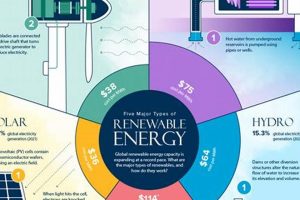
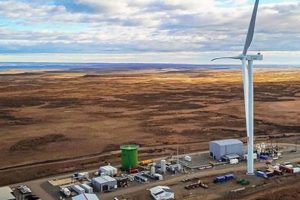
Ireland’s power generation is increasingly shifting towards sustainable sources, including wind, solar, hydro, and biomass. Harnessing the natural resources available within the country reduces reliance on imported fossil fuels and contributes to a lower carbon footprint. For example, onshore and offshore wind farms are becoming prominent features of the Irish landscape, capitalizing on the island’s consistently strong winds.
This transition to cleaner energy sources is crucial for meeting national and international climate targets, enhancing energy security, and stimulating economic growth within the green energy sector. Historically, Ireland has been heavily reliant on fossil fuels, but policy changes and technological advancements are driving rapid growth in the sustainable energy sector, creating jobs and fostering innovation. This shift brings environmental and economic benefits, decreasing harmful emissions and promoting sustainable development.
Exploring Ireland’s diverse approaches to sustainable power generation, this article will examine specific technologies, government policies, challenges, and future opportunities within the sector. This analysis will provide a comprehensive overview of the current state and future prospects of sustainable power within the country.
Tips for Supporting Sustainable Power in Ireland
Individuals, communities, and businesses can contribute to the growth of sustainable power. The following tips provide actionable steps to support this transition.
Tip 1: Invest in Home Energy Efficiency: Reducing energy consumption through improved insulation, energy-efficient appliances, and smart home technology minimizes reliance on the power grid and lowers household energy bills. Switching to LED lighting is a simple yet effective starting point.
Tip 2: Explore Microgeneration Options: Installing solar panels or small-scale wind turbines empowers individuals and communities to generate their own clean electricity, potentially reducing reliance on the national grid.
Tip 3: Support Sustainable Businesses: Choosing to purchase goods and services from companies committed to sustainable practices encourages wider adoption of environmentally responsible operations.
Tip 4: Advocate for Policy Changes: Engaging with local representatives and supporting policies that promote sustainable power generation can accelerate the transition to a cleaner energy system.
Tip 5: Stay Informed: Keeping up-to-date with advancements in sustainable technology and policy developments enables informed decision-making and effective advocacy.
Tip 6: Consider Green Energy Suppliers: Opting for electricity providers that prioritize renewable sources helps increase the demand for clean energy and supports further investment in the sector.
Tip 7: Reduce, Reuse, Recycle: Minimizing overall consumption and waste reduces the demand for energy required in manufacturing and processing.
By adopting these practices, individuals and communities can actively contribute to a more sustainable energy future, creating both environmental and economic benefits.
The combined efforts of individuals, businesses, and policymakers are essential to achieving a fully sustainable power system in Ireland.
1. Wind Energy

Wind energy plays a crucial role in Ireland’s transition to a sustainable energy system. The country’s geographical location, exposed to the North Atlantic, provides a consistent and strong wind resource, making it ideal for harnessing wind power. Both onshore and offshore wind farms contribute significantly to the national grid. Onshore wind farms, often located in rural areas, provide local economic benefits through job creation and land lease agreements. Offshore wind farms, while requiring higher initial investment, offer the potential to tap into even stronger and more consistent wind resources further out at sea. The Arklow Bank Wind Park, located off the coast of County Wicklow, serves as an example of Ireland’s early foray into offshore wind energy.
The continued development of wind energy is essential for Ireland to meet its renewable energy targets. Technological advancements, such as larger turbines and improved grid integration, are driving down the cost of wind power and increasing its efficiency. Floating offshore wind farms, a relatively new technology, offer the potential to exploit deeper water resources, further expanding Ireland’s wind energy capacity. Government policies, including financial incentives and streamlined planning processes, are supporting this expansion. However, challenges remain, such as potential impacts on marine ecosystems and the need for significant investment in grid infrastructure to accommodate the increasing influx of renewable energy. For example, projects like the proposed Celtic Interconnector, a subsea cable linking Ireland and France, will enable greater electricity exchange and facilitate further integration of renewable energy sources.
Wind energy presents a significant opportunity for Ireland to achieve energy independence, reduce greenhouse gas emissions, and create a sustainable energy future. Continued investment in research, development, and infrastructure is crucial to fully realize the potential of this abundant and clean energy source. Addressing the associated challenges through careful planning and community engagement will ensure the sustainable and equitable development of wind energy in Ireland. The transition to wind power is not merely a technological shift but a fundamental change in how energy is generated and consumed, contributing significantly to a more sustainable future.
2. Solar Power

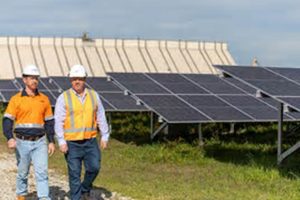
Solar power represents a growing component within Ireland’s renewable energy portfolio. While not historically a dominant source due to the country’s northerly latitude and often overcast skies, advancements in photovoltaic (PV) technology and decreasing costs are increasing solar energy’s viability. Government incentives, such as grants and feed-in tariffs, further encourage the adoption of solar power for both domestic and commercial applications. Rooftop solar installations on homes and businesses are becoming increasingly common, contributing to reduced reliance on the national grid and lowering electricity bills. Larger-scale solar farms, while still relatively limited in number, are emerging as a viable option for utility-scale renewable energy generation. For example, the development of solar farms in counties like Wexford and Cork demonstrates the growing interest and investment in solar energy within Ireland.
The practical significance of increased solar power adoption in Ireland is multifaceted. It contributes to national renewable energy targets, reduces dependence on imported fossil fuels, and creates opportunities within the green energy sector. Solar power complements other renewable sources like wind energy, providing a more balanced and resilient energy mix. While solar generation may be lower during winter months or periods of cloud cover, its peak production often coincides with periods of high energy demand, particularly during summer days. Furthermore, advancements in battery storage technology allow excess solar energy generated during peak hours to be stored and utilized when sunlight is less available, enhancing the reliability and effectiveness of solar power within the overall energy system. The integration of smart grid technologies further optimizes the distribution and utilization of solar energy, maximizing its benefits.
Despite the positive trajectory, challenges remain for solar power’s widespread adoption in Ireland. Land availability for large-scale solar farms can be a constraint, and grid infrastructure may require upgrades to accommodate the increasing influx of renewable energy. Public awareness and acceptance of solar installations, particularly larger projects, also require ongoing efforts to address potential aesthetic and environmental concerns. Continued policy support, technological advancements, and community engagement are essential to unlock the full potential of solar power as a key component of Ireland’s sustainable energy future. Addressing these challenges will enable solar energy to play a more substantial role in achieving national climate goals and creating a more secure and sustainable energy landscape.
3. Hydropower
Hydropower represents a well-established component of Ireland’s renewable energy mix, offering a reliable and predictable source of electricity generation. Utilizing the natural flow of water to generate power, hydropower plants contribute to a more sustainable energy landscape by reducing reliance on fossil fuels and minimizing greenhouse gas emissions. While not experiencing the same rapid growth as wind and solar energy, hydropower provides a valuable baseload power source, contributing to grid stability and overall energy security. Its consistent output complements the intermittent nature of other renewable sources.
- Conventional Hydroelectric Plants
Larger-scale hydroelectric plants, often located on major rivers, utilize dams to create reservoirs and control water flow. The Ardnacrusha Hydroelectric Power Station on the River Shannon, a historical landmark, exemplifies this type of facility. These plants provide a substantial and consistent energy supply, playing a significant role in Ireland’s energy mix. However, the environmental impact of large dams, including alterations to river ecosystems and potential flooding of surrounding areas, requires careful consideration and mitigation strategies.
- Pumped Hydro Storage
Pumped hydro storage facilities, such as the Turlough Hill Power Station in County Wicklow, function as giant batteries, storing excess energy generated from other sources, such as wind or solar. During periods of high energy demand, water is released from an upper reservoir to generate electricity. This technology enhances grid stability by balancing the intermittent nature of renewable energy sources and ensuring a reliable power supply. Pumped hydro storage plays a crucial role in optimizing the integration of variable renewable energy into the electricity grid.
- Run-of-River Hydropower
Run-of-river hydropower systems utilize the natural flow of rivers without the need for large dams or reservoirs. These smaller-scale projects have a lower environmental impact compared to conventional hydroelectric plants. They are particularly suitable for remote locations or areas with sensitive ecosystems. While their energy output may vary depending on river flow, run-of-river systems provide a sustainable and localized source of renewable energy, contributing to decentralized power generation and reducing transmission losses.
- Future of Hydropower in Ireland
While the potential for large-scale hydropower expansion in Ireland is limited, opportunities exist for optimizing existing facilities and developing smaller-scale projects, particularly run-of-river systems. Integrating hydropower with other renewable sources and utilizing pumped hydro storage for grid balancing will enhance the overall effectiveness and resilience of the renewable energy system. Further research and development in hydropower technologies, coupled with sustainable resource management practices, will ensure the continued contribution of hydropower to Ireland’s clean energy future.
Hydropower, as a mature and reliable renewable energy technology, continues to play a significant role in Ireland’s energy landscape. Its integration with other renewable sources, along with advancements in pumped hydro storage, positions hydropower as a key contributor to grid stability and the overall transition towards a more sustainable energy future. The careful and sustainable development of hydropower resources will be crucial for maximizing its contribution to Ireland’s renewable energy goals while minimizing environmental impacts. The evolution of hydropower technology and its strategic deployment will be key to its long-term success within the broader context of Ireland’s energy transition.
4. Biomass Energy
Biomass energy contributes to Ireland’s renewable energy targets by utilizing organic matter for heat and electricity generation. This sector encompasses various sources and technologies, offering both opportunities and challenges within the broader context of sustainable power development.
- Sources of Biomass
Biomass feedstocks range from forestry residues and energy crops to agricultural byproducts and organic waste. Sustainably managing these resources is crucial for ensuring long-term viability and minimizing environmental impact. Dedicated energy crops, such as willow and miscanthus, offer a renewable alternative to fossil fuels without diverting food crops. Utilizing agricultural residues, such as straw and manure, provides an additional revenue stream for farmers while reducing waste. Examples include Bord na Mna’s transition from peat harvesting to biomass production and the increasing use of woodchip boilers for heating in rural communities. Sustainable sourcing practices are essential to prevent deforestation and ensure the long-term viability of biomass as a renewable energy source.
- Biomass Conversion Technologies
Several technologies convert biomass into usable energy. Anaerobic digestion produces biogas from organic waste, which can be used for heating or electricity generation. Combined heat and power (CHP) plants utilize biomass to generate both electricity and heat, maximizing efficiency and reducing waste. Wood pellet stoves and boilers offer a renewable alternative to fossil fuel heating systems for homes and businesses. The choice of technology depends on the specific biomass feedstock, scale of operation, and desired energy output. For example, large-scale biomass power plants contribute to the national grid, while smaller-scale anaerobic digesters serve localized needs, offering flexibility and diverse applications.
- Environmental and Economic Considerations
While considered renewable, biomass energy presents environmental considerations. Sustainable harvesting and transportation of biomass are crucial to minimize carbon emissions and ecological impact. Ensuring efficient combustion processes is essential to minimize air pollution. Biomass energy offers economic benefits by creating jobs in rural areas, supporting local supply chains, and reducing reliance on imported fossil fuels. For example, the development of biomass energy projects can revitalize rural economies and provide new opportunities for farmers and foresters. Balancing environmental protection with economic development is crucial for the sustainable growth of the biomass sector.
- Policy and Regulatory Framework
Government policies and regulations play a crucial role in shaping the development of the biomass energy sector. Renewable energy targets, financial incentives, and sustainability criteria influence investment decisions and guide the sustainable development of biomass projects. For example, the Renewable Energy Support Scheme (RESS) provides financial support for renewable energy projects, including biomass. Clear and consistent policies, coupled with robust monitoring and enforcement mechanisms, are essential for ensuring the long-term sustainability and effectiveness of biomass energy in contributing to Ireland’s renewable energy goals.
The integration of biomass energy into Ireland’s renewable energy mix requires careful consideration of its diverse facets. Balancing environmental sustainability with economic development and ensuring responsible resource management are crucial for maximizing the benefits of biomass energy while minimizing potential risks. Continued technological advancements, coupled with supportive policies and community engagement, will determine the long-term success and contribution of biomass energy to a sustainable energy future for Ireland. The strategic deployment of biomass resources and technologies will be key to their successful integration within the broader context of Ireland’s energy transition.
5. Policy & Regulation

Policy and regulation form the bedrock of Ireland’s renewable energy transition, providing the framework for growth and development within the sector. Government targets, incentives, and planning procedures directly influence investment decisions and the pace of progress towards a more sustainable energy system. The Renewable Electricity Support Scheme (RESS), for example, provides a framework for incentivizing renewable energy projects, while planning regulations govern the development of wind farms and solar installations. These policies aim to create a stable and predictable environment for investment, fostering innovation and encouraging private sector participation in renewable energy projects. The effectiveness of policy and regulation hinges on clear objectives, consistent implementation, and ongoing adaptation to technological advancements and market dynamics. For example, the Climate Action Plan sets ambitious targets for renewable energy deployment, providing a clear direction for policy development and investment.
The practical significance of effective policy and regulation is evident in the growth of Ireland’s renewable energy capacity. Supportive policies can accelerate the deployment of wind, solar, and other renewable energy technologies, contributing to national emissions reduction targets and enhancing energy security. Streamlined planning processes can reduce development timelines and minimize barriers to project implementation. Conversely, inconsistent or poorly designed policies can hinder investment and impede progress. For instance, delays in grid connection approvals can stall renewable energy projects and increase development costs. Furthermore, clear regulations regarding community engagement and benefit-sharing are crucial for ensuring public acceptance and maximizing the social and economic benefits of renewable energy development. The establishment of community-owned wind farms, facilitated by supportive policies, exemplifies how effective regulation can empower local communities and foster widespread support for renewable energy projects.
Ireland’s ongoing transition to a renewable energy future relies heavily on the continued development and refinement of effective policies and regulations. Adapting to emerging technologies, such as offshore wind and energy storage, requires a flexible and forward-looking regulatory framework. Addressing challenges related to grid infrastructure, planning processes, and community engagement requires ongoing dialogue and collaboration between policymakers, industry stakeholders, and local communities. The effectiveness of policy and regulation in fostering a sustainable, secure, and equitable renewable energy sector will be a key determinant of Ireland’s success in achieving its climate and energy goals. Continual evaluation and adaptation of policies, informed by data and stakeholder input, are essential for ensuring the long-term viability and effectiveness of Ireland’s renewable energy transition. The synergy between well-designed policies and robust regulatory frameworks is paramount to achieving a sustainable and prosperous energy future for Ireland.
6. Grid Infrastructure
Ireland’s existing grid infrastructure, traditionally designed for centralized power generation from fossil fuels, faces significant challenges in accommodating the increasing influx of variable renewable energy sources like wind and solar. The intermittent nature of these resources requires a more flexible and robust grid capable of managing fluctuations in energy supply and demand. Upgrading transmission lines, substations, and distribution networks is crucial for efficiently integrating renewable energy and ensuring grid stability. Smart grid technologies, including advanced metering infrastructure and real-time monitoring systems, are essential for optimizing grid performance and managing the complexities of a decentralized energy system. For example, the EirGrid “Grid25” strategy outlines plans for significant investment in grid infrastructure to accommodate increased renewable energy penetration. Strengthening interconnections with neighboring countries, such as the Celtic Interconnector project with France, further enhances grid stability and facilitates cross-border electricity trading.
The practical implications of inadequate grid infrastructure are substantial. Bottlenecks in the transmission system can curtail the output of renewable energy projects, leading to lost generation and hindering progress towards national renewable energy targets. Grid instability, caused by fluctuations in renewable energy supply, can necessitate curtailment of renewable generation and increase reliance on conventional power plants, undermining the environmental benefits of renewable energy. Investing in grid modernization not only facilitates greater integration of renewable energy but also enhances overall grid resilience and reliability, reducing the risk of blackouts and ensuring a secure energy supply. For example, integrating energy storage solutions, such as batteries and pumped hydro, can help balance supply and demand, smoothing out fluctuations and enhancing grid stability. Furthermore, demand-side management programs, which incentivize consumers to shift their energy usage to off-peak hours, can contribute to a more balanced and efficient grid.
Modernizing Ireland’s grid infrastructure is not merely a technical necessity but a strategic imperative for achieving a sustainable energy future. It represents a significant investment that underpins the continued growth of the renewable energy sector and enables the country to meet its climate and energy objectives. Addressing challenges related to planning, permitting, and community engagement is crucial for ensuring timely and efficient grid development. The integration of smart grid technologies, coupled with robust cybersecurity measures, is essential for maintaining grid reliability and security in an increasingly complex and interconnected energy landscape. Ultimately, a modern and resilient grid infrastructure is the foundation upon which a successful and sustainable renewable energy transition is built, ensuring a secure, clean, and affordable energy future for Ireland. The strategic development and management of grid infrastructure will be a critical factor in shaping the future of Ireland’s energy system.
7. Community Engagement

Community engagement plays a vital role in the successful development and implementation of renewable energy projects in Ireland. Securing public acceptance and fostering local ownership are crucial for minimizing potential conflicts and maximizing the social and economic benefits of renewable energy for communities. Effective engagement builds trust, addresses concerns, and ensures that projects align with local priorities and values. This collaborative approach contributes to a more sustainable and equitable energy transition.
- Local Ownership and Benefit Sharing
Community-owned renewable energy projects, such as wind farms and solar installations, empower local residents to participate directly in the energy transition, generating revenue for community initiatives and creating local jobs. Benefit-sharing mechanisms, such as community funds and reduced energy tariffs, ensure that the economic advantages of renewable energy are distributed equitably. For example, community-owned wind farms in County Cork have generated substantial revenue for local development projects, demonstrating the potential of community ownership to drive both economic and social benefits. This direct participation fosters greater acceptance of renewable energy projects and strengthens community support for the broader energy transition.
- Early and Transparent Communication
Open and transparent communication with communities from the earliest stages of project development is essential for building trust and addressing potential concerns. Public consultations, community meetings, and readily accessible information platforms provide opportunities for meaningful dialogue and feedback. This proactive approach helps to identify and mitigate potential conflicts early on, fostering a collaborative and mutually beneficial relationship between project developers and local communities. For example, developers of offshore wind farms engage with fishing communities and other stakeholders to address potential impacts on livelihoods and marine ecosystems, demonstrating the importance of early and ongoing communication in building trust and minimizing conflict.
- Addressing Concerns and Mitigating Impacts
Renewable energy projects can raise legitimate concerns within communities regarding visual impacts, noise pollution, and potential effects on local ecosystems. Actively addressing these concerns through robust environmental impact assessments, mitigation measures, and ongoing monitoring is crucial for building public confidence and ensuring that projects are developed responsibly. For example, wind farm developers implement noise reduction strategies and habitat restoration initiatives to minimize environmental impact and address community concerns. Demonstrating a commitment to environmental stewardship and community well-being strengthens public support for renewable energy development.
- Education and Capacity Building
Educating communities about the benefits of renewable energy, the technologies involved, and the opportunities for local participation is essential for fostering informed decision-making and building widespread support for the energy transition. Capacity-building initiatives, such as training programs for local businesses and workforce development opportunities, empower communities to actively participate in the renewable energy sector. For example, educational programs in schools and community centers promote understanding of renewable energy technologies and their potential to create local economic opportunities. Empowering communities with knowledge and skills fosters greater acceptance and ownership of the energy transition.
Successful integration of renewable energy into Ireland’s energy landscape hinges on effective community engagement. By fostering local ownership, promoting transparent communication, addressing concerns, and investing in education and capacity building, developers can build strong relationships with communities and ensure that the benefits of renewable energy are shared equitably. This collaborative approach strengthens public support for the energy transition and contributes to a more sustainable and prosperous future for all. The ongoing evolution of community engagement strategies will be crucial for maximizing the social, economic, and environmental benefits of renewable energy in Ireland.
Frequently Asked Questions about Renewable Energy in Ireland
This section addresses common queries regarding the development and implementation of renewable energy within Ireland, providing concise and informative responses.
Question 1: How does renewable energy contribute to Ireland’s climate goals?
Renewable energy sources, such as wind, solar, and hydro, generate electricity without emitting greenhouse gases, directly reducing Ireland’s carbon footprint and contributing to national and international climate targets. Replacing fossil fuels with renewable energy is crucial for mitigating climate change and achieving a sustainable energy future.
Question 2: What are the main barriers to renewable energy development in Ireland?
Key challenges include grid infrastructure limitations, planning and permitting complexities, securing public acceptance for projects, and ensuring the sustainable management of resources. Addressing these barriers requires strategic investment, streamlined processes, and effective community engagement.
Question 3: How can communities benefit from renewable energy projects?
Renewable energy projects can generate economic benefits for communities through job creation, local investment, and community ownership schemes. Benefit-sharing mechanisms, such as community funds and reduced energy tariffs, can ensure that economic advantages are distributed equitably.
Question 4: What role does energy storage play in a renewable energy system?
Energy storage technologies, such as batteries and pumped hydro, address the intermittency of renewable sources like wind and solar. Storing excess energy generated during peak periods and releasing it during periods of low generation or high demand enhances grid stability and ensures a reliable power supply. For example, pumped hydro storage facilities, such as Turlough Hill, play a critical role in balancing the electricity grid. Battery storage solutions are also becoming increasingly prevalent, offering flexibility and grid support at various scales.
Question 5: How does Ireland’s approach to renewable energy compare internationally?
Ireland’s significant wind energy resource positions the country as a leader in onshore wind development. Government policies and targets support the continued growth of renewable energy across various technologies. International collaboration, such as participation in European Union renewable energy initiatives, plays a key role in knowledge sharing and best practice adoption. Continuous improvement and adaptation are essential for maintaining a competitive edge and achieving ambitious climate targets.
Question 6: What is the future outlook for renewable energy in Ireland?
The future of renewable energy in Ireland is characterized by continued growth and diversification. Offshore wind energy, solar power, and innovative energy storage solutions are expected to play increasingly prominent roles. Realizing this future requires sustained policy support, strategic investment in grid infrastructure, and ongoing community engagement. The transition to a decarbonized energy system presents both opportunities and challenges, requiring collaborative efforts from government, industry, and communities to achieve a sustainable energy future.
Understanding the key aspects of renewable energy in Ireland is essential for informed decision-making and effective participation in the energy transition. Continued learning and engagement are crucial for navigating the complexities of this evolving landscape.
For further information, explore the resources and detailed analyses provided throughout this article.
Renewable Energy
Ireland’s transition towards sustainable power generation represents a multifaceted undertaking with significant implications for the nation’s economic, environmental, and social well-being. This exploration has highlighted the diverse range of renewable energy technologies being deployed, including wind, solar, hydro, and biomass, each with its own unique contributions and challenges. The critical role of policy and regulation, grid infrastructure development, and community engagement in facilitating this transition has been underscored. Overcoming existing barriers and maximizing the benefits of renewable energy requires continued investment, innovation, and collaboration among stakeholders.
The pursuit of a sustainable energy future requires a sustained commitment to innovation, adaptation, and collaboration. The choices made today will shape Ireland’s energy landscape for generations to come. Embracing the opportunities presented by renewable energy is not merely a technological shift; it represents a fundamental step towards a more secure, resilient, and environmentally responsible future for Ireland.