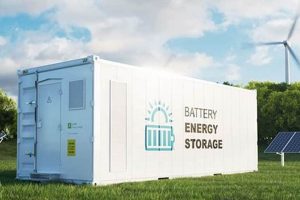
Storing energy generated from sources like solar, wind, and hydro is crucial for a reliable and consistent power supply. For example, excess solar energy generated during peak sunlight hours can be stored and used later at night or during cloudy periods. This ability to retain power offers grid stability and reduces reliance on traditional fossil fuels.
A dependable energy supply from intermittent sources is essential for a sustainable energy future. Historically, reliance on fossil fuels provided consistent power, but the finite nature of these resources and their environmental impact necessitates a shift. The capacity to retain energy from sustainable sources enables greater penetration of these resources into the energy mix, reduces greenhouse gas emissions, and enhances energy independence. This capability is becoming increasingly vital as the global energy landscape transitions toward decarbonization.
This discussion will explore various technologies used to store power generated from sustainable resources, including pumped hydro, batteries, compressed air, and thermal storage, analyzing their advantages, disadvantages, and potential for future development. The evolving economic and policy landscape surrounding these technologies will also be examined.
Tips for Implementing Sustainable Energy Storage Solutions
Effective implementation of energy storage solutions requires careful consideration of several factors to maximize benefits and ensure long-term viability. The following tips offer guidance for successful integration of these technologies.
Tip 1: Conduct a Thorough Needs Assessment: Accurate evaluation of energy demands, consumption patterns, and peak load requirements is essential for selecting the appropriate storage technology and capacity. For instance, a commercial building with high daytime energy consumption might benefit from battery storage coupled with solar panels, while a remote community might find pumped hydro storage more suitable.
Tip 2: Evaluate Available Technologies: Different technologies offer varying performance characteristics, lifespans, and cost-effectiveness. Careful consideration of factors such as discharge duration, energy density, and round-trip efficiency is crucial for optimizing system performance.
Tip 3: Consider Geographic and Environmental Factors: The local environment plays a significant role in determining the suitability of different storage solutions. Pumped hydro requires specific geographical features, while battery performance can be affected by extreme temperatures.
Tip 4: Explore Policy and Regulatory Incentives: Government incentives, tax credits, and subsidies can significantly impact the financial viability of energy storage projects. Staying informed about current policies and regulations is essential.
Tip 5: Plan for Long-Term Operations and Maintenance: Sustainable energy storage systems require regular maintenance to ensure optimal performance and longevity. Developing a comprehensive maintenance plan is crucial for maximizing the return on investment.
Tip 6: Integrate with Existing Infrastructure: Seamless integration with existing power grids and energy management systems is essential for maximizing the effectiveness of storage solutions. Compatibility with existing infrastructure should be a key consideration during the planning phase.
Tip 7: Prioritize Safety and Reliability: Robust safety protocols and redundancy measures are critical for ensuring the safe and reliable operation of energy storage systems. Adhering to industry best practices and safety standards is paramount.
By adhering to these guidelines, stakeholders can maximize the benefits of energy storage, contributing to a more sustainable and resilient energy future. Successful integration of these technologies will be vital for reducing reliance on traditional energy sources and mitigating the impacts of climate change.
The following section will offer a more detailed analysis of specific technologies and their applications within various sectors.
1. Grid Stability

Maintaining a stable electricity grid is crucial for ensuring a reliable power supply. The intermittent nature of renewable energy sources, such as solar and wind, presents challenges to grid stability due to fluctuations in power generation. Integrating energy storage solutions addresses this challenge by providing a buffer against these fluctuations, enabling a more consistent and predictable energy supply.
- Frequency Regulation
Frequency regulation is essential for maintaining the balance between electricity supply and demand. Fluctuations in frequency can damage equipment and lead to grid instability. Storage systems can respond rapidly to frequency deviations, injecting or withdrawing power as needed to maintain a stable frequency. For example, batteries can discharge power within milliseconds, providing near-instantaneous frequency response. This rapid response capability makes energy storage a crucial asset for grid operators.
- Peak Shaving and Load Shifting
Peak demand periods, when electricity consumption is highest, often strain grid infrastructure and necessitate the use of less efficient “peaker” power plants. Storage systems can mitigate this by discharging stored energy during peak periods, reducing the need for peaker plants. Load shifting, the process of storing energy during off-peak periods and discharging it during peak periods, further optimizes grid resource utilization and reduces reliance on fossil fuel-based generation.
- Voltage Support
Maintaining consistent voltage levels is critical for ensuring the proper functioning of electrical equipment. Renewable energy generation can introduce voltage fluctuations, particularly in areas with high penetration of distributed generation. Storage systems, especially those deployed closer to the point of consumption, can provide voltage support by injecting or absorbing reactive power, thereby stabilizing voltage levels and enhancing grid reliability.
- Black Start Capability
Black start refers to the ability of a power plant to restart itself without relying on external power sources. This is critical for restoring power after a blackout. Certain energy storage technologies, such as pumped hydro and some battery systems, can provide black start capabilities, enhancing grid resilience and minimizing downtime during outages. This functionality can be particularly valuable in remote areas or islands with limited grid connectivity.
The ability of energy storage to address these facets of grid stability is crucial for facilitating the transition to a power system with higher penetrations of renewable energy. By smoothing out the intermittency of these resources, storage solutions enable a more reliable, resilient, and sustainable electricity grid, contributing to a cleaner and more secure energy future. As renewable energy deployment continues to grow, the role of energy storage in maintaining grid stability will only become more critical.
2. Cost Reduction

Renewable energy storage plays a significant role in reducing energy costs across various sectors. The economic benefits stem from several key mechanisms, including peak demand reduction, optimized energy consumption, and enhanced grid efficiency. By strategically storing energy generated during off-peak hours or periods of high renewable generation, consumers and grid operators can reduce their reliance on expensive peak-hour electricity and decrease overall energy expenditures. For instance, industrial facilities can leverage stored energy to power operations during peak demand periods, avoiding higher electricity tariffs. Similarly, homeowners with solar panels and battery storage can store excess solar energy generated during the day and use it in the evening, minimizing their reliance on grid electricity.
Furthermore, incorporating energy storage can defer or eliminate the need for costly grid infrastructure upgrades. By reducing peak demand, storage systems lessen the strain on transmission and distribution networks, potentially delaying or avoiding the need for investments in new power lines and substations. This deferral translates into significant cost savings for utilities and ratepayers. In addition, advanced energy storage technologies coupled with smart grids enable more efficient energy management, optimizing energy dispatch and minimizing transmission losses, further contributing to cost reductions throughout the electricity supply chain. An example of this can be seen in virtual power plants, which aggregate distributed energy resources, including energy storage, to provide grid services and reduce overall system costs.
The decreasing cost of energy storage technologies, particularly batteries, further amplifies the economic benefits of renewable energy integration. As battery prices continue to decline, the return on investment for energy storage projects improves, making them increasingly attractive for both residential and commercial applications. While challenges remain in terms of upfront capital costs and the need for effective policy frameworks to incentivize adoption, the ongoing cost reductions and demonstrable economic benefits of energy storage position it as a crucial component in the transition to a more affordable and sustainable energy future. Wider adoption of storage solutions will be essential for realizing the full economic potential of renewable energy and achieving long-term cost reductions for consumers and utilities alike.
3. Technology Advancements
Advancements in energy storage technologies are essential for the widespread adoption and effectiveness of renewable energy sources. These innovations address key challenges associated with intermittency, grid stability, and cost-effectiveness, paving the way for a more sustainable and reliable energy future. Ongoing research and development efforts focus on improving existing technologies and exploring novel approaches to energy storage, promising significant advancements in performance, efficiency, and affordability.
- Improved Battery Chemistries
Battery technology is rapidly evolving, with advancements in chemistries like lithium-ion, solid-state, and flow batteries offering higher energy densities, longer lifespans, and improved safety features. For instance, solid-state batteries, which replace the liquid electrolyte with a solid material, promise increased safety and energy density, potentially revolutionizing electric vehicle applications and grid-scale energy storage. These improvements are crucial for enhancing the viability of renewable energy integration by providing more efficient and cost-effective storage solutions.
- Advanced Power Electronics
Power electronics play a crucial role in managing the flow of energy between renewable sources, storage systems, and the grid. Advancements in power converters, inverters, and other components are improving the efficiency and responsiveness of energy storage systems, enabling more seamless integration with renewable energy sources and enhancing grid stability. For example, advanced inverters with grid-forming capabilities can enhance the stability and resilience of grids with high penetrations of renewable energy. This progress is critical for maximizing the benefits of energy storage and ensuring reliable grid operation.
- Smart Grid Integration
Integrating energy storage with smart grids allows for optimized energy management and improved grid performance. Smart grid technologies, such as advanced metering infrastructure and real-time monitoring systems, enable dynamic control of energy storage resources, optimizing their use for peak shaving, load shifting, and frequency regulation. These functionalities enhance grid efficiency, reduce operating costs, and maximize the value of renewable energy integration. For instance, utilizing machine learning algorithms to predict energy demand and optimize storage dispatch can further enhance grid stability and reduce reliance on fossil fuel-based generation.
- Hybrid Storage Systems
Combining different storage technologies into hybrid systems offers opportunities to leverage the strengths of each technology and address specific grid needs. For example, integrating batteries with pumped hydro storage can provide both short-term, high-power capabilities and long-term energy storage, enhancing grid flexibility and resilience. These hybrid systems can be tailored to specific applications and grid requirements, offering greater versatility and cost-effectiveness compared to single-technology solutions. Exploring and developing such integrated systems are crucial for maximizing the benefits of energy storage within the evolving energy landscape.
These ongoing advancements in energy storage technologies are critical for unlocking the full potential of renewable energy sources. By improving the efficiency, affordability, and reliability of storage solutions, these innovations are paving the way for a cleaner, more sustainable, and more secure energy future. Further research and development in these areas will be essential for accelerating the transition to a decarbonized energy system and addressing the global challenge of climate change.
4. Environmental Impact
Renewable energy storage significantly reduces the environmental footprint of the energy sector. Traditional power generation, heavily reliant on fossil fuels, contributes substantially to greenhouse gas emissions, air pollution, and other environmental detriments. Integrating storage solutions with renewable energy sources mitigates these impacts by displacing fossil fuel-based generation. For example, utilizing battery storage to store excess solar energy reduces reliance on natural gas peaker plants, which are major sources of air pollutants and greenhouse gases. Similarly, pumped hydro storage offers a clean and efficient means of storing large amounts of energy, leveraging existing water resources and minimizing land use impacts compared to other storage technologies. Furthermore, the manufacturing processes associated with certain storage technologies, like battery production, can have environmental implications. However, advancements in battery recycling and the use of more sustainable materials are mitigating these concerns. Life-cycle assessments of various storage technologies provide valuable insights into their overall environmental impact, helping to inform decision-making and promote more sustainable practices.
Reduced reliance on fossil fuels through renewable energy storage contributes to cleaner air and water. The decreased emissions of air pollutants, such as nitrogen oxides and particulate matter, improve air quality, leading to positive public health outcomes. Furthermore, reducing reliance on fossil fuel extraction and transportation minimizes the risk of spills and other environmental accidents associated with these activities. For instance, shifting from fossil fuels to renewable energy paired with storage reduces the need for oil and gas pipelines, minimizing the potential for leaks and habitat disruption. The transition towards a more sustainable energy system also reduces water consumption associated with traditional power generation, particularly in water-stressed regions. This reduced water demand helps conserve valuable water resources and mitigate potential conflicts over water usage. The shift towards a more decentralized energy system, enabled by distributed energy storage, also enhances grid resilience and reduces the vulnerability to large-scale outages caused by extreme weather events or other disruptions. This enhanced resilience is becoming increasingly important in the face of climate change and the growing frequency of extreme weather events. The integration of energy storage solutions represents a significant step towards more environmentally responsible and resilient energy infrastructure.
Addressing the environmental impacts of energy production and consumption is paramount for a sustainable future. Renewable energy storage plays a critical role in this transition by enabling greater integration of clean energy sources, minimizing reliance on fossil fuels, and reducing the overall environmental footprint of the energy sector. Continued advancements in storage technologies, coupled with supportive policies and regulations, are essential for maximizing the environmental benefits and accelerating the shift towards a cleaner, more sustainable energy system. Careful consideration of the life-cycle impacts of different storage technologies and responsible sourcing of materials are crucial for ensuring that the transition to renewable energy is truly sustainable. The integration of environmental considerations into energy planning and decision-making processes will be crucial for achieving long-term environmental sustainability and mitigating the impacts of climate change.
5. Energy Independence

Energy independence, the ability to meet energy needs without relying on external sources, is significantly enhanced by renewable energy storage. Reliable access to domestically generated sustainable energy reduces vulnerability to geopolitical instability and volatile fuel prices, strengthening national energy security and promoting self-sufficiency. Integrating storage solutions enables nations and regions to maximize the utilization of their renewable resources, reducing reliance on imported fossil fuels and enhancing energy autonomy. This section will explore key facets of this connection.
- Reduced Reliance on Imported Fuels
Renewable energy coupled with storage reduces reliance on energy imports, particularly fossil fuels. By generating and storing energy domestically, nations can decrease their dependence on foreign energy sources, mitigating the economic and political risks associated with energy imports. For example, a country with significant solar resources can deploy large-scale solar farms coupled with battery storage to meet a substantial portion of its electricity demand, reducing its reliance on imported natural gas or oil. This shift strengthens energy security and promotes greater control over domestic energy supply. This reduced reliance on external suppliers has significant economic implications, as it reduces trade deficits and stabilizes energy costs, shielding consumers and businesses from fluctuating global fuel prices.
- Enhanced Grid Resilience and Reliability
Energy storage enhances grid resilience by providing backup power during outages and grid disturbances. This is particularly important for regions with limited grid interconnections or those prone to extreme weather events. Distributed energy storage, such as residential battery systems, can provide critical backup power during outages, ensuring essential services remain operational. For instance, during a grid outage caused by a severe storm, homes equipped with solar panels and battery storage can maintain power, enhancing community resilience and minimizing disruptions. Moreover, grid-scale storage can help stabilize the grid and prevent cascading failures, further bolstering overall grid reliability. This enhanced resilience is particularly crucial for island nations or remote communities with limited access to external grid support, enabling greater energy self-sufficiency and reducing vulnerability to disruptions.
- Economic Growth and Job Creation
The transition to renewable energy coupled with storage stimulates economic growth and creates jobs in manufacturing, installation, maintenance, and research and development. Domestic manufacturing of storage technologies, such as batteries and pumped hydro components, creates new industries and employment opportunities. For example, investing in battery manufacturing facilities creates jobs in engineering, production, and supply chain management. Furthermore, the deployment and maintenance of renewable energy and storage systems require skilled labor, creating additional job opportunities in local communities. This economic diversification strengthens national economies and reduces reliance on traditional fossil fuel industries, fostering a more sustainable and resilient economic landscape.
- Decentralized Energy Systems
Renewable energy storage facilitates the development of decentralized energy systems, also known as microgrids. Microgrids can operate independently of the main power grid, providing enhanced resilience and reliability, particularly in remote or underserved areas. For example, a remote community can establish a microgrid powered by solar panels, wind turbines, and battery storage, reducing its reliance on the main grid and ensuring a stable power supply. This localized energy production and storage enhance energy independence and empower communities to manage their own energy resources. Decentralized systems also reduce transmission losses associated with centralized grids, further improving overall energy efficiency and reducing reliance on large-scale infrastructure investments. This decentralized approach to energy management empowers communities and strengthens regional energy security.
Renewable energy storage is thus integral to achieving energy independence. By enabling greater utilization of domestic renewable resources, enhancing grid resilience, and stimulating economic growth, storage solutions empower nations and communities to control their energy future. This shift towards greater energy autonomy reduces reliance on external energy sources, mitigates geopolitical risks, and promotes a more sustainable and secure energy landscape. As storage technologies continue to advance and costs decline, the potential for achieving widespread energy independence through renewable energy integration will only grow stronger. The transition to a decentralized and resilient energy system, powered by renewable sources and supported by robust storage solutions, represents a pathway towards greater energy security, economic prosperity, and environmental sustainability.
6. Resource Optimization

Resource optimization is intrinsically linked to the effective deployment of renewable energy storage. Maximizing the utilization of intermittent renewable sources, such as solar and wind, requires efficient storage solutions to capture excess energy generated during periods of high production and dispatch it during times of low production or peak demand. This optimization minimizes curtailmentthe intentional reduction of renewable energy generation due to grid limitationsand ensures that valuable renewable resources are fully utilized. The following facets illustrate the crucial role of storage in resource optimization:
- Minimizing Curtailment
Renewable energy curtailment occurs when the grid cannot accommodate the full output of renewable generation sources. This often happens during periods of high wind or solar generation combined with low demand. Energy storage addresses this issue by capturing excess energy, which can then be dispatched later when demand increases or renewable generation decreases. This minimizes wasted renewable energy, maximizing the return on investment in renewable energy infrastructure and contributing to a more sustainable energy system. For instance, in California, significant solar curtailment occurs during the midday peak sun hours, when solar generation exceeds demand. Battery storage systems can capture this excess energy and discharge it later in the day, reducing the need for fossil fuel-based power plants and minimizing wasted solar power.
- Improving Load Forecasting and Management
Accurate load forecasting is crucial for optimizing energy storage dispatch and ensuring grid stability. Advanced forecasting techniques, combined with real-time data from smart grids, allow operators to predict energy demand more accurately and optimize the charging and discharging of storage systems. This ensures that stored energy is available when needed, minimizing reliance on less efficient or more polluting generation sources. For example, utilities can use weather forecasts and historical demand data to predict periods of high renewable energy generation and low demand, allowing them to proactively charge storage systems and minimize curtailment. Similarly, accurate load forecasting enables utilities to anticipate peak demand periods and discharge stored energy strategically, reducing the need for expensive peaker plants.
- Enhancing System Flexibility and Reliability
Renewable energy storage enhances grid flexibility by providing a buffer against the intermittency of renewable sources. This flexibility allows grid operators to respond more effectively to fluctuations in supply and demand, improving grid stability and reliability. Storage systems can quickly inject or withdraw power from the grid, providing ancillary services such as frequency regulation and voltage support, which are essential for maintaining grid stability. For example, batteries can respond almost instantaneously to frequency deviations, helping to maintain grid frequency within acceptable limits and prevent cascading failures. This rapid response capability is crucial for ensuring grid reliability and minimizing the impact of intermittent renewable generation.
- Integrating Distributed Energy Resources
Energy storage facilitates the integration of distributed energy resources (DERs), such as rooftop solar panels and small wind turbines, into the grid. By storing excess energy generated by DERs, storage systems enable greater penetration of these resources without compromising grid stability. This decentralized approach to energy generation and storage enhances grid resilience and reduces reliance on large, centralized power plants. For example, community-based battery storage systems can aggregate energy from rooftop solar panels in a neighborhood and discharge it during peak demand periods, reducing the strain on the local distribution network and minimizing the need for grid upgrades. This optimized integration of DERs contributes to a more decentralized and resilient energy system.
Through these facets, resource optimization facilitated by renewable energy storage transforms the energy landscape. Minimized curtailment, improved forecasting, enhanced grid flexibility, and DER integration collectively contribute to a more efficient, sustainable, and reliable energy system. As renewable energy penetration continues to grow, optimizing resource utilization through strategic deployment of energy storage becomes increasingly critical for achieving a decarbonized and resilient energy future.
7. Policy Support
Policy support is crucial for accelerating the deployment and integration of renewable energy storage technologies. Effective policies create a favorable market environment, incentivize investment, and address barriers to adoption, enabling the widespread deployment of storage solutions and facilitating the transition to a more sustainable energy system. Supportive policies can take various forms, including tax incentives, grants, rebates, renewable portfolio standards, and streamlined permitting processes. These policies are essential for driving innovation, reducing costs, and maximizing the benefits of renewable energy storage.
- Financial Incentives
Financial incentives, such as tax credits, investment tax credits, and rebates, directly reduce the upfront cost of energy storage systems, making them more financially attractive for consumers and businesses. For example, the Investment Tax Credit in the United States provides a significant tax credit for investments in renewable energy storage, stimulating market growth and accelerating deployment. These incentives can be targeted towards specific technologies or applications, such as residential battery storage or grid-scale storage projects. By lowering the financial barriers to entry, these policies encourage wider adoption of storage solutions and accelerate the transition to a cleaner energy system. These incentives can also stimulate private sector investment and innovation, driving down the cost of storage technologies over time.
- Renewable Portfolio Standards (RPS)
Renewable Portfolio Standards (RPS) require electricity suppliers to obtain a certain percentage of their electricity from renewable sources. Some RPS policies include provisions for energy storage, recognizing its crucial role in integrating variable renewable resources like solar and wind. By mandating the inclusion of storage in renewable energy procurement targets, RPS policies create market demand for storage solutions and drive investment in the sector. For instance, some states in the US require utilities to include a specific amount of energy storage capacity in their renewable energy portfolios, further accelerating the deployment of storage technologies and enhancing grid reliability. These standards can also encourage the development of diverse storage technologies and business models, fostering competition and innovation within the market.
- Streamlined Permitting and Interconnection Processes
The permitting and interconnection processes for energy storage projects can be complex and time-consuming, hindering deployment. Streamlined permitting procedures, standardized interconnection requirements, and clear regulatory frameworks can significantly reduce the time and cost associated with deploying storage projects. For example, establishing standardized interconnection guidelines for battery storage systems simplifies the process for connecting these systems to the grid, reducing delays and costs. These streamlined processes encourage private sector investment and accelerate the deployment of storage solutions, enabling greater integration of renewable energy and enhancing grid flexibility. Clear and predictable regulations provide investors with the certainty they need to commit capital to energy storage projects, further stimulating market growth.
- Grid Modernization Initiatives
Grid modernization initiatives, which aim to upgrade and enhance the existing electricity grid, often incorporate energy storage as a key component. Investments in smart grids, advanced metering infrastructure, and grid management systems enable more efficient integration of renewable energy and storage resources. For example, grid modernization programs can fund the deployment of grid-scale storage systems to provide ancillary services, such as frequency regulation and voltage support, enhancing grid stability and reliability. These initiatives can also support the development of virtual power plants, which aggregate distributed energy resources, including storage, to provide grid services and enhance grid flexibility. By investing in grid modernization, policymakers can create a more flexible and resilient grid that is capable of accommodating higher penetrations of renewable energy and supporting the transition to a cleaner energy system.
These policy mechanisms are essential for creating a supportive environment for renewable energy storage deployment. By addressing financial barriers, creating market demand, streamlining regulations, and investing in grid modernization, policymakers can unlock the full potential of energy storage to enable a more sustainable, reliable, and resilient energy future. Effective policy support is crucial for driving innovation, reducing costs, and maximizing the benefits of renewable energy storage, accelerating the transition to a cleaner and more secure energy system. As the energy landscape continues to evolve, adaptive and forward-looking policies will be essential for ensuring the successful integration of renewable energy and storage technologies and achieving long-term energy sustainability.
Frequently Asked Questions about Renewable Energy Storage
This section addresses common inquiries regarding the role, functionality, and impact of incorporating storage solutions within renewable energy systems.
Question 1: What is the primary function of energy storage in a renewable energy system?
Storage addresses the intermittent nature of renewable sources like solar and wind, providing a consistent power supply even when the sun isn’t shining or the wind isn’t blowing. This ensures grid stability and reliability.
Question 2: What are the most common types of energy storage technologies used with renewables?
Common technologies include pumped hydro storage, battery storage (lithium-ion, flow batteries, etc.), compressed air energy storage, and thermal energy storage (molten salt, pumped heat). Each technology has its own advantages and disadvantages depending on the specific application.
Question 3: How does energy storage contribute to grid stability?
Storage systems provide grid services such as frequency regulation, voltage support, and black start capability, ensuring a stable and reliable electricity supply even with fluctuating renewable generation. They also enable peak shaving and load shifting, optimizing grid resource utilization.
Question 4: What are the economic benefits of integrating energy storage with renewables?
Economic advantages include reduced reliance on expensive peaker plants, decreased electricity costs for consumers, deferred grid infrastructure upgrades, and the creation of new jobs in the energy storage industry.
Question 5: What is the environmental impact of energy storage technologies?
Storage solutions reduce greenhouse gas emissions by displacing fossil fuel-based generation. However, the manufacturing and disposal of certain storage technologies can have environmental impacts, highlighting the need for responsible sourcing and recycling practices.
Question 6: What role does policy play in promoting the adoption of renewable energy storage?
Government policies such as tax incentives, grants, Renewable Portfolio Standards, and streamlined permitting processes are crucial for incentivizing investment, reducing costs, and accelerating the deployment of energy storage technologies.
Understanding these key aspects of renewable energy storage is essential for informed decision-making and effective implementation. The continued development and deployment of storage solutions are crucial for achieving a sustainable and reliable energy future.
The subsequent sections delve into specific storage technologies and their applications in more detail.
Conclusion
Effective integration of renewable energy sources hinges critically upon the availability of robust and efficient storage solutions. This exploration has highlighted the multifaceted role of renewable energy storage in ensuring grid stability, reducing energy costs, fostering technological advancements, minimizing environmental impact, enhancing energy independence, optimizing resource utilization, and benefiting from supportive policy frameworks. Each of these facets contributes significantly to the overall viability and effectiveness of transitioning towards a more sustainable energy paradigm.
The ongoing evolution and refinement of storage technologies, coupled with strategic policy implementation, hold the key to unlocking the full potential of renewable energy resources. Widespread adoption of these technologies is essential not only for mitigating the impacts of climate change but also for ensuring long-term energy security, economic prosperity, and a more sustainable future for all. Continued investment in research, development, and deployment of advanced storage solutions is paramount for realizing a truly sustainable and resilient energy future.