The proportion of electricity generated from renewable sources in Germany is a key indicator of the nation’s progress towards its energy transition goals. This figure reflects the contribution of sources like wind, solar, hydro, and biomass to the overall power mix. For instance, a figure of 40% indicates that 40% of the electricity consumed in the country comes from renewable sources.
A high share of renewable energy generation offers several advantages, including reduced reliance on fossil fuels, decreased greenhouse gas emissions, enhanced energy security, and stimulation of the green economy. Historically, Germany has been a leader in promoting renewable energy, setting ambitious targets and implementing policies to support its growth. This commitment has led to a substantial increase in renewable electricity generation over the past few decades, transforming the energy landscape and providing a model for other nations.
This article will delve deeper into various aspects of Germany’s renewable energy landscape, exploring recent trends, challenges, and future prospects. Specific topics covered include the breakdown of different renewable energy sources, government policies and incentives, grid integration issues, and the impact on energy prices and security.
Tips for Understanding Renewable Energy Statistics
Analyzing national renewable energy data requires careful consideration of various factors. These tips provide guidance for interpreting statistics related to renewable energy generation and consumption.
Tip 1: Consider the Time Frame: Data should be assessed over different periods (e.g., annual, seasonal) to account for variations in renewable energy generation due to weather patterns and seasonal demand.
Tip 2: Distinguish Between Capacity and Generation: Installed capacity represents the maximum potential output, while actual generation reflects the electricity produced. Comparing these figures provides insights into the efficiency and utilization of renewable energy resources.
Tip 3: Analyze the Energy Mix: Understanding the contribution of different renewable sources (wind, solar, hydro, biomass) reveals a nation’s diversification strategy and potential vulnerabilities.
Tip 4: Account for Energy Imports and Exports: Net energy imports and exports can significantly influence a country’s overall renewable energy share. Domestic generation should be considered in the context of energy trade balances.
Tip 5: Examine Policy and Regulatory Frameworks: Government policies, subsidies, and regulations play a crucial role in promoting renewable energy development. Analyzing these factors provides context for observed trends and future projections.
Tip 6: Compare with Other Countries: Benchmarking against international data allows for a better understanding of a country’s relative progress and performance in the renewable energy sector.
Tip 7: Consider Technological Advancements: Innovation in renewable energy technologies can significantly impact efficiency, cost-effectiveness, and future deployment potential. Staying informed about technological developments is essential for accurate assessments.
By considering these factors, one can gain a more comprehensive and nuanced understanding of a nation’s renewable energy progress and its implications for the broader energy landscape.
These insights provide a valuable foundation for the concluding remarks on the future of renewable energy in Germany and its global significance.
1. Renewable Energy Sources

The composition of Germany’s renewable energy portfolio is a crucial determinant of its overall renewable energy percentage. Understanding the contribution of individual sources provides insight into the nation’s energy strategy and its effectiveness in achieving its renewable energy targets.
- Wind Power:
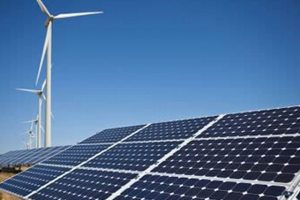
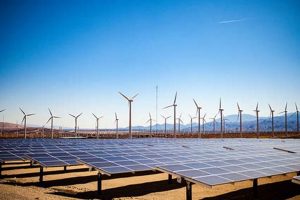
Wind energy, both onshore and offshore, constitutes a significant portion of Germany’s renewable electricity generation. The North Sea and Baltic Sea offer substantial offshore wind potential, while onshore wind farms are prevalent across the country. The variability of wind resources necessitates grid management strategies and complementary generation sources.
- Solar Power:
Photovoltaic (PV) solar installations have experienced rapid growth in Germany, driven by declining costs and supportive policies. Rooftop solar plays a major role, while large-scale solar farms are also expanding. Solar energy’s dependence on sunlight necessitates energy storage solutions and grid integration to ensure a stable electricity supply.
- Biomass Energy:
Biomass, including wood, biogas, and biofuels, contributes to Germany’s renewable energy mix. While it provides a relatively stable source of energy, concerns regarding sustainability and competition with other land uses necessitate careful management and sustainable sourcing practices.
- Hydropower:
Hydropower contributes a smaller, yet consistent, share of Germany’s renewable electricity. Its potential for expansion is limited due to geographical constraints and environmental considerations. Run-of-river hydropower plants are generally preferred over large-scale dam projects to minimize ecological impact.
The interplay of these diverse renewable energy sources, each with its own strengths and limitations, shapes Germany’s renewable energy percentage and influences the nation’s overall energy transition strategy. Balancing the contributions of these sources while addressing grid integration challenges and ensuring environmental sustainability is key to achieving ambitious renewable energy targets.
2. Energy Consumption Trends

Examining energy consumption trends is crucial for understanding the dynamics influencing Germany’s renewable energy percentage. Shifts in overall energy demand, sector-specific consumption patterns, and the interplay between economic growth and energy use all affect the relative contribution of renewable sources. Analyzing these trends provides valuable context for evaluating the effectiveness of Germany’s energy transition strategies.
- Electrification of Transportation:
The increasing adoption of electric vehicles (EVs) significantly impacts electricity demand and necessitates a corresponding increase in renewable electricity generation to maintain a high renewable percentage. As transportation electrifies, managing peak demand and ensuring grid stability become increasingly important considerations.
- Industrial Energy Efficiency:
Improvements in industrial energy efficiency can moderate overall energy demand growth, thereby enhancing the impact of renewable energy generation on the overall energy mix. Implementing energy-saving technologies and optimizing industrial processes contribute to a higher renewable energy percentage.
- Building Energy Consumption:
The building sector represents a significant portion of energy consumption. Improving building insulation, adopting energy-efficient heating and cooling systems, and promoting sustainable building practices reduce overall energy demand and increase the relative contribution of renewables.
- Shifting Energy Demand Patterns:
Changes in demographics, lifestyle, and economic activity influence overall energy demand and the timing of energy consumption. Understanding these shifting patterns is essential for forecasting future energy needs and planning for adequate renewable energy capacity to meet those needs.
These energy consumption trends are intricately linked to Germany’s renewable energy percentage. Managing demand growth through efficiency improvements, electrification strategies, and demand-side management measures is essential for maximizing the impact of renewable energy generation and achieving a sustainable energy future. The effectiveness of these strategies will ultimately determine the trajectory of Germany’s renewable energy transition.
3. Government Policies

Government policies play a pivotal role in shaping the trajectory of renewable energy development and directly influence Germany’s renewable energy percentage. These policies provide the framework for incentivizing investments, promoting technological innovation, and integrating renewable sources into the energy grid. Understanding the key policy mechanisms is essential for assessing the effectiveness of Germany’s energy transition strategy.
- Feed-in Tariffs (FITs):
Historically, feed-in tariffs have been instrumental in driving the growth of renewable energy in Germany. These tariffs guarantee a fixed price for renewable electricity fed into the grid, providing investors with long-term revenue stability and encouraging investment in renewable energy projects. While effective in stimulating initial growth, FITs have been gradually replaced by other mechanisms as renewable energy technologies matured.
- Renewable Energy Auctions:
Competitive auctions are now the primary mechanism for allocating support to renewable energy projects in Germany. Developers bid for the right to build and operate renewable energy installations, with the lowest bids securing government support. This market-based approach aims to drive down costs and ensure efficient allocation of resources.
- Grid Expansion and Modernization:
Integrating increasing amounts of variable renewable energy requires significant investments in grid infrastructure. Government policies support grid expansion and modernization to accommodate the influx of renewable energy and ensure grid stability. This includes investments in transmission lines, smart grid technologies, and energy storage solutions.
- Research and Development Support:
Continued innovation in renewable energy technologies is essential for achieving long-term cost reductions and improving efficiency. Government policies support research and development efforts in areas such as solar cell technology, wind turbine design, and energy storage systems. These investments contribute to the ongoing advancement of renewable energy technologies and their competitiveness in the energy market.
The effectiveness of these government policies is reflected in Germany’s renewable energy percentage. By creating a supportive regulatory environment, incentivizing investment, and promoting technological innovation, these policies drive the growth of renewable energy and contribute to achieving national renewable energy targets. Ongoing policy adjustments and adaptations are necessary to address evolving challenges and ensure the continued success of Germany’s energy transition.
4. Technological Advancements
Technological advancements are inextricably linked to Germany’s renewable energy percentage. Progress in renewable energy technologies directly impacts the cost-effectiveness, efficiency, and scalability of renewable energy generation, thereby influencing the nation’s ability to achieve its renewable energy targets. These advancements span various areas, from improvements in solar panel efficiency to innovations in energy storage solutions.
For example, advancements in photovoltaic (PV) technology have led to significant cost reductions and increased efficiency in solar energy generation. Higher efficiency solar panels produce more electricity from the same surface area, maximizing land use and reducing the overall cost of solar energy. Similarly, innovations in wind turbine technology, such as larger rotor diameters and improved blade designs, enhance energy capture and enable wind farms to operate more efficiently in various wind conditions. These advancements contribute directly to a higher percentage of renewable energy in Germany’s energy mix. Furthermore, the development of advanced energy storage technologies, including batteries and pumped hydro storage, addresses the intermittency challenges associated with solar and wind power. Effective energy storage enables greater integration of variable renewable sources, ensuring a reliable and stable electricity supply even when the sun isn’t shining or the wind isn’t blowing. This reliability is crucial for increasing the percentage of renewable energy in the overall energy system.
The ongoing development and deployment of smart grid technologies also play a critical role. Smart grids optimize electricity distribution, manage fluctuating renewable energy inputs, and improve grid stability. These advancements are essential for accommodating higher percentages of renewable energy in the electricity grid and ensuring a seamless transition to a cleaner energy future. Continued technological progress remains crucial for driving further increases in Germany’s renewable energy percentage and achieving its ambitious climate goals. Addressing challenges related to cost, scalability, and grid integration through technological innovation will determine the long-term success of Germany’s energy transition and its role as a global leader in renewable energy adoption.
5. Economic Impact

The increasing percentage of renewable energy in Germany’s energy mix has profound implications for the nation’s economy. This transition affects various sectors, creating new opportunities while presenting challenges for established industries. Understanding the economic impact of this shift is crucial for policymakers, businesses, and individuals.
- Job Creation:
The renewable energy sector is a significant source of employment, creating jobs in manufacturing, installation, maintenance, and research. As Germany increases its renewable energy percentage, further job growth is expected in these areas, offsetting potential job losses in traditional fossil fuel industries. For instance, the expansion of wind and solar energy creates demand for technicians, engineers, and construction workers.
- Investment Opportunities:
The transition to renewable energy requires substantial investments in new infrastructure, technologies, and research. This creates opportunities for businesses and investors, stimulating economic activity and fostering innovation. For example, investments in grid modernization, energy storage solutions, and smart grid technologies are essential for supporting a higher percentage of renewable energy.
- Impact on Energy Prices:
The increasing share of renewable energy can influence energy prices. While the cost of renewable energy technologies has declined significantly, integrating variable renewable sources into the grid can present challenges. Managing grid stability and ensuring a reliable electricity supply can impact energy prices, requiring careful planning and investment in grid infrastructure.
- International Competitiveness:
Germany’s commitment to renewable energy can enhance its international competitiveness. By developing and deploying advanced renewable energy technologies, Germany can become a global leader in the clean energy sector, creating export opportunities and attracting investment. This leadership position can strengthen Germany’s economy and contribute to its long-term prosperity.
The economic implications of Germany’s increasing renewable energy percentage are complex and multifaceted. While the transition presents challenges, it also creates significant opportunities for job creation, investment, and technological innovation. Successfully navigating this transition requires careful policy design, strategic investments, and a commitment to fostering a sustainable and prosperous energy future. The long-term economic benefits of a higher renewable energy percentage are substantial, positioning Germany as a leader in the global clean energy economy.
Frequently Asked Questions
This section addresses common inquiries regarding the percentage of renewable energy in Germany’s energy mix. Clear and concise answers provide further insights into this important aspect of Germany’s energy transition.
Question 1: What is the current percentage of renewable energy in Germany’s electricity mix?
While the precise figure fluctuates due to factors such as weather patterns and energy demand, Germany consistently achieves a substantial share of its electricity from renewable sources, generally exceeding 40%. Official data from relevant government agencies provides the most up-to-date information.
Question 2: What are the primary sources of renewable energy contributing to this percentage?
Wind energy, both onshore and offshore, plays a dominant role, followed by solar photovoltaic (PV) energy. Biomass, hydropower, and other renewable sources also contribute, although to a lesser extent.
Question 3: How does Germany’s renewable energy percentage compare to other countries?
Germany consistently ranks among the global leaders in renewable energy adoption. International comparisons, using data from organizations like the International Energy Agency (IEA), offer detailed insights into relative performance.
Question 4: What policies have driven the growth of renewable energy in Germany?
Historically, feed-in tariffs played a crucial role. Currently, competitive auctions are the primary mechanism for supporting renewable energy projects. Additional policies focus on grid expansion, research and development, and energy efficiency.
Question 5: What challenges remain in achieving a higher percentage of renewable energy?
Key challenges include grid integration of variable renewable sources, ensuring grid stability, managing energy storage, and addressing potential impacts on energy prices. Further research and development are crucial for overcoming these hurdles.
Question 6: What are the projected future trends for renewable energy in Germany?
Germany remains committed to increasing its renewable energy percentage. Future projections suggest continued growth in renewable energy capacity, driven by technological advancements, supportive policies, and declining costs. However, realizing these projections requires ongoing efforts to address the remaining challenges.
Understanding these key aspects of Germany’s renewable energy landscape provides valuable context for assessing its progress, challenges, and future prospects in the global energy transition. This knowledge is fundamental for informed decision-making and effective policy development.
This concludes the FAQ section. The following section explores the broader global implications of Germany’s experience with renewable energy.
Conclusion
This exploration of Germany’s renewable energy landscape has highlighted the nation’s significant progress in transitioning towards a cleaner energy future. The analysis underscored the multifaceted nature of this transition, encompassing technological advancements, policy frameworks, economic impacts, and evolving energy consumption patterns. From the growth of wind and solar power to the challenges of grid integration and energy storage, the examination reveals a complex interplay of factors influencing Germany’s renewable energy percentage. The nation’s experience offers valuable lessons for other countries pursuing similar transitions, showcasing both the opportunities and the complexities inherent in such endeavors.
Germany’s pursuit of a higher renewable energy percentage represents a significant commitment to mitigating climate change and promoting energy independence. The ongoing evolution of this transition will undoubtedly shape not only Germany’s energy future but also the global landscape of renewable energy adoption. Continued innovation, policy adaptation, and international collaboration are essential to realizing the full potential of renewable energy and achieving a sustainable energy future for all.