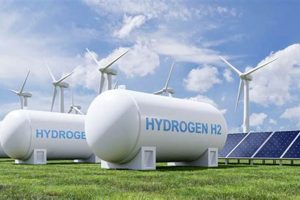
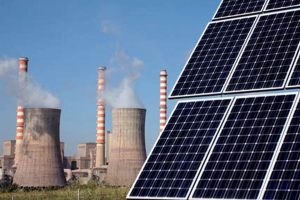
Clean power generation from sources like solar, wind, hydro, and geothermal is rapidly transforming Chile’s energy landscape. The country’s diverse geography, from the Atacama Desert’s intense sunlight to the Andes’ powerful rivers and geothermal activity, provides an ideal setting for harnessing various forms of sustainable power. For instance, large-scale photovoltaic plants in the north are capitalizing on abundant solar radiation, while wind farms along the coast capture strong and consistent breezes.
This shift towards sustainable power sources offers significant advantages, including reduced reliance on fossil fuel imports, decreased greenhouse gas emissions, and the creation of new jobs in the green energy sector. Historically, Chile has depended heavily on imported fossil fuels, making the country vulnerable to price fluctuations and supply disruptions. The development of domestic clean energy resources enhances energy security and contributes to a more stable and sustainable economy. Moreover, it aligns with global efforts to mitigate climate change and promotes a cleaner environment for future generations.
Further exploration of this topic will cover the specific technologies employed, the challenges faced in integrating these resources into the national grid, the regulatory framework governing the sector, and the projected growth and future potential of sustainable power in Chile.
Tips for Supporting Sustainable Power in Chile
Promoting the growth and adoption of clean energy sources in Chile requires a multifaceted approach involving government policies, private investment, and public awareness. The following tips provide actionable insights into supporting this crucial transition.
Tip 1: Advocate for Streamlined Permitting Processes: Complex and lengthy permitting procedures can hinder the development of clean energy projects. Advocating for efficient and transparent regulatory frameworks can accelerate project deployment and encourage further investment.
Tip 2: Support Research and Development: Continuous innovation in clean energy technologies is essential for maximizing efficiency and reducing costs. Supporting research and development initiatives in areas like energy storage and grid integration can unlock further potential.
Tip 3: Promote Energy Efficiency Measures: Reducing overall energy consumption through efficiency measures lessens the demand for new generation capacity, complementing the transition to sustainable sources. This can involve promoting energy-efficient appliances, building codes, and industrial practices.
Tip 4: Invest in Grid Modernization: Upgrading Chile’s electricity grid is crucial for integrating variable renewable energy sources like solar and wind power. Investment in smart grid technologies and transmission infrastructure can enhance grid stability and reliability.
Tip 5: Encourage Community Engagement: Engaging local communities in the planning and development of clean energy projects can foster acceptance and ensure that benefits are shared equitably. Open communication and collaboration can address concerns and build support for sustainable initiatives.
Tip 6: Promote Education and Awareness: Raising public awareness about the benefits of clean energy can drive consumer demand and create a supportive environment for policy changes. Educational campaigns can highlight the economic, environmental, and social advantages of transitioning to sustainable power.
By implementing these recommendations, stakeholders can contribute to a more sustainable energy future for Chile, realizing the economic, environmental, and social benefits of clean power generation.
The continued development of Chile’s sustainable power sector offers a promising path toward energy independence, economic growth, and a cleaner environment. A collaborative effort involving government, industry, and the public will be essential for realizing this potential.
1. Solar Power
Solar power is a cornerstone of Chile’s renewable energy strategy, capitalizing on the country’s exceptional solar resources. The Atacama Desert, with its high altitude, clear skies, and minimal cloud cover, boasts some of the highest solar irradiance levels globally, making it an ideal location for large-scale solar power generation. This focus on solar energy contributes significantly to Chile’s clean energy transition and reduces reliance on fossil fuel imports.
- Photovoltaic (PV) Power Plants
Large-scale PV power plants dominate Chile’s solar energy landscape. These installations utilize thousands of solar panels to convert sunlight directly into electricity. Projects like the Atacama Solar Project, one of the largest in Latin America, demonstrate the scale and potential of solar PV in Chile. These plants contribute significantly to the national grid, providing clean energy to homes and businesses.
- Concentrated Solar Power (CSP)
CSP technology utilizes mirrors to concentrate sunlight onto a central receiver, generating heat to drive turbines and produce electricity. While less prevalent than PV, CSP offers the advantage of thermal energy storage, allowing for electricity generation even after sunset. This technology can contribute to grid stability by providing dispatchable renewable energy.
- Distributed Solar Generation (DSG)
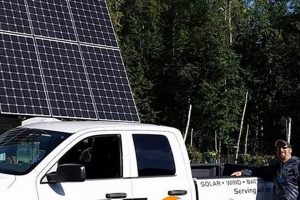
Rooftop solar installations on homes and businesses, known as DSG, are gaining traction in Chile. DSG empowers individuals and communities to generate their own clean energy, reducing their reliance on the grid and contributing to a more decentralized energy system. Net metering policies further incentivize DSG adoption by allowing consumers to sell excess electricity back to the grid.
- Economic and Environmental Impacts
The growth of solar power in Chile creates jobs in manufacturing, installation, and maintenance, stimulating economic activity. Moreover, solar energy significantly reduces greenhouse gas emissions compared to fossil fuels, contributing to Chile’s climate change mitigation goals. The displacement of conventional power sources also improves air quality and public health.
These facets of solar power demonstrate its integral role in Chile’s renewable energy transition. The country’s commitment to solar energy development contributes not only to a cleaner environment but also to energy security, economic growth, and a more sustainable future. Continued investment and innovation in solar technologies will further solidify Chile’s position as a leader in renewable energy in Latin America.
2. Wind Energy
Wind energy plays a crucial role in Chile’s renewable energy matrix, complementing solar power and contributing significantly to the nation’s clean energy targets. Chile’s extensive coastline, particularly in the central and southern regions, experiences strong and consistent winds, providing a substantial resource for harnessing wind power. This abundant wind resource offers a valuable opportunity to diversify the country’s energy mix and reduce reliance on conventional power sources.
The development of wind farms along Chile’s coast harnesses this natural resource, converting wind energy into electricity through wind turbines. Projects like the Parque Elico Taltal in the Antofagasta region demonstrate the scale and potential of wind energy in Chile. These wind farms feed clean energy into the national grid, powering homes, businesses, and industries. The geographical distribution of wind resources complements solar power generation, which is concentrated primarily in the northern desert regions. This combination of solar and wind resources provides a more balanced and reliable renewable energy supply.
Furthermore, wind energy offers several advantages. It is a clean and sustainable energy source, producing no greenhouse gas emissions during operation. This contributes significantly to Chile’s efforts to mitigate climate change and improve air quality. Wind energy projects also create jobs in manufacturing, installation, maintenance, and operation, stimulating local economies. However, challenges remain, including the need for further grid infrastructure development to integrate wind power effectively and address its intermittent nature. Continued investment in wind energy technology, grid modernization, and supportive policies will be essential to maximizing the potential of this valuable resource and achieving Chile’s ambitious renewable energy goals.
3. Hydroelectricity
Hydroelectricity has long been a significant component of Chile’s energy mix, contributing substantially to the nation’s electricity supply. Leveraging the country’s topography, particularly the Andes Mountains with their abundant rivers and steep gradients, numerous hydroelectric power plants harness the potential energy of water to generate electricity. This established presence positions hydroelectricity as a crucial foundation within Chile’s broader renewable energy strategy. While not a new technology, hydroelectricity plays a vital role in balancing the intermittency of other renewable sources like solar and wind power, ensuring a reliable and stable electricity supply. Projects like the Alto Maipo hydroelectric plant, located in the Andes Mountains near Santiago, exemplify Chile’s ongoing commitment to harnessing hydropower. These facilities provide a consistent baseload power source, crucial for grid stability and meeting energy demands, even when solar and wind resources are unavailable.
However, the development of new large-scale hydroelectric projects often faces environmental and social considerations. Dam construction can impact river ecosystems, affecting aquatic life and water availability downstream. Furthermore, projects can displace communities and alter traditional land uses. Balancing the need for clean energy with environmental protection and social equity presents a significant challenge. This necessitates careful planning, comprehensive environmental impact assessments, and meaningful community engagement to mitigate potential negative consequences. As Chile continues its transition towards a cleaner energy future, the role of hydroelectricity will likely evolve. Focusing on maximizing the efficiency of existing hydropower facilities, exploring the potential of smaller-scale run-of-river projects, and integrating hydropower with other renewable sources will be essential for minimizing environmental impact and maximizing the benefits of this important resource.
Hydroelectricity offers a valuable, readily available renewable energy source that supports Chile’s clean energy transition. Balancing the benefits of hydropower with its potential environmental and social impacts requires a nuanced approach. Integrating hydroelectricity effectively with other renewable sources, alongside careful planning and community engagement, will ensure its sustainable contribution to Chile’s energy future. This integrated approach is essential for achieving a balanced and sustainable energy mix that meets Chile’s growing energy demands while minimizing environmental impact and maximizing societal benefits.
4. Geothermal Resources

Geothermal energy, derived from the Earth’s internal heat, presents a significant opportunity for Chile to further diversify its renewable energy portfolio. While less developed than solar, wind, and hydropower, geothermal resources hold substantial potential to contribute to the country’s clean energy transition. Chile’s location along the Pacific Ring of Fire, a zone of high volcanic and seismic activity, indicates significant geothermal potential. Harnessing this resource offers a valuable pathway towards a more resilient and sustainable energy future.
- Geothermal Power Plants
Geothermal power plants utilize steam or hot water extracted from underground reservoirs to drive turbines and generate electricity. These plants offer a reliable and consistent baseload power source, unlike intermittent solar and wind power. While geothermal development in Chile is still in its early stages, projects like Cerro Pabelln, the first geothermal power plant in South America, demonstrate the viability of this technology. Further exploration and development of geothermal resources could contribute significantly to Chile’s energy security and reduce reliance on conventional power sources.
- Direct Use Applications
Beyond electricity generation, geothermal resources offer direct use applications for heating and industrial processes. Geothermal heat can be used for residential and commercial space heating, greenhouses, aquaculture, and industrial drying processes. These direct use applications can displace fossil fuels, reducing greenhouse gas emissions and improving local air quality. Exploring and promoting these applications can further maximize the benefits of geothermal resources.
- Exploration and Development Challenges
Developing geothermal resources presents technical and financial challenges. Exploration involves geological surveys, drilling exploratory wells, and assessing the resource’s viability. These processes require significant upfront investment and carry inherent risks. Furthermore, accessing geothermal resources often requires navigating complex regulatory frameworks and securing permits. Addressing these challenges through targeted policies, research and development, and risk mitigation strategies is essential for unlocking the full potential of geothermal energy in Chile.
- Environmental and Social Considerations
While geothermal energy is a clean and sustainable resource, its development requires careful environmental and social impact assessments. Potential environmental impacts include land use changes, noise pollution, and the release of small amounts of greenhouse gases like hydrogen sulfide. Engaging with local communities and addressing their concerns is crucial for ensuring responsible and sustainable development. Minimizing environmental impact and maximizing community benefits will be essential for the long-term success of geothermal projects.
Integrating geothermal energy into Chile’s renewable energy mix offers a pathway towards a more diversified and resilient energy system. Addressing the challenges associated with exploration, development, and environmental stewardship will be crucial for maximizing the contribution of geothermal resources to Chile’s clean energy future. The continued development and integration of geothermal power offer a promising avenue for diversifying the countrys renewable energy portfolio, enhancing energy security, and furthering its commitment to a sustainable energy future.
5. Policy Framework

Chile’s renewable energy sector’s remarkable growth and success are inextricably linked to a supportive and evolving policy framework. These policies provide the necessary structure, incentives, and regulations to attract investment, foster innovation, and ensure the sustainable development of clean energy technologies. Understanding this policy landscape is crucial for comprehending the current state and future trajectory of renewable energy in Chile.
- Renewable Portfolio Standard (RPS)
The RPS mandates that electricity suppliers source a specific percentage of their electricity from renewable sources. This policy creates a guaranteed market for renewable energy, encouraging investment and development. Chile’s RPS has progressively increased over time, further driving the growth of the renewable energy sector. The targets set within the RPS provide clear signals to investors and developers, stimulating competition and innovation in the renewable energy market.
- Net Metering and Distributed Generation
Net metering policies allow consumers who generate their own renewable energy, typically through rooftop solar installations, to sell excess electricity back to the grid. This incentivizes distributed generation, empowering individuals and communities to participate actively in the clean energy transition. Net metering fosters greater energy independence and reduces reliance on centralized power generation. The policy also supports the development of a more resilient and distributed energy grid.
- Auctions for Renewable Energy Projects
Competitive auctions for renewable energy projects ensure cost-effective procurement of clean energy. These auctions create a transparent and competitive bidding process, driving down prices and ensuring that renewable energy projects are developed efficiently. The auction system attracts both domestic and international investors, fostering competition and innovation within the sector. This process also helps ensure that renewable energy projects are developed at the lowest possible cost to consumers.
- Transmission Infrastructure Development
Recognizing the importance of robust transmission infrastructure for integrating renewable energy resources, Chile has implemented policies to support grid modernization and expansion. These policies facilitate the connection of new renewable energy projects to the national grid, ensuring efficient delivery of clean electricity to consumers. Investments in transmission infrastructure are crucial for maximizing the benefits of renewable energy and ensuring grid stability. This policy area addresses the challenges of integrating variable renewable sources like solar and wind power into the existing grid.
These policy mechanisms, working in concert, have created a favorable environment for renewable energy development in Chile. The ongoing evolution of these policies, informed by technological advancements, market dynamics, and environmental considerations, will continue to shape the future of clean energy in the country. This dynamic policy landscape is instrumental in achieving Chile’s ambitious renewable energy targets and establishing the nation as a leader in the global clean energy transition.
6. Investment Opportunities

Chile’s burgeoning renewable energy sector presents significant investment opportunities, driven by favorable government policies, abundant natural resources, and growing demand for clean energy. The country’s commitment to decarbonizing its electricity grid and achieving ambitious renewable energy targets creates a stable and attractive environment for both domestic and international investors. This commitment translates into concrete opportunities across various renewable energy technologies, including solar, wind, geothermal, and hydropower, as well as in supporting infrastructure such as transmission lines and energy storage solutions. The Chilean government’s clear regulatory framework, including the Renewable Portfolio Standard and auction mechanisms for renewable energy projects, provides investors with transparency and predictability, reducing risks and encouraging long-term investment. For example, recent auctions for renewable energy projects have attracted significant international participation, demonstrating investor confidence in the Chilean market.
Furthermore, the declining costs of renewable energy technologies, coupled with Chile’s exceptional solar and wind resources, enhance the financial viability of these projects. The Atacama Desert, with its world-class solar irradiance, and the consistently strong winds along the Chilean coast offer prime locations for utility-scale solar and wind farms. Investing in these projects not only contributes to Chile’s clean energy transition but also offers attractive returns for investors. Moreover, opportunities exist in the development of supporting infrastructure, such as transmission lines and energy storage facilities, crucial for integrating variable renewable energy sources into the national grid. These investments address key challenges associated with renewable energy integration and enhance grid stability, further strengthening the investment case for renewable energy in Chile.
In summary, the combination of supportive government policies, abundant renewable resources, and declining technology costs creates a compelling investment landscape in Chile’s renewable energy sector. These opportunities span various technologies and infrastructure needs, offering diverse options for investors seeking to participate in the global clean energy transition. However, navigating the complexities of project development, permitting processes, and community engagement remains crucial for successful investment. Addressing these challenges effectively will further unlock the vast potential of Chile’s renewable energy resources and ensure its continued growth as a leading destination for clean energy investment in Latin America. This continued growth offers not only financial returns for investors but also contributes significantly to Chile’s sustainable development, economic growth, and job creation, further solidifying the value proposition of investing in Chilean renewable energy.
7. Grid Infrastructure

Chile’s ambitious renewable energy goals necessitate substantial upgrades and expansion of its grid infrastructure. The increasing integration of variable renewable energy sources, such as solar and wind power, presents unique challenges to grid stability and reliability. These intermittent sources fluctuate with weather patterns, requiring a more flexible and responsive grid system to manage these variations effectively. Furthermore, the geographical distribution of renewable energy resources, often located in remote areas far from major consumption centers, necessitates new transmission lines to transport electricity efficiently. Investments in grid modernization are essential to accommodate the influx of renewable energy and ensure a stable and reliable electricity supply for the nation.
For instance, the transmission of solar power generated in the Atacama Desert to population centers in central and southern Chile requires substantial investment in high-voltage transmission lines. Similarly, integrating wind power generated along the coast requires grid reinforcements and intelligent management systems to accommodate fluctuations in wind speed. Smart grid technologies, including advanced metering infrastructure, real-time monitoring systems, and demand-side management programs, play a crucial role in optimizing grid operations and integrating renewable energy effectively. These technologies enable more efficient management of electricity flow, balancing supply and demand, and minimizing transmission losses. Moreover, energy storage solutions, such as pumped hydro storage and battery storage systems, can help address the intermittency of renewable sources, providing grid stability and ensuring a continuous electricity supply.
In conclusion, modernizing and expanding Chile’s grid infrastructure is essential for realizing the full potential of its renewable energy resources. Targeted investments in transmission lines, smart grid technologies, and energy storage solutions are crucial for maintaining grid stability, integrating variable renewable energy sources effectively, and ensuring a reliable and sustainable electricity supply. Addressing these infrastructure challenges will not only support Chile’s clean energy transition but also contribute to long-term economic growth and energy security. The interconnectedness of grid infrastructure and renewable energy development underscores the need for a holistic approach to energy planning, ensuring that Chile’s electricity system can accommodate the increasing share of renewable energy while maintaining reliability and affordability for consumers.
Frequently Asked Questions about Renewable Energy in Chile
This section addresses common inquiries regarding the development and utilization of renewable energy resources within Chile.
Question 1: What is the current contribution of renewable energy to Chile’s electricity mix?
Renewable energy sources, including solar, wind, hydro, and geothermal, currently constitute a significant portion of Chile’s electricity generation, exceeding targets set in previous years and demonstrating substantial progress towards a cleaner energy matrix.
Question 2: What are the primary challenges facing renewable energy development in Chile?
Key challenges include grid infrastructure limitations, particularly transmission capacity to integrate remote renewable energy projects; obtaining permits and navigating regulatory processes; and securing financing for large-scale projects. Furthermore, environmental and social considerations necessitate careful planning and community engagement.
Question 3: How does Chile’s geography influence its renewable energy potential?
Chile’s diverse geography, featuring the Atacama Desert with exceptional solar irradiance, consistently strong winds along the coastline, and mountainous regions suitable for hydropower and geothermal resources, provides ideal conditions for harnessing various renewable energy technologies.
Question 4: What policies are in place to support renewable energy growth in Chile?
Key policies include the Renewable Portfolio Standard, which mandates a certain percentage of electricity generation from renewable sources; net metering policies, which incentivize distributed generation; and competitive auctions for renewable energy projects, ensuring cost-effectiveness and transparency.
Question 5: What are the economic benefits of transitioning to renewable energy in Chile?
Economic benefits include reduced reliance on imported fossil fuels, increased energy security, job creation in the renewable energy sector, and attracting foreign investment. Furthermore, the development of local renewable energy resources contributes to a more stable and sustainable economy.
Question 6: How does renewable energy development contribute to Chile’s climate change goals?
Renewable energy sources generate electricity with significantly lower greenhouse gas emissions compared to fossil fuels. Transitioning to renewable energy reduces Chile’s carbon footprint, contributing to national and global efforts to mitigate climate change and its associated impacts.
Understanding these key aspects of renewable energy in Chile provides a foundation for informed discussions and decision-making regarding the country’s energy future. Continued development and integration of renewable energy resources offer a promising path towards a sustainable, secure, and prosperous future for Chile.
For further information, please explore the additional resources and reports available on this topic.
Chile Renewable Energy
Chile’s pursuit of sustainable power generation signifies a transformative shift in the nation’s energy landscape. From the expansive solar farms of the Atacama Desert to the windswept coasts and the geothermal potential of the Andes, the country possesses a diverse portfolio of renewable resources. This transition offers significant advantages, including reduced reliance on fossil fuel imports, decreased greenhouse gas emissions, and the creation of new economic opportunities. The development of these resources, coupled with supportive government policies, positions Chile as a leader in Latin America’s clean energy transition. Addressing the challenges of grid modernization and integration, while ensuring equitable distribution of benefits, remains crucial for maximizing the long-term impact of this energy transformation.
The continued growth of Chile’s renewable energy sector holds immense promise for a more sustainable and prosperous future. Through sustained investment, technological innovation, and collaborative partnerships, Chile can fully realize the potential of its clean energy resources, ensuring energy security, economic growth, and a healthier environment for generations to come. The transition to a cleaner energy future requires ongoing commitment and collaboration from all stakeholders, paving the way for a more resilient and sustainable energy landscape in Chile.