Florida Power & Light (FPL), a major utility company in the state, is actively pursuing sustainable power generation methods using resources like solar, wind, and other clean sources. For instance, the company’s investments in large-scale solar farms across Florida contribute significantly to the state’s growing solar energy capacity.
Clean power generation offers numerous advantages, including reduced greenhouse gas emissions, decreased reliance on fossil fuels, and the creation of new jobs within the growing renewables sector. Historically, FPL has relied heavily on traditional energy sources. However, recognizing the environmental and economic benefits of clean power, the company has embarked on a significant shift toward sustainable practices, aiming to modernize its infrastructure and expand its portfolio of renewable energy assets.
This transition to cleaner energy sources has implications for various aspects of Florida’s energy landscape, including grid modernization, energy storage solutions, and the development of innovative technologies designed to further enhance the efficiency and reliability of renewable power generation. These topics will be further explored throughout this article.
Tips for Supporting Sustainable Energy in Florida
Consumers can play a vital role in advancing the integration of clean power sources within the Florida energy landscape. The following tips provide actionable steps individuals can take to support this transition.
Tip 1: Explore Net Metering Programs: Net metering allows customers who generate their own electricity, typically through solar panels, to sell excess energy back to the grid, offsetting their energy costs. Understanding the specifics of FPL’s net metering program can significantly impact the financial viability of residential solar installations.
Tip 2: Consider Time-of-Use Rate Plans: These plans offer lower electricity rates during off-peak hours, encouraging consumers to shift energy consumption away from periods of high demand. This can improve grid efficiency and facilitate greater integration of intermittent renewable sources like solar.
Tip 3: Invest in Energy-Efficient Appliances and Practices: Reducing overall energy consumption through the use of energy-efficient appliances, proper insulation, and mindful energy usage habits lowers demand for electricity generated from conventional sources.
Tip 4: Support Policies that Promote Renewable Energy: Staying informed about and advocating for policies that encourage the development and adoption of clean power sources is essential for driving long-term change within the energy sector.
Tip 5: Participate in Community Solar Programs: Community solar projects allow residents to subscribe to a shared solar farm and receive credits on their electricity bills, providing access to solar energy benefits even for those who cannot install panels on their property.
Tip 6: Explore Energy Storage Solutions: Battery storage systems can store excess solar energy generated during the day for use during peak hours or at night, further reducing reliance on the grid and maximizing the benefits of solar power.
By adopting these measures, residents can contribute to a more sustainable energy future for Florida, benefiting both the environment and the economy. These individual actions, combined with larger-scale initiatives, are crucial for accelerating the transition toward widespread clean power adoption.
The cumulative effect of these individual actions, in conjunction with broader industry initiatives, is essential for establishing a more sustainable energy framework within Florida. The subsequent sections will delve further into the specific technologies and strategies that are shaping the future of clean power.
1. Solar Expansion

Solar expansion is a critical component of FPL’s renewable energy strategy. Increased reliance on solar photovoltaic (PV) technology offers a pathway towards reducing greenhouse gas emissions and diversifying the energy portfolio, diminishing dependence on fossil fuels. The following facets highlight key aspects of solar expansion within FPL’s broader renewable energy initiatives.
- Utility-Scale Solar Farms:
Large-scale solar farms play a significant role in expanding solar capacity. These projects, often situated on expansive tracts of land, generate substantial amounts of electricity, feeding directly into the power grid. FPL’s investments in utility-scale solar farms contribute significantly to Florida’s growing solar energy production. Such projects create economies of scale, making solar power increasingly cost-competitive with traditional energy sources.
- Rooftop Solar and Distributed Generation:
Rooftop solar installations on residential and commercial buildings represent another important aspect of solar expansion. These distributed generation resources empower customers to generate their own electricity, reducing their reliance on the grid. Programs like net metering further incentivize rooftop solar adoption by allowing customers to sell excess energy back to the utility. This distributed approach enhances grid resilience and reduces transmission losses.
- Technological Advancements:
Continuous advancements in solar panel technology, including increased efficiency and reduced manufacturing costs, contribute to the ongoing viability and growth of solar energy. Improvements in battery storage technology also play a crucial role by addressing the intermittent nature of solar power, allowing for greater grid integration and reliability. Exploring and implementing these technological advancements are crucial for maximizing the benefits of solar expansion.
- Grid Integration and Infrastructure:
Successfully integrating large amounts of solar energy into the existing grid requires significant infrastructure upgrades and modernization efforts. This includes investments in transmission lines, substations, and smart grid technologies to manage the variable output of solar power and ensure grid stability. Strategic planning and investment in grid infrastructure are essential for facilitating seamless solar expansion.
These facets of solar expansion collectively contribute to FPL’s overall renewable energy goals. The continued development and integration of solar power, coupled with advancements in complementary technologies and grid infrastructure, are essential for achieving a sustainable energy future in Florida. This focus on solar power reinforces FPL’s commitment to clean energy and positions Florida as a leader in renewable energy adoption.
2. Wind Energy Integration

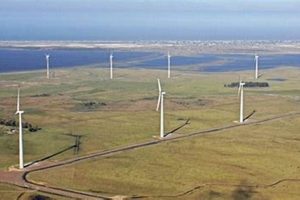
Wind energy integration represents a significant component within Florida Power & Light’s (FPL) broader renewable energy portfolio. While solar energy currently holds a larger share of FPL’s renewable generation, harnessing wind power offers the potential to further diversify energy sources and enhance the overall sustainability of Florida’s energy landscape. Exploring the various facets of wind energy integration provides a clearer understanding of its role within FPL’s renewable energy strategy.
- Offshore Wind Potential:
Florida’s extensive coastline presents opportunities for harnessing offshore wind resources. Offshore wind farms, situated in coastal waters, can capitalize on stronger and more consistent wind speeds compared to onshore locations. Assessing the feasibility and potential of offshore wind projects is crucial for determining their viability within FPL’s renewable energy mix. Such assessments involve evaluating environmental impacts, considering logistical challenges, and analyzing the economic benefits of offshore wind development.
- Onshore Wind Development:
While offshore wind offers significant potential, onshore wind projects can also contribute to Florida’s renewable energy capacity. Identifying suitable onshore locations with adequate wind resources requires careful analysis and consideration of factors such as land availability, environmental impacts, and community acceptance. Targeted development of onshore wind farms in strategic locations can complement other renewable energy sources and enhance grid stability.
- Grid Integration and Transmission:
Integrating wind energy into the existing grid requires careful planning and investment in transmission infrastructure. Upgrading transmission lines and substations ensures efficient delivery of wind-generated electricity to consumers. Modernizing grid management systems allows for effective integration of variable wind power, maintaining grid reliability and stability. Addressing these infrastructural needs is essential for maximizing the benefits of wind energy integration.
- Hybrid Renewable Energy Projects:
Combining wind energy with other renewable sources, such as solar power, creates hybrid renewable energy projects. These projects offer synergistic benefits, leveraging the strengths of different renewable technologies to ensure a more consistent and reliable energy supply. For instance, combining solar and wind power can mitigate the intermittency of each individual source, optimizing energy generation throughout the day and across varying weather conditions. Exploring the potential of hybrid projects further diversifies FPL’s renewable energy portfolio.
These facets of wind energy integration highlight its potential to contribute significantly to FPL’s renewable energy goals. Strategic development and integration of both onshore and offshore wind resources, combined with ongoing advancements in wind turbine technology and grid infrastructure, will play a crucial role in shaping a more sustainable energy future for Florida. By diversifying its renewable energy portfolio with wind power, FPL reinforces its commitment to clean energy and strengthens Florida’s position as a leader in renewable energy adoption.
3. Grid Modernization

Grid modernization is essential for the successful integration of renewable energy resources into Florida Power & Light’s (FPL) energy infrastructure. The existing grid, designed primarily for centralized power generation from fossil fuels, requires significant upgrades and enhancements to accommodate the unique characteristics of renewable sources like solar and wind power. Modernizing the grid enhances its capacity to manage the variable output of these resources, ensuring reliability, stability, and efficiency.
- Advanced Metering Infrastructure (AMI):
AMI, also known as smart meters, provides real-time data on energy consumption, enabling more efficient grid management and facilitating demand-response programs. These programs incentivize customers to reduce energy usage during peak demand periods, optimizing grid operations and reducing reliance on conventional power plants. AMI data also supports the integration of distributed energy resources, such as rooftop solar, by providing insights into energy flow and grid stability.
- Distribution Automation:
Distribution automation utilizes intelligent devices and sensors to monitor and control the flow of electricity within the distribution network. This allows for automatic rerouting of power in case of outages, improving grid resilience and minimizing disruptions. Automated systems can also optimize voltage levels, reducing energy losses and improving grid efficiency. This capability is particularly important for managing the fluctuating output of renewable energy sources.
- Enhanced Transmission Infrastructure:
Integrating large-scale renewable energy projects often requires upgrading transmission lines and substations to accommodate the increased flow of electricity from remote generation sites. Investing in new transmission infrastructure ensures efficient delivery of renewable energy to consumers and enhances grid stability. Strengthened transmission capacity is crucial for maximizing the benefits of large-scale solar and wind farms.
- Integration of Energy Storage:
Energy storage solutions, such as batteries, play a vital role in grid modernization by addressing the intermittent nature of renewable energy sources. Storing excess energy generated during periods of high renewable output allows for its deployment during peak demand or when renewable generation is low. Integrating energy storage enhances grid stability, reduces reliance on conventional power plants, and maximizes the utilization of renewable energy resources.
These facets of grid modernization are crucial for FPL’s successful transition to a cleaner energy future. By investing in these advancements, FPL enhances grid reliability and resilience while maximizing the integration of renewable energy resources. This modernization effort enables FPL to effectively manage the unique challenges and opportunities presented by the increasing adoption of solar, wind, and other renewable energy technologies. The modernized grid serves as the backbone for a more sustainable and efficient energy system in Florida.
4. Energy Storage Solutions

Energy storage solutions are integral to Florida Power & Light’s (FPL) renewable energy strategy, addressing the intermittent nature of resources like solar and wind power. These solutions provide a means to store excess generated energy for use during periods of high demand or low renewable generation, enhancing grid stability and maximizing the utilization of clean energy resources. Examining various energy storage technologies and their applications within the FPL context clarifies their crucial role in achieving a sustainable energy future.
- Battery Storage Systems:
Battery storage systems, particularly lithium-ion batteries, are becoming increasingly prevalent in grid-scale applications. These systems can store significant amounts of energy generated from solar or wind farms, releasing it during periods of peak demand or when renewable generation is low. FPL’s deployment of battery storage facilities, such as the Manatee Energy Storage Center, demonstrates the growing role of this technology in balancing intermittent renewable energy sources and enhancing grid reliability. Real-world examples showcase the increasing cost-effectiveness and scalability of battery storage solutions.
- Pumped Hydroelectric Storage:
Pumped hydroelectric storage utilizes two reservoirs at different elevations. During periods of low electricity demand, excess energy pumps water from the lower reservoir to the upper reservoir. When demand increases, water flows back down through turbines, generating electricity. While pumped hydro offers large-scale storage capacity, its geographic requirements limit its applicability in Florida. Exploring the potential of alternative pumped storage technologies or adapting existing infrastructure may provide opportunities for future implementation.
- Thermal Energy Storage:
Thermal energy storage captures and stores heat or cold for later use. This technology can be applied in various contexts, including storing excess solar thermal energy for heating or cooling buildings, or shifting electricity demand by pre-cooling or pre-heating buildings during off-peak hours. Integrating thermal storage within FPL’s renewable energy strategy can enhance energy efficiency and reduce peak demand on the grid. This approach can be particularly beneficial in Florida’s climate, where managing cooling loads is a significant factor.
- Flywheel Energy Storage:
Flywheel energy storage systems utilize a rotating mass to store kinetic energy. These systems can respond rapidly to changes in grid frequency, providing grid stabilization services and supporting the integration of variable renewable energy sources. While flywheels offer rapid response times, their storage capacity is generally lower than other technologies. Exploring their application in specific grid stabilization scenarios or in conjunction with other storage technologies may offer benefits within the FPL context.
These energy storage solutions represent crucial components of FPL’s renewable energy strategy. By strategically deploying and integrating these technologies, FPL enhances grid stability, maximizes the utilization of clean energy resources, and advances towards a more sustainable energy future. Continued advancements in energy storage technologies, along with decreasing costs and increasing scalability, will further solidify their role as essential elements within FPL’s renewable energy portfolio and Florida’s broader energy landscape.
5. Customer Engagement Programs

Customer engagement programs play a crucial role in the successful integration and adoption of renewable energy initiatives within Florida Power & Light’s (FPL) overall strategy. These programs bridge the gap between energy production and consumption, empowering customers to actively participate in the transition towards a cleaner energy future. Effectively designed customer engagement programs foster greater understanding and acceptance of renewable energy, while also driving behavioral changes that support its efficient utilization.
Several key programs contribute to FPL’s customer engagement strategy within the context of renewable energy. Net metering programs, for example, allow customers with rooftop solar installations to sell excess generated electricity back to the grid, creating a financial incentive for renewable energy adoption. Time-of-use rate plans encourage customers to shift energy consumption to off-peak hours, often aligning with periods of high renewable energy generation, thereby optimizing grid efficiency and reducing reliance on conventional power plants. Educational initiatives, such as workshops and online resources, provide customers with information about the benefits of renewable energy, energy efficiency practices, and available programs that support sustainable choices. These programs foster a sense of shared responsibility in achieving renewable energy goals.
Real-world examples demonstrate the effectiveness of customer engagement programs. Increased participation in net metering programs correlates with a rise in residential solar installations, demonstrating the program’s impact on driving renewable energy adoption. Similarly, time-of-use rate plans have proven effective in shifting customer energy consumption patterns, reducing peak demand and improving grid stability. The success of these programs underscores the importance of engaging customers as active participants in the transition towards renewable energy. Furthermore, customer feedback gathered through surveys and community forums informs the development and refinement of future programs, ensuring their continued relevance and effectiveness.
The practical significance of understanding the connection between customer engagement programs and FPL’s renewable energy strategy lies in the potential to accelerate the adoption of clean energy solutions. By actively involving customers and providing them with the tools and knowledge to make informed energy choices, FPL fosters a collaborative approach to achieving renewable energy targets. This engagement builds trust and strengthens the partnership between the utility and its customers, creating a shared commitment to a sustainable energy future. Addressing challenges such as customer awareness and program accessibility remains crucial for maximizing the impact of these initiatives. Continued development and refinement of customer engagement strategies are essential for achieving long-term success in the transition to a cleaner and more resilient energy system.
Frequently Asked Questions
This section addresses common inquiries regarding Florida Power & Light’s (FPL) renewable energy initiatives, providing concise and informative responses.
Question 1: What renewable energy sources does FPL utilize?
FPL primarily utilizes solar and to a lesser extent, wind energy. Investments in solar energy infrastructure, including large-scale solar farms and support for rooftop solar installations, represent a significant portion of FPL’s renewable energy portfolio. Exploration of other renewable sources remains ongoing.
Question 2: How does FPL plan to increase its renewable energy capacity?
FPL plans to increase renewable energy capacity through continued investment in solar energy infrastructure, exploring the potential of offshore wind power, and modernizing the grid to accommodate increased renewable generation. Strategic partnerships and innovative technologies also contribute to expansion efforts.
Question 3: How does renewable energy benefit FPL customers?
Renewable energy benefits customers through reduced greenhouse gas emissions, contributing to a cleaner environment. Diversification of energy sources enhances grid resilience, and the growth of the renewable energy sector stimulates economic development and job creation within the state.
Question 4: How does FPL address the intermittency of renewable energy sources?
Intermittency is addressed through a combination of strategies, including grid modernization, energy storage solutions such as batteries, and demand-side management programs that encourage customers to shift energy consumption patterns.
Question 5: What customer programs support renewable energy adoption?
Programs such as net metering, which allows customers to sell excess solar energy back to the grid, and time-of-use rates, which encourage energy consumption during off-peak hours, support renewable energy adoption. Educational initiatives inform customers about the benefits of renewable energy and energy efficiency practices.
Question 6: How can individuals contribute to FPL’s renewable energy goals?
Individuals can contribute by exploring rooftop solar installations, participating in available customer programs, practicing energy conservation measures, and supporting policies that promote renewable energy development.
Understanding these aspects of FPL’s renewable energy initiatives provides valuable insights into the company’s commitment to a sustainable energy future. Continued efforts in these areas are essential for achieving long-term environmental and economic benefits.
For further information on specific programs or initiatives, please consult the FPL website or contact customer service.
Conclusion
Florida Power & Light’s (FPL) strategic pursuit of renewable energy sources, encompassing solar, wind, and supporting infrastructure development, signifies a substantial commitment to transforming Florida’s energy landscape. This transition necessitates not only technological advancements in power generation and storage but also comprehensive grid modernization and robust customer engagement. The exploration of diverse energy solutions, from utility-scale solar farms to individual rooftop installations, underscores the multifaceted nature of this undertaking. Furthermore, addressing the inherent intermittency of renewable resources through innovative storage solutions and demand-side management programs is critical for ensuring grid reliability and maximizing the benefits of clean energy.
The continued evolution and integration of renewable energy technologies hold profound implications for Florida’s energy future. Sustained commitment to these initiatives is paramount for achieving long-term environmental sustainability, enhancing energy independence, and fostering economic growth within the state. The transformation underway represents a significant step toward a cleaner, more resilient, and sustainable energy future for Florida, demanding ongoing innovation, collaboration, and a shared vision for a brighter future powered by clean energy.