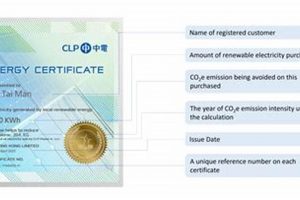
The national scheme legislated to increase the proportion of electricity generated from renewable sources is a key driver of clean energy investment and growth. This framework mandates that electricity retailers source a certain percentage of their energy from renewable generators, creating a market for renewable energy certificates (RECs), also known as large-scale generation certificates (LGCs), which represent one megawatt-hour (MWh) of renewable electricity generation. For example, a solar farm generates electricity and RECs; the electricity is sold into the grid, and the RECs are sold to retailers to meet their obligations under the scheme.
This mechanism incentivizes the development and deployment of renewable energy technologies like wind, solar, hydro, and biomass, contributing to reduced greenhouse gas emissions and a more sustainable energy sector. The scheme’s history involves adjustments to targets and policy mechanisms to adapt to evolving market conditions and technological advancements. Its existence provides investors with a degree of certainty, fostering long-term investment in renewable energy projects. This long-term vision is critical for achieving emissions reduction goals and transitioning to a cleaner energy future.
Further exploration of this topic will cover specific details regarding the scheme’s mechanics, its impact on different energy stakeholders, its ongoing challenges and potential future directions, and its contribution to broader climate change mitigation efforts. This includes detailed analysis of the economic and environmental impacts of the program, its interaction with other related policies, and its role in shaping the future of the Australian energy landscape.
Tips for Understanding the Renewable Energy Scheme
Navigating the complexities of the national renewable energy scheme can be challenging. These tips provide guidance for understanding its key aspects and implications.
Tip 1: Research Available Incentives: Various government incentives, rebates, and grants exist to support renewable energy projects. Investigating these options can significantly impact project feasibility and returns.
Tip 2: Understand Certificate Trading: The market for renewable energy certificates (RECs) plays a crucial role in the scheme. Understanding how RECs are generated, traded, and valued is essential for effective participation.
Tip 3: Consider Long-Term Market Trends: Renewable energy technologies and market dynamics are constantly evolving. Staying informed about technological advancements and policy changes is critical for long-term planning.
Tip 4: Assess Project Suitability: Not all renewable energy projects are equally suited to the scheme. Careful consideration of project specifics, including location, technology, and scale, is necessary for maximizing benefits.
Tip 5: Engage with Industry Experts: Seeking expert advice on legal, financial, and technical aspects can streamline the development process and mitigate risks.
Tip 6: Monitor Compliance Requirements: Adhering to the scheme’s rules and regulations is essential. Staying updated on compliance obligations ensures smooth operation and avoids penalties.
Tip 7: Evaluate Environmental Impact: Beyond compliance, considering the broader environmental implications of renewable energy projects is crucial for sustainable development.
By considering these tips, stakeholders can better navigate the renewable energy scheme landscape, maximize opportunities, and contribute to a more sustainable energy future. These insights equip individuals and organizations to make informed decisions regarding renewable energy investments and contribute to a cleaner energy transition.
The following sections will delve deeper into specific aspects of the scheme, providing further detail and analysis to enhance understanding and inform strategic decision-making.
1. Renewable Energy Generation

Renewable energy generation forms the cornerstone of the national renewable energy scheme. The scheme’s primary objectiveincreasing the proportion of renewable electricity in the national energy mixis directly dependent on the growth and development of renewable energy generation capacity. This intrinsic link creates a cause-and-effect relationship: increased generation leads to a greater supply of renewable energy certificates (RECs), facilitating compliance with the scheme’s targets. For example, a newly commissioned solar farm contributes to the national renewable energy target by generating both electricity and RECs. The electricity feeds into the grid, while the RECs are sold to electricity retailers, enabling them to meet their obligations under the scheme.
This connection underscores the importance of renewable energy generation as a fundamental component of the scheme. Without sufficient generation, the scheme cannot achieve its intended outcomes. Practical implications of this understanding include the need for policies and incentives that stimulate investment in renewable energy projects. These might encompass streamlined planning processes, financial support mechanisms, and grid infrastructure upgrades. Moreover, accurate forecasting of renewable energy generation is crucial for effective scheme administration and for ensuring that the national target is met. For instance, underestimating future wind farm output could lead to a shortfall in REC supply, potentially jeopardizing the scheme’s effectiveness.
In summary, the scheme’s success hinges on sustained growth in renewable energy generation. This requires ongoing policy support, technological advancement, and strategic investment. Challenges such as grid integration, intermittency, and financing must be addressed to unlock the full potential of renewable energy sources. By recognizing the central role of renewable energy generation, stakeholders can contribute to a more effective and sustainable energy transition.
2. Certificate Trading (RECs/LGCs)

The national renewable energy scheme’s effectiveness hinges on a robust certificate trading system. Renewable energy certificates (RECs), also known as large-scale generation certificates (LGCs), represent the tradable commodity underpinning the scheme. This market mechanism allows renewable energy generators to sell the environmental attributes of their generation to electricity retailers obligated to source a specific percentage of their electricity from renewable sources. Understanding this trading system is crucial for grasping the scheme’s overall operation and impact.
- Creation and Ownership:
RECs are created for each megawatt-hour (MWh) of renewable electricity generated. Ownership initially resides with the generator, providing a revenue stream beyond electricity sales. This incentivizes renewable energy development by offering a financial reward for the environmental benefits of renewable generation.
- Trading and Pricing:
RECs are traded on a dedicated market platform, with prices fluctuating based on supply and demand dynamics. Factors influencing REC prices include the level of the renewable energy target, the volume of renewable generation, and the compliance strategies of electricity retailers. For example, a higher target increases demand for RECs, potentially driving up prices and further incentivizing renewable energy projects.
- Retailer Compliance:
Electricity retailers are required to acquire and surrender a sufficient number of RECs annually to demonstrate compliance with the scheme’s targets. This obligation ensures that retailers contribute to the growth of renewable energy. Failure to surrender enough RECs results in financial penalties, motivating compliance and maintaining the integrity of the scheme.
- Market Transparency and Integrity:
A transparent and well-regulated REC market is essential for the scheme’s credibility. Clear rules, robust auditing processes, and accessible market data ensure fair trading practices and maintain investor confidence. This transparency fosters market efficiency and minimizes the risk of fraud or manipulation, supporting the scheme’s long-term sustainability.
The REC trading mechanism provides a vital link between renewable energy generation and retailer obligations, forming the operational core of the national renewable energy scheme. The interplay of these elements drives investment in renewable energy projects, reduces emissions, and contributes to a more sustainable energy future. Analyzing historical REC price trends, for example, offers valuable insights into market dynamics and the effectiveness of policy adjustments. Further exploration of REC market behavior can inform future policy decisions and optimize the scheme’s performance.
3. Retailer Obligations

Retailer obligations form a critical component of the national renewable energy scheme, directly linking electricity consumption with renewable energy generation. These obligations mandate that electricity retailers source a specified percentage of their electricity from renewable sources. This percentage, often referred to as the renewable energy target, drives demand for renewable energy certificates (RECs). This demand, in turn, incentivizes investment in and development of renewable energy projects. The cause-and-effect relationship is clear: retailer obligations create a market for RECs, which in turn stimulates renewable energy generation. For example, a retailer facing a 20% renewable energy obligation must acquire enough RECs to cover 20% of their total electricity sales. This requirement ensures that retailers actively participate in and contribute to the growth of the renewable energy sector.
The importance of retailer obligations as a core component of the scheme cannot be overstated. They provide the mechanism through which the national renewable energy target is translated into tangible outcomes. Without these obligations, there would be significantly less incentive for retailers to invest in renewable energy. This lack of investment would hinder the growth of the renewable energy sector and impede progress toward national emissions reduction targets. Consider a scenario where retailer obligations are weakened or removed. The demand for RECs would likely decrease, potentially leading to lower REC prices and reduced profitability for renewable energy generators. This could discourage investment in new renewable energy projects, ultimately hindering the transition to a cleaner energy system.
The practical significance of understanding retailer obligations lies in recognizing their pivotal role in driving the renewable energy market. Policymakers can use this understanding to refine the scheme’s design and ensure its ongoing effectiveness. For instance, adjusting the renewable energy target directly impacts retailer obligations, influencing the level of investment in renewable energy. Moreover, robust enforcement mechanisms are crucial for ensuring compliance with these obligations and maintaining the integrity of the scheme. Challenges such as ensuring equitable distribution of costs and managing the impact of retailer obligations on electricity prices require ongoing attention. Ultimately, the effectiveness of retailer obligations in driving the transition to a sustainable energy future depends on careful policy design, robust enforcement, and ongoing adaptation to the evolving energy landscape.
4. Emissions Reduction

The national renewable energy scheme plays a crucial role in achieving national emissions reduction targets. By incentivizing the growth of renewable energy generation, the scheme directly displaces electricity generation from fossil fuel sources, thereby reducing greenhouse gas emissions. This connection between renewable energy growth and emissions reduction forms a central pillar of the scheme’s rationale and underscores its importance in addressing climate change. The following facets explore this connection in greater detail.
- Displacement of Fossil Fuels
Increased renewable energy generation displaces electricity generation from fossil fuel power plants, primarily coal and gas. This displacement effect is the primary mechanism through which the scheme contributes to emissions reductions. For example, each megawatt-hour (MWh) of renewable electricity generated avoids the emissions associated with producing that same MWh from fossil fuels. The magnitude of this displacement effect depends on the emissions intensity of the displaced fossil fuel generation. Displacing coal-fired generation yields greater emissions reductions than displacing gas-fired generation.
- Emissions Intensity of the Electricity Grid
As the proportion of renewable energy in the electricity grid increases, the overall emissions intensity of the grid decreases. This reduction in emissions intensity reflects the lower lifecycle emissions associated with renewable energy sources compared to fossil fuels. For example, a grid with a higher proportion of solar and wind power will have a lower emissions intensity than a grid heavily reliant on coal-fired power. This factor highlights the importance of the scheme in driving systemic decarbonization of the electricity sector.
- Contribution to National Targets
The emissions reductions achieved through the renewable energy scheme contribute directly to national emissions reduction targets. This contribution is quantifiable and verifiable, providing a clear measure of the scheme’s effectiveness in mitigating climate change. Progress toward these targets can be tracked by monitoring the growth of renewable energy generation and the associated decline in emissions from the electricity sector. This data-driven approach allows for ongoing evaluation and adjustment of the scheme to ensure its continued effectiveness.
- Co-benefits of Emissions Reduction
Beyond reducing greenhouse gas emissions, the transition to renewable energy through the scheme offers various co-benefits. These include improved air quality, reduced water consumption, and diversification of energy sources. These ancillary benefits enhance the overall value proposition of the scheme and contribute to broader sustainability objectives. For example, replacing coal-fired power plants with solar farms not only reduces emissions but also improves local air quality, leading to public health benefits. These positive externalities further strengthen the case for supporting the scheme and transitioning to a cleaner energy future.
These facets demonstrate the integral link between the national renewable energy scheme and national emissions reduction objectives. The scheme’s success in driving renewable energy growth directly translates into tangible emissions reductions, contributing to a cleaner and more sustainable energy future. Further analysis can explore the relationship between the level of the renewable energy target and the magnitude of emissions reductions achieved, providing insights for future policy adjustments and optimization of the scheme’s contribution to climate change mitigation efforts.
5. Investment Incentives

Investment incentives play a crucial role in the success of the national renewable energy scheme. These incentives stimulate investment in renewable energy projects by reducing financial risks and improving project viability. This, in turn, drives growth in renewable energy generation, enabling the scheme to achieve its objectives. The following facets explore the various types of investment incentives and their impact on the renewable energy sector.
- Government Grants and Subsidies
Direct financial support from government entities in the form of grants and subsidies can significantly reduce the upfront capital costs of renewable energy projects. These incentives can make projects more attractive to investors by improving their financial viability and reducing risk. For example, a grant covering a portion of the cost of a new wind farm can lower the overall investment required and improve the project’s projected return on investment. Such incentives are crucial for attracting private sector investment and accelerating the deployment of renewable energy technologies.
- Tax Incentives and Concessions
Tax incentives, such as accelerated depreciation or investment tax credits, can reduce the tax burden on renewable energy projects, further enhancing their financial attractiveness. These incentives can improve project cash flows and reduce the overall cost of capital. For instance, an accelerated depreciation schedule allows companies to deduct a larger portion of their investment costs in the early years of a project, reducing their tax liability and freeing up capital for reinvestment. This can incentivize investment in larger-scale projects and accelerate the deployment of new technologies.
- Renewable Energy Certificates (RECs)
The market for RECs, created under the national renewable energy scheme, provides a direct financial incentive for renewable energy generation. Generators earn revenue from selling RECs to electricity retailers who are obligated to purchase them to meet their renewable energy targets. This revenue stream enhances project profitability and encourages investment in renewable energy. For example, a solar farm developer can factor the projected revenue from REC sales into their financial model, improving the project’s overall financial viability and attracting investors.
- Feed-in Tariffs (FITs)
Feed-in tariffs guarantee a fixed price for electricity generated from renewable sources, providing revenue certainty for project developers. This price stability reduces risk and makes it easier to secure financing for renewable energy projects. While FITs have been largely phased out in favor of the REC market mechanism, they remain an important policy tool in some jurisdictions and can be effective in stimulating early-stage deployment of renewable energy technologies. For instance, a guaranteed feed-in tariff for rooftop solar installations can encourage homeowners to invest in solar panels, contributing to distributed renewable energy generation.
These investment incentives, working in concert with the broader framework of the national renewable energy scheme, create a supportive environment for renewable energy investment. By reducing financial barriers and enhancing project viability, these incentives accelerate the deployment of renewable energy technologies, contributing to the achievement of national emissions reduction targets and a transition to a more sustainable energy future. Further analysis could explore the effectiveness of different incentive mechanisms, their impact on specific renewable energy technologies, and the optimal mix of policies to maximize investment and achieve desired outcomes. Understanding the interplay of these incentives within the broader energy market context is crucial for effective policy design and successful implementation of the renewable energy scheme.
6. Technology Development
The national renewable energy scheme plays a critical role in driving technological advancements in the renewable energy sector. By creating a market for renewable energy, the scheme incentivizes innovation and the development of more efficient and cost-effective renewable energy technologies. This connection between the scheme and technology development is essential for achieving long-term emissions reduction targets and ensuring a sustainable energy future. The following facets explore the multifaceted relationship between the scheme and technological advancement.
- Cost Reduction through Innovation
The scheme’s market-based mechanism creates a competitive environment that encourages innovation aimed at reducing the cost of renewable energy technologies. As developers strive to gain a competitive edge, they invest in research and development to improve efficiency and lower production costs. This continuous drive for cost reduction has led to significant advancements in areas such as solar panel manufacturing, wind turbine design, and energy storage solutions. For example, advancements in silicon wafer production and solar cell architecture have dramatically reduced the cost of solar photovoltaic (PV) panels over the past decade, making solar power increasingly competitive with traditional fossil fuel-based generation. This cost reduction is crucial for accelerating the adoption of renewable energy and achieving widespread decarbonization of the electricity sector.
- Grid Integration and Stability
The increasing penetration of variable renewable energy sources, such as solar and wind power, presents challenges for grid integration and stability. The scheme incentivizes the development of technologies that address these challenges, such as advanced grid management systems, energy storage solutions, and smart grid technologies. For instance, the increasing adoption of battery storage systems allows for the smoothing of intermittency associated with solar and wind power, improving grid stability and reliability. Similarly, smart grid technologies enable more efficient management of distributed renewable energy resources, optimizing grid performance and facilitating greater integration of renewable energy. These advancements are essential for ensuring a reliable and stable electricity supply as the share of renewable energy increases.
- Emerging Renewable Energy Technologies
The scheme encourages the development and deployment of emerging renewable energy technologies, such as concentrated solar power (CSP), wave energy, and geothermal energy. By providing a market for renewable energy, the scheme creates opportunities for these nascent technologies to gain a foothold and reach commercial viability. For example, the scheme can support pilot projects and demonstration plants for emerging technologies, helping to de-risk investment and accelerate their commercialization. This support for innovation is crucial for diversifying the renewable energy mix and unlocking the full potential of various renewable energy sources.
- Manufacturing and Supply Chain Development
The scheme’s focus on renewable energy creates opportunities for the development of domestic manufacturing and supply chains for renewable energy technologies. This can lead to job creation, economic growth, and enhanced energy security. For instance, the growth of the solar PV industry has spurred the development of local manufacturing facilities for solar panels and components, creating new employment opportunities and reducing reliance on imported technologies. This development of local expertise and manufacturing capacity strengthens the domestic renewable energy industry and contributes to broader economic benefits.
These facets illustrate the dynamic interplay between the national renewable energy scheme and technological advancements. The scheme creates a market pull for innovation, driving down costs, improving grid integration, and fostering the development of emerging technologies. This continuous cycle of innovation is crucial for achieving deep decarbonization of the electricity sector, ensuring a secure and sustainable energy future, and maximizing the economic benefits of the transition to renewable energy. Further exploration could analyze the specific impact of the scheme on different renewable energy technologies, examine the role of government research and development funding in complementing the scheme’s market-driven incentives, and assess the long-term implications of technological advancements on the future of the renewable energy sector.
7. Energy Market Impact

The national renewable energy scheme exerts a significant influence on the dynamics of the Australian electricity market. Understanding this impact is crucial for assessing the scheme’s effectiveness and anticipating its future implications. The scheme’s influence spans various aspects of the market, from generation mix and investment patterns to wholesale electricity prices and grid stability. The following facets explore these impacts in detail.
- Wholesale Electricity Price Impacts
Increased renewable energy generation, driven by the scheme, exerts downward pressure on wholesale electricity prices. This occurs because renewable energy sources, such as solar and wind, have low marginal operating costs. Their increased presence in the market displaces more expensive fossil fuel generation, particularly during periods of high renewable energy output. This price suppression effect can benefit consumers through lower electricity bills but can also challenge the profitability of conventional generators. For example, periods of high solar output during the day often lead to a decrease in wholesale electricity prices. This dynamic necessitates careful consideration of market design mechanisms to ensure ongoing investment in both renewable and dispatchable generation capacity.
- Investment in Generation Capacity
The scheme influences investment decisions in the electricity sector. By creating a market for renewable energy certificates (RECs), the scheme incentivizes investment in renewable energy projects. This can lead to a shift in investment away from fossil fuel-based generation and towards renewable energy technologies. For instance, the scheme’s targets provide investors with long-term certainty, encouraging investment in large-scale renewable energy projects such as wind and solar farms. This shift in investment patterns is reshaping the generation mix and contributing to the decarbonization of the electricity sector.
- Grid Stability and Reliability
The increasing penetration of variable renewable energy sources, such as solar and wind, introduces challenges for grid stability and reliability. The intermittency of these resources requires sophisticated grid management strategies and investments in grid infrastructure to maintain system stability. The scheme indirectly drives innovation in grid management technologies and energy storage solutions to address these challenges. For example, the increasing adoption of battery storage, coupled with advanced grid management systems, helps to mitigate the intermittency challenges posed by variable renewable energy sources, ensuring grid stability and reliability as the share of renewable energy increases.
- Competition and Market Structure
The scheme influences the competitive landscape of the electricity market. The growth of renewable energy generation can challenge the market dominance of traditional incumbent generators, potentially leading to increased competition and a more diverse range of market participants. This can create opportunities for new entrants and smaller players in the renewable energy sector. Furthermore, the scheme’s emphasis on distributed generation, such as rooftop solar, can empower consumers and change the traditional relationship between energy producers and consumers. For instance, households with rooftop solar installations can become prosumers, both consuming and generating electricity, potentially reducing their reliance on traditional electricity retailers and changing the dynamics of energy supply and demand.
These facets highlight the complex and multifaceted impact of the national renewable energy scheme on the Australian electricity market. Understanding these impacts is crucial for policymakers, regulators, and market participants to navigate the ongoing energy transition effectively. The scheme’s influence on wholesale prices, investment decisions, grid stability, and market structure will continue to shape the evolution of the electricity market, requiring ongoing adaptation and policy adjustments to ensure a secure, reliable, and sustainable energy future. Further analysis might consider the long-term implications of these market impacts, including the potential for stranded assets in the fossil fuel sector, the evolving role of electricity retailers, and the development of new market models and regulatory frameworks to accommodate the increasing penetration of renewable energy.
Frequently Asked Questions
This section addresses common inquiries regarding the national renewable energy scheme, providing concise and informative responses to clarify key aspects and address potential misconceptions.
Question 1: How does the renewable energy scheme impact electricity prices?
Increased renewable energy generation typically exerts downward pressure on wholesale electricity prices due to the low operating costs of renewable energy technologies. However, the overall impact on retail electricity prices is complex and depends on various factors, including network costs, retail margins, and government policies.
Question 2: What are the scheme’s primary benefits?
Key benefits include reduced greenhouse gas emissions, increased investment in renewable energy technologies, job creation in the renewable energy sector, enhanced energy security through diversification of energy sources, and stimulation of technological innovation.
Question 3: How are renewable energy targets determined?
Targets are established through legislative processes and are subject to review and adjustment based on various factors, including technological advancements, economic considerations, and emissions reduction goals. These targets provide long-term certainty for investors and drive the growth of the renewable energy sector.
Question 4: What role do renewable energy certificates (RECs) play?
RECs represent the tradable commodity underpinning the scheme. They provide a mechanism for tracking and accounting for renewable energy generation, enabling compliance with the scheme’s targets and creating a financial incentive for renewable energy investment.
Question 5: How does the scheme impact grid stability?
The increasing integration of variable renewable energy sources requires advanced grid management strategies and investments in grid infrastructure to maintain system stability and reliability. The scheme indirectly drives innovation in these areas to address the challenges associated with integrating intermittent renewable energy resources.
Question 6: What are the scheme’s long-term implications?
Long-term implications include a substantial transformation of the electricity sector, significant reductions in greenhouse gas emissions, increased competitiveness in the energy market, and the development of a more sustainable and secure energy system.
Understanding these key aspects of the renewable energy scheme provides a foundation for informed discussion and effective policymaking. Continued evaluation and adaptation of the scheme are crucial for maximizing its benefits and ensuring its ongoing contribution to a sustainable energy future.
The next section will explore specific case studies of successful renewable energy projects facilitated by the scheme, providing practical examples of its impact and demonstrating its potential for driving further growth in the renewable energy sector.
Conclusion
This exploration of Australia’s national renewable energy scheme has highlighted its multifaceted role in driving the transition to a more sustainable energy future. The scheme’s market-based mechanism, utilizing renewable energy certificates, incentivizes investment in renewable energy generation, contributing to emissions reductions, technological advancements, and a transformation of the electricity market. Key components, including retailer obligations, certificate trading dynamics, and the interplay of policy and market forces, have been examined, providing a comprehensive overview of the scheme’s structure, function, and impact.
The ongoing evolution of the energy landscape necessitates continuous evaluation and adaptation of the national renewable energy scheme. Addressing challenges such as grid integration, energy storage, and market design will be crucial for maximizing the scheme’s effectiveness in achieving long-term emissions reduction targets. The scheme’s success hinges on a sustained commitment to policy support, technological innovation, and collaborative efforts across industry, government, and research institutions. The future of Australia’s energy transition rests on the continued development and refinement of policies like the national renewable energy scheme to ensure a secure, reliable, and sustainable energy future for generations to come.