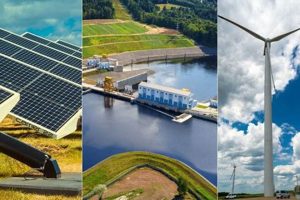
The abbreviation “RES” stands for Renewable Energy Sources. These sources are naturally replenished over a relatively short period and contrast with fossil fuels, which are finite. Examples include solar, wind, hydro, geothermal, and biomass energy. Harnessing these resources offers a sustainable alternative to conventional energy generation.
Sustainable power generation is crucial for mitigating climate change and ensuring long-term energy security. Transitioning to these alternatives reduces reliance on fossil fuels, lessening greenhouse gas emissions and air pollution. Furthermore, these sources are often distributed, promoting energy independence and resilience against disruptions in centralized power systems. The growing adoption of these technologies has spurred innovation and economic growth within the energy sector.
The following sections will delve deeper into the specific types of sustainable energy sources, their applications, and their role in the global transition to a cleaner energy future.
Tips for Supporting Sustainable Energy
Individuals and communities can contribute to the growth and adoption of sustainable energy through informed choices and proactive measures.
Tip 1: Invest in Home-Based Systems: Explore options like rooftop solar panels or small-scale wind turbines to generate electricity directly. Net metering programs can further incentivize these investments by allowing excess energy to be fed back into the grid.
Tip 2: Support Sustainable Energy Providers: Choose electricity suppliers that prioritize renewable sources. Many utility companies now offer green power options, enabling consumers to directly support sustainable energy development.
Tip 3: Improve Energy Efficiency: Reducing overall energy consumption lessens the demand for both fossil fuels and sustainable resources. Simple measures like improving home insulation, using energy-efficient appliances, and adopting smart thermostats can significantly reduce energy usage.
Tip 4: Advocate for Policy Changes: Support policies that incentivize renewable energy development and deployment. This includes advocating for renewable portfolio standards, tax credits for renewable energy investments, and streamlined permitting processes for sustainable energy projects.
Tip 5: Educate and Engage: Stay informed about advancements in sustainable energy technologies and share this knowledge with others. Community engagement and advocacy can create a broader understanding of the benefits and importance of transitioning to cleaner energy sources.
Tip 6: Consider Sustainable Transportation: Explore electric vehicles or hybrid models. Support the development of charging infrastructure and public transportation systems powered by sustainable energy.
By implementing these tips, individuals and communities can contribute significantly to a cleaner energy future. These actions not only reduce environmental impact but also foster economic growth and enhance energy security.
The transition to a sustainable energy future requires collective action. Through individual choices and community engagement, a significant and lasting impact can be achieved.
1. Sustainable Source

The defining characteristic of renewable energy sources (RES) is their sustainability. This signifies their ability to replenish naturally within a human timescale, unlike finite fossil fuels. Understanding this core principle is crucial for grasping the long-term benefits and implications of transitioning to RES.
- Continuous Regeneration:
RES derive from natural processes that are constantly replenished. Solar energy relies on the sun’s continuous radiation, wind energy on atmospheric circulation patterns, and hydropower on the water cycle. This continuous regeneration ensures a consistent energy supply without depleting the resource itself, offering a critical advantage over finite fossil fuels.
- Environmental Impact:
While sustainable by nature, RES can still have environmental impacts, although significantly less than fossil fuels. Land use for solar and wind farms, alterations to river flows for hydropower, and potential habitat disruption are factors to consider. Minimizing these impacts through careful planning and technological advancements is crucial for responsible RES development.
- Long-Term Viability:
The inherent sustainability of RES ensures their long-term viability as a primary energy source. Unlike fossil fuels that are projected to deplete, RES offer a pathway to energy independence and security for future generations. This long-term perspective is a driving force behind global investments in RES infrastructure and research.
- Resource Availability:
The availability of specific RES varies geographically. Solar energy is abundant in sunny regions, wind energy in areas with consistent wind patterns, and hydropower in regions with suitable river systems. Understanding regional resource availability is essential for optimizing RES deployment and maximizing their potential.
The sustainability of RES underpins their role as a cornerstone of a cleaner and more secure energy future. By harnessing these continuously replenishing resources, societies can mitigate climate change, reduce reliance on finite fossil fuels, and ensure long-term energy access. The ongoing development of RES technologies and strategic resource management will further enhance their sustainability and solidify their position as the dominant energy source of the future.
2. Reduces Emissions

A primary advantage of renewable energy sources (RES) lies in their capacity to significantly reduce greenhouse gas emissions compared to conventional fossil fuel-based power generation. This reduction stems from the fundamental difference in how energy is produced. Fossil fuels release stored carbon dioxide and other greenhouse gases when burned, contributing directly to atmospheric warming. RES, conversely, generate power from natural processes like sunlight, wind, or water flow, minimizing greenhouse gas release and associated environmental impacts. This inherent difference makes RES a crucial tool in mitigating climate change and transitioning towards a cleaner energy future.
The reduction in emissions achieved through RES adoption has tangible real-world consequences. For example, replacing a coal-fired power plant with a solar farm eliminates the substantial carbon dioxide emissions associated with coal combustion. Similarly, utilizing wind energy instead of natural gas for electricity generation reduces methane emissions, another potent greenhouse gas. Quantifying these reductions is crucial for assessing the environmental benefits of specific RES projects and informing policy decisions. Life cycle assessments, which consider emissions from resource extraction to disposal for different energy sources, provide a comprehensive framework for comparing their environmental impacts and demonstrating the significant emissions reductions offered by RES. This data-driven approach underscores the critical role of RES in decarbonizing the energy sector and achieving climate goals.
The shift towards RES represents a significant step towards decarbonizing the global energy system. While challenges remain in terms of infrastructure development, intermittency management, and resource availability, the demonstrable emissions reductions achieved through RES adoption underscore their importance. Continued investment in RES technologies, coupled with supportive policies and public awareness, is essential to accelerate the transition to a cleaner, more sustainable energy future. The connection between RES and emissions reduction is not merely a technical detail but a fundamental driver of global climate action and a key element in securing a sustainable future.
3. Energy Security

Energy security is intrinsically linked to the adoption of renewable energy sources (RES). It represents the uninterrupted availability of energy sources at an affordable price. Overreliance on imported fossil fuels creates vulnerabilities to geopolitical instability, price volatility, and supply disruptions. RES, often domestically sourced, mitigate these risks by diversifying energy portfolios and reducing dependence on foreign energy markets. This strengthens national energy independence and enhances resilience against external shocks. For instance, nations with significant solar or wind resources can reduce their reliance on imported natural gas, thereby insulating themselves from price fluctuations and potential supply interruptions. This shift towards domestically sourced RES bolsters energy security by ensuring a more reliable and controllable energy supply.
The distributed nature of many RES further enhances energy security. Unlike centralized power plants that are vulnerable to single points of failure, RES like rooftop solar and distributed wind generation create a more resilient grid. This decentralized approach minimizes the impact of disruptions, whether caused by natural disasters or intentional attacks. For example, a localized microgrid powered by solar and wind can continue to function even if the main grid is compromised, ensuring critical services remain operational. This inherent resilience of distributed RES strengthens overall energy security and safeguards against widespread outages.
The transition to RES is not merely an environmental imperative but a strategic necessity for enhancing energy security. By diversifying energy sources, reducing reliance on volatile fossil fuel markets, and promoting decentralized generation, RES contribute to a more stable, resilient, and secure energy future. While challenges remain in terms of grid integration, storage solutions, and initial investment costs, the long-term benefits of enhanced energy security, coupled with environmental advantages, make a compelling case for continued investment and development of RES technologies.
4. Economic Growth

Renewable energy sources (RES) are increasingly recognized as drivers of economic growth, stimulating job creation, attracting investments, and fostering innovation across various sectors. The transition to RES necessitates significant investments in research and development, manufacturing, installation, and maintenance, creating employment opportunities across the supply chain. For instance, the solar industry has witnessed substantial job growth in manufacturing, installation, and project development, outpacing job creation in many traditional energy sectors. Furthermore, investments in RES projects often stimulate local economies, generating revenue for communities and supporting ancillary businesses. This economic stimulus extends beyond direct employment, fostering growth in related sectors like construction, transportation, and manufacturing of components for RES technologies.
The declining costs of RES technologies, particularly solar and wind power, enhance their economic competitiveness compared to fossil fuels. This cost reduction expands market access, attracts private sector investment, and accelerates the deployment of RES. As the market for RES expands, economies of scale drive further cost reductions, creating a positive feedback loop that accelerates the transition to a sustainable energy system. Moreover, the shift towards RES reduces reliance on imported fossil fuels, leading to improved trade balances and greater economic stability for countries that traditionally rely on energy imports. This reduced reliance on price-volatile fossil fuels strengthens national economies and mitigates the economic risks associated with energy price fluctuations.
The economic benefits of RES extend beyond direct job creation and cost reductions. Investments in RES foster innovation, driving technological advancements and creating new export opportunities. Countries that invest heavily in RES research and development often become global leaders in the clean energy sector, attracting investment and creating high-skilled jobs. Furthermore, the transition to RES enhances energy independence, reducing vulnerability to geopolitical instability and price volatility associated with fossil fuel markets. This increased energy security contributes to long-term economic stability and reduces the economic risks associated with energy supply disruptions. While challenges remain in terms of infrastructure development and grid integration, the economic benefits of RES are increasingly evident, making them a key driver of sustainable economic growth and a cornerstone of a resilient and prosperous future.
5. Technological Innovation
Technological innovation plays a crucial role in the advancement and widespread adoption of renewable energy sources (RES). Continuous improvements in efficiency, cost reduction, and integration with existing infrastructure are essential for realizing the full potential of RES and facilitating a global transition to sustainable energy systems. These advancements span various aspects, from materials science and energy storage to grid management and predictive modeling.
- Improved Energy Conversion Efficiency
Increasing the efficiency of energy conversion is a primary focus of RES research. For photovoltaic cells, this involves maximizing the amount of sunlight converted into electricity. Advancements in materials science, nanotechnology, and manufacturing processes contribute to higher efficiency rates, leading to greater energy output from smaller areas. Similar advancements in wind turbine design, such as improved blade aerodynamics and generator efficiency, enhance energy capture from wind resources. These efficiency gains translate directly into increased energy production and reduced costs per unit of energy generated.
- Advanced Energy Storage Solutions
Addressing the intermittent nature of RES like solar and wind power requires effective energy storage solutions. Technological advancements in battery technology, pumped hydro storage, and other storage mediums are crucial for ensuring a continuous and reliable energy supply. Improved battery chemistries, longer lifespans, and higher energy densities are key areas of development. Innovative storage solutions enable greater integration of intermittent RES into the grid, reducing reliance on traditional power plants and facilitating a smoother transition to a renewable-powered grid.
- Smart Grid Integration and Management
Integrating RES effectively into existing power grids necessitates advanced grid management technologies. Smart grids utilize digital technologies to monitor and control energy flow, optimize distribution, and enhance grid stability. These systems enable real-time adjustments to accommodate fluctuations in RES output, ensuring a balanced and reliable energy supply. Advanced forecasting algorithms and data analytics play a vital role in predicting RES generation and managing grid operations efficiently. Smart grid technologies are crucial for maximizing the utilization of RES and ensuring a seamless transition to a more sustainable energy system.
- Reduced Material Costs and Manufacturing Processes
Technological advancements in manufacturing processes and materials science contribute to reducing the cost of RES technologies. Innovations in thin-film solar cell production, for example, reduce material usage and manufacturing complexity, lowering overall costs. Similarly, advancements in wind turbine manufacturing, including the use of lighter and stronger materials, reduce production costs and improve turbine performance. These cost reductions make RES increasingly competitive with traditional fossil fuel-based energy sources, accelerating their adoption and expanding market access.
Continued technological innovation is essential for realizing the full potential of RES. Advancements in energy conversion efficiency, energy storage, grid management, and materials science drive down costs, improve performance, and enhance the integration of RES into the energy landscape. These innovations are not merely incremental improvements but fundamental drivers of the global transition towards a sustainable energy future, shaping the way energy is generated, stored, and utilized across all sectors of the economy.
6. Resource Availability

Resource availability is a critical factor determining the viability and effectiveness of renewable energy sources (RES). The geographic distribution of resources like sunlight, wind, and water dictates which RES technologies are most suitable for specific locations. Regions with abundant sunshine are ideal for solar power generation, while areas with consistent strong winds are well-suited for wind farms. Similarly, hydropower projects require suitable river systems and elevation changes. Understanding the spatial distribution of these resources is essential for optimizing RES deployment and maximizing energy output. For instance, coastal regions with strong and consistent winds offer significant potential for offshore wind farms, while mountainous areas with substantial rainfall can support hydropower generation. Assessing resource availability involves analyzing meteorological data, hydrological patterns, and geographical features to determine the most appropriate RES technology for a given location and predict its potential energy yield. This assessment informs investment decisions, project planning, and grid integration strategies.
The variability of resource availability also presents challenges for RES integration. Solar power generation fluctuates throughout the day and is affected by cloud cover, while wind power output depends on wind speed and consistency. This intermittency requires strategies to mitigate fluctuations and ensure a reliable energy supply. Energy storage solutions, such as batteries and pumped hydro storage, play a crucial role in balancing supply and demand. Grid management technologies, including smart grids and demand-response programs, optimize energy distribution and manage fluctuations in RES generation. Diversifying RES portfolios by combining different technologies, such as solar and wind, can also mitigate intermittency challenges. For example, combining solar power with wind power can provide a more consistent energy supply, as wind power is often stronger at night when solar generation is absent. Understanding resource variability and implementing appropriate mitigation strategies are crucial for ensuring the reliability and stability of RES-based energy systems.
Resource availability considerations are essential for effective RES development and deployment. Accurate resource assessment informs project siting, technology selection, and grid integration strategies. Addressing resource variability through energy storage, grid management, and diversified RES portfolios ensures a reliable and stable energy supply. Continued advancements in forecasting technologies and resource mapping tools further enhance the understanding and utilization of renewable resources. Careful consideration of resource availability ensures that RES projects are strategically located and efficiently integrated, maximizing their potential to contribute to a sustainable energy future.
Frequently Asked Questions about Renewable Energy Sources (RES)
This section addresses common inquiries regarding renewable energy sources, aiming to provide clear and concise information.
Question 1: What are the primary types of renewable energy sources?
The main types of RES include solar, wind, hydro, geothermal, and biomass. Each harnesses a different natural process, from sunlight and wind to the Earth’s internal heat and organic matter.
Question 2: How do renewable energy sources contribute to environmental sustainability?
RES generate electricity with significantly lower greenhouse gas emissions compared to fossil fuels, mitigating climate change and reducing air pollution. Their use contributes to a cleaner and healthier environment.
Question 3: Are renewable energy sources reliable enough to meet growing energy demands?
Advancements in energy storage technologies and grid management systems are addressing the intermittency of some RES, like solar and wind. These advancements are enhancing the reliability and consistency of renewable energy supply.
Question 4: What is the economic impact of transitioning to renewable energy sources?
The RES sector creates jobs in manufacturing, installation, maintenance, and research. It also attracts investment, stimulates innovation, and reduces reliance on imported fossil fuels, contributing to long-term economic growth and stability.
Question 5: How can individuals support the growth of renewable energy?
Individuals can support RES by investing in home-based systems like solar panels, choosing electricity providers that prioritize renewable sources, improving energy efficiency, advocating for supportive policies, and staying informed about advancements in RES technologies.
Question 6: What are the key challenges facing the widespread adoption of renewable energy?
Challenges include the intermittency of some RES, the need for grid modernization, initial investment costs, and public perception. Ongoing technological advancements and policy support are addressing these challenges.
Understanding the benefits and challenges associated with RES is crucial for informed decision-making and effective implementation of sustainable energy strategies. The transition to RES is a multifaceted process requiring collaborative efforts from governments, industries, and individuals.
For further information on specific RES technologies, please refer to the subsequent sections of this document.
Conclusion
This exploration of renewable energy sources (RES) has highlighted their multifaceted nature, encompassing environmental, economic, and security benefits. From mitigating climate change through emissions reductions to fostering economic growth through job creation and investment, RES offer a pathway to a more sustainable and prosperous future. The increasing competitiveness of RES technologies, driven by technological innovation, further strengthens their position as a viable alternative to fossil fuels. Addressing the challenges of intermittency and grid integration through advanced storage solutions and smart grid technologies is crucial for maximizing the potential of RES and ensuring a reliable energy supply. The geographic distribution of renewable resources necessitates careful planning and resource assessment to optimize deployment and ensure effective utilization.
The transition to a future powered predominantly by RES requires a concerted global effort. Continued investment in research and development, supportive policies, and public awareness are essential to accelerate this transition. The shift towards RES represents not merely a technological evolution but a fundamental shift in how energy is generated, distributed, and consumed. Embracing RES is an investment in a future characterized by energy independence, environmental sustainability, and economic prosperity. The choices made today will determine the energy landscape of tomorrow, and the pursuit of renewable energy represents a commitment to a cleaner, more secure, and sustainable future for all.