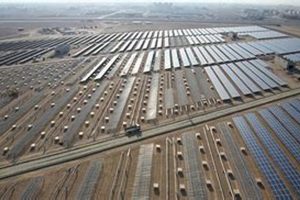
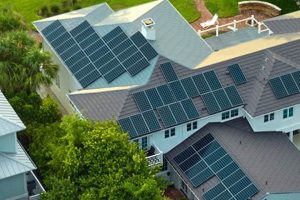
Power generation dispersed among numerous small-scale producers, often utilizing resources like solar, wind, biomass, or small-scale hydro, typifies locally managed energy production. For example, individual homes equipped with solar panels contribute to a network that reduces reliance on large, centralized power plants.
This localized approach offers several advantages. It enhances grid resilience by reducing vulnerability to large-scale outages. Furthermore, it often empowers communities, fostering local economic development and reducing transmission losses inherent in long-distance power delivery. Historically, energy systems have been centralized, relying on fossil fuels. The shift towards distributed generation represents a significant change with substantial environmental and societal implications.
Further exploration will cover the technical aspects of integrating these resources, the economic considerations for various stakeholders, and the policy landscape that shapes the future of sustainable power systems.
Tips for Implementing Distributed Generation
Effective integration of small-scale, sustainable power sources requires careful planning and execution. The following tips offer guidance for successful implementation:
Tip 1: Assess Resource Availability: Evaluate the local potential for various renewable sources. Solar irradiance, wind speeds, and biomass availability vary geographically. Accurate assessment ensures appropriate technology selection.
Tip 2: Understand Local Regulations: Net metering policies, permitting processes, and interconnection standards differ by jurisdiction. Compliance with local regulations streamlines project development.
Tip 3: Consider Storage Solutions: Intermittency poses a challenge for some renewables. Battery storage, pumped hydro, or other storage technologies can enhance reliability and grid stability.
Tip 4: Engage with the Community: Public support is crucial for project success. Community engagement builds trust and addresses potential concerns.
Tip 5: Explore Financing Options: Various financing mechanisms, including grants, loans, and tax incentives, can support project development. Understanding available options facilitates project viability.
Tip 6: Prioritize Grid Integration: Seamless integration with existing grid infrastructure ensures efficient energy delivery and minimizes disruption. Collaboration with utilities is essential.
Tip 7: Plan for Long-Term Maintenance: Regular maintenance and system upgrades are crucial for sustained performance. Develop a comprehensive maintenance plan to ensure longevity and optimize energy output.
Implementing these strategies maximizes the benefits of locally managed, sustainable energy production, contributing to greater grid resilience, economic development, and environmental sustainability.
By embracing these principles, stakeholders can contribute to a more sustainable and resilient energy future.
1. Distributed Generation

Distributed generation forms the cornerstone of decentralized renewable energy systems. It represents a paradigm shift away from large, centralized power plants towards smaller, dispersed generation units located closer to consumers. Understanding its multifaceted nature is crucial for grasping the broader implications of decentralized energy production.
- Technological Diversity
Distributed generation encompasses a wide range of technologies, including solar photovoltaics, wind turbines, small-scale hydro, biomass generators, and fuel cells. This diversity allows for adaptability to specific local resource availability and energy demands. Rooftop solar panels on residential buildings and wind turbines on farmland exemplify this technological flexibility, enabling customized solutions for varied environments.
- Grid Modernization
Integrating distributed generation necessitates modernizing existing grid infrastructure. Smart grids, advanced metering, and grid management systems become essential for efficiently managing bidirectional power flows and ensuring grid stability. These upgrades optimize energy distribution and enhance the reliability of decentralized systems, facilitating the seamless integration of renewable resources.
- Economic Implications
Distributed generation can stimulate local economies by creating jobs in manufacturing, installation, and maintenance of renewable energy technologies. It also empowers consumers by offering opportunities for energy independence and potential revenue generation through feed-in tariffs. These economic benefits contribute to the overall viability and attractiveness of decentralized energy models.
- Environmental Benefits
By relying predominantly on renewable sources, distributed generation significantly reduces greenhouse gas emissions and reliance on fossil fuels. This contributes to mitigating climate change and improving air quality. The shift towards cleaner energy sources through distributed generation represents a crucial step towards environmental sustainability.
These interconnected facets of distributed generation highlight its pivotal role in shaping a more sustainable, resilient, and decentralized energy future. The transition towards this model not only transforms energy production but also reshapes the relationship between energy producers and consumers, fostering greater community participation and control over energy resources.
2. Community Ownership

Community ownership models represent a significant aspect of decentralized renewable energy, fostering local engagement and control over energy resources. This approach empowers communities to actively participate in the energy transition, offering both economic and social benefits while promoting wider adoption of sustainable practices. Examining the key facets of community ownership reveals its potential to reshape the energy landscape.
- Shared Benefits
Community-owned renewable energy projects distribute economic benefits among local residents. Profits generated from electricity sales can be reinvested in community initiatives, supporting local businesses and creating job opportunities. This shared prosperity fosters greater equity and strengthens community bonds. Examples include community-owned wind farms that fund local schools or solar gardens that reduce energy costs for low-income households.
- Increased Local Control
Community ownership provides greater control over energy decisions, enabling communities to prioritize local needs and preferences. This localized decision-making process contrasts with traditional centralized energy models where decisions are often made remotely by large utilities. A community might, for instance, choose to invest in energy storage solutions to enhance local grid resilience, reflecting a priority not always addressed by larger energy providers.
- Enhanced Public Acceptance
Community ownership can foster greater public acceptance of renewable energy projects. Local involvement in project development and operation builds trust and addresses potential concerns more effectively than top-down approaches. This participatory approach can smooth the permitting process and facilitate the integration of renewable energy infrastructure within the community.
- Empowerment and Education
Community-owned projects provide opportunities for residents to learn about renewable energy technologies and their benefits. This educational aspect fosters greater awareness and understanding of sustainable energy practices, encouraging broader community engagement in the energy transition. Workshops, site visits, and educational materials associated with community projects contribute to a more informed and empowered citizenry.
These interwoven elements of community ownership contribute significantly to the success and broader adoption of decentralized renewable energy systems. By fostering local participation, distributing economic benefits, and enhancing public acceptance, community ownership models demonstrate the potential for a more equitable, sustainable, and democratically controlled energy future. This approach underscores the important role communities play in driving the transition towards a cleaner and more resilient energy landscape.
3. Grid Resilience
Grid resilience, the ability to withstand and recover from disruptions, represents a critical advantage of decentralized renewable energy systems. Traditional centralized grids, reliant on a limited number of large power plants, are vulnerable to cascading failures. A single point of failure, whether a natural disaster or a targeted attack, can cripple vast portions of the interconnected system. Decentralized generation, by distributing power sources across numerous smaller units, enhances resilience. If one unit fails, the impact remains localized, minimizing widespread outages. Microgrids, self-sufficient energy systems incorporating local generation and storage, further enhance this resilience by enabling continued operation even when disconnected from the main grid. For instance, during Hurricane Sandy, some microgrids powered by renewable energy continued to provide critical services while the larger grid remained down, demonstrating the practical value of decentralized systems in enhancing disaster preparedness.
The inherent modularity of decentralized systems allows for flexible and adaptive responses to changing conditions. This adaptability extends beyond disaster recovery. Distributed generation can also better accommodate fluctuating energy demands and integrate variable renewable resources like solar and wind. Intelligent grid management systems further enhance resilience by optimizing power flows and isolating faults, preventing cascading failures and minimizing disruption. The increasing penetration of rooftop solar, coupled with battery storage, exemplifies this shift towards a more resilient and distributed energy infrastructure. This distributed architecture reduces dependence on vulnerable transmission lines and enhances the overall robustness of the power supply.
Decentralized renewable energy offers a pathway towards a more resilient and secure energy future. While challenges remain in terms of grid integration and management, the benefits of enhanced resilience are undeniable. As extreme weather events become more frequent and the threat of cyberattacks increases, the ability to withstand and recover from disruptions becomes paramount. Decentralized systems, by their inherent nature, offer a robust and adaptable solution, contributing to a more reliable and secure energy landscape. Further development and deployment of these systems, coupled with advanced grid management technologies, will be crucial for ensuring long-term energy security and mitigating the risks associated with a changing climate and evolving security landscape.
4. Reduced Transmission Losses

Reduced transmission losses represent a significant advantage of decentralized renewable energy systems. Conventional centralized power generation necessitates long-distance transmission of electricity, resulting in substantial energy losses due to resistance in the wires. These losses, often reaching significant percentages of the total generated power, represent both an economic and environmental cost. Decentralized generation, by locating power sources closer to consumption points, inherently minimizes the distance electricity travels, consequently reducing transmission losses. This improved efficiency translates into lower operating costs and a smaller environmental footprint.
Consider a rural community reliant on a distant coal-fired power plant. A significant portion of the generated electricity dissipates as heat during transmission. Implementing a local solar farm or a network of small wind turbines reduces the need for long-distance transmission, conserving energy and lowering costs. Furthermore, reducing transmission infrastructure requirements minimizes the environmental impact associated with transmission line construction and maintenance, including habitat disruption and land use changes. This localized approach also enhances grid stability by reducing the strain on long-distance transmission lines, particularly during peak demand periods. The practical significance of reduced transmission losses becomes increasingly evident as electricity demand grows and the integration of renewable energy sources expands.
Minimizing transmission losses through decentralized generation contributes significantly to the overall efficiency and sustainability of the energy system. This inherent advantage of distributed renewable energy not only lowers costs and reduces environmental impact but also enhances grid stability and reliability. As the energy landscape evolves, strategies that minimize waste and maximize efficiency become increasingly crucial. Decentralized generation offers a compelling solution, paving the way for a more sustainable and efficient energy future by reducing transmission losses and optimizing energy delivery. This localized approach aligns with broader goals of resource conservation and environmental stewardship, demonstrating the practical and environmental benefits of distributed energy systems.
5. Renewable Sources Integration
Renewable sources integration forms the foundation of decentralized renewable energy systems. Decentralization inherently favors renewable energy sources like solar, wind, biomass, and small-scale hydro due to their distributed nature. These resources are often readily available locally, reducing the need for large-scale, centralized infrastructure associated with fossil fuels. This connection is fundamental: decentralized systems enable efficient utilization of renewable resources, while renewable resources empower the viability of decentralized models. Consider rooftop solar panels: their decentralized deployment maximizes solar energy capture while minimizing transmission losses. Conversely, the modularity of solar technology makes it ideal for decentralized implementation, facilitating broader adoption and contributing to a more sustainable energy mix. This symbiotic relationship drives the transition towards a cleaner and more resilient energy landscape.
The practical significance of this integration lies in its ability to address several key energy challenges. Renewable sources, by their nature, are inexhaustible and produce minimal greenhouse gas emissions, addressing climate change concerns. Their decentralized deployment enhances grid resilience by reducing dependence on vulnerable, centralized infrastructure. Furthermore, localized renewable energy generation can stimulate local economies, creating jobs in manufacturing, installation, and maintenance. Examples include community-owned wind farms that provide both clean energy and economic benefits to rural areas or microgrids powered by solar and battery storage that enhance energy security for remote communities. These practical applications demonstrate the tangible benefits of integrating renewable sources within decentralized energy frameworks.
Integrating renewable sources within decentralized energy systems is crucial for achieving a sustainable energy future. While challenges remain in terms of intermittency management and grid integration, the long-term benefits are substantial. Advanced energy storage technologies, smart grids, and sophisticated forecasting tools are continually evolving to address these challenges. As these technologies mature, the seamless integration of renewable sources within decentralized frameworks will become increasingly efficient and cost-effective, accelerating the transition towards a cleaner, more resilient, and more equitable energy system. This integrated approach represents a fundamental shift in energy production and consumption, offering a pathway towards a future powered by sustainable and locally sourced energy resources.
6. Empowerment of Consumers

Decentralized renewable energy fundamentally alters the traditional consumer-producer relationship within the energy sector. It shifts consumers from passive recipients of electricity to active participants in energy generation and management, fostering greater control over energy choices and contributing to a more democratic energy landscape. This empowerment manifests in various ways, reshaping individual behaviors and community dynamics while driving the transition towards a more sustainable and resilient energy future. Exploring the facets of this empowerment reveals its transformative potential.
- Energy Independence
Decentralized generation, particularly through rooftop solar and home battery systems, enables consumers to generate their own electricity, reducing reliance on centralized utilities. This energy independence shields consumers from fluctuating energy prices and enhances energy security, particularly in remote areas or during grid outages. Households equipped with solar and storage can maintain essential services even when the main grid is down, demonstrating a tangible form of energy autonomy.
- Economic Benefits
Consumers generating their own electricity can reduce their monthly energy bills and, in some cases, even sell excess power back to the grid through net metering programs. This potential for revenue generation transforms consumers into “prosumers,” actively participating in the energy market and benefiting financially from their investments in renewable energy technologies. Community solar projects further extend these economic benefits to renters or those without suitable rooftops for solar installations, broadening access to clean energy and its associated financial advantages.
- Choice and Control
Decentralized systems offer consumers greater choice and control over their energy sources. They can opt for cleaner, locally generated energy, aligning their energy consumption with their environmental values. This increased agency contrasts with traditional centralized models where consumers have limited influence over the source of their electricity. Choosing to invest in a community-owned wind farm, for instance, reflects a conscious decision to support locally generated renewable energy, empowering consumers to actively shape their energy future.
- Community Engagement
Decentralized renewable energy projects often foster community engagement and collaboration. Community-owned solar gardens or wind farms, for example, bring residents together to collectively invest in and benefit from local renewable energy generation. This shared endeavor strengthens community bonds and promotes a sense of collective responsibility towards sustainable energy practices. The participatory nature of these projects empowers individuals to contribute directly to their community’s energy transition.
These interconnected aspects of consumer empowerment highlight the transformative potential of decentralized renewable energy. By fostering greater energy independence, offering economic benefits, enhancing consumer choice, and promoting community engagement, decentralized systems redefine the role of the consumer within the energy landscape. This shift towards greater individual and community control over energy resources not only accelerates the adoption of renewable energy but also contributes to a more democratic, resilient, and sustainable energy future. The empowered consumer becomes a key driver in the transition towards a cleaner and more equitable energy system, demonstrating the profound societal implications of decentralized energy paradigms.
7. Environmental Sustainability
Environmental sustainability represents a core driver and a key outcome of decentralized renewable energy systems. Transitioning away from centralized fossil fuel-based power generation towards distributed renewable resources offers significant environmental advantages, mitigating the impacts of climate change and promoting a healthier planet. Exploring the multifaceted relationship between environmental sustainability and decentralized renewable energy reveals its crucial role in shaping a more ecologically sound energy future.
- Reduced Greenhouse Gas Emissions
Decentralized renewable energy systems significantly reduce greenhouse gas emissions compared to conventional fossil fuel-based power plants. Utilizing resources like solar, wind, and hydro eliminates direct emissions from electricity generation, mitigating the primary driver of climate change. A community transitioning from a coal-fired power plant to a locally sourced solar farm, for example, directly reduces its carbon footprint, contributing to global efforts in combating climate change.
- Improved Air and Water Quality
Decentralized renewable energy sources, unlike fossil fuels, produce minimal air and water pollution. This improves local air quality, reducing respiratory illnesses and other health problems associated with air pollution. Furthermore, eliminating the need for extensive water usage in power generation, such as cooling in thermal power plants, conserves water resources and protects aquatic ecosystems. Replacing coal-fired power with wind energy, for instance, eliminates both air pollution from combustion and water contamination from coal ash disposal.
- Reduced Land Use Impacts
While renewable energy infrastructure requires land, decentralized systems can often integrate into existing landscapes, minimizing land use impacts. Rooftop solar installations, for example, utilize existing infrastructure, reducing the need for dedicated land. Similarly, integrating solar farms with agricultural activities or co-locating wind turbines with grazing lands optimizes land use and minimizes habitat disruption. These integrated approaches demonstrate the potential for minimizing the environmental footprint of renewable energy infrastructure.
- Enhanced Biodiversity
Decentralized renewable energy can positively impact biodiversity compared to centralized fossil fuel extraction and power generation. Avoiding large-scale mining operations associated with fossil fuels protects habitats and reduces ecosystem disruption. Furthermore, careful siting and design of renewable energy infrastructure can minimize impacts on wildlife and preserve ecological corridors. Integrating renewable energy with agricultural practices, such as agroforestry with solar installations, can even enhance biodiversity by creating diverse habitats.
These interconnected facets highlight the profound environmental benefits of decentralized renewable energy. By mitigating climate change, improving air and water quality, reducing land use impacts, and potentially enhancing biodiversity, decentralized systems offer a pathway towards a more sustainable and resilient energy future. While challenges remain in terms of material sourcing and end-of-life management for renewable energy technologies, the overall environmental advantages are substantial. As technology advances and best practices evolve, decentralized renewable energy will play an increasingly crucial role in mitigating environmental degradation and ensuring a healthy planet for future generations. This shift towards a cleaner and more sustainable energy paradigm represents a fundamental step towards achieving global environmental sustainability goals.
Frequently Asked Questions
Addressing common inquiries regarding locally managed, sustainable power production clarifies potential misconceptions and provides a deeper understanding of this evolving energy paradigm.
Question 1: How does distributed generation differ from traditional centralized power generation?
Traditional centralized generation relies on large power plants, often fueled by fossil fuels, transmitting electricity over long distances. Distributed generation utilizes numerous smaller-scale renewable sources located closer to consumers, reducing transmission losses and enhancing grid resilience.
Question 2: What are the primary benefits of community-owned renewable energy projects?
Community ownership distributes economic benefits among local residents, fosters greater control over energy decisions, enhances public acceptance of renewable energy projects, and provides educational opportunities for community members.
Question 3: How does decentralized renewable energy improve grid resilience?
By distributing power sources and reducing reliance on single points of failure, decentralized systems enhance grid resilience. Localized generation minimizes the impact of outages, enabling faster recovery and enhancing energy security during disruptions.
Question 4: What role does energy storage play in decentralized renewable energy systems?
Energy storage technologies, such as batteries and pumped hydro, address the intermittency of renewable sources like solar and wind. Storage ensures a reliable power supply even when the sun isn’t shining or the wind isn’t blowing, enhancing grid stability and maximizing the utilization of renewable resources.
Question 5: What are the key challenges associated with implementing decentralized renewable energy systems?
Challenges include grid integration complexities, intermittency management, initial capital costs, regulatory hurdles, and the need for skilled labor in installation and maintenance. Addressing these challenges through technological advancements, supportive policies, and community engagement is essential for widespread adoption.
Question 6: How can policy and regulation support the growth of decentralized renewable energy?
Supportive policies, such as net metering, feed-in tariffs, tax incentives, and streamlined permitting processes, can incentivize investment in decentralized renewable energy projects. Clear and consistent regulations create a stable market environment and encourage broader participation in the energy transition.
Understanding the nuances of locally managed, sustainable power production is essential for navigating the evolving energy landscape. Continued exploration and engagement are crucial for realizing the full potential of this transformative energy paradigm.
Further sections will explore real-world case studies and future projections for decentralized renewable energy systems.
Conclusion
Decentralized renewable energy systems represent a paradigm shift in energy production and consumption. This exploration has highlighted the multifaceted nature of distributed generation, emphasizing its potential to enhance grid resilience, reduce transmission losses, integrate renewable sources effectively, empower consumers, and promote environmental sustainability. Community ownership models further amplify these benefits by fostering local participation and distributing economic gains. While challenges remain in terms of grid integration and intermittency management, ongoing technological advancements and supportive policies continue to pave the way for wider adoption.
The transition towards decentralized renewable energy signifies a profound transformation of the energy landscape. It offers a pathway towards a more sustainable, resilient, and equitable energy future. Continued investment in research, development, and deployment of these systems is crucial for mitigating climate change, enhancing energy security, and fostering a more democratized energy sector. The future of energy hinges on embracing this decentralized and sustainable paradigm, empowering communities and individuals to actively participate in shaping a cleaner and more resilient energy landscape for generations to come.