Professional opportunities within the sustainable power sector encompass a wide range of specializations, from research and development to installation and maintenance. For example, individuals might contribute to designing more efficient solar panels, managing wind farms, or developing innovative energy storage solutions. This dynamic field draws upon expertise in engineering, science, technology, finance, and policy.
The global shift towards cleaner power sources has created a rapidly expanding job market with significant potential for economic growth and environmental stewardship. Historically, reliance on fossil fuels has presented numerous environmental and geopolitical challenges. The transition to sustainable energy offers a pathway to greater energy independence, reduced emissions, and a more sustainable future. This evolving landscape necessitates a skilled workforce capable of driving innovation and implementation.
The following sections will delve into specific career paths within the renewable energy sector, examining required qualifications, potential salary expectations, and projected growth opportunities. Additionally, resources for professional development and networking will be explored.
Tips for Pursuing Opportunities in Sustainable Energy
Strategic career planning can significantly enhance success within the dynamic and evolving field of sustainable energy. The following tips provide guidance for individuals interested in contributing to this critical sector.
Tip 1: Develop Specialized Skills: Acquiring in-demand skills like data analysis, programming, or specialized engineering expertise can significantly enhance career prospects. Examples include proficiency in software used for energy modeling or expertise in specific renewable technologies like photovoltaic systems.
Tip 2: Network Strategically: Attending industry conferences, joining professional organizations, and engaging with online communities can provide valuable networking opportunities and insights into emerging trends.
Tip 3: Gain Practical Experience: Internships, research projects, and volunteer work offer practical experience and demonstrate commitment to the field. These opportunities can also help individuals identify areas of specific interest.
Tip 4: Understand Policy and Regulations: Familiarity with relevant government policies, incentives, and regulations governing the renewable energy sector is crucial for navigating the industry landscape.
Tip 5: Consider Advanced Education: Pursuing advanced degrees or certifications in relevant fields can provide a competitive edge and demonstrate a commitment to professional development. Specialized programs in areas like renewable energy engineering or sustainable business management can be particularly valuable.
Tip 6: Research Industry Trends: Staying abreast of technological advancements, market dynamics, and emerging trends within the renewable energy sector is essential for making informed career decisions.
Tip 7: Develop Strong Communication Skills: Effectively conveying complex technical information to diverse audiences, including colleagues, clients, and policymakers, is a valuable asset.
By focusing on these key areas, individuals can position themselves for success in the rapidly expanding and impactful field of sustainable energy. These strategic approaches empower individuals to contribute meaningfully to a more sustainable future.
The concluding section will summarize key takeaways and highlight the long-term benefits of pursuing a career within the renewable energy sector.
1. Engineering

Engineering disciplines play a crucial role in the advancement and implementation of renewable energy technologies. From designing efficient wind turbine blades to developing innovative energy storage solutions, engineers are essential for driving the transition to a sustainable energy future. This section explores key facets of engineering within the renewable energy sector.
- Energy Systems Engineering
Energy systems engineers focus on the design, optimization, and management of complex energy systems, including renewable energy integration. They analyze energy demand, assess resource availability, and develop strategies for efficient energy distribution and storage. Real-world examples include designing smart grids that incorporate renewable energy sources and developing energy management systems for buildings and industrial facilities. These engineers play a vital role in ensuring the reliable and sustainable delivery of energy.
- Mechanical Engineering
Mechanical engineers contribute to the design and development of various renewable energy technologies. They work on wind turbine design, optimizing blade aerodynamics and improving generator efficiency. They also play a key role in developing solar thermal systems and geothermal power plants. Examples include designing more efficient heat exchangers for concentrating solar power plants and developing advanced materials for wind turbine blades. Their expertise ensures the efficient conversion of renewable resources into usable energy.
- Electrical Engineering
Electrical engineers are essential for integrating renewable energy sources into the electrical grid. They design and implement power electronics systems for solar and wind power plants, ensuring efficient power conversion and grid stability. They also work on developing smart grid technologies and advanced energy storage systems. Real-world applications include designing grid-tied inverters for solar photovoltaic systems and developing control systems for wind farms. Their expertise is crucial for ensuring the reliable and efficient delivery of renewable energy to consumers.
- Chemical Engineering
Chemical engineers play a significant role in the development of biofuels, fuel cells, and other sustainable energy technologies. They research and develop new processes for converting biomass into biofuels and optimize the performance of fuel cells for various applications. Examples include designing bioreactors for biofuel production and developing new catalyst materials for fuel cells. Their contributions are essential for advancing alternative energy solutions and reducing reliance on fossil fuels.
These engineering disciplines represent a crucial component of the renewable energy sector. The collaborative efforts of engineers across these specializations are essential for driving innovation, improving efficiency, and accelerating the transition to a sustainable energy future. As the demand for renewable energy continues to grow, the need for skilled engineers in these fields will only intensify, creating diverse career opportunities for individuals passionate about addressing climate change and building a more sustainable world.
2. Manufacturing

Manufacturing forms a critical link in the renewable energy value chain, transforming raw materials and components into finished products essential for harnessing clean power. The sector offers diverse career paths, ranging from production line technicians to quality control specialists, all contributing to the growth and deployment of sustainable energy technologies. Understanding the manufacturing processes within this industry is crucial for individuals seeking opportunities in this expanding field.
- Solar Panel Production
Solar panel manufacturing involves a complex series of processes, from silicon purification and wafer production to cell interconnection and module assembly. Factories specializing in photovoltaic technology require skilled technicians to operate sophisticated equipment, ensuring precise fabrication and quality control. These roles are essential for meeting the growing global demand for solar energy and contribute significantly to reducing carbon emissions.
- Wind Turbine Component Fabrication
The manufacturing of wind turbine components, including blades, nacelles, and towers, demands specialized expertise and precision engineering. From molding composite materials for blades to welding and assembling massive steel structures, skilled professionals in manufacturing play a vital role in ensuring the structural integrity and performance of these complex machines. These roles are critical for expanding wind energy capacity and contributing to a sustainable energy future.
- Battery Production for Energy Storage
The increasing demand for energy storage solutions has spurred the growth of battery manufacturing within the renewable energy sector. Producing batteries for grid-scale storage and electric vehicles requires specialized knowledge of electrochemical processes and advanced manufacturing techniques. These roles are essential for enhancing grid stability, integrating renewable energy sources, and supporting the electrification of transportation.
- Balance of System Component Manufacturing
Beyond the core technologies, a range of balance-of-system (BOS) components are essential for the effective operation of renewable energy systems. Manufacturing these components, including inverters, cables, and mounting structures, requires specialized skills and adherence to stringent quality standards. These roles ensure the seamless integration and optimal performance of renewable energy installations, contributing to the overall reliability and efficiency of the system.
The manufacturing sector within the renewable energy industry provides a diverse range of career opportunities for individuals with technical skills and a commitment to sustainability. As the global transition to clean energy accelerates, the demand for skilled professionals in these manufacturing roles will continue to rise, offering promising career paths and contributing to a more sustainable future.
3. Installation

The installation phase represents a critical stage in deploying renewable energy systems, bridging the gap between manufacturing and operation. Skilled professionals ensure the proper placement, connection, and commissioning of these technologies, directly impacting their performance, longevity, and safety. This sector offers diverse career paths, from technicians specializing in specific technologies to project managers overseeing complex installations. Understanding the intricacies of installation within the renewable energy industry is essential for individuals seeking opportunities in this hands-on field.
- Solar Panel Installation
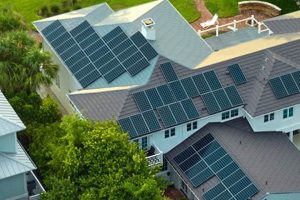
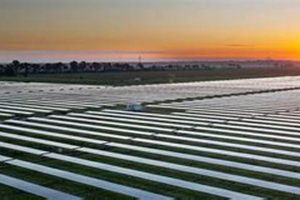
Installing solar photovoltaic (PV) systems requires specialized knowledge of electrical systems, roofing practices, and structural considerations. Installers mount panels, connect wiring, and configure inverters, ensuring optimal energy production and system safety. Real-world examples include rooftop installations on residential homes, large-scale ground-mounted solar farms, and building-integrated photovoltaics. The growing demand for solar energy creates significant career opportunities for skilled installers.
- Wind Turbine Installation
Wind turbine installation involves complex logistical and engineering challenges, requiring specialized heavy-lifting equipment and precise assembly procedures. Teams of skilled technicians and engineers work together to erect towers, mount nacelles, and attach blades, ensuring the structural integrity and operational readiness of these massive structures. Examples include onshore wind farms across diverse terrains and offshore wind projects requiring specialized marine construction techniques. The expanding wind energy sector presents significant employment prospects for individuals with expertise in this area.
- Energy Storage System Installation
Installing energy storage systems, such as batteries, requires specialized knowledge of electrical systems, safety protocols, and integration with renewable energy sources. Technicians connect battery modules, configure control systems, and integrate the storage system with the existing grid infrastructure. Examples include residential battery storage paired with rooftop solar and utility-scale battery storage facilities supporting grid stability. The increasing demand for energy storage creates growing career opportunities in this specialized field.
- Grid Integration and Connection
Connecting renewable energy systems to the existing electrical grid requires specialized knowledge of grid infrastructure, safety regulations, and interconnection procedures. Skilled technicians and engineers ensure proper synchronization and power flow, maximizing the contribution of renewable energy sources to the grid. This crucial step ensures the seamless integration of clean energy and supports the transition to a more sustainable energy future. Career opportunities in this area are expanding with the increasing deployment of renewable energy technologies.
The installation phase of renewable energy projects offers diverse and rewarding career paths for individuals with technical skills and a passion for sustainability. As the global demand for clean energy continues to grow, the need for skilled installation professionals will only intensify, creating significant employment opportunities and contributing to a cleaner energy future.
4. Maintenance
Maintaining the operational integrity and maximizing the lifespan of renewable energy infrastructure necessitate specialized expertise and a proactive approach. Effective maintenance ensures optimal performance, minimizes downtime, and maximizes the return on investment for these crucial clean energy assets. This sector offers diverse career paths, from technicians specializing in specific technologies to engineers developing predictive maintenance strategies. Understanding the critical role of maintenance within the renewable energy industry is essential for individuals seeking opportunities in this technically demanding field.
Preventive and Corrective Maintenance
Regular inspections and preventative maintenance are essential for identifying potential issues before they escalate into costly repairs or system failures. Technicians perform routine checks, replace worn components, and conduct performance testing to ensure optimal operation. Corrective maintenance addresses unexpected failures or malfunctions, requiring rapid diagnosis and repair to minimize downtime. Examples include replacing worn bearings in wind turbines, troubleshooting electrical issues in solar PV systems, and repairing damaged components in energy storage systems. The ability to perform both preventative and corrective maintenance is crucial for ensuring the reliability and longevity of renewable energy installations.
Condition Monitoring and Predictive Maintenance
Advanced technologies, such as sensors and data analytics, are increasingly used for condition monitoring and predictive maintenance. By collecting and analyzing real-time data on equipment performance, technicians and engineers can identify potential issues before they occur, enabling proactive maintenance and minimizing downtime. Examples include using vibration analysis to detect early signs of bearing failure in wind turbines and analyzing thermal imaging data to identify hotspots in solar panels. This data-driven approach enhances maintenance efficiency and optimizes the performance of renewable energy systems.
Remote Monitoring and Diagnostics
Remote monitoring and diagnostics allow technicians and engineers to assess the health and performance of renewable energy systems from a central location. This technology enables real-time analysis of system data, facilitating proactive maintenance and rapid response to potential issues. Examples include remotely monitoring the output of solar PV systems and diagnosing faults in wind turbines without the need for on-site visits. Remote monitoring enhances efficiency and reduces maintenance costs, particularly for geographically dispersed renewable energy installations.
Specialized Maintenance for Specific Technologies
Each renewable energy technology requires specialized maintenance procedures and expertise. Technicians and engineers specializing in wind energy, solar PV, energy storage, or other technologies possess specific skills and knowledge to address the unique maintenance requirements of each system. This specialized expertise is essential for ensuring the optimal performance and longevity of diverse renewable energy installations.
The maintenance sector within the renewable energy industry offers a critical and evolving career path. As the global reliance on clean energy grows, the demand for skilled maintenance professionals will continue to increase. This field presents rewarding opportunities for individuals with technical expertise, problem-solving skills, and a commitment to ensuring the long-term sustainability of renewable energy infrastructure.
5. Research

Research forms the bedrock of advancements within the renewable energy industry, driving innovation and pushing the boundaries of what’s possible. From improving the efficiency of existing technologies to exploring entirely new avenues for harnessing clean energy, research plays a crucial role in shaping the future of the sector. A diverse range of research areas offers exciting career paths for individuals with a passion for scientific discovery and a commitment to a sustainable future.
- Materials Science
Developing new materials with enhanced properties is essential for improving the performance, durability, and cost-effectiveness of renewable energy technologies. Researchers in materials science explore novel materials for solar cells, wind turbine blades, energy storage systems, and other key components. Examples include developing perovskite solar cells with higher efficiencies than traditional silicon cells and exploring lightweight yet strong composite materials for wind turbine blades. These advancements contribute to more efficient and durable renewable energy systems.
- Energy Storage Technologies
Research into advanced energy storage solutions is critical for addressing the intermittency of renewable energy sources like solar and wind power. Scientists and engineers explore new battery chemistries, advanced storage technologies like pumped hydro and compressed air energy storage, and innovative grid-scale storage solutions. Examples include developing solid-state batteries with improved safety and energy density and exploring the potential of flow batteries for large-scale energy storage. These advancements are essential for enabling greater reliance on renewable energy sources.
- Grid Integration and Optimization
Integrating increasing amounts of renewable energy into existing power grids presents significant technical challenges. Researchers focus on developing smart grid technologies, advanced control systems, and optimization algorithms to ensure grid stability and reliability. Examples include developing advanced forecasting models for renewable energy generation and designing control systems that can dynamically adjust to fluctuating power inputs from renewable sources. This research is crucial for enabling a smooth transition to a grid powered primarily by renewable energy.
- Renewable Energy Resource Assessment
Accurately assessing the availability and potential of renewable energy resources is essential for planning and deploying renewable energy projects effectively. Researchers conduct resource assessments for solar, wind, geothermal, and other renewable energy sources, using sophisticated modeling and data analysis techniques. Examples include mapping wind resources using lidar technology and developing solar irradiance models to predict solar energy generation potential. This research informs decision-making and ensures the optimal placement and utilization of renewable energy installations.
These research areas represent just a fraction of the ongoing efforts to advance renewable energy technologies and pave the way for a sustainable energy future. Careers in research offer intellectually stimulating opportunities for individuals passionate about contributing to solutions for climate change and advancing clean energy innovation. The continuous pursuit of knowledge and innovation within these research domains is crucial for the continued growth and evolution of the renewable energy industry.
6. Management

Effective management is essential for the successful development, implementation, and operation of renewable energy projects. Managerial roles within the renewable energy industry encompass a broad spectrum of responsibilities, from overseeing project development and financing to directing operations and maintenance activities. This critical function ensures projects are completed on time and within budget, while also adhering to stringent safety and environmental standards. The impact of skilled management is evident in the successful execution of complex projects, ranging from large-scale solar farms to offshore wind installations. These projects require coordinated efforts across multiple teams, highlighting the importance of effective leadership and communication.
Several specialized management roles contribute significantly to the renewable energy sector. Project managers oversee all aspects of project development, from initial feasibility studies to commissioning and handover. Operations managers are responsible for the day-to-day operation and maintenance of renewable energy facilities, ensuring optimal performance and minimizing downtime. Asset managers oversee the financial performance of renewable energy investments, optimizing returns and managing risks. Regulatory affairs managers navigate the complex regulatory landscape, ensuring compliance with permits and regulations. These specialized roles highlight the diverse career opportunities within the management function of the renewable energy industry. For instance, a project manager might oversee the development of a geothermal power plant, coordinating teams responsible for resource exploration, drilling, power plant construction, and grid connection. An operations manager might be responsible for the daily operation and maintenance of a wind farm, ensuring optimal turbine performance and scheduling preventative maintenance activities.
The success of the renewable energy transition hinges on effective management across all stages of the project lifecycle. Skilled managers play a critical role in coordinating resources, mitigating risks, and ensuring projects deliver on their intended environmental and economic benefits. The increasing scale and complexity of renewable energy projects underscore the growing demand for experienced professionals with strong leadership, communication, and organizational skills. Addressing challenges such as supply chain disruptions, workforce development, and evolving regulatory frameworks requires strategic foresight and adaptable management practices. The continued growth of the renewable energy sector presents significant career opportunities for individuals with a passion for sustainability and the ability to navigate the complexities of this dynamic industry.
Frequently Asked Questions
This section addresses common inquiries regarding professional opportunities within the renewable energy sector.
Question 1: What educational background is typically required for employment within this field?
Educational requirements vary depending on the specific role. Many positions require at least a bachelor’s degree in engineering, science, or a related field. Advanced degrees or specialized certifications can enhance career prospects.
Question 2: What is the typical salary range for professionals in the renewable energy sector?
Compensation varies based on factors such as experience, education, job title, and geographic location. Entry-level positions may offer competitive starting salaries, while experienced professionals in specialized roles can command significantly higher earnings.
Question 3: What are the projected job growth prospects within this industry?
The renewable energy sector is experiencing significant growth globally, driven by increasing demand for clean energy and supportive government policies. Job growth prospects are generally considered favorable, with numerous opportunities anticipated across various specializations.
Question 4: How can one gain practical experience to enhance their career prospects?
Internships, research projects, and volunteer work within the renewable energy sector provide valuable practical experience. These opportunities can help individuals develop relevant skills, build professional networks, and gain exposure to different aspects of the industry.
Question 5: What are some key skills needed for success in this field?
Technical proficiency, problem-solving abilities, communication skills, and adaptability are highly valued within the renewable energy sector. Specific technical skills may vary depending on the chosen specialization.
Question 6: How can one stay informed about industry trends and job opportunities?
Following industry publications, joining professional organizations, attending conferences, and networking with professionals in the field are effective ways to stay informed about industry trends and job opportunities. Online resources, such as job boards and industry websites, can also provide valuable information.
Exploring these FAQs should provide a clearer understanding of the renewable energy career landscape.
The following section will offer concluding remarks and perspectives on the future of the renewable energy industry.
Conclusion
Exploration of professional opportunities within the renewable energy sector reveals a diverse and dynamic landscape. From engineering and manufacturing to installation, maintenance, research, and management, the industry offers a multitude of career paths for individuals with varying skill sets and backgrounds. The increasing global demand for clean energy, coupled with supportive government policies, points towards significant growth potential and a favorable job market outlook. Acquiring specialized skills, gaining practical experience, and staying informed about industry trends are crucial for navigating this evolving landscape and securing a fulfilling career within the sector.
The transition to a sustainable energy future presents both a significant challenge and an unprecedented opportunity. Professional opportunities within the renewable energy industry offer not only promising career paths but also the chance to contribute meaningfully to a global imperative. The future of energy hinges on the ingenuity, dedication, and collaborative efforts of individuals committed to developing, deploying, and maintaining clean energy technologies. Embracing these opportunities is essential for building a more sustainable and resilient world.