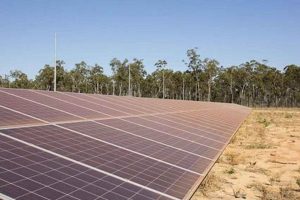
The trajectory of power generation is shifting towards sustainable sources. Innovations and advancements in technologies like solar, wind, hydro, geothermal, and biomass energy are constantly evolving, promising cleaner and more efficient power production. For instance, the development of more efficient photovoltaic cells is boosting solar energy’s potential, while advancements in wind turbine technology are enabling energy capture in areas previously unsuitable for wind farms.
This evolution toward sustainable power generation offers significant advantages, including reduced reliance on finite fossil fuels, mitigation of greenhouse gas emissions and their associated climate change impacts, and the potential for decentralized energy production, fostering greater energy independence. Historically, renewable energy sources were often considered niche technologies, but declining costs, improving efficiencies, and growing environmental concerns have propelled them into the mainstream.
This discussion will delve into specific advancements within various renewable energy sectors, examining the potential of emerging technologies, addressing existing challenges, and exploring the expected impact on global energy markets and the environment.
Staying informed about the evolving renewable energy sector is crucial for individuals, businesses, and policymakers. The following tips offer guidance on navigating this dynamic landscape.
Tip 1: Diversify Investments: Don’t rely on a single renewable energy source. A balanced portfolio across technologies like solar, wind, and geothermal mitigates risks associated with technological limitations or regional resource availability.
Tip 2: Monitor Policy Changes: Government incentives and regulations play a significant role in the adoption and growth of renewable energy. Staying updated on policy shifts is essential for informed decision-making.
Tip 3: Embrace Energy Storage Solutions: Intermittency remains a challenge for some renewable sources. Exploring energy storage solutions, such as batteries and pumped hydro, ensures a stable and reliable power supply.
Tip 4: Prioritize Energy Efficiency: Reducing energy consumption through efficiency measures minimizes the overall energy demand, maximizing the impact of renewable energy integration.
Tip 5: Support Research and Development: Continued innovation is vital for driving down costs and improving the performance of renewable energy technologies. Supporting research and development efforts accelerates progress in the field.
Tip 6: Consider Grid Modernization: Integrating renewable energy sources effectively requires modernizing existing grid infrastructure. This includes smart grids and improved transmission lines to handle fluctuating power inputs.
Tip 7: Engage with Local Communities: Successful renewable energy projects often require community support. Engaging with local stakeholders and addressing their concerns can facilitate smoother project implementation.
By understanding and implementing these tips, stakeholders can contribute to the growth and success of the renewable energy sector, ensuring a sustainable energy future.
This information serves as a practical guide for navigating the ongoing transformation of the global energy landscape. The subsequent sections will further elaborate on the specific technologies and market trends shaping the future of renewable energy.
1. Artificial Intelligence Integration
Artificial intelligence (AI) is rapidly emerging as a transformative force within the renewable energy sector, offering the potential to optimize energy production, grid management, and resource allocation. Its integration is crucial for maximizing the efficiency and effectiveness of renewable energy sources, paving the way for a more sustainable energy future.
- Predictive Maintenance:
AI algorithms can analyze data from renewable energy installations (e.g., wind turbines, solar panels) to predict potential equipment failures. By anticipating maintenance needs, downtime can be minimized, maximizing energy production and reducing operational costs. Real-world examples include predictive models for wind turbine gearbox failures, allowing operators to schedule preventative maintenance before critical issues arise. This predictive capability significantly enhances the reliability and cost-effectiveness of renewable energy systems.
- Smart Grid Management:
AI plays a vital role in optimizing the operation of smart grids, which are essential for integrating variable renewable energy sources. AI algorithms can forecast energy demand and renewable energy generation, enabling dynamic adjustments to grid operations, minimizing transmission losses, and ensuring grid stability. For instance, AI-powered grid management systems can predict fluctuations in solar power output based on weather patterns and adjust energy distribution accordingly. This intelligent grid management is crucial for balancing supply and demand in a grid increasingly reliant on intermittent renewable sources.
- Resource Optimization:
AI can optimize the siting and operation of renewable energy installations. By analyzing geographical data, weather patterns, and energy demand, AI algorithms can identify optimal locations for wind farms, solar parks, or hydroelectric dams. This data-driven approach maximizes energy output while minimizing environmental impacts. For example, AI can identify areas with the highest wind speeds or solar irradiance, leading to more efficient energy generation.
- Demand Forecasting and Response:
AI can analyze energy consumption patterns and predict future demand. This information can be used to optimize energy storage strategies and implement demand-response programs. For instance, AI-powered systems can predict peak demand periods and encourage consumers to shift energy-intensive activities to off-peak hours, smoothing out demand curves and reducing the need for costly peaking power plants. This intelligent demand management improves grid efficiency and reduces reliance on fossil fuel-based power generation.
These interconnected applications of AI are revolutionizing the renewable energy sector. By optimizing every stage from energy production to consumption, AI is accelerating the transition towards a sustainable energy future, enhancing the efficiency, reliability, and affordability of renewable energy sources while mitigating their environmental impact. This integration is not merely a technological advancement but a fundamental shift in how we manage and utilize renewable energy, paving the way for a cleaner and more sustainable energy future.
2. Decentralized Generation
Decentralized generation represents a significant shift in energy production, moving away from large, centralized power plants towards smaller, distributed energy resources (DERs). This transition is intrinsically linked to the future of renewable energy, enabling greater integration of variable renewable sources like solar and wind power, enhancing grid resilience, and empowering consumers to participate actively in the energy market. Decentralized generation is not merely a technological trend but a fundamental restructuring of energy systems, impacting everything from grid management to consumer behavior.
- Microgrids and Community Energy:
Microgrids, localized grids capable of operating independently or connecting to the larger grid, are pivotal in facilitating decentralized generation. They enable communities to generate and manage their own power, often utilizing renewable energy sources. Examples include university campuses powered by solar panels and battery storage or remote villages utilizing micro-hydro systems. This localized generation reduces transmission losses, enhances energy security during grid outages, and fosters community ownership of energy resources, driving the evolution towards a more distributed and resilient energy infrastructure.
- Rooftop Solar and Residential Power Generation:
Residential solar installations, particularly rooftop photovoltaic (PV) systems, are a prime example of decentralized generation. Homeowners become energy producers, reducing their reliance on the grid and potentially feeding excess power back into the system. The increasing affordability and efficiency of solar panels, coupled with supportive policies like net metering, are driving widespread adoption of residential solar. This democratization of energy production empowers individuals to participate directly in the renewable energy transition, transforming them from passive consumers to active prosumers.
- Grid Modernization and Smart Technologies:
Effective integration of decentralized generation requires significant advancements in grid management technologies. Smart grids, equipped with advanced sensors, communication networks, and control systems, are essential for managing the two-way flow of energy associated with DERs. Real-time monitoring and control capabilities ensure grid stability and optimize the utilization of distributed renewable energy resources. These smart grid technologies are fundamental for accommodating the increasing penetration of decentralized generation, enabling the seamless integration of intermittent renewable sources while maintaining grid reliability and efficiency.
- Energy Storage and Demand Management:
Energy storage solutions, such as batteries and pumped hydro, are critical for addressing the intermittency of renewable energy sources in a decentralized generation paradigm. Storing excess energy generated during peak production periods allows for its utilization during periods of low renewable generation or high demand. Coupled with intelligent demand management strategies, energy storage ensures a stable and reliable power supply from decentralized renewable sources. This integrated approach optimizes the utilization of renewable energy, minimizes reliance on fossil fuel-based backup power, and enhances the overall stability and reliability of the decentralized grid.
These interconnected aspects of decentralized generation are reshaping the energy landscape. By distributing energy production and empowering consumers, this paradigm shift enhances grid resilience, accelerates the integration of renewable energy, and fosters greater energy independence. Decentralized generation is not merely a trend but a fundamental component of the future energy system, paving the way for a more sustainable, reliable, and democratized energy future.
3. Offshore Wind Expansion

Offshore wind energy is poised to become a dominant force in the global transition to renewable energy. Harnessing the power of winds over the open ocean offers significant advantages over land-based wind farms, including higher wind speeds, reduced noise pollution, and minimal visual impact. This expansion is driven by technological advancements, supportive government policies, and the increasing need for clean, reliable energy sources. Larger turbines, floating foundations for deeper waters, and improved grid integration technologies are unlocking the vast potential of offshore wind, making it a key component of future energy systems. Projects like the Hornsea Project in the UK, one of the world’s largest offshore wind farms, demonstrate the scale and viability of this technology, supplying clean energy to millions of homes. This expansion represents a significant shift towards sustainable energy production, contributing significantly to reducing reliance on fossil fuels.
The growth of offshore wind energy has substantial implications for coastal communities and economies. The development, construction, and maintenance of offshore wind farms create new job opportunities in manufacturing, engineering, and operations. Furthermore, investments in port infrastructure and specialized vessels stimulate economic growth in coastal regions. However, careful planning and environmental impact assessments are crucial to minimize potential negative effects on marine ecosystems and other ocean users. Balancing the benefits of clean energy production with the need for environmental protection is vital for the sustainable development of offshore wind projects. This balance requires collaboration between governments, industry stakeholders, and local communities to ensure responsible and effective offshore wind development.
Offshore wind expansion plays a critical role in decarbonizing the energy sector and mitigating climate change. The higher capacity factors of offshore wind farms compared to their onshore counterparts contribute significantly to reducing greenhouse gas emissions. Furthermore, advancements in energy storage technologies, such as integrating offshore wind farms with large-scale battery storage or green hydrogen production, are enhancing the reliability and dispatchability of offshore wind power. These advancements address the intermittency challenges associated with renewable energy sources, enabling a smoother transition towards a cleaner and more sustainable energy future. The continued growth and innovation in offshore wind technology are essential for achieving global climate goals and securing a sustainable energy future for generations to come.
4. Green Hydrogen Production

Green hydrogen, produced through electrolysis powered by renewable energy sources, is increasingly recognized as a crucial component of future energy systems. Its potential to decarbonize sectors like transportation, industry, and heating, where direct electrification is challenging, positions it as a key player in the global transition to sustainable energy. This analysis will explore the multifaceted role of green hydrogen in shaping the future energy landscape.
- Decarbonizing Industrial Processes:
Green hydrogen offers a sustainable alternative to fossil fuels in energy-intensive industrial processes like steel and ammonia production. Traditional methods rely heavily on coal and natural gas, contributing significantly to greenhouse gas emissions. Replacing these fossil fuels with green hydrogen drastically reduces the carbon footprint of these industries. Examples include pilot projects using green hydrogen in steelmaking, demonstrating the feasibility and potential for large-scale decarbonization of this critical industrial sector. This transition is essential for achieving global climate goals and establishing a more sustainable industrial base.
- Long-Term Energy Storage:
Green hydrogen can be stored for extended periods, addressing the intermittency challenges associated with renewable energy sources like solar and wind power. Excess renewable energy generated during peak production times can be used to produce green hydrogen, which can then be stored and utilized when renewable generation is low or demand is high. This capability enhances the reliability and dispatchability of renewable energy, facilitating a more stable and resilient grid. Large-scale storage solutions utilizing underground caverns or salt domes are being explored to accommodate the seasonal storage of green hydrogen, offering a viable pathway for balancing energy supply and demand over longer timeframes.
- Fueling Transportation:
Green hydrogen offers a clean and sustainable fuel for various transportation modes, including heavy-duty trucks, ships, and even airplanes. Fuel cell vehicles powered by green hydrogen emit only water vapor, offering a zero-emission alternative to fossil fuel-powered vehicles. Growing investments in hydrogen refueling infrastructure and advancements in fuel cell technology are driving the adoption of hydrogen-powered vehicles in sectors where battery electric solutions face limitations due to range and weight constraints. Bus fleets and heavy-duty trucking are emerging as early adopters of green hydrogen fuel cell technology, demonstrating the potential for decarbonizing heavy transport.
- Heating and Power Generation:
Green hydrogen can be used as a fuel for heating buildings and generating electricity. Hydrogen fuel cells can provide combined heat and power (CHP) for residential and commercial applications, offering high efficiency and reduced emissions. Furthermore, green hydrogen can be blended with natural gas in existing pipelines or used in power plants to reduce the carbon intensity of electricity generation. While direct electrification remains the preferred decarbonization strategy for many heating applications, green hydrogen offers a viable alternative in situations where electrification is impractical or cost-prohibitive. This flexibility is essential for ensuring a comprehensive and inclusive approach to decarbonizing the energy sector.
These diverse applications of green hydrogen demonstrate its transformative potential within the renewable energy landscape. By offering solutions for decarbonizing hard-to-electrify sectors and providing long-term energy storage capabilities, green hydrogen is not merely a complementary technology but a crucial enabler of a fully sustainable energy future. Its integration with other renewable energy sources, smart grids, and advanced energy storage solutions is essential for achieving a net-zero emissions future and mitigating the impacts of climate change. As research and development continue to drive down costs and improve efficiency, green hydrogen’s role in the future energy system is expected to expand significantly, contributing to a cleaner, more secure, and sustainable energy future for all.
5. Energy Storage Solutions

Energy storage represents a critical link between the present and the future of renewable energy. The intermittent nature of renewable sources like solar and wind power necessitates effective storage solutions to ensure a consistent and reliable energy supply. Without adequate storage, the full potential of renewable energy cannot be realized. The development and deployment of advanced energy storage technologies are therefore inextricably linked to the broader adoption and success of renewable energy in the coming decades. This connection is fundamental to achieving a stable, decarbonized energy system.
Several energy storage technologies are currently under development and deployment, each with its own strengths and limitations. Pumped hydro storage, utilizing reservoirs at different elevations, remains a proven and cost-effective solution for large-scale energy storage. However, its geographical constraints limit its widespread applicability. Battery storage, particularly lithium-ion batteries, has seen rapid advancements in recent years, offering higher energy density and declining costs. This technology is well-suited for grid-scale storage and integration with distributed renewable energy resources. Other promising technologies include compressed air energy storage (CAES), thermal energy storage (TES), and flow batteries. The diversification of energy storage solutions is crucial for ensuring grid resilience and adapting to varying energy demands and geographical conditions. For example, the Hornsdale Power Reserve in South Australia, utilizing Tesla’s lithium-ion battery technology, demonstrates the effectiveness of grid-scale battery storage in stabilizing the grid and integrating renewable energy. Similar projects worldwide showcase the growing practical application and importance of energy storage.
Advancements in energy storage technologies are not only crucial for addressing the intermittency of renewable sources but also for enabling greater grid flexibility and resilience. As the penetration of renewable energy increases, the ability to store and dispatch energy becomes paramount for balancing supply and demand, managing peak loads, and ensuring grid stability. Moreover, energy storage can enhance the economic viability of renewable energy projects by allowing operators to store excess energy generated during periods of low demand and sell it during peak hours, maximizing revenue generation. Overcoming the challenges associated with energy storage, such as cost reduction, improved efficiency, and extended lifespan, is paramount for unlocking the full potential of renewable energy and achieving a truly sustainable energy future. Continued research, development, and deployment of innovative energy storage solutions are essential for realizing a decarbonized, reliable, and resilient energy system.
Frequently Asked Questions about Future Trends in Renewable Energy
This section addresses common inquiries regarding the evolving landscape of renewable energy, offering concise and informative responses to clarify key concepts and address potential concerns.
Question 1: How will advancements in energy storage impact the reliability of renewable energy sources?
Advanced energy storage technologies, such as batteries and pumped hydro, are essential for mitigating the intermittency of renewable sources like solar and wind. Storing excess energy generated during peak production allows for its utilization during periods of low generation or high demand, enhancing reliability and grid stability.
Question 2: What role does artificial intelligence play in optimizing renewable energy systems?
Artificial intelligence enhances renewable energy systems through predictive maintenance, optimizing grid management, and improving resource allocation. AI algorithms can predict equipment failures, forecast energy demand and generation, and identify optimal locations for renewable energy installations, maximizing efficiency and cost-effectiveness.
Question 3: How does decentralized generation contribute to a more resilient energy infrastructure?
Decentralized generation, using distributed energy resources like rooftop solar and microgrids, enhances grid resilience by reducing reliance on centralized power plants. Localized generation minimizes transmission losses and maintains power supply during grid outages, improving overall energy security.
Question 4: What are the key challenges facing the expansion of offshore wind energy?
While offshore wind offers immense potential, challenges include high upfront investment costs, complex installation procedures in challenging marine environments, and potential impacts on marine ecosystems. Addressing these challenges through technological advancements, streamlined permitting processes, and careful environmental impact assessments is crucial for realizing the full potential of offshore wind.
Question 5: Why is green hydrogen considered a crucial element of future energy systems?
Green hydrogen, produced using renewable energy, offers a versatile solution for decarbonizing sectors difficult to electrify, such as heavy industry and transportation. It also provides a means for long-term energy storage, addressing the intermittency of renewable sources and enabling a more flexible and resilient energy system.
Question 6: How can policymakers accelerate the transition to a renewable energy future?
Policymakers can accelerate the transition by implementing supportive policies like carbon pricing, renewable portfolio standards, tax incentives, and research and development funding. These policies create a favorable market environment for renewable energy technologies, driving innovation and deployment.
Understanding these key aspects of the future of renewable energy is crucial for informed decision-making and effective participation in the ongoing energy transition. Continued innovation, policy support, and public awareness are essential for realizing a sustainable energy future.
The following section will delve into specific case studies and real-world examples of successful renewable energy projects, showcasing the practical implementation of these future trends.
Conclusion
Examination of future trends in renewable energy reveals a dynamic landscape shaped by technological advancements, policy shifts, and evolving market dynamics. Key takeaways include the growing importance of energy storage solutions, the transformative potential of green hydrogen, the expanding role of offshore wind energy, the integration of artificial intelligence, and the rise of decentralized generation. These interconnected trends are driving the transition towards a more sustainable, reliable, and resilient energy system.
The transition to a renewable energy-powered future requires concerted efforts from governments, industry stakeholders, researchers, and individuals. Continued investment in research and development, supportive policies, and public awareness campaigns are crucial for accelerating the adoption of renewable energy technologies and overcoming existing challenges. The future of energy hinges on embracing these transformative trends and fostering a collaborative approach to building a sustainable energy future for all.