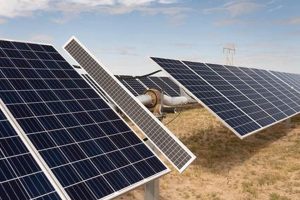
Independent power producers (IPPs) specializing in renewable sources like solar, wind, hydro, and geothermal energy play a critical role in the global energy transition. These private entities develop, finance, construct, own, and operate power generation facilities, often selling the electricity to utilities or directly to consumers. For example, a company might build and operate a large-scale solar farm, feeding the generated power into the national grid.
This decentralized approach to electricity production offers significant advantages. It can accelerate the deployment of renewable energy technologies, stimulate economic growth through job creation and investment, and diversify energy sources, enhancing energy security. Historically, electricity generation has been dominated by large, centralized utilities. The emergence of these independent producers fosters competition and innovation, ultimately leading to more efficient and sustainable energy systems. Moreover, their focus on sustainable sources contributes to reducing greenhouse gas emissions and mitigating climate change.
Further exploration of this topic will encompass key aspects such as the regulatory frameworks governing these producers, the financial models supporting their projects, and the technological advancements driving their continued growth. It will also address the challenges faced by this sector, including grid integration issues, land acquisition complexities, and the intermittent nature of some renewable resources.
Tips for Engaging with Independent Renewable Energy Producers
The following tips offer guidance for navigating the independent renewable energy producer (IRP) landscape, whether as a consumer, investor, or community stakeholder.
Tip 1: Understand Local Regulations: Regulatory frameworks governing IRPs vary significantly by jurisdiction. Researching specific local policies regarding permitting, interconnection, and power purchase agreements is essential.
Tip 2: Evaluate Project Viability: Assess the long-term viability of IRP projects by examining factors such as resource availability (solar, wind, etc.), technology maturity, and the developer’s track record.
Tip 3: Consider Community Impact: IRP projects can have significant impacts on local communities. Evaluating potential effects on land use, employment, and the environment is crucial.
Tip 4: Explore Financing Options: Various financing mechanisms support IRP projects, including tax incentives, grants, and private investment. Understanding available options can facilitate project development.
Tip 5: Analyze Power Purchase Agreements: Power purchase agreements (PPAs) define the terms of electricity sales between IRPs and buyers. Careful analysis of PPA terms, including pricing and contract duration, is vital.
Tip 6: Advocate for Grid Modernization: Effective grid integration is essential for maximizing the benefits of renewable energy. Supporting policies and initiatives that promote grid modernization can facilitate the growth of the IRP sector.
Tip 7: Stay Informed about Technological Advancements: The renewable energy landscape is constantly evolving. Staying abreast of technological advancements can inform decision-making and support innovation.
By considering these tips, stakeholders can effectively engage with the IRP sector, contributing to a more sustainable and resilient energy future. These considerations empower informed decision-making and promote responsible development within the renewable energy landscape.
The insights provided aim to equip stakeholders with the knowledge necessary to participate actively in the transition towards a cleaner energy future powered by independent renewable energy production.
1. Private Sector Investment

Private sector investment forms the cornerstone of independent power production (IPP) in the renewable energy sector. Capital from private entities funds project development, from initial feasibility studies and land acquisition to construction, operation, and maintenance of renewable energy facilities. This investment fuels technological innovation and accelerates the deployment of renewable energy solutions, driving the transition toward a more sustainable energy landscape. For example, pension funds and private equity firms increasingly allocate capital towards large-scale solar and wind projects developed by IPPs, demonstrating the crucial role of private finance in this sector. Without this infusion of capital, the rapid growth of renewable energy capacity witnessed in recent years would be significantly hampered.
The motivation for private sector involvement stems from several factors. Renewable energy projects offer the potential for long-term, stable returns, particularly given the growing demand for clean electricity. Government incentives, such as tax credits and feed-in tariffs, can further enhance the financial viability of these investments. Moreover, corporate sustainability goals and increasing societal pressure for environmentally responsible practices further encourage private sector engagement in renewable energy. The increasing competitiveness of renewable energy technologies against traditional fossil fuels also contributes to this investment trend.
Understanding the vital role of private sector investment in IPP renewable energy is crucial for policymakers, investors, and other stakeholders. Supportive regulatory frameworks, streamlined permitting processes, and transparent market mechanisms can attract and maximize private investment, unlocking the full potential of the renewable energy sector. Challenges such as policy uncertainty, grid connection complexities, and financing constraints must be addressed to maintain the momentum of private investment and ensure a smooth transition to a sustainable energy future. Continued investment in research and development is also essential for driving down costs and improving the efficiency of renewable energy technologies, further solidifying the role of the private sector as a key driver of innovation in this field.
2. Decentralized Generation

Decentralized generation represents a fundamental shift in electricity production, moving away from large, centralized power plants towards smaller, distributed generation sources. Independent power producers (IPPs) specializing in renewable energy play a pivotal role in this transition. By developing and operating distributed generation facilities like rooftop solar installations, small-scale wind farms, and community biogas digesters, IPPs contribute to a more resilient and flexible energy system. This decentralized approach reduces transmission losses inherent in long-distance power delivery and enhances energy security by diversifying supply points. For instance, a community might rely on a locally owned and operated solar farm developed by an IPP, reducing its dependence on a distant coal-fired power plant.
The growth of decentralized generation through IPPs offers several advantages. It empowers communities to take control of their energy production, fostering local economic development and job creation. Furthermore, distributed renewable energy sources minimize environmental impacts by reducing greenhouse gas emissions and reliance on fossil fuels. Decentralized generation also enhances grid resilience, making it less susceptible to widespread outages caused by extreme weather events or other disruptions. Consider a microgrid powered by a combination of solar panels and battery storage installed by an IPP; this system can continue to provide electricity even if the main grid fails.
Despite these benefits, challenges remain in integrating decentralized generation into existing electricity grids. Intermittency of renewable resources necessitates sophisticated grid management systems and energy storage solutions. Regulatory frameworks must adapt to accommodate the increasing number of distributed generation facilities and ensure fair market access for IPPs. Addressing these challenges is crucial for maximizing the potential of decentralized generation and achieving a truly sustainable and resilient energy future. Continued innovation in grid technologies and energy storage will further facilitate the seamless integration of decentralized generation resources, paving the way for a cleaner and more reliable energy landscape.
3. Grid Integration Challenges

Grid integration poses significant challenges for independent power producers (IPPs) specializing in renewable energy. Successfully integrating variable renewable energy sources like solar and wind power requires careful planning and advanced grid management strategies. These challenges stem from the inherent intermittency of renewable resources, the distributed nature of IPP projects, and the need to maintain grid stability and reliability. Understanding these complexities is crucial for realizing the full potential of IPP renewable energy.
- Intermittency and Variability
Renewable energy sources like solar and wind power are inherently intermittent and variable, meaning their output fluctuates depending on weather conditions. This variability poses challenges for grid operators who must balance supply and demand in real time. For example, a sudden drop in wind speed can significantly reduce power output from a wind farm, requiring backup power sources to maintain grid stability. Advanced forecasting and grid management techniques are crucial for mitigating the impacts of intermittency and ensuring reliable electricity supply.
- Distribution and Transmission Capacity
Many IPP renewable energy projects are located in remote areas with limited transmission infrastructure. Connecting these projects to the grid often requires significant upgrades to existing transmission lines or the construction of new lines. For example, a large solar farm built in a desert region might require a new high-voltage transmission line to connect to the nearest urban center. These infrastructure upgrades can be costly and time-consuming, posing a significant barrier to the integration of IPP renewable energy.
- Grid Stability and Reliability
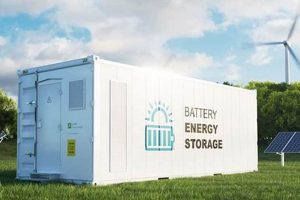
Maintaining grid stability and reliability is paramount as more variable renewable energy sources are integrated. Fluctuations in renewable energy output can impact grid frequency and voltage, potentially leading to blackouts or equipment damage. Grid operators must implement sophisticated control systems and deploy technologies like energy storage and demand response to ensure grid stability in the face of variable renewable generation. For instance, battery storage systems can absorb excess renewable energy during periods of high production and discharge it during periods of low production, smoothing out fluctuations and maintaining grid stability.
- Regulatory and Market Frameworks
Existing regulatory and market frameworks often present barriers to the effective integration of IPP renewable energy. These frameworks may not adequately address the unique characteristics of renewable energy resources, such as their intermittency and distributed nature. For example, regulations regarding grid connection costs and power purchase agreements can create disincentives for IPP investment in renewable energy. Reforming these frameworks to create a level playing field for renewable energy is essential for maximizing its contribution to the energy mix.
Successfully addressing these grid integration challenges is essential for unlocking the full potential of IPP renewable energy. Overcoming these hurdles requires a collaborative effort from policymakers, grid operators, technology developers, and IPPs. By working together, these stakeholders can pave the way for a more sustainable and resilient energy future powered by clean, renewable resources. Further development and deployment of smart grid technologies, advanced energy storage solutions, and flexible market mechanisms are crucial for enabling seamless grid integration of IPP renewable energy projects and ensuring a reliable and affordable electricity supply for all.
4. Power Purchase Agreements (PPAs)

Power purchase agreements (PPAs) are fundamental to the viability and growth of independent power production (IPP) in the renewable energy sector. These contracts serve as the cornerstone of project financing and provide a crucial link between renewable energy generators and electricity buyers. A PPA outlines the terms for the sale of electricity generated by an IPP’s renewable energy facility to a buyer, typically a utility, corporation, or government entity. These agreements define key parameters, including the contract duration, electricity price, contract volume, and risk allocation, providing long-term revenue certainty for IPPs and enabling them to secure financing for their projects. For example, a wind farm developer might sign a 20-year PPA with a local utility, guaranteeing a fixed price for the electricity generated over the contract period. This long-term price certainty allows the developer to secure financing from banks or investors, enabling the project’s construction and operation.
PPAs play a crucial role in mitigating several key risks associated with renewable energy projects. Price volatility in electricity markets can significantly impact the financial viability of renewable energy investments. PPAs provide a hedge against these fluctuations by locking in a fixed price for the generated electricity, ensuring predictable revenue streams for project developers. Furthermore, PPAs address the challenge of securing long-term offtake agreements for renewable energy. By securing a committed buyer for the electricity generated, IPPs can reduce market risk and attract investment. The certainty provided by a PPA significantly de-risks renewable energy projects, making them more attractive to financiers and facilitating access to capital. For instance, a corporate buyer seeking to reduce its carbon footprint might enter into a PPA with a solar power developer, guaranteeing a fixed price for renewable energy and helping the corporation achieve its sustainability targets.
The structure and terms of PPAs can vary depending on the specific needs of the parties involved. Different PPA models exist, each with its own risk allocation and pricing mechanisms. Understanding these various models is essential for both IPPs and buyers to negotiate agreements that effectively address their respective needs and risk appetites. The increasing adoption of PPAs has been a driving force behind the rapid growth of the renewable energy sector globally. These agreements provide a vital mechanism for financing renewable energy projects, accelerating the transition to a more sustainable energy future. However, challenges remain in standardizing PPA structures and streamlining negotiation processes, particularly in emerging markets. Addressing these challenges will further unlock the potential of PPAs to drive investment in renewable energy and contribute to a cleaner, more resilient energy system. The continued evolution and refinement of PPA structures are essential for maximizing the benefits of renewable energy for all stakeholders and ensuring a smooth transition to a sustainable energy future.
5. Renewable Energy Diversification

Renewable energy diversification is intrinsically linked to the growth and success of independent power producers (IPPs). Diversification within the renewable energy sector itself, encompassing various technologies like solar, wind, hydro, geothermal, and biomass, is crucial for building resilient and sustainable energy systems. IPPs play a key role in driving this diversification by developing and operating projects across a range of renewable energy technologies, contributing to a more balanced and secure energy portfolio.
- Technological Diversification
IPPs invest in a variety of renewable energy technologies, expanding beyond single-source reliance. This diversification reduces dependence on specific resources and mitigates risks associated with resource availability and price volatility. For instance, an IPP might develop a portfolio comprising solar photovoltaic plants, wind farms, and small hydroelectric projects, hedging against fluctuations in sunlight, wind patterns, and water availability.
- Geographical Diversification
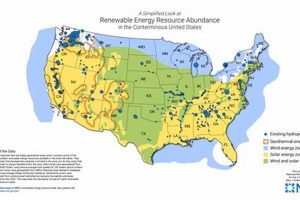
IPPs operate across diverse geographical regions, harnessing various renewable resources available in different locations. This geographical diversification enhances energy security by reducing reliance on specific regions and mitigating the impact of localized resource constraints or disruptions. For example, an IPP might invest in solar projects in sun-rich desert regions and wind farms in coastal areas with strong wind resources, optimizing energy production based on regional resource availability.
- Project Scale Diversification
IPPs engage in projects of varying scales, from small-scale distributed generation projects like rooftop solar installations to large-scale utility-scale solar and wind farms. This diversification caters to different market segments and allows for flexibility in project development and financing. A company might simultaneously develop a community solar project serving local residents and a large wind farm providing power to a wider regional grid.
- Ownership and Business Model Diversification
The IPP sector encompasses a variety of ownership structures and business models, ranging from publicly listed companies to privately held firms and community-owned projects. This diversity fosters competition and innovation, driving down costs and improving the efficiency of renewable energy development. Examples include community-owned wind farms, private equity-backed solar projects, and publicly traded companies specializing in geothermal energy development.
These facets of renewable energy diversification, facilitated by IPPs, contribute significantly to enhancing energy security, reducing reliance on fossil fuels, mitigating climate change impacts, and fostering sustainable economic development. The continued growth and diversification of the IPP sector are crucial for achieving a robust and resilient energy future powered by clean, renewable resources. As technology evolves and markets mature, further diversification within the renewable energy sector is anticipated, driven by IPP innovation and investment in emerging technologies like offshore wind, wave energy, and advanced bioenergy solutions.
Frequently Asked Questions about Independent Power Producers in Renewable Energy
This section addresses common inquiries regarding the role and impact of independent power producers (IPPs) in the renewable energy sector. Clear and concise answers provide a deeper understanding of this increasingly important aspect of the global energy transition.
Question 1: How do independent power producers (IPPs) differ from traditional utility companies?
Traditional utilities typically own and operate the entire electricity infrastructure, from generation to transmission and distribution. IPPs, however, focus solely on electricity generation, often selling their output to utilities or directly to large consumers. This specialization allows IPPs to concentrate on developing and operating renewable energy projects.
Question 2: What are the primary benefits of utilizing IPPs for renewable energy development?
IPPs can accelerate the deployment of renewable energy by leveraging private sector investment and expertise. Their involvement often leads to faster project development timelines and increased innovation compared to traditional utility-led projects. This approach also fosters competition, potentially leading to lower electricity prices for consumers.
Question 3: What are the typical challenges faced by IPPs in the renewable energy sector?
Common challenges include securing long-term power purchase agreements (PPAs), navigating complex regulatory landscapes, obtaining financing for projects, and integrating intermittent renewable energy sources into the existing electricity grid.
Question 4: How do power purchase agreements (PPAs) impact the financial viability of renewable energy projects developed by IPPs?
PPAs provide long-term price certainty for the electricity generated by IPP projects. This revenue stability is essential for securing financing and ensuring the long-term viability of renewable energy investments. PPAs mitigate the risks associated with fluctuating electricity prices and provide a guaranteed buyer for the generated power.
Question 5: What role do IPPs play in promoting energy security and sustainability?
By diversifying energy sources and reducing reliance on fossil fuels, IPPs contribute significantly to energy security and sustainability. Their investments in renewable energy projects help reduce greenhouse gas emissions and mitigate the impacts of climate change. Decentralized generation by IPPs also enhances grid resilience and reduces dependence on centralized power plants.
Question 6: How can governments support the growth and development of the IPP renewable energy sector?
Supportive policies, streamlined permitting processes, transparent market mechanisms, and investment in grid infrastructure are crucial for fostering a healthy IPP sector. Governments can also incentivize private sector investment through tax credits, grants, and other financial instruments. Clear and consistent regulatory frameworks can reduce uncertainty and attract long-term investments in renewable energy projects.
Understanding the role of IPPs is crucial for promoting a sustainable energy future. Their contributions are essential for achieving global climate goals and ensuring a reliable and affordable energy supply for all.
For further insights, the subsequent section will delve into specific case studies illustrating the successful implementation of IPP renewable energy projects worldwide.
Conclusion
This exploration of independent power production (IPP) within the renewable energy sector has highlighted its significance in driving the global energy transition. The analysis encompassed key aspects, including the role of private sector investment, the benefits of decentralized generation, the complexities of grid integration, the importance of power purchase agreements (PPAs), and the imperative of renewable energy diversification. IPP’s contribution to a more sustainable and secure energy landscape is undeniable, offering viable pathways for reducing reliance on fossil fuels and mitigating climate change impacts. The challenges encountered, such as grid integration complexities and regulatory hurdles, underscore the need for ongoing innovation and collaboration among stakeholders.
The future of energy hinges on continued advancements and strategic deployment of renewable energy technologies. The role of IPPs remains crucial in accelerating this transition, fostering innovation, and driving sustainable economic growth. Sustained policy support, technological advancements, and collaborative partnerships will be essential for maximizing the potential of IPP renewable energy and shaping a cleaner, more resilient energy future for all. Continued focus on grid modernization, energy storage solutions, and market mechanisms that incentivize renewable energy investments will pave the way for greater penetration of IPP projects, ultimately contributing to a more sustainable and prosperous future.