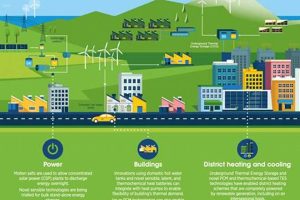
An approach to energy generation and consumption that prioritizes diverse, sustainable sources like solar, wind, hydro, geothermal, and biomass, aiming to replace fossil fuels across all sectors, including electricity, heating/cooling, and transportation, embodies a holistic shift toward environmental sustainability. For example, a community might integrate solar panels on rooftops, wind turbines in open areas, and geothermal systems for heating and cooling buildings, while also promoting electric vehicle adoption and sustainable biofuel production.
The transition to such sustainable energy systems offers significant advantages, including reduced greenhouse gas emissions, improved air and water quality, enhanced energy security through diversified supply chains, and the creation of new economic opportunities in the green energy sector. Historically, reliance on fossil fuels has driven economic growth but at significant environmental cost. The growing urgency of climate change and the increasing affordability of sustainable alternatives are driving a global shift towards decentralized and environmentally responsible energy systems.
This exploration will delve further into the specific technologies, policies, and economic factors driving this critical transition, examining the challenges and opportunities inherent in building a future powered by sustainable resources.
Tips for Transitioning to Sustainable Energy Systems
Shifting towards environmentally responsible energy systems requires careful planning and execution. The following tips offer guidance for individuals, communities, and businesses seeking to embrace sustainable practices.
Tip 1: Conduct a Thorough Energy Audit: Understanding current energy consumption patterns is crucial. A professional energy audit can identify areas for improvement and potential cost savings.
Tip 2: Prioritize Energy Efficiency: Implementing energy-efficient technologies and practices, such as insulation upgrades, LED lighting, and smart thermostats, reduces overall energy demand.
Tip 3: Explore On-Site Renewable Generation: Evaluate the feasibility of installing solar panels, wind turbines, or other renewable energy systems based on location and available resources.
Tip 4: Consider Community Solar or Wind Projects: If individual installations are impractical, participating in community-based projects provides access to renewable energy benefits.
Tip 5: Support Sustainable Transportation Options: Encourage the use of electric vehicles, public transportation, cycling, and walking to reduce reliance on fossil fuel-powered vehicles.
Tip 6: Advocate for Supportive Policies: Engage with local and national governments to promote policies that incentivize renewable energy adoption and discourage fossil fuel use.
Tip 7: Invest in Energy Storage Solutions: Integrating battery storage systems or other storage technologies enhances the reliability and effectiveness of renewable energy systems.
Tip 8: Educate and Engage: Raising awareness within communities and workplaces about the benefits of sustainable energy fosters broader adoption and support.
By implementing these strategies, individuals, communities, and businesses can contribute to a more sustainable energy future, mitigating climate change impacts and creating a healthier environment.
The transition to sustainable energy systems represents a significant opportunity for global progress. The following section will explore the potential long-term benefits and address remaining challenges.
1. Diversified Energy Sources

Diversified energy sources are fundamental to comprehensive renewable energy strategies. Reliance on a single renewable source, while beneficial, introduces vulnerabilities to resource availability and intermittency. A diverse portfolio, incorporating solar, wind, hydro, geothermal, and biomass, mitigates these risks. Geographic location and resource availability influence the optimal mix. For instance, coastal regions might prioritize offshore wind and wave energy, while areas with high solar irradiance benefit from photovoltaic systems. Geothermal resources offer baseload power in volcanically active regions. Diversification ensures consistent energy supply despite fluctuations in individual resources, enhancing overall system resilience.
The practical significance of diversified energy sources extends beyond reliability. It fosters economic development by creating opportunities across multiple sectors. Specialized industries emerge around each technology, from solar panel manufacturing to geothermal plant construction. This distributed economic growth enhances regional resilience and reduces dependence on centralized fossil fuel industries. Moreover, diversified portfolios minimize environmental impact by reducing reliance on any single resource. Over-reliance on hydropower, for example, can disrupt river ecosystems, while large-scale biomass production requires careful land management. A balanced approach minimizes such ecological trade-offs.
In conclusion, diversified energy sources are essential for achieving truly comprehensive renewable energy systems. They enhance energy security, stimulate economic growth, and minimize environmental impact. Understanding the interplay between resource availability, technological capabilities, and local conditions enables effective implementation of diversified strategies. This approach is critical for a sustainable energy transition.
2. Grid Modernization

Grid modernization is essential for integrating diverse renewable energy sources effectively and reliably into the energy landscape, forming a cornerstone of comprehensive renewable energy strategies. Traditional grids, designed for centralized fossil fuel generation, lack the flexibility and responsiveness required to manage the intermittent nature of renewables like solar and wind. Modernizing the grid enables seamless incorporation of these distributed generation sources, maximizing their potential and ensuring a stable, resilient energy system.
- Advanced Metering Infrastructure (AMI):
AMI, also known as smart meters, provides real-time data on energy consumption and grid conditions. This two-way communication enables dynamic pricing, demand response programs, and more efficient grid management. For example, utilities can incentivize consumers to reduce energy use during peak demand periods, minimizing strain on the grid and facilitating greater renewable energy integration. This real-time feedback loop optimizes energy usage and supports a more flexible, responsive grid.
- Distributed Generation Integration:
Integrating numerous distributed renewable energy sources, like rooftop solar panels and small wind turbines, requires sophisticated grid management capabilities. Modernized grids employ advanced control systems and power electronics to balance fluctuating renewable generation with demand, ensuring grid stability. Microgrids, localized grids capable of operating independently or connecting to the main grid, enhance resilience and reliability, particularly in remote areas or during emergencies. This decentralized approach strengthens the overall energy system.
- Enhanced Transmission and Distribution Infrastructure:
Upgrading transmission and distribution lines is crucial for transporting renewable energy from generation sites to consumers efficiently. High-voltage direct current (HVDC) lines minimize transmission losses over long distances, enabling the integration of remotely located renewable resources, such as large-scale solar farms in deserts or offshore wind farms. Strengthened local distribution networks accommodate the influx of power from distributed generation, ensuring reliable delivery to homes and businesses.
- Improved Grid Monitoring and Control Systems:
Modern grids utilize advanced sensors, data analytics, and automation to monitor grid conditions in real-time, predicting and mitigating potential disruptions. These sophisticated control systems optimize power flow, manage voltage fluctuations, and respond rapidly to changes in supply and demand, ensuring grid stability despite the intermittent nature of renewable energy sources. Predictive maintenance, facilitated by data analysis, further enhances grid reliability and minimizes downtime.
These interconnected facets of grid modernization are crucial for unlocking the full potential of comprehensive renewable energy strategies. By enhancing grid flexibility, resilience, and efficiency, modernization enables seamless integration of diverse renewable sources, creating a sustainable, reliable, and decarbonized energy system. The transition to a modernized grid is not merely a technical upgrade but a fundamental shift towards a more decentralized and sustainable energy paradigm.
3. Energy Storage

Energy storage technologies are integral to comprehensive renewable energy strategies, addressing the inherent intermittency of sources like solar and wind power. These technologies bridge the gap between energy supply and demand, ensuring a continuous flow of power even when renewable generation fluctuates. This bridging function is crucial for transitioning away from fossil fuels and establishing a reliable, sustainable energy system. Without effective storage solutions, reliance on intermittent renewable sources alone can lead to grid instability and power outages. Pumped hydro storage, a mature technology, exemplifies this role by storing excess energy during periods of high renewable generation and releasing it during periods of low generation or peak demand. Similarly, battery storage systems, rapidly advancing in terms of cost and performance, provide localized grid stabilization and support for distributed generation, such as rooftop solar panels.
The practical implications of energy storage extend beyond grid stability. Integrating storage solutions enhances the economic viability of renewable energy projects by enabling them to provide dispatchable power, i.e., power available on demand. This dispatchability increases the value of renewable energy in electricity markets, making it a more competitive alternative to traditional fossil fuel-based generation. Furthermore, energy storage can defer or eliminate the need for costly grid infrastructure upgrades by managing peak demand and smoothing out fluctuations in renewable generation. For example, communities or businesses can utilize battery storage to reduce peak demand charges, lowering their overall electricity costs. In remote or off-grid locations, energy storage enables greater energy independence and access to reliable power, particularly when combined with renewable generation sources.
In summary, energy storage is not merely a supplementary component but a fundamental enabler of comprehensive renewable energy systems. It addresses the intermittency challenges of renewable sources, enhances grid stability, improves the economic viability of renewable energy projects, and expands access to reliable power. Continued advancements in energy storage technologies, coupled with supportive policies and market mechanisms, are essential for realizing the full potential of a sustainable, decarbonized energy future. Addressing challenges related to cost, lifespan, and environmental impact of different storage technologies remains a critical focus for ongoing research and development.
4. Policy Frameworks

Effective policy frameworks are essential for driving the widespread adoption of comprehensive renewable energy and creating a supportive environment for its growth and integration. These frameworks shape market dynamics, incentivize investment, and guide the development of a sustainable energy future. Well-designed policies address technical, economic, and social barriers, accelerating the transition towards a decarbonized energy system and ensuring equitable access to its benefits.
- Renewable Portfolio Standards (RPS):
RPS policies mandate that electricity suppliers source a specific percentage of their energy from renewable sources. These standards create a guaranteed market for renewable energy, stimulating investment in new projects and driving down costs over time. For example, California’s RPS requires 60% renewable electricity by 2030. Such policies provide long-term market signals, encouraging the development of diverse renewable energy resources.
- Feed-in Tariffs (FITs):
FITs offer guaranteed prices for renewable energy fed into the grid, typically over a fixed period. This predictable revenue stream reduces investment risk and attracts private capital to renewable energy projects. Germany’s early adoption of FITs played a crucial role in its rapid expansion of solar power. While effective, FITs require careful design to avoid overpaying for renewable energy and burdening ratepayers.
- Tax Credits and Incentives:
Tax credits, rebates, and other financial incentives reduce the upfront cost of installing renewable energy systems, making them more accessible to homeowners, businesses, and communities. The United States’ Investment Tax Credit, for example, has significantly spurred the growth of the solar industry. These incentives accelerate market adoption and create economies of scale, further driving down costs.
- Carbon Pricing Mechanisms:
Policies like carbon taxes or cap-and-trade systems internalize the environmental cost of fossil fuels, making renewable energy more competitive. By putting a price on carbon emissions, these mechanisms incentivize businesses and consumers to reduce their carbon footprint, driving demand for cleaner energy sources. The European Union Emissions Trading System is a prominent example of a cap-and-trade system. The revenue generated from carbon pricing can be reinvested in renewable energy development and energy efficiency programs.
These policy frameworks, often implemented in conjunction with other supporting measures, create a comprehensive ecosystem that fosters the growth and integration of renewable energy. The interplay between these policies, technological advancements, and market forces is crucial for achieving a sustainable energy transition. Effective policy design considers local context, resource availability, and socio-economic factors to maximize impact and ensure equitable access to the benefits of comprehensive renewable energy.
5. Technological Innovation

Technological innovation plays a crucial role in advancing comprehensive renewable energy, driving cost reductions, improving efficiency, and expanding the feasibility of sustainable energy solutions. Continuous advancements in renewable energy technologies, along with supporting innovations in areas like energy storage and grid management, are essential for accelerating the transition to a decarbonized energy future. These innovations enhance the performance, reliability, and accessibility of renewable energy, paving the way for its widespread adoption.
- Next-Generation Solar Photovoltaics (PV):
Research and development in solar PV technology focus on increasing efficiency, reducing manufacturing costs, and improving durability. Perovskite solar cells, for instance, offer the potential for higher efficiencies and lower production costs compared to traditional silicon-based cells. Advances in thin-film solar technologies and building-integrated photovoltaics (BIPV) expand the range of applications for solar power. These innovations contribute to making solar energy more competitive and accessible.
- Advanced Wind Turbine Technologies:
Innovations in wind turbine design, materials, and control systems are increasing energy capture efficiency and reducing operational costs. Larger rotor diameters, taller towers, and advanced blade designs allow turbines to access stronger and more consistent winds. Floating offshore wind turbines expand the potential for wind energy generation in deeper waters, while airborne wind energy systems explore innovative approaches to harnessing high-altitude winds. These advancements enhance the capacity factor and cost-effectiveness of wind energy.
- Enhanced Geothermal Systems (EGS):
EGS technologies expand the geographic reach of geothermal energy by accessing heat resources in areas not traditionally suitable for conventional geothermal power plants. These systems utilize advanced drilling techniques and hydraulic fracturing to create artificial geothermal reservoirs, enabling heat extraction from hot dry rock formations. While promising, EGS technologies require further development to address challenges related to induced seismicity and long-term reservoir performance. Successful implementation of EGS could significantly expand the availability of geothermal energy.
- Smart Grid Technologies:
Smart grid technologies play a crucial role in integrating renewable energy sources effectively and managing the intermittency of solar and wind power. Advanced metering infrastructure, distributed control systems, and real-time grid monitoring enable dynamic balancing of supply and demand, optimizing grid stability and efficiency. Artificial intelligence and machine learning algorithms further enhance grid management by predicting fluctuations in renewable generation and optimizing energy dispatch. These innovations are essential for creating a flexible and resilient grid capable of accommodating high penetrations of renewable energy.
These technological innovations are interconnected and synergistic, driving progress across the entire spectrum of comprehensive renewable energy. Advances in renewable generation technologies are complemented by innovations in energy storage, grid modernization, and smart energy management systems. This integrated approach is essential for achieving a truly sustainable energy future, reducing reliance on fossil fuels, mitigating climate change, and ensuring access to clean, affordable, and reliable energy for all.
6. Economic Incentives
Economic incentives play a pivotal role in accelerating the transition to comprehensive renewable energy. By reducing financial barriers and creating market advantages for renewable energy technologies, these incentives stimulate investment, drive innovation, and facilitate widespread adoption. Strategic implementation of economic incentives is crucial for achieving a sustainable and economically viable energy system. They influence decision-making processes across various sectors, from individual consumers to large-scale energy developers, shaping the trajectory of energy production and consumption.
- Production Tax Credits (PTCs) and Investment Tax Credits (ITCs):
PTCs offer a fixed payment per unit of renewable energy generated, while ITCs provide a percentage-based tax credit for investments in renewable energy projects. These incentives directly reduce the cost of renewable energy production, making it more competitive with fossil fuels. The PTC for wind energy in the United States, for example, has spurred significant growth in the wind power sector. These credits, however, often have time-limited durations or phase-out schedules, impacting long-term investment decisions.
- Carbon Pricing Mechanisms:
Carbon pricing mechanisms, such as carbon taxes or cap-and-trade systems, internalize the environmental cost of fossil fuels. This cost internalization creates a price advantage for renewable energy sources, which have lower or zero carbon emissions. The European Union Emissions Trading System (EU ETS) exemplifies a large-scale cap-and-trade system, incentivizing businesses to reduce emissions by trading carbon allowances. Revenue generated from carbon pricing can be used to further support renewable energy development or provide rebates to consumers.
- Renewable Energy Certificates (RECs):
RECs represent the environmental attributes of one megawatt-hour (MWh) of renewable energy generated. Companies can purchase RECs to offset their carbon footprint or comply with renewable energy mandates. This market-based mechanism creates additional revenue streams for renewable energy projects, enhancing their financial viability. The REC market provides flexibility for entities seeking to support renewable energy development without directly investing in generation projects.
- Grants and Subsidies:
Governments and other organizations offer grants and subsidies to support research, development, and deployment of renewable energy technologies. These direct financial contributions can stimulate innovation and accelerate the commercialization of emerging technologies. Grants for early-stage research in wave energy converters, for example, can help advance this promising but less mature technology. Subsidies for installing rooftop solar panels can make them more affordable for homeowners.
These economic incentives, when implemented strategically and in coordination with other policy measures, create a powerful driver for the growth of comprehensive renewable energy. By addressing economic barriers, stimulating innovation, and creating market advantages, they accelerate the transition to a sustainable energy future. The long-term effectiveness of these incentives depends on factors such as policy design, market conditions, and technological advancements. Careful evaluation and ongoing adjustments are necessary to ensure these incentives achieve their intended goals and contribute to a resilient, decarbonized energy system.
7. Community Engagement

Community engagement is integral to the successful implementation of comprehensive renewable energy strategies. Transitioning to a sustainable energy system requires broad public support, active participation, and equitable distribution of benefits. Engaging communities fosters ownership, addresses local concerns, and ensures that the transition aligns with community values and priorities. This collaborative approach strengthens the social fabric while building a more resilient and equitable energy future.
- Local Ownership and Control:
Community-owned renewable energy projects, such as community solar gardens or wind farms, empower local residents to directly participate in and benefit from the energy transition. These initiatives foster local economic development, create jobs, and generate revenue that stays within the community. Examples include community-owned wind farms in Denmark and community solar projects in the United States. Local ownership strengthens community resilience and ensures that the benefits of renewable energy are shared equitably.
- Education and Awareness:
Educating communities about the benefits of renewable energy, addressing concerns about potential impacts, and fostering open dialogue are essential for building public support. Workshops, public forums, and educational campaigns can empower community members to make informed decisions and actively participate in the energy transition. Examples include community-led energy planning initiatives and educational programs on energy efficiency and renewable energy technologies. Increased awareness promotes acceptance and fosters a sense of shared responsibility.
- Fair Distribution of Benefits:
Ensuring that the benefits of renewable energy, such as job creation and economic development, are distributed equitably across all segments of the community is crucial for social justice and long-term sustainability. Targeted programs can support workforce development in underserved communities, providing access to training and employment opportunities in the renewable energy sector. Examples include initiatives that prioritize hiring local residents for renewable energy projects and programs that provide financial assistance for low-income households to install solar panels. Equitable distribution of benefits fosters social cohesion and strengthens community support for the energy transition.
- Collaborative Planning and Decision-Making:
Involving communities in the planning and decision-making processes related to renewable energy projects ensures that local priorities, concerns, and values are considered. Community input can help shape project design, siting, and implementation, minimizing potential negative impacts and maximizing community benefits. Examples include community advisory boards for renewable energy projects and participatory mapping exercises to identify suitable locations for renewable energy installations. Collaborative planning fosters trust and builds stronger relationships between communities and project developers.
These facets of community engagement are interconnected and mutually reinforcing. By fostering local ownership, promoting education and awareness, ensuring equitable distribution of benefits, and embracing collaborative planning, communities can actively shape the transition to comprehensive renewable energy. This participatory approach strengthens community resilience, promotes social equity, and builds a more sustainable and democratic energy future. The success of comprehensive renewable energy strategies depends on the active involvement and support of the communities they serve.
Frequently Asked Questions about Comprehensive Renewable Energy
This section addresses common inquiries regarding the transition to comprehensive renewable energy systems, aiming to provide clear and concise information.
Question 1: What distinguishes comprehensive renewable energy from simply using renewable sources?
Comprehensive renewable energy signifies a systemic shift, integrating diverse renewable sources across all energy sectors, not just electricity generation. It encompasses transportation, heating/cooling, and industrial processes, aiming for complete fossil fuel replacement. This holistic approach differentiates it from isolated renewable energy utilization.
Question 2: How does intermittency, the fluctuating nature of solar and wind, get addressed in comprehensive renewable energy systems?
Intermittency is addressed through a combination of diversified renewable sources (solar, wind, hydro, geothermal, etc.), grid modernization with smart grids, and energy storage technologies like batteries and pumped hydro. Diversification reduces reliance on any single intermittent source, while storage technologies provide power when renewable generation is low. Smart grids optimize energy distribution based on real-time conditions.
Question 3: Are comprehensive renewable energy systems truly cost-competitive with fossil fuels?
The cost-competitiveness of renewable energy varies depending on the specific technology, location, and policy landscape. However, the costs of renewable technologies, particularly solar and wind, have decreased dramatically in recent years, making them increasingly competitive with fossil fuels in many regions. Furthermore, comprehensive renewable energy systems avoid the volatile fuel price fluctuations associated with fossil fuels, offering long-term price stability.
Question 4: What role does policy play in enabling a transition to comprehensive renewable energy?
Supportive policies are crucial for accelerating the transition to comprehensive renewable energy. Policies such as Renewable Portfolio Standards (RPS), feed-in tariffs, tax incentives, and carbon pricing mechanisms create market demand, encourage investment, and level the playing field between renewable and fossil fuel-based energy sources.
Question 5: What are the primary barriers to widespread implementation of comprehensive renewable energy?
Barriers include upfront investment costs, grid infrastructure limitations, intermittency challenges, policy and regulatory hurdles, public acceptance, and the need for further technological advancements in areas like energy storage and grid management. Addressing these barriers requires a multi-faceted approach involving technological innovation, policy support, community engagement, and private sector investment.
Question 6: How does a comprehensive approach to renewable energy contribute to broader sustainability goals?
Comprehensive renewable energy reduces greenhouse gas emissions, mitigating climate change. It also improves air and water quality, enhances energy security by diversifying energy sources, and creates economic opportunities in the growing renewable energy sector. These contributions align with broader sustainability objectives of environmental protection, economic development, and social well-being.
Understanding these key aspects of comprehensive renewable energy provides a foundation for informed decision-making and effective implementation strategies. Transitioning to a sustainable energy future requires a collaborative effort across government, industry, communities, and individuals.
The subsequent section will delve into specific case studies illustrating the practical implementation of comprehensive renewable energy strategies in diverse contexts.
Comprehensive Renewable Energy
Exploration of comprehensive renewable energy reveals its multifaceted nature, encompassing diversified energy sources, grid modernization, energy storage solutions, supportive policy frameworks, ongoing technological innovation, targeted economic incentives, and robust community engagement. Each element plays a crucial role in transitioning away from fossil fuel dependence toward a sustainable energy paradigm. Diversification enhances energy security, while grid modernization enables efficient integration of renewable sources. Energy storage addresses intermittency challenges, and policy frameworks provide crucial market signals. Technological innovation continually improves efficiency and reduces costs. Economic incentives accelerate market adoption, and community engagement ensures equitable access and fosters public support.
The transition to comprehensive renewable energy represents not merely a technological shift but a fundamental transformation of the energy landscape, offering a pathway to a more sustainable, resilient, and equitable future. Realizing this vision requires sustained commitment, collaborative action, and ongoing innovation. The future of energy hinges on embracing this comprehensive approach, ensuring a cleaner, more secure, and prosperous future for all.