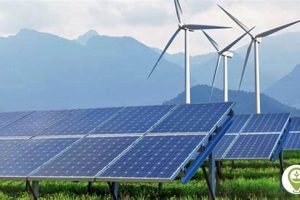
Transitioning small and medium-sized businesses (SMBs) to renewable energy sources involves a strategic shift from conventional, fossil fuel-based energy consumption to sustainable alternatives like solar, wind, hydro, and geothermal power. This can encompass on-site generation, such as installing rooftop solar panels, or procuring renewable energy through Power Purchase Agreements (PPAs) with utility companies or independent power producers. An example would be a local bakery installing solar panels to power its ovens and refrigeration units, reducing its reliance on grid electricity generated from fossil fuels.
Embracing renewable energy offers numerous advantages for SMBs. It can significantly reduce operating costs through lower energy bills, enhancing profitability and competitiveness. Furthermore, it demonstrates a commitment to environmental responsibility, improving brand image and attracting environmentally conscious customers. Historically, high upfront costs presented a barrier to entry for many SMBs. However, declining technology costs, coupled with government incentives and financing options like green loans, have made renewable energy increasingly accessible and financially viable.
The following sections will explore the key steps involved in transitioning to renewable energy for SMBs, including conducting energy audits, evaluating available renewable energy options, understanding financing mechanisms, navigating regulatory requirements, and measuring the environmental and economic impact of the transition. This information will provide businesses with the necessary knowledge and tools to embark on their journey towards a sustainable future.
Tips for Transitioning to Renewable Energy for SMBs
This section outlines practical steps small and medium-sized businesses can take to transition to renewable energy sources.
Tip 1: Conduct a Thorough Energy Audit: A professional energy audit provides a comprehensive understanding of current energy consumption patterns, identifies areas for improvement, and helps determine the most suitable renewable energy solutions. This assessment should analyze energy usage across all business operations, including lighting, heating, cooling, and equipment operation.
Tip 2: Explore Available Renewable Energy Options: Different renewable energy sources are suited to different business needs and locations. Consider factors like available space, energy demands, and local climate conditions when evaluating options such as solar photovoltaic (PV) systems, wind turbines, or geothermal energy.
Tip 3: Research Financial Incentives and Financing Options: Numerous government incentives, rebates, and tax credits are available to support businesses investing in renewable energy. Explore options like green loans and Power Purchase Agreements (PPAs) to minimize upfront costs.
Tip 4: Engage with Qualified Renewable Energy Professionals: Consult with experienced installers and engineers to ensure proper system design, installation, and maintenance. Seek expert advice on optimizing energy efficiency and maximizing the return on investment.
Tip 5: Understand Regulatory Requirements and Permitting Processes: Navigating local regulations and permitting processes is crucial for a smooth transition. Consult with local authorities and ensure compliance with all applicable building codes and environmental regulations.
Tip 6: Develop a Long-Term Energy Management Plan: A comprehensive energy management plan outlines strategies for ongoing monitoring, maintenance, and optimization of renewable energy systems. This plan should include provisions for adapting to future energy needs and technological advancements.
Tip 7: Communicate Sustainability Efforts to Stakeholders: Transparently communicate sustainability initiatives to customers, employees, and investors. Highlighting environmental responsibility can enhance brand reputation and attract environmentally conscious stakeholders.
By implementing these strategies, businesses can effectively reduce their environmental footprint, lower operating costs, and enhance their long-term sustainability.
The concluding section will summarize the key benefits of transitioning to renewable energy and offer resources for further exploration.
1. Assess energy needs

Accurate assessment of energy needs forms the foundational basis for any successful renewable energy transition within small and medium-sized businesses (SMBs). This assessment provides crucial data that informs subsequent decisions regarding appropriate renewable energy technologies, system sizing, and potential return on investment. Without a clear understanding of current energy consumption patterns, businesses risk investing in inadequate or oversized systems, leading to inefficient energy production or unnecessary expenditures. A comprehensive energy audit, encompassing all aspects of business operations, from lighting and HVAC systems to manufacturing processes, allows for the identification of key areas for improvement and optimization.
For example, a manufacturing facility might discover through an energy audit that a significant portion of its energy consumption occurs during peak demand hours. This insight could lead the business to explore options like battery storage solutions combined with solar photovoltaic (PV) systems to offset peak demand charges and maximize the financial benefits of renewable energy generation. Similarly, a retail business might identify substantial energy waste through inefficient lighting systems. Replacing conventional lighting with energy-efficient LED lighting, coupled with occupancy sensors, can significantly reduce energy consumption and contribute to overall cost savings, even before transitioning to renewable energy sources. Understanding baseline energy needs also facilitates accurate forecasting of future energy demands, allowing businesses to scale their renewable energy systems appropriately as their operations grow and evolve.
In conclusion, a thorough energy needs assessment provides critical insights that guide effective decision-making throughout the renewable energy transition process. This data-driven approach ensures that investments in renewable energy technologies align with business objectives, maximize financial returns, and contribute to long-term sustainability goals. Failing to adequately assess energy needs can lead to suboptimal system design, reduced cost savings, and missed opportunities to fully leverage the benefits of renewable energy.
2. Explore renewable options

Exploring renewable energy options represents a critical stage in the transition process for small and medium-sized businesses (SMBs). This exploration directly influences the effectiveness and long-term viability of any renewable energy implementation. A comprehensive understanding of available technologies, their suitability for specific business needs, and their associated costs and benefits is essential for making informed decisions. Careful consideration of factors such as geographic location, energy consumption patterns, available space, and budget constraints informs the selection of the most appropriate renewable energy solution. For example, businesses located in regions with ample sunlight may find solar photovoltaic (PV) systems a cost-effective option, while those in areas with consistent wind resources might benefit from wind turbines. Similarly, businesses with significant roof space can leverage rooftop solar installations, while those with limited space might explore ground-mounted systems or community solar projects.
The exploration of renewable options extends beyond simply identifying potential technologies. It involves a detailed analysis of each option’s financial implications, including upfront costs, operating expenses, potential energy savings, and available incentives. This analysis should also account for factors such as system lifespan, maintenance requirements, and potential environmental impact. For instance, while geothermal systems offer consistent energy generation regardless of weather conditions, they typically involve higher upfront costs compared to solar PV systems. A comprehensive financial assessment enables businesses to make informed decisions that align with their budget constraints and long-term sustainability goals. Furthermore, exploring renewable options may reveal opportunities for integrating multiple technologies to create hybrid systems that maximize efficiency and minimize reliance on conventional energy sources. A combination of solar PV and battery storage, for example, can provide businesses with greater control over their energy usage and reduce peak demand charges.
In summary, exploring renewable options is not merely a preliminary step but rather a fundamental component of a successful renewable energy transition. Thorough research, careful analysis, and consideration of diverse factors enable SMBs to identify the most appropriate and cost-effective renewable energy solutions. This informed approach empowers businesses to maximize the environmental and economic benefits of renewable energy, contributing to both their bottom line and a more sustainable future.
3. Secure financing

Securing financing represents a critical hurdle in the renewable energy transition for small and medium-sized businesses (SMBs). The capital-intensive nature of renewable energy projects often necessitates external funding, and navigating the complex landscape of financing options can be challenging. A clear understanding of available mechanisms, their respective requirements, and their long-term cost implications is crucial for successful project implementation. Various financing options exist, including traditional loans, specialized green loans, leasing agreements, Power Purchase Agreements (PPAs), and government grants or rebates. Each option presents distinct advantages and disadvantages, requiring careful evaluation based on individual business circumstances. For instance, while traditional loans may offer lower interest rates, they often require substantial collateral, which some SMBs may lack. Green loans, specifically designed for sustainable projects, may offer more favorable terms but might have stricter eligibility criteria. PPAs allow businesses to purchase renewable energy generated off-site without owning the infrastructure, reducing upfront costs but potentially limiting control over energy supply.
Successfully securing financing significantly impacts the overall feasibility and timeline of renewable energy projects. Insufficient funding can lead to project delays, compromised system quality, or even project abandonment. Conversely, securing appropriate financing enables businesses to invest in high-quality equipment, engage experienced installers, and implement comprehensive energy management strategies. A robust financial plan, incorporating detailed cost projections, potential energy savings, and return on investment calculations, strengthens funding applications and enhances project credibility. For example, a detailed financial model demonstrating the long-term cost savings associated with solar PV installation can increase the likelihood of securing a loan or attracting investors. Furthermore, securing financing early in the planning process allows businesses to negotiate favorable terms and secure equipment procurement, minimizing potential supply chain disruptions.
In conclusion, securing financing is an integral component of a successful renewable energy transition for SMBs. Careful consideration of available options, thorough financial planning, and a clear understanding of financing requirements are essential for navigating this critical stage. Effective financial strategies empower businesses to overcome financial barriers, accelerate project implementation, and fully realize the economic and environmental benefits of renewable energy.
4. Implement solutions

Implementing solutions represents the culmination of planning and preparation in the renewable energy transition for small and medium-sized businesses (SMBs). This phase translates theoretical designs into tangible systems, bringing renewable energy generation online and initiating the realization of environmental and economic benefits. Effective implementation hinges on meticulous project management, adherence to best practices, and close collaboration among stakeholders, including business owners, engineers, installers, and regulatory bodies.
- System Installation and Integration
This facet encompasses the physical installation of renewable energy technologies, such as solar panels, wind turbines, or geothermal systems. Proper installation, adhering to manufacturer specifications and industry best practices, ensures optimal system performance and longevity. Integration with existing electrical infrastructure requires careful planning and execution to minimize disruption to business operations and maximize energy efficiency. For example, integrating a solar PV system with a building’s energy management system optimizes energy consumption and maximizes the financial benefits of renewable energy generation. Incorrect installation can lead to reduced energy output, safety hazards, and increased maintenance costs, jeopardizing the overall success of the renewable energy transition.
- Commissioning and Testing
Commissioning and testing validate system functionality and ensure that all components operate as designed. Rigorous testing procedures, conducted by qualified professionals, verify system performance, safety features, and compliance with regulatory requirements. Thorough commissioning minimizes the risk of future malfunctions, optimizes energy output, and provides baseline performance data for ongoing monitoring. For instance, a commissioned wind turbine undergoes performance testing to verify its power output under various wind conditions. Neglecting proper commissioning can lead to undetected system flaws, reduced energy production, and potential safety risks.
- Monitoring and Maintenance
Ongoing monitoring and maintenance are essential for sustained system performance and maximizing the lifespan of renewable energy installations. Regular monitoring tracks energy production, identifies potential issues, and informs preventative maintenance schedules. Proactive maintenance minimizes downtime, optimizes energy output, and extends the operational life of renewable energy systems. For example, regular cleaning of solar panels ensures optimal sunlight absorption and maximizes energy generation. Neglecting routine maintenance can lead to performance degradation, premature system failure, and reduced return on investment.
- Training and Education
Training and education empower business owners and employees to effectively operate and maintain renewable energy systems. Comprehensive training programs cover system operation, troubleshooting procedures, and basic maintenance tasks. Educating stakeholders about renewable energy technologies fosters ownership, promotes efficient system utilization, and ensures long-term sustainability. For instance, training employees on the operation of a building’s energy management system optimizes energy consumption and maximizes the benefits of the renewable energy investment. Lack of adequate training can lead to operational inefficiencies, reduced energy savings, and potential safety risks.
Successfully implementing these facets ensures that renewable energy systems operate efficiently, reliably, and safely, maximizing the environmental and economic benefits for SMBs. This comprehensive approach translates the theoretical potential of renewable energy into tangible results, contributing to a sustainable future for businesses and the broader community.
5. Monitor and optimize

Monitoring and optimization represent the ongoing commitment required to fully realize the benefits of renewable energy integration for small and medium-sized businesses (SMBs). This crucial stage moves beyond initial implementation, focusing on continuous improvement, adaptive management, and ensuring long-term system performance and cost-effectiveness. Effective monitoring provides the data-driven insights necessary to identify areas for optimization, address potential issues proactively, and adapt to evolving business needs and environmental conditions. Monitoring encompasses tracking key performance indicators (KPIs) such as energy production, system efficiency, equipment performance, and environmental impact. Sophisticated monitoring systems can provide real-time data, enabling immediate detection of anomalies and facilitating rapid response to potential problems. For example, monitoring the output of a solar PV system can reveal shading issues or panel degradation, prompting corrective action to maintain optimal energy generation. Similarly, monitoring energy consumption patterns within a building can identify opportunities for further efficiency improvements, such as optimizing HVAC schedules or implementing smart lighting controls.
Optimization leverages the insights gained through monitoring to enhance system performance, reduce energy waste, and maximize financial returns. Optimization strategies may involve adjusting system settings, implementing energy efficiency measures, upgrading equipment, or refining operational practices. For example, analyzing energy consumption data might reveal that a business’s peak energy demand coincides with periods of low solar production. This insight could lead to the implementation of battery storage solutions to shift energy consumption from peak to off-peak hours, reducing electricity costs and maximizing the utilization of renewable energy. Similarly, optimizing HVAC system schedules based on occupancy patterns and weather conditions can significantly reduce energy consumption without compromising occupant comfort. Optimization is an iterative process, requiring continuous monitoring, analysis, and adaptation to achieve optimal performance and cost savings. The insights derived from monitoring and optimization inform future investment decisions, enabling businesses to adapt their renewable energy strategies as their operations evolve and new technologies emerge. For instance, data analysis might reveal the potential benefits of expanding an existing solar PV system or integrating a new renewable energy technology, such as wind power or geothermal energy.
In conclusion, monitoring and optimization are essential for ensuring the long-term success and sustainability of renewable energy investments for SMBs. These ongoing efforts maximize the environmental and economic benefits of renewable energy, contributing to both a healthier planet and a stronger bottom line. Neglecting this crucial stage can lead to suboptimal system performance, missed opportunities for cost savings, and diminished environmental impact. By embracing a data-driven approach to monitoring and optimization, SMBs can fully realize the transformative potential of renewable energy and ensure a sustainable future for their businesses and the broader community.
Frequently Asked Questions
This section addresses common inquiries regarding the transition to renewable energy for small and medium-sized businesses.
Question 1: What is the typical payback period for renewable energy investments?
Payback periods vary depending on factors such as system size, energy prices, available incentives, and financing options. Generally, payback periods for solar PV systems can range from 5 to 10 years, while other technologies may have longer or shorter payback periods. A detailed financial analysis is crucial for accurately estimating payback periods.
Question 2: Are renewable energy systems reliable and suitable for all business types?
Renewable energy technologies have reached high levels of reliability and can be adapted to suit various business needs. Factors such as geographic location, energy consumption patterns, and available space influence the suitability of specific technologies for individual businesses. Consulting with experienced professionals ensures appropriate system design and integration.
Question 3: How do businesses navigate the regulatory landscape and permitting processes for renewable energy installations?
Navigating regulatory requirements and permitting processes can be complex. Engaging with qualified professionals who understand local regulations and permitting procedures streamlines the process and ensures compliance. Early engagement with local authorities minimizes potential delays and ensures smooth project execution.
Question 4: What ongoing maintenance is required for renewable energy systems, and how does it impact operational costs?
Renewable energy systems typically require minimal maintenance, such as periodic cleaning and inspections. Planned maintenance schedules minimize downtime and ensure optimal system performance. While maintenance costs are generally low, they should be factored into the overall cost analysis of renewable energy investments.
Question 5: How can businesses measure the environmental impact of their transition to renewable energy?
The environmental impact of transitioning to renewable energy can be quantified by calculating greenhouse gas emission reductions. Specialized tools and methodologies exist to assess and report on environmental performance. Tracking and reporting environmental metrics demonstrates corporate social responsibility and strengthens brand reputation.
Question 6: What resources are available to assist businesses in their transition to renewable energy?
Numerous resources are available to assist businesses, including government agencies, industry associations, and non-profit organizations. These resources provide information on available incentives, financing options, technical assistance, and best practices. Leveraging these resources can streamline the transition process and maximize the benefits of renewable energy adoption.
Understanding these key aspects empowers informed decision-making and facilitates a successful and sustainable transition to renewable energy.
The following section will offer a concluding perspective on the importance of renewable energy adoption for SMBs.
Conclusion
This exploration has outlined key aspects of renewable energy transition for small and medium-sized businesses (SMBs). From initial energy audits to securing financing and implementing solutions, each step plays a crucial role in achieving a successful and sustainable transition. Emphasis has been placed on the importance of careful planning, collaboration with experienced professionals, and ongoing monitoring and optimization. The potential benefits for SMBs are substantial, encompassing reduced operating costs, enhanced brand reputation, and a demonstrable commitment to environmental responsibility.
The transition to renewable energy represents not merely a technological shift but a fundamental transformation in how businesses operate and contribute to a more sustainable future. SMBs hold a significant collective impact, and their adoption of renewable energy is essential for achieving global climate goals and fostering a more resilient and equitable energy landscape. Proactive engagement with renewable energy solutions empowers businesses to control energy costs, mitigate environmental impact, and contribute to a cleaner, more sustainable future for all. It is an investment in both economic prosperity and environmental stewardship, positioning businesses for long-term success in a rapidly evolving world.